Nonresident Licensing Through an Outfitter
For nonresident hunters eyeing Maryland's diverse hunting opportunities, the thought of navigating another state's licensing system can feel like deciphering ancient hieroglyphs. From understanding the core hunting license to deciphering the array of necessary stamps and permits, it's enough to make anyone second-guess their plans. This guide will walk you through how a knowledgeable Maryland outfitter can be an invaluable partner in securing your nonresident hunting licenses, ensuring you're fully compliant and ready to enjoy your time in the field without unnecessary administrative headaches.
The Initial Hurdles for Nonresident Hunters in Maryland
Coming to a new state to hunt is exciting, but let's be honest, it often comes with a dose of administrative dread. Maryland, like many states, has its own unique set of rules, and what might seem straightforward to a local can be a real head-scratcher for someone visiting from out of state. This isn't just about paying a fee; it's about understanding a nuanced system.
Understanding Maryland's Licensing System from Afar
When you're planning a hunt from hundreds or even thousands of miles away, the specific requirements for a Maryland hunting license can feel daunting. You're not just looking for a general "hunting license"; you're often needing specific endorsements, stamps, or permits depending on what you're pursuing and with what weapon. For instance, a nonresident interested in chasing whitetails during the Maryland's Split Firearms Deer Season will need different stamps than someone planning a Sika Deer Hunting in Maryland's Tidal Marshes bowhunt. This complexity can quickly escalate, leading to confusion about which specific combination of documents you actually need for your planned trip. It's not uncommon for hunters to assume their home state's general hunting license covers them elsewhere, or that a single license covers all game species, which is rarely the case.
The Maryland Department of Natural Resources (DNR) manages this system through an online portal, but even with digital access, interpreting the jargon and ensuring you select every single required item can be a puzzle. There are different fees for residents versus nonresidents, different age requirements for various licenses, and often additional stamps needed for specific activities like migratory bird hunting or even for certain deer tags. Trying to piece this together when you're unfamiliar with the state's hunting regions, season structures, and specific game regulations can consume valuable time and energy that you'd rather spend scouting or practicing your shot.
Common Misconceptions About Out-of-State Permits
One of the biggest pitfalls for nonresident hunters is operating under assumptions that simply don't apply in Maryland. For example, some might mistakenly believe that if they're hunting on private land with an outfitter, they don't need all the same licenses and stamps as someone hunting public land. This is a common and potentially costly error; landowner permission does not negate the need for state-issued hunting licenses and permits. The legal requirement to possess the correct licenses applies equally to all hunters, regardless of whether they are on private or public ground.
Another misconception revolves around hunter education requirements. Many nonresidents assume that because they've completed a hunter education course in their home state years ago, they are automatically good to go in Maryland. While Maryland generally honors hunter education certificates from other states, verifying this equivalency and having proof readily available is crucial. An outfitter can confirm this for you, ensuring that your existing certification meets Maryland's standards, or guiding you on what steps to take if it doesn't. Failing to address these requirements upfront can lead to delays, missed hunting days, or even significant fines, transforming an exciting trip into a frustrating bureaucratic entanglement.
How Outfitters Can Simplify the Licensing Process
The administrative burden of nonresident licensing is precisely where a good outfitter shines. They aren't just guides in the field; many act as indispensable navigators through the regulatory landscape, saving you headaches and ensuring legal compliance.
Outfitter Assistance with Basic Hunting Licenses
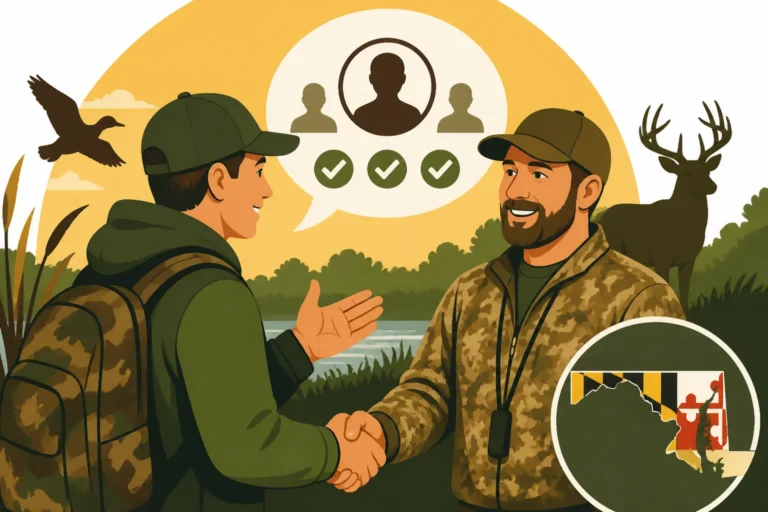
A reputable Maryland outfitter knows the licensing system inside and out. Their daily business revolves around understanding these regulations, not just for themselves but for their clients who come from all corners of the country. When you book a hunt, one of the first things they'll discuss with you, often even before you arrive, is your licensing needs. They can clearly outline which basic hunting license you'll need, be it a specific big game license or a general small game license, depending on your target species. This initial consultation is vital, as it prevents you from purchasing the wrong license or overlooking a critical component.
Many outfitters go a step further. While they cannot purchase the license for you (as personal information and sometimes a hunter education number are required), they can provide direct links to the Maryland DNR's COMPASS online licensing system and walk you through the purchasing process step-by-step. They can explain each option in plain language, making sure you select the correct nonresident hunting license for the duration and type of hunt you've booked. This guidance is particularly helpful for first-time visitors who might not be familiar with the various options for Maryland Nonresident License Options or the typical season dates for different game animals. Their experience ensures you acquire the fundamental permits correctly and efficiently.
Navigating Special Stamps and Permits
Beyond the basic hunting license, Maryland often requires additional stamps or permits for specific activities. This is where things can get truly convoluted for an outsider. For instance, if your hunt involves migratory birds, you'll need not only a Maryland Migratory Game Bird Stamp but also a Federal Duck Stamp and HIP registration. If you're specifically targeting sika deer, a Maryland's Sika Deer Stamp and Bag Limits is mandatory. Deer hunters may also need bonus antlered deer stamps or antlerless permits, depending on the region and time of year. Each of these has its own cost and sometimes specific eligibility criteria.
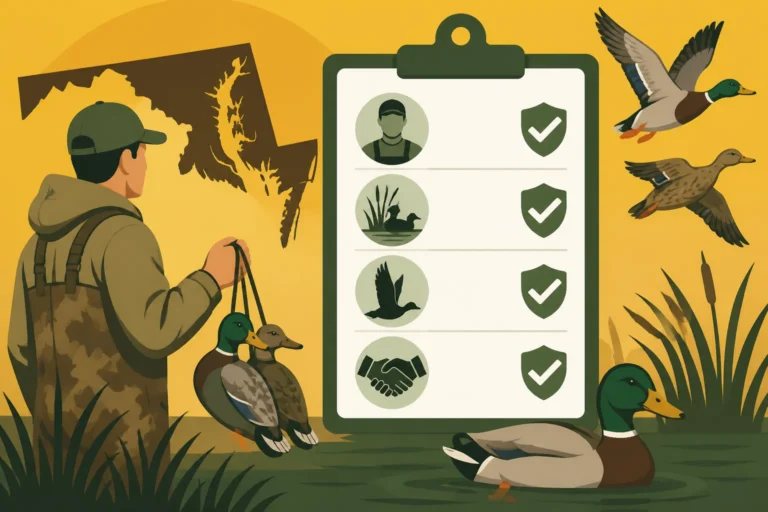
An experienced outfitter will have a comprehensive checklist for your specific hunt package. They'll know precisely which stamps are required for a Goose Hunting Maryland's Eastern Shore Grain Fields trip versus a Bowhunting Maryland's Long Archery Season for whitetails in Region B. They can explain the purpose of each stamp and confirm its necessity based on the game you're after and the weapons you'll be using. This level of detailed guidance is invaluable. Without it, a nonresident might inadvertently skip a required stamp, risking a fine or even the confiscation of game. The outfitter acts as a safeguard, ensuring every 'i' is dotted and every 't' is crossed so your focus can remain squarely on the excitement of the hunt.
The Practical Steps: What Your Outfitter Needs From You
While outfitters can offer significant assistance, ultimately, the responsibility of acquiring your license rests with you. However, they streamline the process by clearly communicating what information and documentation they need from you to provide the best guidance.
Gathering Required Personal Information
To help you navigate the licensing process, your outfitter will need some key personal details. This isn't just for their records but to accurately advise you on the specific licenses and stamps you'll need. Expect them to ask for your full legal name, date of birth, current address, and a contact phone number and email. They might also inquire about your residency status and the state where you hold your primary hunting license. These details are critical because Maryland has different rates and requirements for residents versus nonresidents, and sometimes even distinctions for junior or senior hunters.
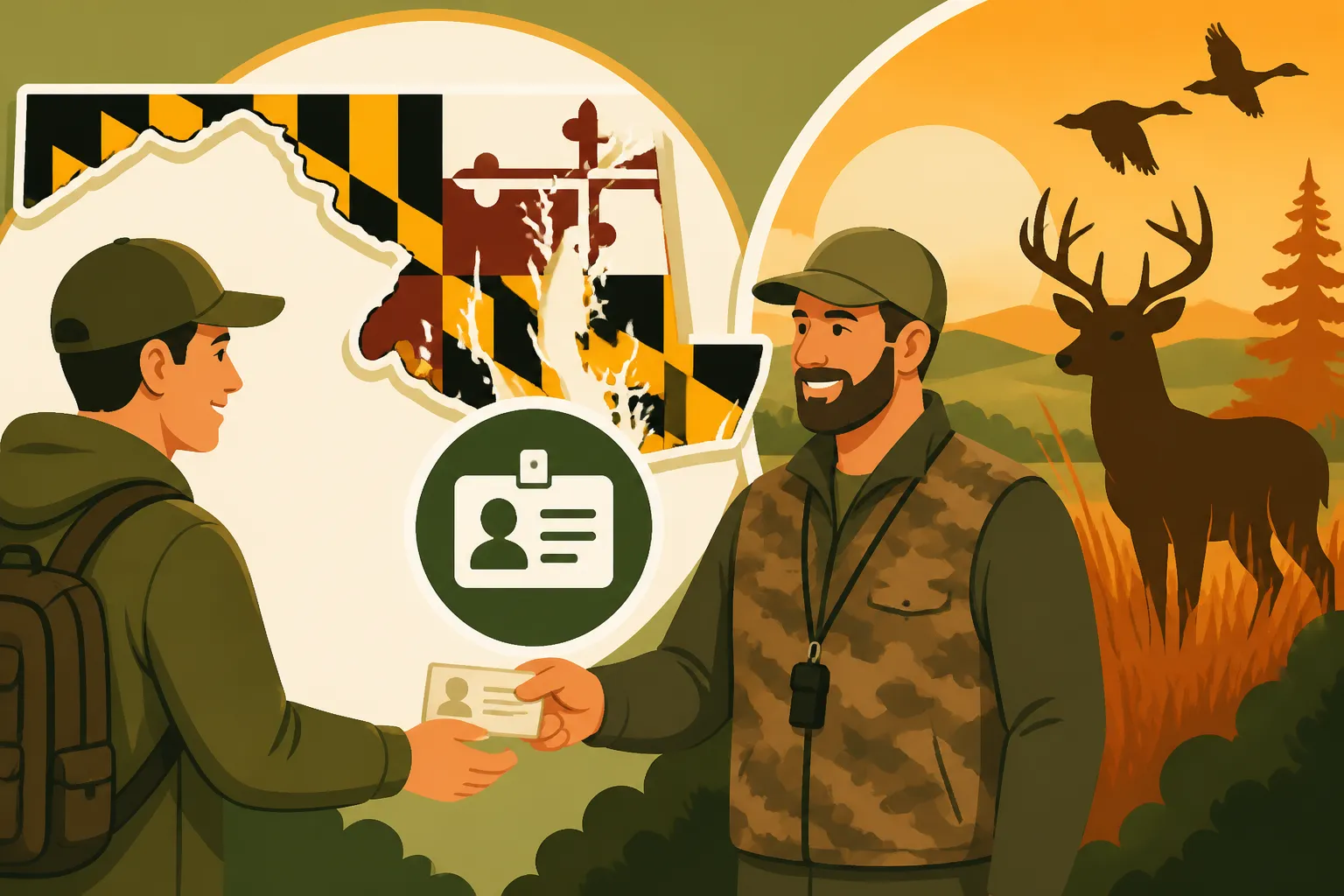
Furthermore, they will likely ask for your hunter education certification information. This includes the state where you took your course, the completion date, and possibly a certification number. Having this documentation readily accessible will allow your outfitter to verify its validity for Maryland's requirements. They aren't just being nosy; they're ensuring that when you go to purchase your license through the Maryland DNR's COMPASS system, you have all the necessary information at hand, preventing frustrating delays or errors. This proactive approach ensures a smoother experience once you're ready to make your purchase.
Hunter Education and Safety Course Verification
Maryland takes hunter education seriously, and rightfully so. For most hunters born after a certain date, proof of completing an approved hunter education course is mandatory before a hunting license can be issued. This is one area where nonresidents often need specific guidance. Your outfitter will confirm Maryland's Maryland Hunter Education Requirements and help you understand if your existing certification from another state is valid. Generally, Maryland accepts hunter education certificates issued by other states, provinces, or countries, as long as the course was approved by the International Hunter Education Association (IHEA-USA).
If for some reason your hunter education certification is not immediately verifiable or doesn't meet Maryland's standards, your outfitter can guide you on alternative paths. This might include obtaining an Apprentice Hunting License, which allows you to hunt under the direct supervision of a licensed adult mentor. They can also provide resources for verifying your certificate through online databases or contacting your home state's wildlife agency. Ensuring this critical step is covered early means you won't arrive in Maryland only to find you're unable to legally purchase your license, which would be a devastating setback to your hunt.
Benefits of Outfitter-Assisted Licensing Beyond Just the Permit
While getting the right permit is the immediate goal, the value of an outfitter's assistance extends far beyond simply holding a piece of paper. It's about securing peace of mind and optimizing your entire hunting experience.
Ensuring Compliance and Avoiding Fines
Let's face it, nobody wants to incur a fine or, worse, face legal trouble while trying to enjoy a hunting trip. Maryland's hunting regulations are extensive, and ignorance of the law is never an excuse. A single oversight, like forgetting a specific stamp or misinterpreting a season date for a certain county, can lead to significant penalties. This is particularly true for nonresidents who are less familiar with the local nuances, such as Maryland's Three-Point Antler Restriction or specific Sunday hunting rules in certain counties.
By working closely with your outfitter on licensing, you gain an expert advocate who is invested in your successful and legal hunt. They stay up-to-date on any changes in regulations, season dates, or permit requirements, essentially acting as your personal regulatory compliance officer. This ensures that every license, stamp, and permit you acquire is precisely what's needed for your specific hunt, minimizing the risk of violations. This layer of protection allows you to focus on the thrill of the chase, knowing that the administrative groundwork has been meticulously laid out for you.
Saving Time and Reducing Pre-Hunt Stress
Planning an out-of-state hunting trip involves a myriad of tasks: booking travel, packing gear, preparing physically, and, of course, the ever-present administrative hurdles. The process of researching and purchasing licenses can be a significant time sink, especially when you're trying to understand another state's specific system. For many, the hours spent on websites and phone calls can dampen the excitement of the upcoming adventure.
An outfitter streamlines this entire process. By providing clear, concise instructions and direct guidance, they drastically cut down the time you need to spend on licensing. Instead of sifting through pages of regulations or trying to decipher acronyms, you get a straightforward checklist and personalized advice. This efficiency translates directly into less pre-hunt stress. You can allocate your precious time to other preparations, like sighting in your rifle or practicing your calling techniques, rather than wrestling with online forms. The peace of mind that comes from knowing your licensing is handled correctly is an invaluable benefit, freeing you to fully anticipate your trip.
Leveraging Local Knowledge for a Smoother Experience
Outfitters are not just selling a hunt; they're selling an experience steeped in local knowledge. This extends to far more than just where the game animals are. Their expertise encompasses the logistical realities of hunting in Maryland, including where and when licenses need to be purchased, what to expect at registration stations, and even local regulations that might influence your hunt. For instance, they might advise you on specific weapon restrictions in certain counties or explain the nuances of Hunting Maryland's Suburban Deer Management Hunts.
This local insight is critical for nonresidents. An outfitter can inform you about the best time to purchase licenses to avoid any last-minute rushes or system slowdowns. They can also explain the process for How to Register a Deer Within the Deadline after a successful harvest, which is a state requirement. This deep understanding of local logistics contributes to a smoother overall experience. You're not just buying a hunting trip; you're gaining access to an expert who ensures every aspect of your journey, from paperwork to the actual hunt, is as seamless and enjoyable as possible.
Choosing an Outfitter Who Excels at License Support
Not all outfitters are created equal when it comes to administrative support. If license assistance is a high priority for you as a nonresident, it's crucial to choose an outfitter who demonstrates proficiency in this area.
Questions to Ask About Licensing Services
When you're researching potential Maryland outfitters, don't be shy about asking direct questions regarding their license assistance. This isn't a trivial matter; it's fundamental to your hunt. Start by asking, "What specific assistance do you provide with nonresident hunting licenses and stamps?" A good outfitter should be able to articulate a clear process, such as providing a detailed list of required permits, direct links to the Maryland DNR licensing portal, and step-by-step guidance.
You should also inquire about their familiarity with the various types of licenses and permits. Ask specifically about the licenses needed for the species you intend to hunt and the method you plan to use. For example, if you're planning a waterfowl hunt, ask if they can clarify requirements for the Federal Duck Stamp, Maryland Migratory Game Bird Stamp, and HIP registration, as detailed in Maryland Migratory Bird Stamp Requirements. If you're looking for Booking a Maryland Sika Deer Hunt, ask about the Sika Deer Stamp specifically. Also, confirm how they handle hunter education verification for out-of-state clients. Their answers should be confident, clear, and consistent. Platforms like BookYourHunt often allow you to send direct messages to outfitters, making it easy to pose these questions before committing.
What to Look for in a Reputable Outfitter
Beyond their specific answers about licensing, observe the overall professionalism and thoroughness of the outfitter. A reputable operation will often have a dedicated section on their website or in their booking materials that clearly outlines license requirements for nonresidents. They might even provide a downloadable checklist. This proactive approach is a strong indicator of their commitment to client support. Pay attention to how quickly and thoroughly they respond to your inquiries; a prompt and detailed response suggests good organization and client focus.
Look for outfitters who emphasize communication throughout the booking process. They should initiate conversations about licensing early, rather than waiting until the last minute. Checking reviews from previous nonresident clients can also provide valuable insight. Did other hunters mention positive experiences with license guidance? An outfitter who has a track record of helping nonresidents navigate Maryland Resident License Options and nonresident ones successfully is likely a safe bet. Consider an outfitter who makes you feel confident and well-informed, rather than confused or rushed.
License and Permit Requirements Snapshot for Nonresidents
Here's a quick overview of some common license and stamp requirements for nonresidents hunting in Maryland. Remember, your outfitter will confirm the exact combination you need for your specific hunt.
| License/Stamp Type | Purpose | When Required | Outfitter's Role in Assistance |
|---|---|---|---|
| Nonresident Hunting License | Basic permit for all hunting | All hunting activities | Guides selection, provides links, explains age/residency rules |
| Archery Stamp | Required for bowhunting | When hunting deer/turkey with a bow | Confirms if needed for bowhunt, advises on season dates like Hunting Maryland's September Archery Opener |
| Muzzleloader Stamp | Required for muzzleloader hunting | When hunting deer/turkey with a muzzleloader | Confirms if needed for muzzleloader hunt, advises on specific seasons |
| Bonus Antlered Deer Stamp | Allows for an additional antlered deer | When seeking to harvest more than the statewide antlered deer limit | Explains conditions for use, helps understand Maryland's Deer Bag Limits and Antler Rule |
| Maryland Migratory Game Bird Stamp | Required for migratory birds (ducks, geese, etc.) | When hunting any migratory game bird | Ensures purchase along with Federal Stamp & HIP, clarifies Maryland Waterfowl Zones and Season Dates |
| Federal Duck Stamp | Required for waterfowl hunting | For hunters 16+ years when hunting ducks, geese, brant | Reminds to purchase separately, often available at post offices/online |
| HIP Registration | Harvest Information Program | When hunting any migratory game bird (free registration) | Explains its necessity, guides through the free registration process |
| Maryland Sika Deer Stamp | Required for Sika Deer hunting | When hunting Sika Deer | Confirms if hunt is Sika-specific, advises on Sika Deer Hunting in Maryland's Tidal Marshes |
| Hunter Education Certificate | Proof of hunter safety training | Mandatory for most hunters born after a certain date (check current rules) | Verifies out-of-state certs, advises on alternatives like apprentice license |
Navigating the Maryland hunting license landscape as a nonresident doesn't have to be a source of stress. By enlisting the help of a reputable Maryland outfitter, you gain a knowledgeable partner who can guide you through the intricacies of permits, stamps, and regulations. This support not only ensures you're fully compliant with state laws but also frees you up to fully immerse yourself in the natural beauty and thrilling challenge of hunting in Maryland. Make sure to ask those crucial questions upfront, choose an outfitter who prioritizes clear communication, and you'll be well on your way to an unforgettable hunting adventure.
Disclaimer
This article is for general informational purposes only and does not constitute professional advice. Laws, prices and regulations vary by location and change over time. Consult a qualified professional for guidance on your specific situation.