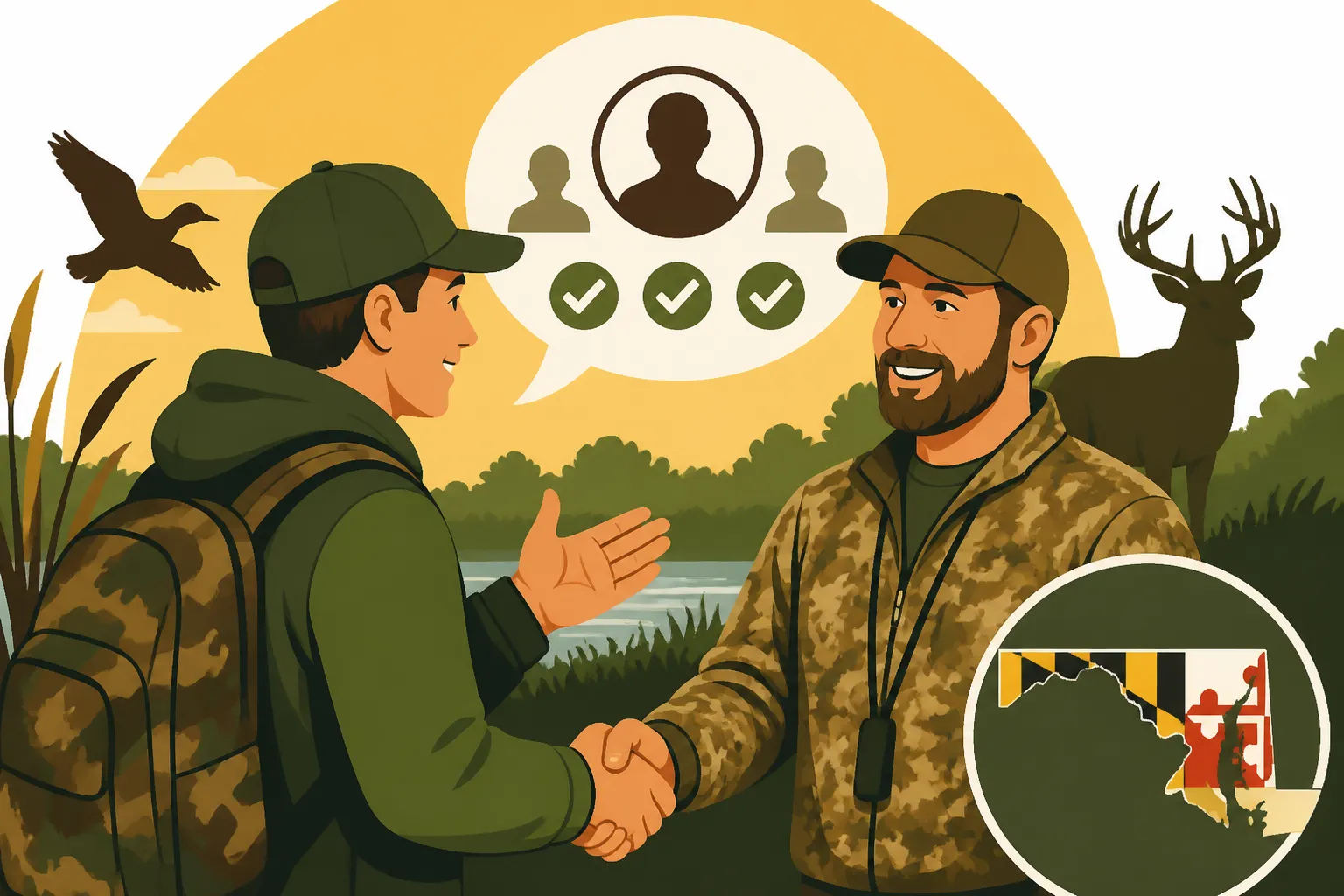
Asking an Outfitter for References
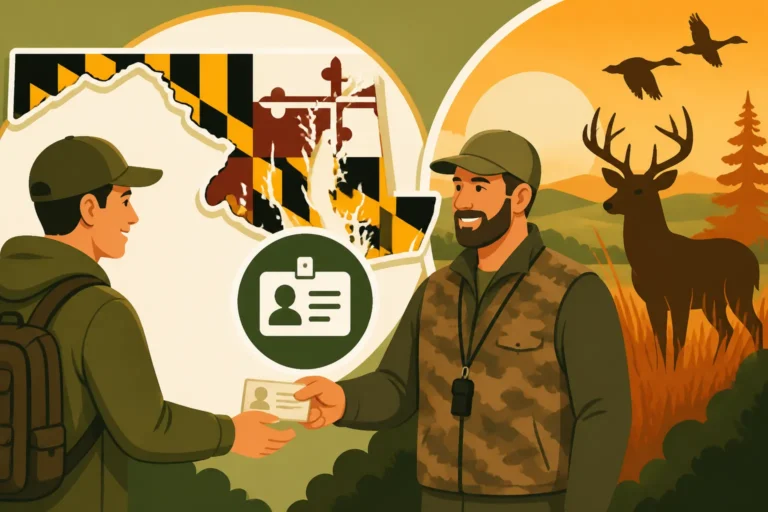
Many hunters dream of an epic Maryland adventure, whether it's chasing Sika deer in the marsh or decoying geese on the Eastern Shore, but the fear of booking a costly trip with an unreliable outfitter is a very real one. It’s hard to know who to trust with your hard-earned money and precious vacation time. This guide will walk you through the critical process of asking outfitters for references and how to effectively use that feedback to ensure you pick the right guide for your next hunt.
Why References Are Your Secret Weapon Against Bad Hunts
The Unspoken Fears of Booking a Hunt
When you’re looking at booking a guided hunt, especially in a new area like Maryland, it’s easy to get swept up in the excitement of a glossy website or a great-looking social media feed. But deep down, there's always that nagging worry: What if it's not what they promised? What if the guide is unprofessional, the equipment is subpar, or the hunting just isn't what you envisioned? These anxieties are completely valid, because a bad guided hunt isn't just a wasted day; it's a wasted investment, both financially and emotionally. You've often saved up, arranged time off work, and maybe even traveled a long distance, only to be disappointed.
I've heard countless stories over the years from hunters who arrived to find a rundown camp, a guide who clearly hadn't scouted, or a "private land" lease that turned out to be open access public ground. Sometimes, it's not even outright fraud, but simply a mismatch of expectations. You might have envisioned a hardcore, early-morning-to-late-night grind, while the outfitter catered more to a relaxed, recreational experience. These are the subtle but significant details that a website often won't tell you, and they're exactly why you need to dig deeper than just the pictures.
Think about it: an outfitter is selling an experience. They're selling a dream, really. And just like any big purchase, you wouldn't buy a car or a house without doing some serious due diligence, would you? A guided hunt is no different. It's a significant commitment, and protecting that investment means doing your homework. This is where those references come in, acting as your personal, unbiased (or at least less biased) investigative team. They've been there, done that, and can give you the real scoop on what to expect.
What an Outfitter's References Can Truly Reveal
References are more than just a list of happy customers; they're a window into the actual operation of the guide service. They can tell you about the guide's communication style, their level of professionalism, the quality of their gear and accommodations, and most importantly, their commitment to client satisfaction. Did the guide truly work hard to put them on game, even when conditions were tough? Was the lodging clean and comfortable? Was the food good, if meals were included? These practical details are crucial to a successful and enjoyable trip.
Beyond the logistical aspects, references can often shed light on the outfitter's hunting philosophy and ethics. Do they prioritize fair chase? Are they knowledgeable about local regulations and respectful of the game? Are they patient with new hunters or those needing extra assistance? For instance, if you're looking for a Sika Deer Hunting in Maryland's Tidal Marshes experience, a past client can tell you if the guide truly understood the tides and Sika movement, or if they just dropped them off in a random spot. These insights help ensure that the outfitter aligns with your personal values and expectations for a hunting trip.
Furthermore, references can provide a realistic perspective on success rates. While no reputable outfitter guarantees a kill, a good one will deliver a quality hunting experience. A reference can confirm whether the outfitter's advertised "success rates" are based on actual opportunities or just vague promises. They can also inform you about the typical size of game harvested, or the realistic number of shooting opportunities. This kind of firsthand account is invaluable and helps manage your expectations, ensuring you're not walking into a situation that's been oversold. Think of it as a quality control check, allowing you to gauge the true value of the hunt.
What to Ask For and How to Approach References
Requesting a Balanced List of Past Clients
When you reach out to an outfitter, don't just ask, "Can I have some references?" Be specific. A good, confident outfitter should be willing to provide a list of recent clients – say, from the past year or two – who hunted the specific type of trip you're interested in. For example, if you're keen on Waterfowl Hunting Maryland's Chesapeake Bay, ask for references from recent waterfowl clients, not just deer hunters. It's also a good idea to request a mix of successful and unsuccessful hunters, if possible. While an outfitter might be hesitant to give out names of "unsuccessful" clients, a truly transparent guide will understand you're looking for an honest assessment of the experience, not just the harvest.
Be prepared for the outfitter to give you a hand-picked list of their happiest customers, which is completely natural. Your job then is to politely push a little further. You might ask, "Do you have anyone who hunted with you during a particularly challenging weather period, or during a slower part of the season?" This shows you're serious and understand that hunting isn't always easy. Most outfitters will appreciate your realistic approach. If they seem cagey or unwilling to provide references, consider that a significant red flag right off the bat. Trustworthy operations, like those you might find listed on platforms such as BookYourHunt, usually have transparent processes for this.
Once you have the list, make sure it includes full names and contact information, preferably phone numbers, as a quick chat is often more revealing than a series of emails. Don't be shy about reaching out promptly. These folks are doing you a favor, so respect their time. Introduce yourself, state why you're calling, and be clear that you just want an honest opinion about their experience with the outfitter. Always be courteous and grateful for their time and insights.
Crafting Your Questions for Maximum Insight
Going into a call with a reference without a plan is a wasted opportunity. You need a structured list of questions that cover the gamut of your concerns. Don't just ask, "Did you have fun?" Dig deeper. Here’s a table of suggested questions to get you started, broken down by category:
| Category | Key Questions to Ask the Reference | What You're Trying to Uncover |
|---|---|---|
| Pre-Hunt Experience | How was the initial communication with the outfitter? Was booking easy? Were expectations clearly set? | Outfitter's professionalism, organization, and transparency from the start. |
| Were there any surprises regarding deposits, dates, or what was included/excluded? | Hidden costs, contract clarity, or last-minute changes. | |
| The Hunt Itself | How would you describe the guide's effort and knowledge? Did they work hard to put you on game? | Guide's dedication, scouting, and ability to adapt to conditions. |
| What was the typical hunting day like? Were the hours as advertised? | Real-world experience vs. advertised schedule; guide's energy levels. | |
| What was the quality of the hunting areas? Did it match your expectations? | Access to good ground, scouting efforts, and realism of claims. | |
| How was the equipment (blinds, boats, calls, etc.)? Was it well-maintained and appropriate? | Investment in client comfort and safety; attention to detail. | |
| Accommodation & Food | If applicable, how were the lodging and meals? Cleanliness, comfort, quality? | Overall comfort level of the camp experience. |
| Post-Hunt Experience | How was game handling (dressing, caping, transport)? | Professionalism and care after the harvest; adherence to regulations. |
| Would you hunt with this outfitter again? Why or why not? | Overall satisfaction and strong recommendation or hesitation. | |
| Is there anything you wish you had known before you booked? | Unforeseen challenges or critical details often overlooked. |
Remember to listen actively to their responses, not just the words but the tone. Are they enthusiastic, or do they sound a bit hesitant? Sometimes what isn't said can be as important as what is. Don't forget to ask about the non-hunting aspects too, like the overall atmosphere and camaraderie. This is your chance to get a truly honest assessment. Consider what you learned about How to Vet a Maryland Outfitter and use that framework when speaking to references.
Digging Deeper: Beyond the First Impression
Red Flags and Green Lights in Reference Feedback
As you speak with references, certain patterns will emerge. A major green light is consistent, enthusiastic feedback about the guide's effort, knowledge, and hospitality. If multiple references mention the guide going above and beyond, adapting to weather changes, or providing an exceptional overall experience, you're likely on the right track. Positive comments about well-maintained gear, clean accommodations, and clear communication are also strong indicators of a professional operation. Furthermore, if references speak highly of the guide's ethical practices and respect for the game and land, that's a huge positive. You want an outfitter who adheres to rules and regulations, especially in areas with specific guidelines like Maryland's Three-Point Antler Rule or Maryland's CWD Management Area Rules.
On the flip side, be wary of red flags. If you hear vague answers, hesitant tones, or consistent complaints about the same issues—be it poor communication, unkempt facilities, lack of effort, or unexpected extra costs—it should raise an eyebrow. A reference who says, "It was okay, but…" and then trails off, or changes the subject, might be trying to be polite but is signaling dissatisfaction. Pay close attention if references mention disorganization, a guide being unprepared, or feeling rushed. If an outfitter only provides a couple of references, or they are all very old, that's another potential concern. It's about finding consistency in the feedback, both good and bad.
Another subtle red flag could be an outfitter who tries to control your reference calls too much, or insists on providing references only via email, which can limit the depth of the conversation. Reputable outfitters should have no issue with you speaking directly to past clients, as they stand behind their service. Pay attention to how the references describe the "success" of their hunt – was it based on opportunities, or just luck? An ethical outfitter focuses on the quality of the experience, not just the kill.
Comparing Notes with Online Reviews (and Cautions)
While references are gold, it's also wise to cross-reference their feedback with what's available online. Websites like GoHunt or BookYourHunt often feature client testimonials and reviews. These platforms can be incredibly useful for getting a broader sense of an outfitter's reputation, especially for popular destinations or species like Sika Deer Hunting in Maryland. However, it's crucial to approach online reviews with a healthy dose of skepticism and critical thinking.
The caution here is that online reviews can be curated, biased, or even fabricated. Some outfitters might encourage only their happiest clients to post reviews, or worse, some might even pay for fake positive reviews. Conversely, a disgruntled client might leave an overly harsh review based on a single bad experience, or even an unreasonable expectation. Look for patterns in reviews: if multiple independent reviews highlight the same positives or negatives, they're more likely to be accurate. Pay attention to the details within reviews – specific complaints or praises often hold more weight than vague statements.
A smart approach is to use online reviews as a general barometer, but let the personal reference calls be your primary decision-making tool. If an outfitter has glowing online reviews but their references give you a lukewarm feeling, trust your direct conversations. Likewise, if an outfitter has a few negative online reviews but their provided references sing their praises, ask the references if they're aware of the online complaints and what their perspective is. This comparison helps you paint the most complete and realistic picture of what you can expect from your chosen Maryland hunting adventure. Remember, online platforms are a starting point, but direct conversation is the deep dive.
Making Your Decision: Putting the Pieces Together
Weighing the Good, the Bad, and the Ugly
After you've spoken to all your references and reviewed any available online feedback, it's time to consolidate that information. Don't just dismiss any negative points; instead, weigh them against the positives. For instance, if one reference mentioned the lodging was a bit rustic, but everyone else raved about the guide's relentless effort and knowledge of Marsh Hunting Sika Deer by Boat, you might decide that the guide's expertise outweighs the comfort level, especially if you prioritize the hunt itself over amenities. However, if multiple references complain about a lack of effort or safety concerns, those red flags should carry significant weight, no matter how many positive reviews an outfitter has.
Create a mental or even physical pros and cons list. Consider what matters most to you for this particular hunt. Is it the trophy potential, the overall experience, the camaraderie, or strict adherence to a budget? An outfitter might be fantastic for one type of hunter but not suitable for another. For example, if you're a first-time hunter, you might prioritize a patient, hands-on guide, whereas a seasoned veteran might simply want access to prime hunting ground. This internal reflection, combined with the external feedback, is key to making an informed decision.
Don't be afraid to go back to the outfitter with any lingering questions or concerns that arose from your reference checks. A good outfitter will appreciate your thoroughness and be happy to address them transparently. This final conversation can often clear up minor discrepancies or solidify your confidence. Remember that choosing the right outfitter isn't just about finding someone who puts you on game; it's about finding someone who provides the kind of experience you're looking for, from the moment you inquire to the end of the trip.
Trusting Your Gut After Doing Your Homework
Ultimately, after all the research, phone calls, and cross-referencing, there's a certain element of trusting your gut feeling. You've done your homework, diligently collected information, and objectively weighed the feedback. If something still feels off, even subtly, it's probably worth listening to that intuition. You're investing significant time and money into this experience, and you deserve to feel confident and excited about it. Don't let a lingering doubt push you into a decision you might regret.
Sometimes, despite all the positive reviews and glowing references, an outfitter's communication style might not mesh with yours, or their personality just doesn't feel like a good fit. This personal compatibility can play a huge role in the enjoyment of your hunt, especially if you're spending several days together in close quarters. If you've been doing your research on Tipping a Maryland Guide, you'll know that a good relationship with your guide often translates to a better overall experience.
Conversely, if the references were positive, the outfitter was transparent, and your gut feeling is good, then pull the trigger! Book that hunt and start looking forward to your adventure. You've taken the necessary steps to minimize risk and maximize your chances of a fantastic experience in the field. Whether you're targeting big bucks during Hunting the Rut in Early to Mid November or calling in gobblers during Spring Turkey Hunting in Maryland, a well-chosen outfitter can make all the difference. Enjoy the anticipation, knowing you've made an informed choice.
Disclaimer
This article is for general informational purposes only and does not constitute professional advice. Laws, prices and regulations vary by location and change over time. Consult a qualified professional for guidance on your specific situation.