What to Expect on a Guided Marsh Hunt
The Maryland marshes are a world unto themselves, offering some of the most unique and challenging hunting experiences in the Mid-Atlantic. But let's be real, stepping into that vast, watery landscape can feel daunting, especially if you're not familiar with the tides, the mud, and the hidden channels. This guide is all about giving you a realistic peek into what to expect when you book a guided marsh hunt here in Maryland, so you can show up prepared and excited, not overwhelmed.
Preparing for Your Marsh Adventure: Before You Go
Booking a guided marsh hunt in Maryland is an incredible way to experience the unique ecosystems of places like Dorchester County, whether you're chasing the elusive Sika deer or decoying ducks. But like any successful outdoor adventure, the real work often starts long before you ever set foot in the marsh.
Choosing the Right Guide and Booking Logistics
Finding the right guide is paramount for a marsh hunt. This isn't just about finding someone with a boat; it's about finding an expert who understands the nuances of the tides, the game, and, crucially, your expectations. You'll want to look for guides who specialize in marsh hunting for your target species – whether that's Sika Deer Hunting in Maryland's Tidal Marshes or chasing waterfowl. Websites like BookYourHunt or GoHunt can be good places to start your search, offering listings and reviews, but don't stop there. Reach out directly to potential guides, ask them about their experience, what their typical hunt looks like, and what they provide.
When you're discussing booking, be clear about what’s included in the price. Does it cover just the guide fee, or are things like lunch, decoys, or specialized marsh gear part of the package? What about permits or licenses? Most guides expect you to have your Maryland hunting license and any necessary stamps (like the Sika Deer Stamp or Maryland Migratory Game Bird Stamp) squared away before you arrive. Don't be shy about asking for references from past clients; a good guide will be happy to provide them. This initial conversation helps set the stage and ensures everyone is on the same page.
Essential Gear for the Maryland Marsh
The marsh environment is notoriously tough on gear, and it demands specific items for comfort and success. You're going to be dealing with water, mud, sharp reeds, and potentially rapidly changing weather. Your everyday hunting boots simply won't cut it. Think chest waders – and good quality ones at that – to handle wading through tidal guts and soft bottom. Many guides prefer you bring your own, but some may offer rentals if you're traveling light. Speaking of Hip Boots Versus Chest Waders in Sika Country, always err on the side of chest waders; you'll appreciate the extra coverage when that hidden ditch is deeper than you thought.
Beyond waders, layers are crucial. Maryland weather, especially in the fall and winter, can swing wildly. Waterproof outer layers are a non-negotiable. For firearms, make sure they are well-maintained and you have plenty of ammunition suitable for the game. If you're Sika hunting, consider a caliber that can handle a tough little deer, and for waterfowl, ensure your shotgun is rated for steel shot. Don't forget bug spray, a headlamp, a waterproof bag for electronics, and plenty of water and snacks. It's a long day out in the elements, and being self-sufficient in terms of personal comfort items will make a huge difference.
Understanding Marsh Conditions: Tides and Terrain
The tide is the lifeblood of the marsh, dictating everything from game movement to your access points. Your guide will be intimately familiar with the local tides, but having a basic understanding yourself can enhance your experience. High tide might bring waterfowl into shallower feeding areas, while a low tide can expose mudflats that Sika deer like to cross. Guides often plan their hunts around these tidal movements, so listen closely to their explanations. It's not uncommon for a hunt to start by Boating Into a Sika Marsh at Low Tide, waiting for the tide to turn and bring the animals to you or make certain areas accessible.
The terrain itself is another unique challenge. You're looking at a mosaic of open water, mudflats, dense Phragmites reeds that can be over ten feet tall, and scattered islands of loblolly pine or hardwoods. It's easy to get disoriented, which is why a guide is indispensable. They know the subtle game trails through the reeds, the solid ground versus the mucky bottom, and where the game typically beds or feeds. Respect the marsh; it's a powerful and unforgiving environment if you're not prepared, but with a knowledgeable guide, it transforms into an exhilarating hunting ground. Where Sika Deer Bed in Phragmites is often the thickest stuff you can imagine.
The Day of the Hunt: What Happens in the Marsh
Okay, you've done your homework, packed your gear, and now the alarm clock is blaring in the pre-dawn darkness. This is where the adventure truly begins, and a guided marsh hunt is unlike almost any other hunting experience you'll have.
Early Morning Rituals: Meeting Your Guide
The morning of a marsh hunt often starts early, well before sunrise. You'll likely meet your guide at a designated boat ramp or an outfitter's lodge, perhaps in a place like Wingate or Hoopersville in Dorchester County. There'll be a quick check-in, making sure you have all your licenses and stamps, and then a run-down of the day's plan. This is your chance to ask any last-minute questions, clarify expectations, and get a feel for the specific conditions your guide observed leading up to the hunt.
Your guide will probably have a sturdy, shallow-draft boat designed for navigating the marsh's tricky waterways. You'll load your gear, maybe grab a thermos of coffee, and then you'll be off, often motoring through dark, winding channels with just the boat's navigation lights cutting through the gloom. There's a certain magic to these pre-dawn boat rides, the smell of salt and marsh grass, the sound of the engine, and the growing anticipation of the hunt. This journey is where the guide's local knowledge truly shines, as they navigate channels that seem indistinguishable to the untrained eye.
Navigating the Marsh: Boats, Wading, and Blinds
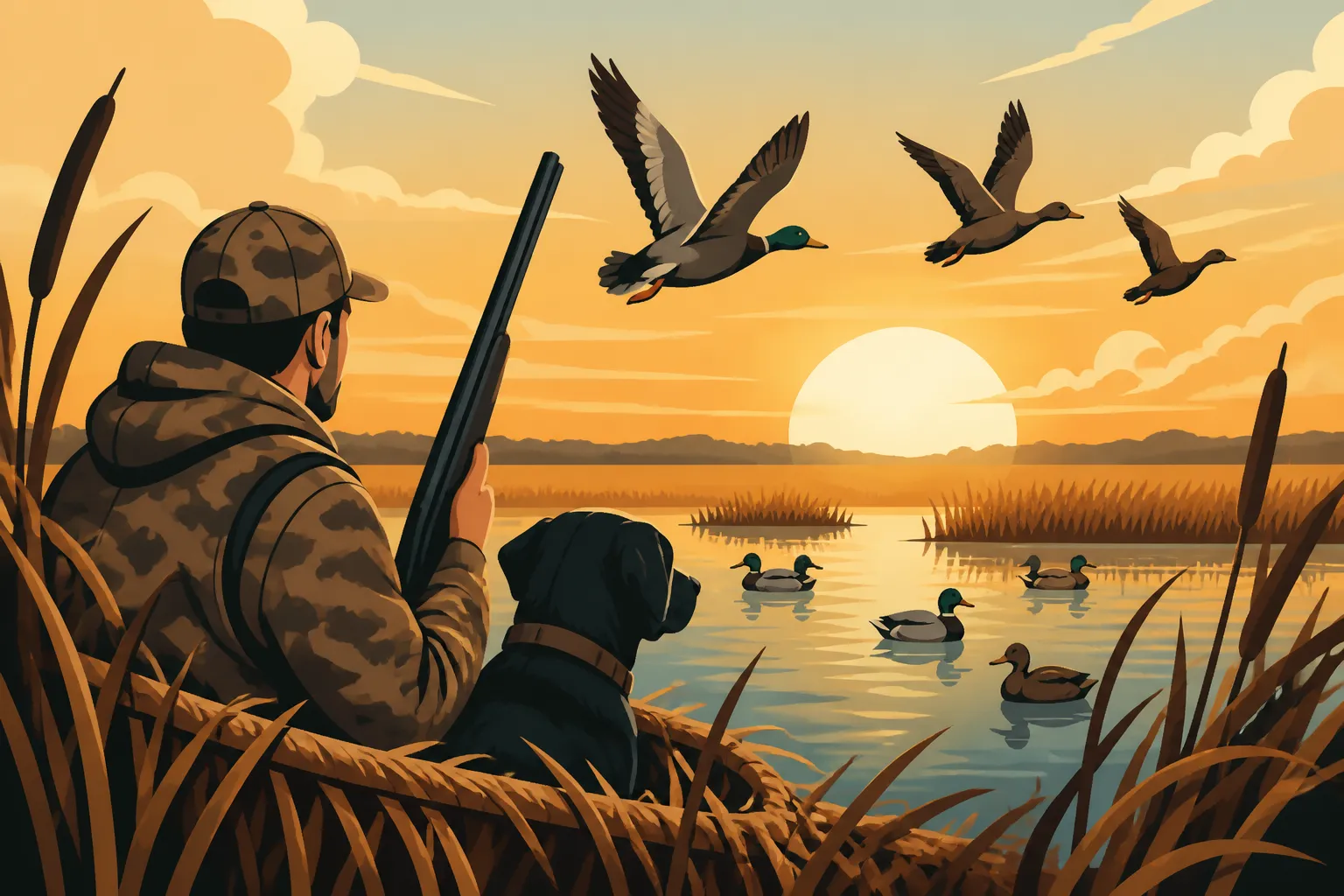
Once you reach your target area, the real marsh work begins. For waterfowl, this might mean motoring to a pre-set blind, often a custom-built structure tucked into the reeds or a layout blind strategically placed on a point overlooking open water. For Sika deer, it often involves a combination of boat travel and extensive wading. Your guide will likely drop anchor, and then you'll don your chest waders and follow them, sometimes pushing through thick Phragmites or crossing exposed mudflats. This is where you understand the importance of good waders and a strong back! Marsh Hunting Sika Deer by Boat can get you into remote areas, but the final approach is often on foot.
Your guide will lead you to a spot they've scouted, perhaps a strategic point where Sika deer often cross a ditch, or a pinch point along a marsh edge. If you're waterfowl hunting, they'll ensure the decoys are set just right to attract birds flying over. Expect to be immersed in the environment, feeling the soft mud beneath your waders, hearing the rustle of reeds, and smelling the unique aroma of the tidal marsh. It’s an experience that truly connects you to the wildness of Maryland's Eastern Shore.
The Hunt Itself: Strategy and Patience
Marsh hunting demands patience and an understanding of animal behavior in this unique habitat. Whether you're waiting for a Sika stag to respond to a whistle call or anticipating a flock of geese to cup their wings over your decoys, there will be periods of quiet observation. Your guide will be constantly scanning, listening, and adjusting the strategy based on what they're seeing and the changing conditions. For Sika, this might involve Calling Sika Stags During the September Whistle or patiently still-hunting slowly through cover.
Communication with your guide is key during the hunt. They'll advise you on shot angles, when to raise your weapon, and how to stay hidden. For waterfowl, they might call the shots, ensuring everyone is safe and the birds are at an optimal distance. For deer, they'll help you identify legal animals, especially with Maryland's antler point rules. The marsh can be visually challenging, with dense cover and often low light, so trust your guide's expertise in spotting game and directing your attention. It's a team effort, and your guide's experience will significantly increase your chances of success.
After the Shot: Game Recovery and Beyond
Congratulations, you've made a good shot! But in the marsh, the adventure doesn't end when the trigger is pulled. Recovering game from this environment can be one of the most physically demanding and critical parts of the hunt.
Tracking and Recovering Game in Challenging Terrain
If you've harvested a Sika deer or a waterfowl, the next step is recovery, and this is where a guide truly earns their keep in the marsh. Recovering a Deer From a Tidal Marsh is not for the faint of heart. A deer that drops in thick reeds or across a tidal gut can be incredibly difficult to find, even with a solid blood trail. The soft, muddy bottom can quickly obscure tracks, and the dense vegetation limits visibility. Your guide will lead the charge, often employing years of experience to interpret subtle signs and navigate the labyrinthine marsh.
For waterfowl, retrieving birds can also be tricky without a dog or a long retrieve pole. Birds might fall into deep water, get carried by the current, or bury themselves in thick cover. Your guide will have the tools and methods to ensure every effort is made to recover your harvest ethically and efficiently. This part of the hunt often involves more wading, pushing through thickets, and sometimes using the boat for access, all while keeping safety paramount.
Field Dressing and Transporting Your Harvest
Once your game is recovered, your guide will assist with field dressing. For a Sika deer, this is essential to cool the meat quickly, especially if you're hunting in warmer early season conditions. The guide will have the necessary tools and expertise to make this process as efficient as possible, often in less-than-ideal marsh conditions. They'll know the best practices for handling game in the field to preserve the quality of the meat.
Transporting your harvest out of the marsh is another logistical challenge. A Sika deer, while smaller than a whitetail, is still a substantial amount of weight to haul through mud and water. Your guide will have a plan, whether it's using a specialized game cart (if terrain allows), dragging it to the boat, or, in some cases, using the boat itself for retrieval if they can get close enough. This physical effort is part of the unique marsh hunting experience, and your guide's assistance is invaluable in getting your trophy and meat safely back to solid ground. Getting a Stag Out of the Marsh With a Guide involves teamwork and brute strength.
Post-Hunt Logistics: Processing and Taxidermy
Back at the launch, the guide will help unload your gear and game. They'll often have recommendations for local deer processors or waterfowl plucking services if you don't plan to do it yourself. This is an important consideration, as processing facilities can get busy, especially during peak season. Discuss these options with your guide beforehand so you have a plan in place.
If you're fortunate enough to take a trophy, like a beautiful Sika stag, your guide can also advise on local taxidermists. They'll make sure the caping and initial care are done correctly to prepare your animal for the taxidermist, ensuring your marsh memory can be preserved for years to come. Don't underestimate the importance of proper post-harvest care; it's the final step in honoring the animal and the experience.
Making the Most of Your Guided Marsh Experience
A guided marsh hunt in Maryland is more than just a quest for game; it's an immersive dive into one of the state's most distinctive and wild landscapes. To truly appreciate it, you need to approach it with the right mindset.
Communication is Key: Working with Your Guide
Your guide is your partner and expert for the day. Open and honest communication before, during, and after the hunt is crucial. Don't be afraid to ask "stupid questions" – believe me, in the marsh, there are no stupid questions when it comes to safety or strategy. If you're feeling tired, too cold, or have a specific concern, voice it. A good guide wants you to have a safe and enjoyable experience above all else. They are adept at What a Dorchester County Sika Guide Provides, but they can't read your mind.
This partnership extends to managing expectations. The marsh is wild, and game animals don't always cooperate. While a good guide will put you in the best possible position, they can't guarantee a kill. Focus on the experience – the unique habitat, the wildlife encounters, and the challenge of the hunt itself. Success isn't always measured by a full game strap or a big rack, but by the memories made and the lessons learned.
Appreciating the Marsh Ecosystem
One of the most profound aspects of a guided marsh hunt is the opportunity to witness Maryland's incredible marsh ecosystem up close. From the myriad species of waterfowl to the secretive Sika deer, the marsh is teeming with life. Take moments to simply observe your surroundings, listen to the sounds of the marsh, and appreciate the raw beauty of this landscape. You might see a bald eagle soaring overhead, a river otter swimming by, or the unique tracks of various creatures in the mud.
This appreciation also extends to understanding the challenges facing the marsh, from rising sea levels to habitat preservation efforts. Guides who operate in these areas often have a deep knowledge of conservation, and listening to their insights can give you a greater respect for the delicate balance of this environment. It's a chance to connect with nature on a fundamental level, beyond just the act of hunting.
Building Lasting Memories
Ultimately, a guided marsh hunt is about creating unforgettable memories. It's the challenge of Wading Into a Dorchester Marsh Before Daylight, the adrenaline rush of seeing game emerge from the reeds, the camaraderie with your guide, and the satisfaction of a hard-earned harvest. These are the stories you'll tell around campfires for years to come.
Whether you return with a trophy Sika stag or a limit of ducks, the experience of navigating and hunting in Maryland's unique tidal marshes will leave a lasting impression. It’s an adventure that pushes your boundaries, tests your patience, and offers a glimpse into a truly wild corner of the Mid-Atlantic. So, embrace the mud, the water, and the wildness, and get ready for a Maryland marsh hunt unlike any other.
Disclaimer
This article is for general informational purposes only and does not constitute professional advice. Laws, prices and regulations vary by location and change over time. Consult a qualified professional for guidance on your specific situation.