What a Guided Pit Blind Hunt Is Like
Stepping into the world of guided waterfowl hunts can feel a bit daunting, especially if you're picturing yourself hunkered down in a muddy field before dawn, not quite sure what to expect. Many hunters are used to public land adventures or small private woodlots, and the idea of a professionally organized hunt, complete with specialized blinds and decoys, is a whole different ballgame. This guide aims to pull back the curtain on one of the most effective and comfortable ways to chase ducks and geese in Maryland: the guided pit blind hunt, giving you a clear picture of what the experience is truly like from start to finish.
Understanding the Pit Blind Advantage in Maryland
Maryland, especially the flat, fertile farmlands of the Eastern Shore, is renowned for its incredible waterfowl hunting. For many years, hunters simply hid in fence rows or constructed makeshift brush blinds. However, modern waterfowl hunting, particularly for wary geese and ducks, often calls for something more sophisticated. That's where the pit blind comes in, offering a level of concealment and comfort that's hard to beat.
Why Pit Blinds Are So Effective for Waterfowl
The effectiveness of a pit blind really comes down to its seamless integration into the landscape. Unlike a ground blind or even a traditional box blind that sits on the surface, a pit blind is literally dug into the ground. This means its profile is virtually non-existent from a bird's eye view. When a flock of Canada geese or a squadron of mallards is making its final approach, they're looking for anything unnatural. A well-constructed and camouflaged pit blind blends right in with the surrounding stubble, corn stalks, or wheat field.
Beyond concealment, pit blinds offer significant advantages in terms of comfort, especially during those long, cold Maryland winter mornings. Being subterranean means they often stay warmer than above-ground blinds, shielded from the biting wind that sweeps across the Eastern Shore. Many modern pit blinds are even equipped with heaters, offering a cozy retreat where you can truly focus on the hunt without shivering uncontrollably. This added comfort allows hunters to remain still and alert for longer periods, increasing their chances of success. It's a game-changer when you're waiting on those big honkers to commit.
What to Expect from the Setup
When you book a guided pit blind hunt, you're not just getting a place to sit; you're tapping into years of scouting, habitat knowledge, and strategic planning. The guide will have already identified prime feeding areas where ducks and geese are consistently working. This means your pit blind is likely situated in a key location, perhaps along a major flight path or in a field where birds have been observed feeding regularly.
The actual setup involves much more than just the blind itself. Around the pit, you'll find an elaborate decoy spread. This isn't just a handful of decoys tossed haphazardly. We're talking about dozens, sometimes hundreds, of lifelike full-body goose or duck decoys, strategically placed to mimic a flock feeding and resting naturally. The guide will spend time ensuring these decoys are set to create the most enticing illusion possible, often taking wind direction and light conditions into account. They might use different species of decoys depending on what birds are in the area, from Canada geese and snow geese to mallards and pintails. Beyond decoys, guides often employ motion devices, like spinning wing decoys for ducks or flappers and flags for geese, to add a dynamic element to the spread, drawing even more attention. Think of it as painting a picture that perfectly fools incoming birds.
The Hunt Day Experience: From Dark to Daylight
A guided pit blind hunt isn't just about the shooting; it's an immersive experience that begins long before the sun even hints at rising. There's a ritual to it, a carefully orchestrated series of events designed to maximize your chances and provide a truly memorable day afield.
Pre-Dawn Preparations and the Morning Drive
Your hunt will likely start with a pre-dawn meeting, often at a designated gas station, coffee shop, or the outfitter's lodge. This is where you'll meet your guide and fellow hunters. There's an undeniable buzz in the air at this hour – the scent of coffee, the quiet excitement, and the anticipation of what the day might bring. Make sure you've layered your clothing appropriately, because even if the pit blind is warm, those moments outside can be brisk. For tips on managing your approach, read up on Entry Routes Through Cut Corn Before Daylight.
After a quick introduction and perhaps a safety briefing, you'll pile into the guide's vehicle, often a sturdy pickup truck or UTV, and head out to the hunting location. This drive, sometimes in complete darkness, can be part of the adventure itself, traversing muddy farm roads or vast fields. Once you reach the general area, you'll grab your gear – shotgun, shells, bag, and anything else you need – and make the short walk to the pit. The guide will direct you into the blind, ensuring everyone is settled, safe, and ready before legal shooting light arrives. It's usually a tight squeeze, but that just adds to the camaraderie.
The Action: Decoying, Calling, and Shooting
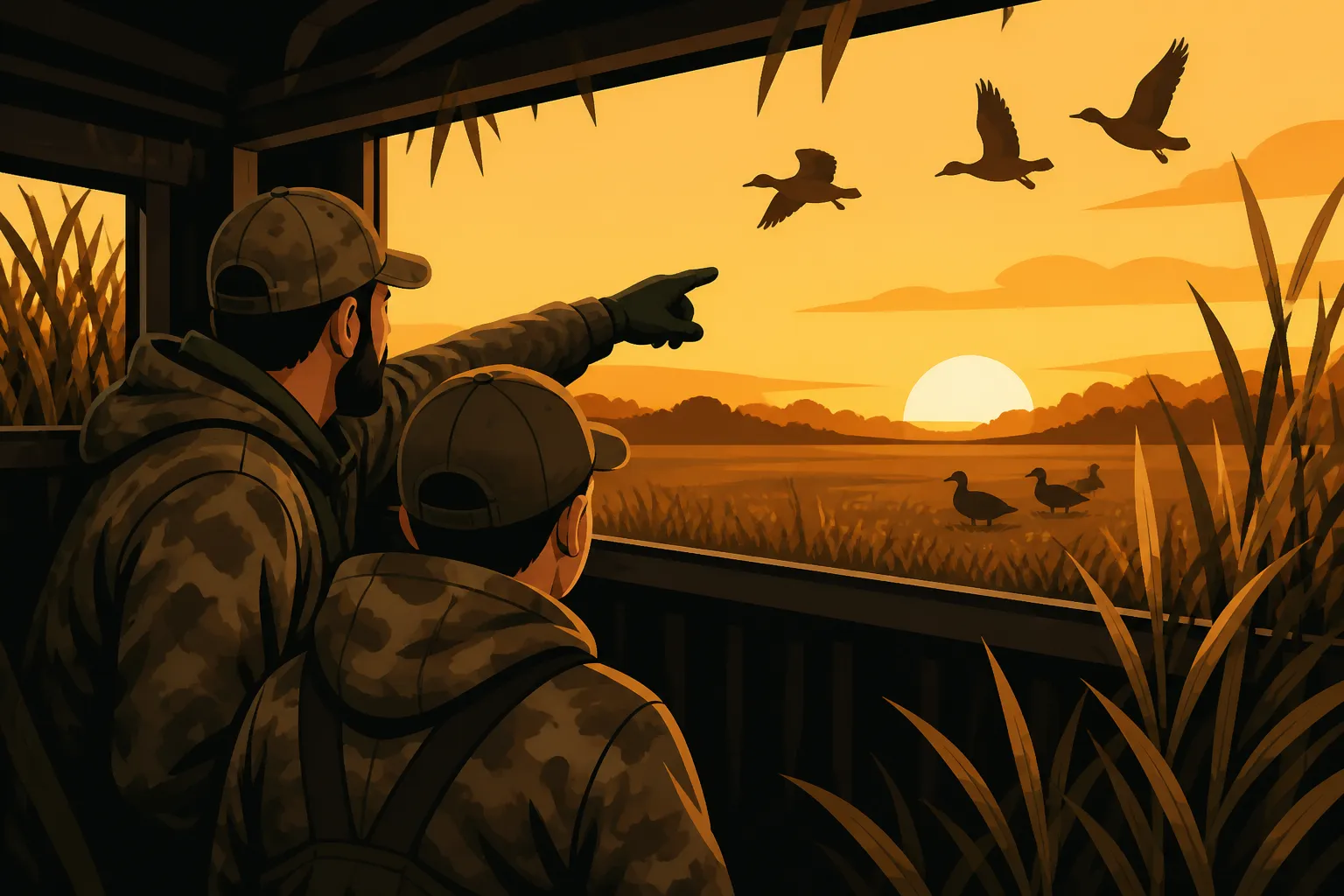
As dawn breaks and legal shooting light creeps in, the real magic begins. Your guide isn't just a driver; they're an expert strategist. They'll be watching the skies, identifying distant specks that might turn into full-fledged flocks, and orchestrating the show. Their calling is often uncanny, mimicking the realistic chatter of geese or the excited quacks of ducks, drawing them closer to the meticulously crafted decoy spread. You might see them using various flags or motion decoys, subtly working them to simulate movement in the field, further convincing wary birds. This isn't just honking and quacking; it's a nuanced conversation with the birds.
When the guide identifies a flock that's committing, they'll often give a hushed instruction, signaling when to get ready and when to rise and shoot. Communication is key here. Everyone in the blind needs to be on the same page, listening intently to the guide's cues. Shot selection is crucial; remember, it's about making clean, ethical shots on birds within range, not sky-busting. Safety is paramount – always be aware of your muzzle direction and the position of your fellow hunters. It’s an exhilarating rush when a flock of Canada geese on Maryland's Eastern Shore cups its wings and commits to the spread, dropping right into your lap.
Post-Shoot Procedures and Bird Retrieval
Once the shooting ceases for a particular flock, the work isn't quite over. If you have a retrieve dog in the blind, which many Maryland guides employ, you'll get to watch that incredible animal work. Watching a well-trained retriever bound out into the field, find a downed bird, and bring it back to hand is a true joy of waterfowl hunting. If no dog is present, the guide (or hunters, if safe and practical) will retrieve the birds. This is also a good time to reload your shotgun, share high-fives, and recount the excitement of the last volley.
Between flights, there's often a period of relative quiet. This is when the camaraderie really shines. You might share stories, grab a snack, or just simply enjoy the crisp morning air and the subtle sounds of the marsh. The guide might also use this time to adjust decoys, check for incoming birds, or just keep spirits high. It’s a chance to truly soak in the experience, away from the hustle and bustle of everyday life, before the next flock appears on the horizon, signaling another round of action.
Essential Gear and Expectations for Your Hunt
Preparing for a guided pit blind hunt means more than just throwing your gun in the truck. Knowing what to bring and understanding the unwritten rules of the blind will ensure a smoother, more enjoyable experience for everyone involved.
Personal Gear: What to Bring and What to Leave Home
When heading out for a guided pit blind hunt in Maryland, a little preparation goes a long way. First and foremost, you'll need your shotgun. A 12-gauge is standard for waterfowl, and ensure it's clean and in good working order. Choke selection is important; your guide might have recommendations, but generally, a modified or improved modified choke is a versatile choice for decoy ranges. As for shells, bring plenty! Expect to use steel shot or other non-toxic alternatives, as lead shot is prohibited for waterfowl. Your guide can advise on specific shot sizes, but for geese, BBs or 2s are common, while for ducks, 3s or 4s are popular.
Next, think comfort and protection from the elements. Waterproof, insulated clothing is a must, even inside a heated pit blind. You'll be spending hours in potentially cold, damp conditions. Layers are your best friend, allowing you to adjust to temperature changes throughout the day. Waterproof boots are essential for the walk to and from the blind, which can involve muddy fields. Don't forget eye and ear protection; even in the heat of the moment, protecting your senses is crucial. A small backpack with snacks, a thermos of coffee or hot chocolate, and water is always a good idea. And, of course, your Maryland Hunting Licenses and What They Cost and Maryland Migratory Bird Stamp Requirements must be current and readily available. Leave anything overly bulky or noisy at home; space in a pit blind is often at a premium.
Guide Responsibilities and Hunter Etiquette
A guided hunt is a partnership. Your guide has specific responsibilities, and as a hunter, you have certain expectations to meet to ensure a successful and safe outing. The guide is responsible for providing a safe hunting environment, setting up the blind and decoys, calling the birds, identifying species, and often providing a retrieve dog. They are the field commander, making decisions based on their extensive knowledge of bird behavior, weather conditions, and the specific property. They're also your source of local information, like finding the right spot to pick up your Bonus Antlered Deer Stamp Cost if you're planning a deer hunt later.
As a hunter, your primary responsibility is to listen to and follow the guide's instructions explicitly. This isn't the time to freestyle your calling or try to call the shot. The guide will tell you when to get ready, which birds to target, and when it's safe to shoot. Good blind etiquette means staying still and quiet, minimizing movement, and keeping your eyes on the sky. Only shoot at birds that are within your effective range and that the guide has called for. Be mindful of your shooting lanes and the positions of other hunters. After the hunt, it's customary to assist with gathering decoys if asked and, of course, to appropriately tip your guide. For guidance on this, see How Much to Tip a Waterfowl Guide. Remember, a happy guide is a guide who wants to hunt with you again!
Finding and Booking Your Pit Blind Adventure
Deciding a guided pit blind hunt is right for you is the first step; the next is finding the right outfitter and booking your trip. Maryland has a fantastic array of waterfowl guides, particularly on the Eastern Shore, but knowing how to sift through the options can be tricky.
Researching Maryland Waterfowl Outfitters
Starting your search for a reputable Maryland waterfowl outfitter involves a bit of homework. Online searches are a great place to begin, but don't stop there. Look for outfitters with professional websites that clearly outline their services, what's included, and their philosophy. Pay attention to testimonials and reviews, but also take them with a grain of salt – sometimes the internet can be a mixed bag. Personal recommendations from other hunters you trust are often the most valuable. Attending outdoor shows or connecting with local hunting groups can also provide excellent leads.
When you're ready to start narrowing down your choices, don't hesitate to call potential outfitters. Have a list of questions ready: What's their experience level? How many years have they been guiding in the area? What kind of success rates do they typically see (and understand that "success" can mean different things, it's not always just about limits)? What's the typical group size? Do they use dogs? What specific species do they target? Sometimes, dedicated platforms like BookYourHunt can help you compare options and read verified reviews, while resources like GoHunt might offer insights into different hunting opportunities. It’s also wise to inquire about their adherence to Maryland Waterfowl Zones and Season Dates, ensuring they operate within legal frameworks.
Understanding Pricing and Inclusions
The cost of a guided pit blind hunt in Maryland can vary significantly based on the outfitter, the duration of the hunt, and what's included. Generally, you'll find pricing structured either per person, per day, or as a package deal for multiple days. While I can't give you exact figures, expect guided waterfowl hunts to be an investment in a high-quality experience. You can find more specific information on cost by checking out Maryland Goose Hunt Prices Per Gun.
Typically, the guide fee covers the use of the pit blind, the extensive decoy spread, the guide's expertise in calling and bird identification, and often the use of a trained retriever. Some outfitters might include lunch or beverages, while others might offer lodging as part of a multi-day package. What's almost always not included are your personal hunting license and stamps, shotgun shells, gratuities for the guide, and any meat processing or taxidermy services. Always clarify upfront exactly what's included in the price and what you'll be responsible for. Ask about deposit requirements and their cancellation policy, especially for weather-related issues. This transparency ensures there are no surprises on either end and allows you to budget accordingly for your incredible Maryland waterfowl adventure.
Disclaimer
This article is for general informational purposes only and does not constitute professional advice. Laws, prices and regulations vary by location and change over time. Consult a qualified professional for guidance on your specific situation.