Outfitters Who Handle Deer Registration
After the thrill of a successful deer hunt in Maryland, whether it's a hefty whitetail buck from the western mountains or a hard-earned sika stag from the marshes, the last thing anyone wants to deal with is a complicated registration process. Many hunters, especially those visiting from out of state or new to the local regulations, find themselves stressed about fulfilling the mandatory reporting requirements, often when they're tired, muddy, and just want to celebrate. This guide will walk you through why deer registration can be a headache, how a reputable Maryland outfitter can seamlessly handle this crucial step for you, and what to look for when choosing a service that offers this invaluable assistance.
The Post-Hunt Hurdle: Why Deer Registration Can Be a Stressor
You've just wrapped up an incredible day in the field. Maybe you finally connected with that mature buck you've been chasing all season, or perhaps you navigated the tricky tidal marshes to bag your first sika. The adrenaline is pumping, you're exhausted, and all you want to do is grab a good meal, tell your hunting buddies the story a dozen times, and perhaps begin the process of field dressing your animal. What often gets overlooked in that immediate post-harvest euphoria is the mandatory deer registration, a requirement that, if not completed correctly and on time, can lead to serious issues.
Maryland has specific rules around how and when you need to register your deer, and these aren't always intuitive, especially if you're not from the area or if it's your first time hunting here. There's a strict deadline – typically 24 hours from the time of harvest – and the process involves either an online portal or a phone call. For hunters who are deep in a remote area, dealing with spotty cell service, or who simply aren't tech-savvy, this can be a real point of anxiety. It's not just about getting it done; it's about getting it done right, ensuring all the information, from your license details to the specific weapon used and the county of harvest, is accurate. Neglecting this step means your harvest isn't legally recorded, and that's a situation no hunter wants to find themselves in. For more detail on the specific timeline, check out How to Register a Deer Within the Deadline.
Understanding Maryland's Registration Requirements
Maryland's Department of Natural Resources (DNR) requires all deer harvests to be registered. This isn't just a suggestion; it's a legal mandate designed to help the state manage its deer populations, track harvest data, and monitor herd health. The primary methods for registration are through the COMPASS online portal or via a toll-free phone number. When you register, you'll need to provide details such as your customer ID number (from your hunting license), the date and time of harvest, the county, the weapon used, and whether the deer was antlered or antlerless. You'll also need to input the specific tag number from your physical license that corresponds to the deer you're registering.
Once successfully registered, you'll receive a confirmation number. This number is your proof that the deer has been legally reported, and you absolutely must write it down on your tag and attach it to the deer. Losing this number or failing to register can create a mess, particularly if you encounter a conservation officer in the field or during transport. Imagine driving home after a fantastic hunt, only to realize you forgot to register your deer, or worse, put down incorrect information. It's a quick way to turn a memorable trip into a stressful ordeal. Understanding your full licensing requirements, including specific stamps, is also key; you can learn more by reading Maryland Hunting Licenses and What They Cost.
The Challenges for Out-of-State and Busy Hunters
For many nonresident hunters, the logistics of a Maryland deer hunt are already complex. You've traveled, possibly rented lodging, and are navigating unfamiliar territory. The last thing you want to worry about is finding a reliable internet connection or making a phone call to a state agency when you're tired and perhaps covered in mud after a long recovery. There's also the pressure of the 24-hour window, which can feel incredibly tight if you harvest a deer late in the day and then have to deal with field dressing, quartering, and potentially a long drive back to camp or lodging.
Even for resident hunters, life can get in the way. Work, family commitments, or just the desire to relax after a successful hunt can make the registration task feel like a chore. That's where a quality outfitter steps in as more than just a guide to the game. They become an invaluable asset, handling those essential administrative duties that can otherwise detract from the joy of the hunt. They understand the local regulations implicitly and have the resources to ensure everything is done by the book, alleviating a significant burden from your shoulders.
What a Maryland Outfitter Can Do (and Can't Do) for Deer Registration
When you book a guided hunt, you're paying for expertise in finding game, knowledge of the land, and assistance with the hunt itself. But the best outfitters go beyond that, offering services that make the entire experience smoother, including helping with post-harvest logistics like deer registration. While they can't magically make the deer appear, they can make the necessary paperwork disappear from your worry list.
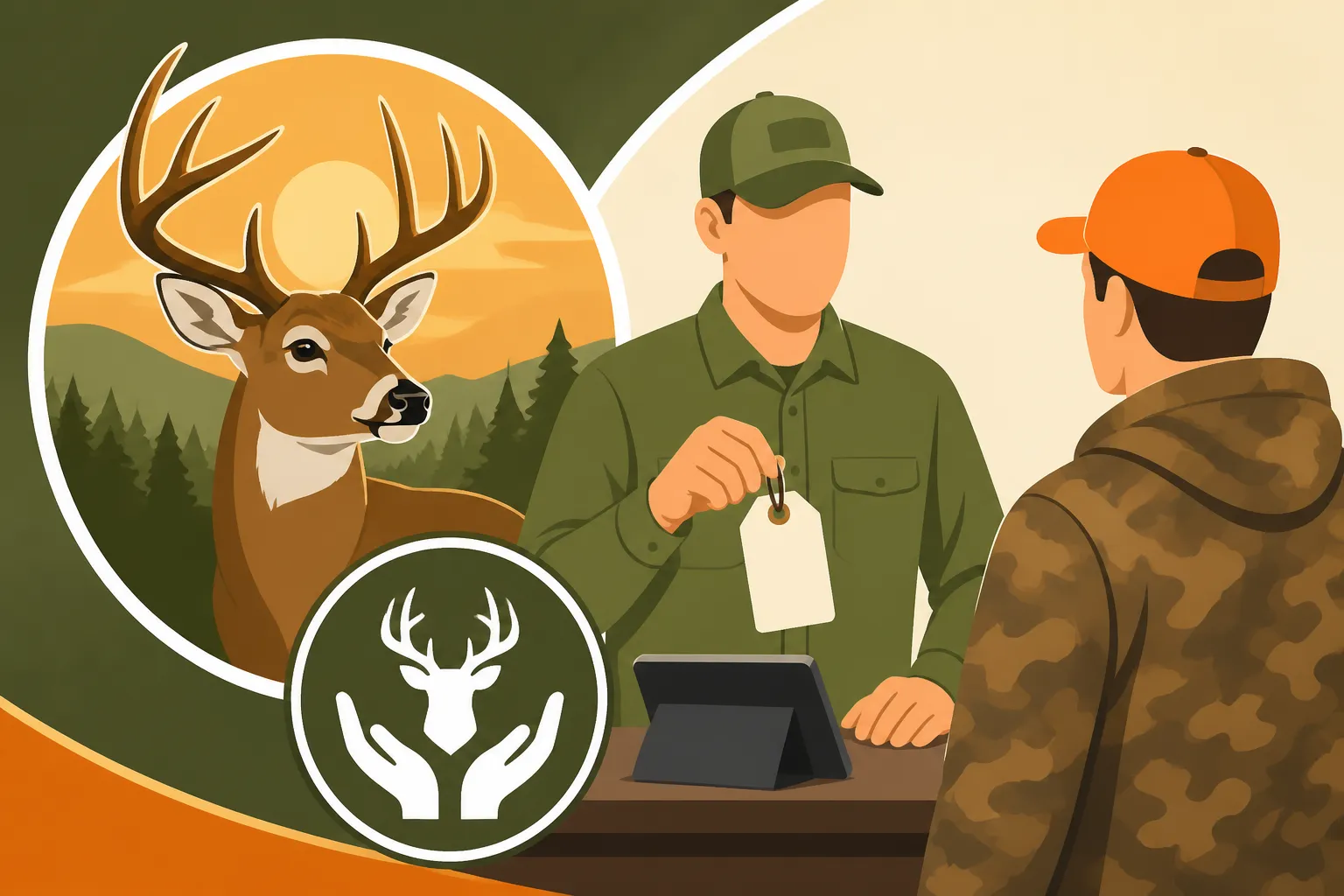
A reputable outfitter can act as your administrative assistant, performing the actual registration on your behalf. This is a huge convenience, especially if you're hunting in a remote area with limited cell service or if you simply prefer to focus on the camaraderie and the memories of the hunt. They understand the nuances of the Maryland DNR's COMPASS system and know exactly what information is required to ensure a smooth, compliant registration. This means you can focus on the important tasks of field dressing, transporting your deer, and perhaps heading straight to a processor, rather than hunting for a signal or stressing over a deadline. You can explore the online system further by checking out Registering a Deer Through the COMPASS Portal.
The Outfitter's Role: Assistance, Not Assumption of Responsibility
It's crucial to understand the distinction: an outfitter assists you with registration; they do not take over your legal responsibility. The deer is yours, and the ultimate responsibility for its legal registration rests with you, the hunter. However, a good outfitter will use your provided license and tag information to complete the registration process accurately and on time. They will input your customer ID, select the correct weapon and county, and ensure that the tag number from your physical license (which you should always have with you, as outlined in Maryland Hunter Education Requirements) is properly recorded.
What an outfitter cannot do is register the deer under their own name or without your valid license and tag. They also cannot register a deer that hasn't been legally harvested by you. Their role is to facilitate the administrative process, ensuring all the correct information is submitted. They'll obtain the confirmation number and often provide it to you directly, or even attach a pre-printed sticker or note to your tag with the number, so you can easily affix it to your deer. This seamless handling allows you to fully enjoy the culmination of your hunt without the added stress of bureaucratic details.
The Power of a Confirmation Number
Once the outfitter registers your deer, they will receive a Maryland DNR confirmation number. This number is vital. It serves as your official proof that the deer has been legally harvested and reported. Imagine the relief of knowing this has been handled while you're still reveling in your success. The outfitter will make sure you get this number, as it must be recorded on your physical deer tag and affixed to the carcass. This is especially important for What a Deer Confirmation Number Is For during transport or if you need to provide proof to a processor or taxidermist.
It's a simple, yet incredibly valuable service that differentiates a truly full-service outfitter from one that simply puts you on game. It allows you to transition from the field to the next steps of meat processing and trophy care with confidence, knowing you're in compliance with Maryland's regulations.
Table: Self-Registration vs. Outfitter-Assisted Registration
| Feature | Self-Registration | Outfitter-Assisted Registration |
|---|---|---|
| Convenience | Requires hunter to find signal/internet, focus on task | Handled by outfitter; allows hunter to relax/focus on other tasks |
| Time Constraint | Hunter must meet 24-hour deadline personally | Outfitter ensures timely completion on hunter's behalf |
| Accuracy | Hunter responsible for all data entry | Outfitter, familiar with process, ensures accurate submission |
| Required Info | Hunter's license, tag, harvest details | Hunter provides license/tag info to outfitter |
| Confirmation | Hunter receives confirmation directly | Outfitter receives, provides confirmation to hunter |
| Peace of Mind | Can be stressful if unfamiliar or in remote areas | Significantly reduced stress, especially for non-residents |
Choosing an Outfitter Who Offers Registration Services
Finding an outfitter who goes the extra mile to handle deer registration can greatly enhance your hunting experience. It's not a universal service, so it’s essential to ask the right questions upfront. This small detail can make a big difference, especially for multi-day hunts or when you have tight travel schedules. When you're searching for a guided hunt, whether for a Sika Deer Hunting in Maryland's Tidal Marshes adventure or a Black Bear Hunting in Western Maryland trip, make sure to add this service to your list of requirements.
Many hunters start their search on reputable online platforms and directories. Websites like BookYourHunt and GoHunt often list various outfitters and their services, including whether they assist with post-hunt logistics. While these platforms are fantastic resources, always cross-reference the information and speak directly with the outfitter to confirm what's included in their package. Look for guides who emphasize comprehensive service and client support beyond just the hunt itself. You can find more general advice on vetting services by reading Questions to Ask Before Booking.
What to Ask Before You Book
When you're talking to potential outfitters, be direct and specific about your needs regarding deer registration. Here are a few key questions to consider:
- "Do you assist with the mandatory deer registration after a successful harvest, or is that solely the hunter's responsibility?"
- "If you do assist, what information do you need from me (e.g., my hunting license number, specific tag details)? Will I need to be present or provide digital copies?"
- "How do you ensure I receive the official DNR confirmation number once the deer is registered?"
- "What is your typical process for handling this for clients, especially for those of us coming from out of state?"
- "Is this service included in the standard guide fee, or is there an additional charge?" (Often it's just part of their excellent service, but it's always good to clarify.)
A professional outfitter who offers this service will have clear, confident answers to these questions and will be happy to explain their process. They understand that helping with registration is part of providing a truly stress-free and positive hunting experience. Whether you're hunting for White-Tailed Deer in Maryland or specifically targeting sika, this service can make your hunt much more enjoyable.
The Value for Nonresident Hunters
For nonresident hunters, this service is particularly valuable. You're likely navigating unfamiliar territory, perhaps driving a long distance home, and dealing with potential challenges like limited cell service in rural areas. Having an outfitter handle the registration means you don't have to scramble for Wi-Fi or worry about calling a state agency from a remote location. It simplifies your departure and ensures you remain in compliance with Maryland law without adding extra pressure to your travel plans.
Furthermore, many outfitters are highly experienced with the paperwork and specifics for nonresident hunters, including special stamps or permits you might need, such as the Maryland Sika Deer Stamp Rules if you're hunting sika. They can often guide you on everything from Nonresident Licensing Through an Outfitter to understanding the antler point restrictions that may apply depending on the Maryland's Statewide Antlered Deer Bag Limit. This expertise can be a lifesaver for those unfamiliar with Maryland's nuanced hunting regulations.
Beyond Registration: Other Post-Hunt Services to Consider
While deer registration assistance is a fantastic benefit, many top-tier Maryland outfitters offer an array of post-hunt services that further enhance your experience. These services often streamline the entire process from the field to your freezer or taxidermist, allowing you to simply focus on the memories of your successful hunt. The true value of a guided hunt extends well beyond the moment of the shot; it encompasses the entire journey, including what happens after the animal is down. For instance, knowing what a Maryland guided deer hunt costs can help you determine what services are usually included.
Think about the logistical chain: after registration, what's next? For most hunters, it's field dressing, transport, processing, and potentially taxidermy. A truly comprehensive outfitter understands these subsequent steps and often has established relationships with local businesses to make these transitions seamless. This integrated approach ensures that your hunting adventure remains enjoyable and hassle-free from start to finish.
Game Recovery and Field Dressing Assistance
After you've harvested a deer, the work truly begins. Recovering the animal, especially in dense cover like a marsh or thick timber, can be physically demanding. Many outfitters provide critical assistance with game recovery, often having specialized equipment like ATVs, marsh boats, or even trained dogs to help locate and extract your deer. This is particularly invaluable when hunting in challenging environments such as Hunting Fishing Bay's Marsh Guts by Boat or deep in the mountains.
Once recovered, field dressing is a necessary step to properly care for the meat. A good guide will not only assist with field dressing but can also offer expert advice on how to do it efficiently and cleanly, preserving the quality of the venison. For some hunters, especially those new to the sport, learning proper field dressing techniques from an experienced guide is an invaluable part of their hunting education.
Connecting You with Processors and Taxidermists
After field dressing, the next step is usually getting your deer to a reputable processor. Many outfitters have established relationships with local butchers who are accustomed to handling game, especially during peak hunting season. They can often transport your deer directly to a processor or provide recommendations and directions, saving you precious time and research. Knowing Finding a Processor Near Your Maryland Hunt is a significant convenience.
Similarly, if you've harvested a trophy animal, you'll want to preserve it with a taxidermist. Outfitters often work with skilled taxidermists in the area and can help you with initial caping and preparation for a mount. They can provide advice on how to properly care for your trophy in the field to ensure it's in the best condition for the taxidermist. For specific guidance on trophy preparation, you might want to look at Getting a Sika Stag Mounted. Remember that a portion of the fee you pay for these services often goes back to supporting local businesses, a win-win for everyone involved in the hunting community.
Tips and Etiquette Considerations
When an outfitter provides these invaluable services, it's customary to show your appreciation through a tip. Just like with any service industry, a guide works hard to ensure your success and comfort. While specific amounts can vary, a good rule of thumb is to tip a percentage of the hunt cost, reflecting the effort and quality of service. This includes their efforts in handling registration and other post-hunt logistics. You can learn more about standard practices by reading Tipping a Maryland Guide. Acknowledging their comprehensive support ensures a positive experience for both you and the outfitter, fostering goodwill and encouraging them to continue offering such beneficial services to future hunters.
Disclaimer
This article is for general informational purposes only and does not constitute professional advice. Laws, prices and regulations vary by location and change over time. Consult a qualified professional for guidance on your specific situation.