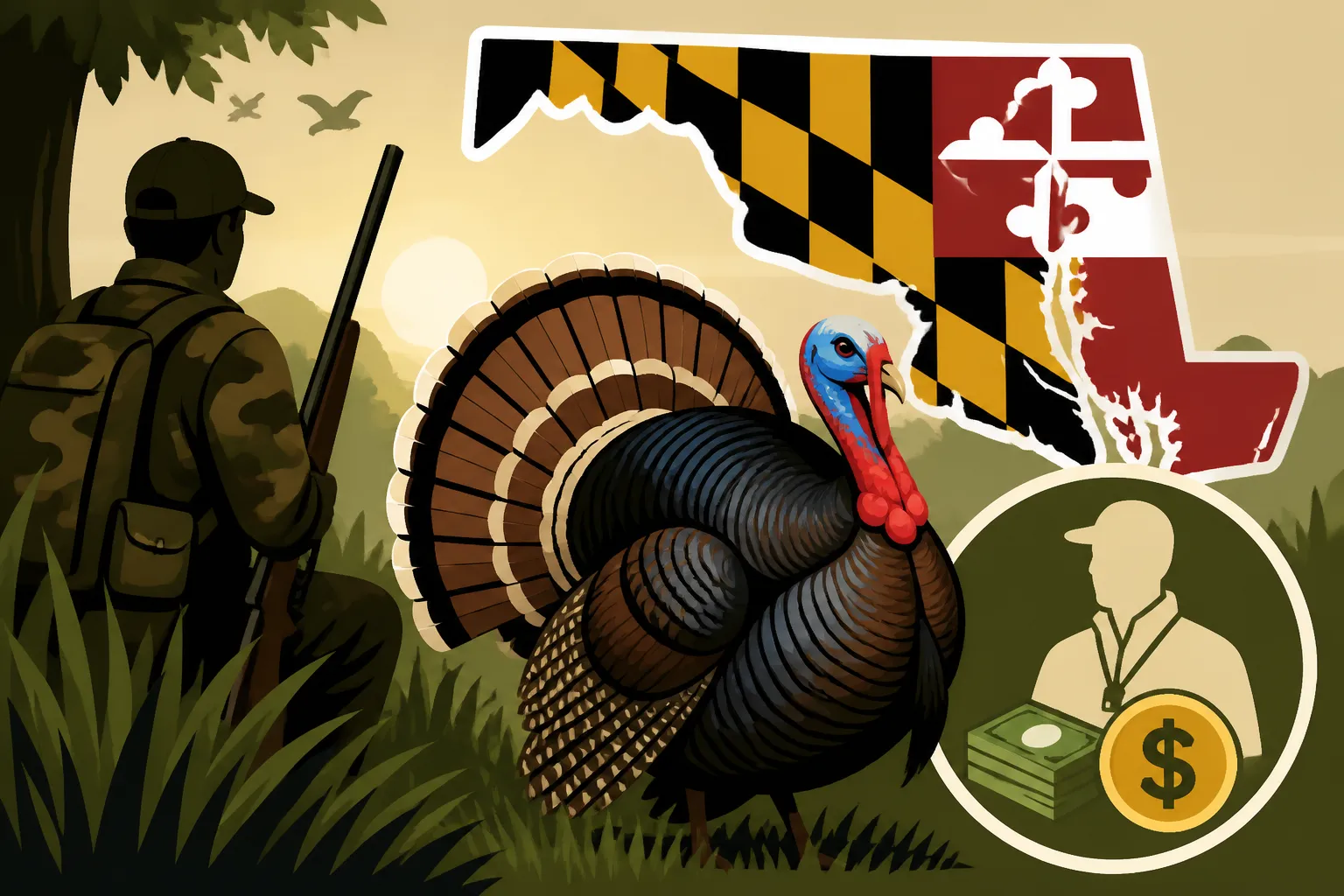
Maryland Turkey Guides and What They Cost
The thought of chasing a wary gobbler across Maryland's diverse landscapes, from the rolling hills of the west to the farmlands of the Eastern Shore, is incredibly exciting for many hunters. But let's be honest, finding prime turkey ground, understanding local bird behavior, and consistently putting yourself in a position to seal the deal can feel like a monumental task, especially if you're new to the area or have limited time. This comprehensive guide is here to demystify the world of Maryland turkey guides, helping you understand their services, what they cost, and how to pick the perfect partner for your next spring or fall adventure.
The Appeal of a Guided Turkey Hunt in Maryland
There's a special kind of thrill that comes with calling in a gobbler, hearing that thunderous response, and watching him strut into view. But for many, especially those new to Maryland's unique turkey hunting scenarios, that vision can feel distant. That's where a seasoned Maryland turkey guide steps in, transforming a potentially frustrating outing into a highly educational and often successful experience. It's not just about harvesting a bird; it's about gaining an invaluable education and soaking in the rich hunting culture of the Old Line State.
Why Hunters Seek Professional Guidance
Let's face it, hunting wild turkeys in Maryland presents a unique set of challenges. Unlike some regions, Maryland's turkey populations, while healthy, often inhabit fragmented habitats—a mix of agricultural fields, small woodlots, and suburban fringes. This means birds can be pressured, move through property lines quickly, and demand a keen understanding of their patterns. For hunters visiting from out of state, or even local hunters who are new to turkey hunting, navigating these complexities can be overwhelming. A professional guide offers immediate access to prime, often private, hunting ground, saving you countless hours of scouting and door-knocking. They've already done the homework, located the roosts, and identified the travel corridors, giving you a significant edge.
Beyond access, there's the knowledge factor. Guides have spent years, sometimes decades, honing their craft on specific properties and understanding the local birds. They know which calls work best on particular days, how to set up blinds effectively, and how to read the subtle cues of a cautious gobbler. For many, a guided hunt is an accelerated learning experience, offering insights into turkey behavior, calling techniques, and woodsmanship that would take years to acquire independently. It's an investment in skill development as much as it is in a hunting opportunity.
Understanding Maryland's Turkey Hunting Landscape
Maryland's turkey hunting landscape is far more varied than many people realize. From the steep, forested ridges of Western Maryland in counties like Garrett and Allegany, to the expansive farmlands and smaller woodlots of the Eastern Shore, Central, and Southern Maryland, turkey behavior can differ greatly. In the mountains, birds might roam larger tracts of timber, often requiring more aggressive scouting and tracking. On the Eastern Shore, they might be tied to specific roosts near grain fields, moving predictably between feeding and roosting areas. Maryland Wild Turkey Population Trends show us that these populations are generally strong, but localized pressures and habitat can make a big difference.
Guides specialize in these regional differences. A guide operating in Dorchester County for sika deer might also have excellent private land access for turkeys that utilize the same mixed timber and field edges. Conversely, a guide in Allegany County would focus on the unique challenges of public and private forest lands. This localized expertise is crucial. They understand the patterns of "farm birds" versus "mountain birds," which can be worlds apart in terms of call response, wariness, and preferred habitat. This deep understanding of local patterns and pressures is a primary reason hunters turn to guides.
The Unique Challenges Maryland Turkeys Present
Maryland turkeys, especially those on private land, can be incredibly challenging. They often face pressure not just from hunters, but also from predators like coyotes and foxes. This pressure can make them "call shy" or incredibly difficult to decoy. You might hear a gobbler sound off from the roost, but getting him to commit and walk into your setup is a different story entirely. Many hunters describe Maryland gobblers as educated, wary birds that require patience and precise execution.
Furthermore, Maryland's spring turkey season, while generous, often runs alongside other outdoor activities, meaning more human presence in the woods. Early season birds might be more susceptible, but by mid-season, gobblers have heard every trick in the book. When Maryland Gobblers Start Strutting is a critical piece of timing, but even during peak strut, these birds demand respect. A guide brings a strategic advantage, often having multiple properties or setups to pivot to if a particular bird proves too stubborn or conditions change. They adapt to weather, bird movement, and pressure, maximizing your chances for a successful encounter.
Types of Maryland Turkey Guide Services
When you start looking for a Maryland turkey guide, you'll quickly discover that not all services are created equal. Just like turkey hunters themselves, guides offer a variety of experiences tailored to different skill levels, budgets, and desires. Understanding these distinctions is key to finding the perfect fit for your hunt. Whether you're a seasoned veteran looking for a unique challenge or a complete beginner hoping to learn the ropes, there's likely a guiding service designed with you in mind.
Full-Service Guided Hunts: What to Expect
A full-service guided turkey hunt in Maryland is truly the "done-for-you" experience. Typically, this package includes everything you need from start to finish, short of your personal gear and license. You'll often be picked up at your lodging (which might even be part of the package at a hunting lodge or farmhouse), transported to the hunting property, and accompanied by your guide for the entire hunt. This means the guide will handle all the calling, set up the blinds or decoys, and direct your movements. Their expertise is your biggest asset here.
These hunts are perfect for beginners who want maximum instruction and assistance, or for experienced hunters who simply want to relax and let a local expert put them on birds. The guide will likely scout extensively beforehand, often knowing specific roost trees or feeding areas. They'll adjust strategies on the fly based on bird activity, weather, and pressure. You can expect a high level of personalized attention, with the guide offering tips on everything from gun placement to proper camouflage. Post-harvest, they'll usually assist with field dressing and getting your bird registered, often taking care of the transportation to a local processor if you choose. For many, the peace of mind that comes with a full-service experience is well worth the investment.
Semi-Guided Options for the Independent Hunter
For hunters who prefer a bit more autonomy but still want the benefits of local knowledge and access, a semi-guided hunt is a fantastic middle-ground. In this scenario, the guide typically provides access to prime, pre-scouted private land. They'll often show you the property boundaries, point out known roosting areas, feeding locations, and general turkey patterns. They might even drop you off at a specific spot before dawn, giving you directions on where to set up. From there, you're largely on your own for the calling and execution of the hunt.
The guide might be available for phone consultation throughout the day or check in periodically, but they won't be in the blind with you every minute. This option is ideal for hunters who are confident in their calling abilities and woodsmanship but lack the time or resources to scout private land extensively. It provides the crucial element of access without the higher cost of a full-service guide. You get the benefit of hunting quality ground that is likely less pressured than public land, with the freedom to hunt it your way. This also often means you'll be responsible for your own field dressing and retrieval, though the guide might assist with transport out of the field if you're successful.
Day Hunts vs. Multi-Day Packages
Maryland turkey guides generally offer two main types of booking structures: day hunts and multi-day packages. Each has its pros and cons, largely depending on your budget, time commitment, and desired experience.
-
Day Hunts: A day hunt is exactly what it sounds like – a single day dedicated to hunting turkeys with a guide. This is often the most affordable option upfront and can be a great way to "test the waters" with a particular guide or simply enjoy a single outing. It's also perfect for local hunters who don't need lodging or want to fit a hunt into a tight schedule. However, turkey hunting can be unpredictable; one day might offer perfect conditions and active birds, while the next might be quiet. A single day might not be enough to account for challenging weather, pressured birds, or a tough gobbler that needs multiple attempts. If conditions aren't ideal on your chosen day, you might leave disappointed.
-
Multi-Day Packages: Multi-day packages, ranging from two to five days, offer a much more comprehensive experience. These are typically favored by out-of-state hunters who are traveling a long distance and want to maximize their chances. A multi-day booking allows for flexibility. If the weather turns foul, or the birds are quiet on day one, you have additional opportunities to adapt and try different strategies or locations. Guides can use the extra time to observe patterns, move to different properties, or adjust calling tactics. Many multi-day packages also include lodging, which simplifies travel logistics considerably. While the upfront cost is higher, the increased opportunity and often included amenities make it a popular choice for a dedicated turkey hunting trip. You might even find guides offering these types of packages on platforms like BookYourHunt or GoHunt, where you can compare inclusions and pricing from various Maryland outfitters.
Deconstructing Maryland Turkey Guide Costs
Understanding what a Maryland turkey guide costs is probably one of the biggest questions on any hunter's mind. It's rarely a straightforward number, as prices fluctuate wildly based on a multitude of factors. When you're budgeting for your guided hunt, it’s important to look beyond the initial price tag and consider all the potential inclusions and exclusions. This holistic view will prevent surprises and help you make an informed decision.
Factors Influencing Pricing
Several key elements come into play when determining the price of a Maryland turkey hunt:
- Duration of the Hunt: As we just discussed, a single day hunt will naturally be less expensive than a multi-day package. The longer you book, the higher the total cost, but often the daily rate might decrease slightly with longer bookings.
- Inclusions: What does the price actually cover? Basic hunts might only include guiding services, while premium packages could include lodging, meals, transportation during the hunt, field dressing, and even caping services. The more amenities, the higher the price.
- Guide's Experience and Reputation: Highly experienced guides with a proven track record of success and positive client testimonials often command higher rates. Their deep knowledge, access to prime properties, and ability to adapt to challenging conditions are valuable assets.
- Private Land Access: Hunting on private land almost always costs more than hunting public land (if a guide were even to offer public land services, which is rare for turkeys). Guides who have exclusive leases on large, well-managed private properties factor these costs into their rates.
- Season and Demand: Spring turkey season is generally more in demand than fall, and opening weeks often see peak pricing. Some guides might offer discounts for late-season hunts or during weekdays when demand is lower.
- Location within Maryland: Hunts in prime, high-demand areas (like parts of the Eastern Shore with excellent farm/timber mix) might be pricier than those in less-known regions, although quality hunting can be found across the state.
- Number of Hunters: Some guides price per hunter, while others might offer a flat rate for a small group (e.g., one guide for two hunters). Understand if the advertised price is for one person or a group, and what the hunter-to-guide ratio will be.
What's Typically Included in the Price
While every outfitter is different, here’s a general breakdown of what you can expect in various guided turkey hunt packages:
| Feature | Full-Service Guided Hunt | Semi-Guided Hunt | Day Hunt (Basic) |
|---|---|---|---|
| Guide's Time & Expertise | Yes | Limited/Consultation | Yes |
| Private Land Access | Yes | Yes | Typically Yes |
| Pre-Scouting | Yes | Yes (for drop-off location) | Yes |
| Calling | Yes | No (hunter does own) | Yes |
| Decoy Setup | Yes | No (hunter does own) | Yes |
| Transportation (on-site) | Yes | Limited (to drop-off) | Yes |
| Lodging | Often included (multi-day) | Rarely included | Rarely included |
| Meals | Sometimes (multi-day) | No | No |
| Field Dressing Assist | Yes | Sometimes (extra fee) | Yes |
| Game Retrieval | Yes | Yes (within reason) | Yes |
| Bird Registration Assist | Yes | Sometimes | Yes |
| Weapons/Ammo | No | No | No |
| License/Permits | No | No | No |
| Taxidermy/Processing | No (can arrange at extra cost) | No (can arrange at extra cost) | No (can arrange at extra cost) |
As you can see, a full-service experience covers most operational aspects of the hunt. Always get a detailed list of inclusions and exclusions in writing before you commit. When exploring options on platforms like BookYourHunt or GoHunt, pay close attention to the "what's included" section.
Potential Hidden Costs and What to Budget For
Beyond the base price, there are several "hidden" or often overlooked costs that you should absolutely factor into your budget for a guided Maryland turkey hunt. Ignoring these can lead to unexpected expenses and sour an otherwise fantastic experience.
- Hunting Licenses and Permits: This is a big one. You will always be responsible for purchasing your own Maryland hunting license, the appropriate turkey stamp, and any other required permits. Maryland Hunting Licenses and What They Cost and Maryland Spring Turkey Permit Rules are essential resources here. For non-residents, these costs can add up, so factor them in early.
- Travel and Lodging: If lodging isn't included in your package, you'll need to budget for hotels, motels, or Airbnb rentals. Don't forget gas money for your vehicle, especially if you're driving long distances to the hunting area.
- Meals and Beverages: Unless explicitly stated, meals are typically your responsibility. Plan for restaurant dining, groceries, or packed lunches during your hunt.
- Gear and Ammunition: You'll need your own shotgun (or bow, if hunting archery), ammunition, camouflage clothing, calls, and other personal hunting gear. Ensure your gun is patterned correctly for turkey hunting and that you have enough shells.
- Game Processing and Taxidermy: If you harvest a bird, you'll need to decide how to process it. Local butchers can process your turkey for a fee. If you want a mount, expect to pay a taxidermist, and factor in shipping costs if you're traveling from out of state.
- Gratuities for Your Guide: Tipping your guide is standard practice and a significant part of their income. A general rule of thumb is 15-20% of the total hunt cost, assuming good service. Factor this into your budget upfront. For more detailed advice, check out Tipping a Maryland Guide.
- Miscellaneous Expenses: Don't forget things like emergency gear, snacks, extra batteries, or any last-minute items you might need. A small buffer in your budget is always a good idea.
By accounting for these potential extra costs, you can ensure a smooth and financially stress-free guided turkey hunt in Maryland.
Choosing the Right Maryland Turkey Guide
So, you've decided a guided hunt is for you, and you understand the costs involved. Now comes the critical step: choosing the right guide. This isn't just about finding someone with an open date; it's about finding a reputable professional who aligns with your hunting style, expectations, and safety standards. A great guide can make your trip unforgettable, while a poor choice can lead to disappointment.
Essential Questions to Ask Before Booking
Before you commit to a Maryland turkey guide, a thorough conversation is non-negotiable. Don't be afraid to ask plenty of questions; a professional guide will appreciate your diligence. Here are some key inquiries:
- What is your hunter-to-guide ratio? Will it be just you and the guide, or will there be multiple hunters with one guide? This impacts personal attention and safety.
- What is the typical success rate for turkey hunters? Be realistic here; no guide can guarantee a kill. Look for honest answers about opportunities and previous client success.
- What kind of terrain will we be hunting? Will it be mountainous, agricultural, marsh-edge? This helps you prepare physically and with appropriate gear. For example, Hunting Maryland's Western Mountain Forests is vastly different from Setting Up on a Maryland Grain Field Edge.
- What is your primary hunting method? Will we be calling from a blind, run-and-gun, or still-hunting? Does the guide incorporate decoys?
- What happens if I harvest my bird early? Is there an option for other hunting activities, or does the hunt conclude?
- What is your policy on bad weather or unforeseen circumstances? Do you offer refunds or rebooking options if the weather makes hunting impossible or unsafe?
- Can you provide references from past clients? This is one of the most important questions. Any reputable guide will be happy to share contact information for previous clients.
- What kind of calls do you use, and do you encourage clients to call? Some guides prefer to do all the calling, while others are happy for clients to participate.
- What are the specific terms for deposits and cancellations? When Deposits Are Due and Whether They Refund is a crucial detail to understand.
- What measures do you take for safety in the field? This includes things like proper blaze orange use (check How Much Blaze Orange Maryland Requires), clear communication, and firearm safety protocols.
Vetting Guide Experience and Reputation
Once you've asked your questions, it's time to do a little homework. Vetting a guide's experience and reputation is crucial for a successful and ethical hunt.
- Check Licenses and Permits: In Maryland, guides who charge a fee for services typically need to be licensed. While less common for pure turkey guiding, it's worth asking if they possess any relevant outfitter or guide licenses from the Maryland Department of Natural Resources (DNR). A professional guide should be transparent about their credentials.
- Read Reviews and Testimonials: Look for reviews on independent platforms, not just glowing testimonials on their own website. Hunting forums, Facebook groups, and reputable booking sites like BookYourHunt or GoHunt can offer unfiltered insights into other hunters' experiences. Pay attention to consistency in reviews regarding safety, guide professionalism, access to quality land, and overall experience.
- Contact References: When a guide provides references, call them. Ask specific questions about their experience: Was the guide knowledgeable? Did they work hard? Was the equipment in good condition? Did they communicate clearly? Did you feel safe?
- Longevity and Specialization: How long has the guide been operating in Maryland? Do they specialize in turkey hunting, or is it one of many species they guide for? Guides with extensive, specific turkey experience often have a deeper understanding of bird behavior and local patterns.
- Professionalism: Even in initial communications, assess their professionalism. Do they respond promptly and thoroughly? Are they organized? A professional demeanor from the outset is a good indicator of how they'll operate in the field.
Understanding Guide Ethics and Practices
Ethical considerations are paramount when selecting a guide. You want to ensure your hunt is not only successful but also conducted responsibly and legally.
- Fair Chase Practices: Discuss the guide's commitment to fair chase. This means hunting wild, free-ranging turkeys, not birds in an enclosed preserve (unless that's what you specifically seek, which is a different type of hunt).
- Respect for Game and Landowners: A good guide will always prioritize the ethical treatment of game and show utmost respect for the private property they operate on. This includes leaving no trace, respecting boundaries, and ensuring all regulations are followed.
- Adherence to Regulations: Ensure the guide is well-versed in Maryland's specific turkey hunting regulations, including bag limits (Maryland Spring Turkey Bag Limit), legal shooting hours (Maryland Shooting Hours for Deer – though this link is for deer, it highlights the importance of understanding legal light for all species), and weapon restrictions. They should never encourage or tolerate any illegal activities.
- Safety Protocols: A guide should have clear safety protocols in place, especially regarding firearm handling, field movements, and emergency procedures. Your safety should always be their top priority.
- Transparency: An ethical guide will be transparent about pricing, inclusions, and what to expect. There should be no hidden fees or surprises. They will also be honest about hunting conditions and realistic about success rates, rather than making inflated promises. Choosing a guide who embodies these ethical practices ensures not just a successful hunt, but a morally sound and enjoyable one.
Preparing for Your Maryland Guided Turkey Hunt
The excitement of booking a guided turkey hunt in Maryland is undeniable, but the key to truly maximizing that experience lies in proper preparation. It’s not just about showing up with your gun; it’s about having the right gear, the physical readiness, and the administrative paperwork in order. A well-prepared hunter is a more confident and effective hunter, which ultimately contributes to a more enjoyable and successful trip.
Gear and Clothing Essentials
Maryland's spring weather can be notoriously fickle, swinging from warm and sunny to cold and rainy in a matter of hours. Being prepared for anything is crucial.
- Layered Clothing: Forget thick, heavy coats. Think layers! A good base layer to wick moisture, an insulating mid-layer (fleece or synthetic down), and a waterproof/windproof outer shell are essential. Camouflage patterns should blend with early spring woods – think greens, browns, and some grey. Remember, even though the woods are still budding, you need full camouflage from head to toe.
- Footwear: Waterproof, comfortable boots are a must. You might be doing a fair amount of walking, especially if your guide is working different sections of a property. Wet feet will quickly ruin a hunt. If you're hunting in potentially muddy or marshy areas (less common for turkeys than sika deer, but still possible near creeks), hip boots or chest waders might be necessary, but your guide will advise on this.
- Shotgun and Ammunition: Bring a shotgun you're comfortable and proficient with, patterned for turkey hunting. Patterning your shotgun ensures you know how it performs with your chosen load at various distances. Many guides recommend 3-inch or 3.5-inch magnum loads with dense shot like #5 or #6. Bring plenty of shells; even if you only need one for the bird, practicing before the hunt is critical. If you're bowhunting, ensure your setup is tuned and you're confident in your shooting.
- Calls: While your guide will do the majority of the calling, bringing your own calls (box, slate, diaphragm) can be a great way to practice or even contribute to the calling sequence if the guide invites it. Plus, it's just fun to call!
- Vest/Pack: A comfortable turkey vest or small backpack is invaluable for carrying calls, water, snacks, headlamp, small first-aid kit, and any other essentials.
- Blaze Orange: While not required while actively turkey hunting (as turkeys have excellent vision), you might need to carry blaze orange to and from your hunting spot, especially on public land during certain seasons. Always confirm specific requirements with your guide and the Maryland DNR regulations. Maryland Blaze Orange Requirements offers detailed information.
- Decoys: Your guide will likely have their own decoys. However, if you have a favorite hen or jake decoy you'd like to use, discuss it with your guide beforehand.
Physical Preparation and Calling Practice
Turkey hunting, especially on mountainous or heavily wooded terrain, can be physically demanding. You might hike significant distances, sit for long periods, or need to make quick, quiet movements.
- Physical Fitness: Start a walking routine well before your hunt, especially if you're not regularly active. If you know you'll be hunting hilly terrain, incorporate some inclines or stairs into your workouts. The better shape you're in, the more enjoyable and less fatiguing the hunt will be.
- Calling Practice: Even if your guide will be doing most of the calling, practicing beforehand is beneficial. It helps you understand the nuances of turkey vocalizations and allows you to identify what your guide is trying to achieve. Learning a basic cluck and purr can be handy, and some guides might even encourage you to try a few calls during the hunt.
- Shooting Practice: This cannot be stressed enough. Pattern your shotgun with the ammunition you intend to use. Practice shooting from various positions you might encounter in the field – sitting against a tree, kneeling, or even prone if safe and necessary. Knowing your effective range is crucial for ethical shots.
- Mental Preparation: Turkey hunting often involves long periods of waiting, punctuated by moments of intense action. Develop patience and be prepared for early mornings and potentially late evenings. A positive attitude, even when birds are quiet, goes a long way.
Navigating Maryland's Licensing and Permits
Before you even step foot in the woods, ensure all your legal documentation is in order. This is non-negotiable and something your guide cannot do for you (though they might assist with the process).
- Maryland Hunter Education: If you were born after July 1, 1973, you must present a hunter education certificate to purchase a hunting license in Maryland. If you're from out of state, an equivalent certificate from your home state is usually accepted. Check Maryland Hunter Education Requirements for specifics.
- Hunting License: Purchase your annual Maryland hunting license. Non-residents will pay a higher fee than residents.
- Turkey Stamps: You'll need the appropriate Maryland turkey stamp for the season you're hunting (spring or fall).
- Federal Duck Stamp and HIP (for migratory birds): While not for turkey, if you plan to combine your trip with waterfowl hunting, these are essential. Always double-check current regulations and pricing on the Maryland DNR website or through their COMPASS portal. You can typically purchase licenses online, over the phone, or at authorized vendors. Ensure you carry proof of your license and permits with you at all times during the hunt.
What to Expect During the Hunt
Stepping into the woods with a Maryland turkey guide is an exciting experience, but knowing what to expect can help manage your anticipation and ensure you're on the same page. A guided hunt is a partnership, and clear communication with your guide is paramount for success and enjoyment.
Typical Daily Itinerary with a Guide
While every guide and hunting scenario is unique, a typical day on a guided Maryland turkey hunt often follows a predictable rhythm:
- Pre-Dawn Wake-Up: Expect very early mornings, often meeting your guide well before civil twilight. This ensures you're in position, quietly and stealthily, before the turkeys fly down from their roost.
- Getting to the Spot: Your guide will lead you, often via ATV, truck, or even a quiet walk, to a pre-scouted location. Stealth is key here, minimizing noise and light.
- Setting Up: Once at the chosen location (often near a known roost, field edge, or travel corridor), your guide will set up a blind (if used), arrange decoys, and position you for an optimal shot. They'll instruct you on where to point your gun and what arc of fire to cover.
- Morning Calling & Waiting: The early morning hours are often the most active. Your guide will begin calling, listening for gobblers on the roost, and then attempting to entice them into range once they've hit the ground. Patience is absolutely vital during this phase. You might sit for hours, listening to the woods come alive. For strategies, consider how guides approach Roost Hunting Gobblers on Maryland Farmland.
- Mid-Morning Movement: If the morning birds are uncooperative or have moved off, your guide might suggest "running and gunning" – moving to different locations, making a few calls, and listening for responses. This can involve walking through woodlots, along field edges, or creek bottoms.
- Afternoon Break (Optional): On multi-day hunts, some guides might offer a midday break for lunch and rest, especially if turkey activity slows during the hottest part of the day. Others might continue to hunt actively throughout the day, depending on bird behavior.
- Late Afternoon Strategy: As the afternoon progresses, guides might focus on identifying evening roosts or catching birds moving back towards known roosting areas. Activity can pick up again as birds head to bed.
- Packing Up: The hunt typically concludes around legal shooting hours or when the guide deems further effort unproductive for the day. You'll pack up, ensuring no trash is left behind, and head back to your vehicle.
Guide-Hunter Communication and Strategy
Effective communication between you and your guide is the backbone of a successful guided hunt. Don't be shy; your guide wants you to succeed.
- Pre-Hunt Briefing: Before the hunt even begins, your guide should give you a clear briefing on the day's plan, safety rules, and what to expect. This is your chance to ask any last-minute questions.
- In-Field Instructions: Pay close attention to your guide's directions. They'll tell you when to get ready, where to look, and when to take the shot. They might use hand signals or soft whispers to communicate without spooking birds.
- "Shoot/Don't Shoot" Scenarios: Discuss clearly what constitutes a legal bird in Maryland (e.g., gobblers or bearded hens in spring). Ensure you understand Maryland's specific antler point rules if hunting deer, though for turkeys, it's typically about confirming sex. Your guide will often make the final call on when it's safe and ethical to shoot. When you're Counting Antler Points Before You Shoot for deer, it's similar for turkeys in identifying beard length or sex.
- Your Comfort and Limitations: Don't hesitate to tell your guide if you need a break, are uncomfortable, or can't make a certain shot. Your safety and well-being are paramount. A good guide will adapt to your needs.
- Learning Opportunity: See this as an invaluable learning experience. Ask your guide questions about why they're making certain calls, why they chose a particular setup (like Setting Up Against a Big Oak for Turkeys), or what turkey sign they're seeing. Their insights can significantly improve your own hunting skills.
Post-Harvest Procedures and Support
Congratulations, you've harvested a Maryland gobbler! The guide's job isn't over yet.
- Field Dressing: Your guide will typically assist with field dressing your turkey to cool the meat quickly. They'll usually have the necessary tools and expertise.
- Retrieval: Depending on the terrain, your guide will help you retrieve your bird from the field to the vehicle. This might involve carrying it out or using an ATV.
- Registration: In Maryland, harvested turkeys must be registered with the DNR. Your guide will either help you do this through the COMPASS portal or advise you on the exact procedure. This is a critical legal step, and Turkey Registration Requirements After the Kill provides all the details.
- Photography: Most guides are happy to take photos of you with your trophy. Make sure your bird looks its best for those memory-making shots.
- Processing and Taxidermy: Your guide can often recommend local meat processors or taxidermists if you're looking to have your bird mounted or professionally butchered. They might even help with transport to these facilities. Discuss these options with your guide before the hunt.
Making the Most of Your Guided Turkey Experience
A guided turkey hunt in Maryland is more than just a transaction; it's an opportunity for adventure, learning, and connection with the outdoors. To truly maximize this experience, it's essential to approach it with the right mindset, focusing not only on the harvest but also on the journey itself.
Learning from Your Guide's Expertise
One of the most significant benefits of hiring a guide is the accelerated learning curve they provide. These seasoned professionals have spent countless hours in the field, observing turkeys, understanding their patterns, and mastering the art of calling and setup.
- Observe and Absorb: Pay close attention to how your guide calls, how they position themselves, and how they react to different turkey vocalizations or silences. Notice their attention to detail, from reading subtle tracks to identifying fresh scratchings. Every action they take is a lesson in woodsmanship.
- Ask Thoughtful Questions: Don't just sit there silently. Engage your guide with questions. "Why did you choose this setup over that one?" "What does that particular gobble mean?" "How do you know that bird is pressured?" Their answers can unlock years of experience for you. This kind of hands-on, real-time education is invaluable and far surpasses anything you can read in a book or watch on a video. They can teach you the subtle differences in a turkey's vocabulary, or the best way to approach a field edge without being seen.
- Practice and Implement: Take the lessons learned back home with you. Practice the calling techniques your guide demonstrated. Try to apply their scouting tips to your local hunting grounds. The goal is not just to get a bird on this hunt, but to become a better hunter for future hunts. Many guides genuinely enjoy seeing their clients develop new skills.
Ethical Hunting and Respecting the Resource
A guided hunt offers a unique chance to reinforce and practice ethical hunting principles under the tutelage of a professional. This goes beyond just legality; it's about sportsmanship and respect for the game and the land.
- Fair Chase is Paramount: Ensure that every aspect of the hunt adheres to fair chase principles. This means hunting wild, free-ranging birds and respecting their natural instincts. A good guide will always uphold these standards.
- Clean Kills and Shot Placement: Your guide will emphasize ethical shot placement to ensure a quick, clean kill. Listen to their guidance on when and where to shoot. If you're unsure about a shot, it's always better to pass than to wound a bird.
- Respect for Landowners and Property: When hunting on private land, remember that you are a guest. Always treat the property with the utmost respect, leaving no trash, closing gates, and following any specific rules the landowner has. Your guide's relationship with landowners is precious, and your conduct reflects on them.
- Conservation Mindset: Understand that guides are often deeply invested in conservation. They operate sustainably, respecting bag limits and season dates. Your participation supports this effort, ensuring healthy turkey populations for future generations of hunters. This mindful approach ensures that the resource is protected, aligning with the long-term health of Maryland's wild turkey populations.
Capturing Memories and Future Hunts
Beyond the immediate thrill of the hunt, a guided experience creates lasting memories and can open doors to future adventures.
- Document Your Journey: Bring a camera (or use your phone) to capture not just the trophy photo, but also the scenic landscapes, the camaraderie with your guide, and the little moments that make the hunt special. These photos will be cherished reminders of your Maryland adventure.
- Build Relationships: A guided hunt is a fantastic way to forge new connections. Many hunters develop lasting friendships with their guides, returning year after year. These relationships can lead to future hunting opportunities, local insights, and shared stories around the campfire.
- Explore Future Opportunities: Your guide might offer hunts for other species in Maryland, such as deer or waterfowl. If you had a positive experience, consider booking with them again for a different season or game animal. Guides are often a great resource for learning about other hunting opportunities in the region, whether it's Sika Deer Hunting in Maryland's Tidal Marshes or Waterfowl Hunting Maryland's Chesapeake Bay.
- Share Your Story: Once you're home, share your hunting story with friends, family, and fellow hunters. Reliving the experience and inspiring others is part of the joy of hunting. Your positive experience can also help others decide to pursue a guided hunt in Maryland.
Ultimately, a guided turkey hunt in Maryland is an investment – an investment in experience, education, and the sheer joy of the chase. By preparing thoroughly, communicating openly, and embracing the journey, you're not just increasing your chances of harvesting a bird; you're ensuring a memorable and fulfilling adventure in Maryland's beautiful outdoors.
Disclaimer
This article is for general informational purposes only and does not constitute professional advice. Laws, prices and regulations vary by location and change over time. Consult a qualified professional for guidance on your specific situation.