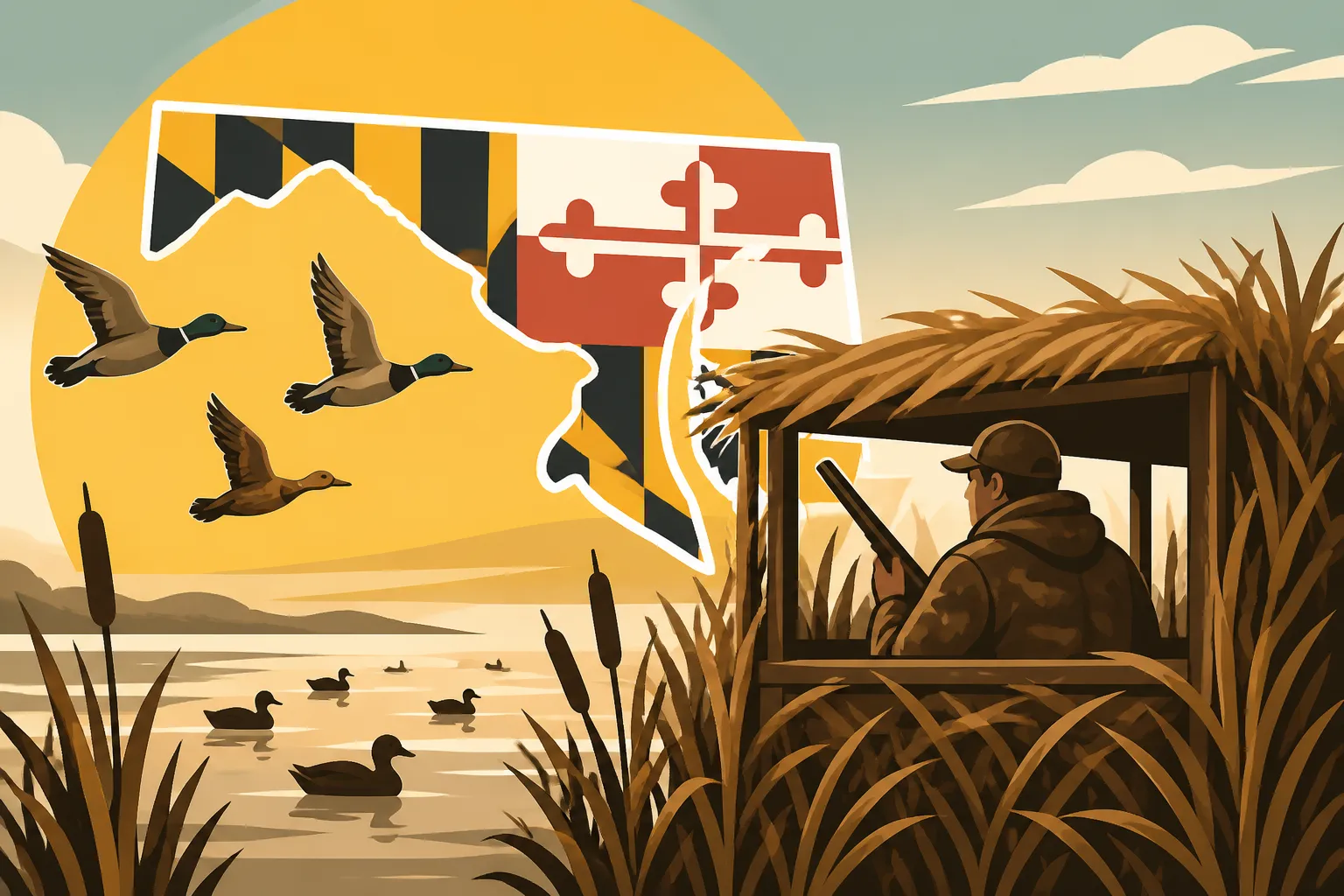
Maryland Waterfowl Blind Site Licensing
It's incredibly frustrating when you're geared up for a duck or goose hunt, you've scouted your spot, but then you realize someone else has claimed the perfect location with a licensed blind. Maryland's waterfowl hunting tradition is rich and unique, but navigating the blind site licensing system can feel like trying to untangle a hundred yards of decoy line in the dark. This guide is here to unravel the complexities of Maryland's waterfowl blind site licensing, helping you understand how it works, how to get your own spot, and how to operate within the rules to ensure a successful and legal hunt.
Understanding Maryland's Waterfowl Blind Site System
Maryland's approach to waterfowl hunting on its vast waterways, particularly the Chesapeake Bay and its tributaries, is deeply rooted in historical riparian rights and state regulations. It's not as simple as just setting up wherever you please, and for good reason. This system aims to provide fair access while managing conflicts over prime hunting locations.
The Historical Context of Riparian Rights
For centuries, Maryland's landowners along navigable waters have held specific rights tied to their waterfront property, known as riparian rights. These rights aren't just about accessing the water; they also traditionally extended to certain activities on the water directly adjacent to their land, including fishing and, critically, waterfowl hunting. This historical precedent is the bedrock of Maryland's blind site system. It means that if you own land bordering the Chesapeake Bay or a major creek, you typically have priority or certain privileges when it comes to establishing a hunting blind directly offshore from your property. This ensures that those who own the land have some say and access to the waters they live by, but it's also carefully balanced by public access provisions. Understanding this historical context helps explain why the system is set up the way it is, rather than a free-for-all on the open water.
Why Blind Site Licensing Exists
The primary reason for a formal blind site licensing system is to prevent chaos and disputes on the water. Imagine dozens of hunters trying to set up blinds within shouting distance of each other in a productive marsh or bay coves. It would lead to overharvesting, safety hazards, and endless arguments. Licensing creates an orderly process, assigning specific locations to individual hunters or landowners for a given season. It also helps manage harvest pressure in certain areas and ensures that state conservation efforts can be better targeted. Without this system, securing a consistent, productive spot to hunt ducks and geese would be nearly impossible, especially in popular areas. It's designed to provide a degree of certainty for hunters and protect the waterfowl resource itself. Furthermore, it helps enforce rules regarding distance between blinds and access points, making the entire hunting experience safer and more enjoyable for everyone involved.
Eligibility and Application Process for Blind Sites
Navigating the application process for a Maryland waterfowl blind site can feel like trying to hit a fast-flying teal on a windy day – it requires precision and timing. While the system aims to be fair, competition for prime locations means you need to be prepared and understand the steps involved.
Who Can Apply for a Blind Site License
Generally, any licensed Maryland hunter who is at least 16 years old can apply for a blind site license. However, there are distinctions in who gets priority for certain types of sites. Riparian landowners, those who own property directly adjacent to the water, usually have the first right to license a blind site directly in front of their property. This is a key aspect of Maryland's unique system. If the riparian landowner chooses not to license their site, or if the water is considered "public" (meaning not directly fronting private property), then other hunters can apply for "offshore" or "stake" blinds through a lottery system. It’s important to note that you need to be properly licensed to even participate in this process, which means having your current Maryland hunting license, and often the required Maryland Migratory Game Bird Stamp and Federal Duck Stamp. Check the current regulations for specific requirements, as these can sometimes change. Maryland Hunting Licenses and What They Cost provides a good overview of the baseline requirements.
The Annual Application and Drawing Process
The blind site application process is typically an annual affair, usually kicking off in late summer or early fall, well before the waterfowl seasons begin. The exact dates are critical and vary slightly each year, so always consult the Maryland Department of Natural Resources (DNR) official guides. For riparian landowners, there's a specific window where they can renew their claim or establish a new one. If these sites go unclaimed, they then become available to the general public through a drawing.
For non-riparian hunters, the lottery system is how you might secure an "offshore" or "stake" blind. This usually involves submitting an application during a designated period, often through the DNR's online COMPASS portal. You're typically applying for a specific water body or general area, and then a random drawing determines who gets to claim available sites. It's a competitive process, especially in well-known waterfowl hotspots like the Eastern Shore. Some areas might have a preference point system, rewarding hunters who have applied in previous years without success, but this isn't universal and regulations can shift. It's a game of patience and knowing your dates.
Key Dates and Deadlines to Remember
Missing a deadline in the blind site application process is like showing up to the blind without your shotgun – you're out of luck for the season. While exact dates shift annually, the general timeline for Maryland waterfowl blind site licensing often looks something like this:
| Event | Typical Timeframe | Details |
|---|---|---|
| Riparian Landowner Application | Late August – Early September | Period for waterfront property owners to claim or renew their primary blind sites. This is their priority window. |
| Public Drawing Application | Mid-September | If riparian sites go unclaimed, or for designated public offshore sites, general public hunters can apply for a chance to draw a blind site license. Usually an online process. |
| Drawing Results Posted | Late September – Early October | Winners of the public drawing are notified and assigned their blind sites. |
| Blind Site Construction/Posting | October – Early November | Once licensed, physical blinds must be constructed, and posts/signs installed, often with specific dimensions and markings. This must happen before the season opens and typically within a certain number of days of licensing. |
| Waterfowl Season Openers | Mid-October – November | The start of the various waterfowl seasons, when licensed blind sites are actively hunted. Ensure your blind is properly marked and visible before you start hunting. Maryland Duck Season Dates can vary, so always double-check. |
It cannot be stressed enough: always consult the most current Maryland Hunting & Trapping Guide or the Maryland DNR website for precise dates for the upcoming season. Set reminders on your phone or calendar, because these windows are often quite narrow, and there are no do-overs if you miss them.
Types of Blind Sites and Their Regulations
Maryland's blind site system isn't a one-size-fits-all approach. Depending on your location and whether you're a riparian landowner or a public applicant, you'll encounter different types of blind sites, each with its own set of rules and requirements. Understanding these distinctions is crucial for legal and effective hunting.
Riparian (Shoreline) Blind Sites
These are the most common type of licensed blind site and are directly tied to waterfront property. If you own land that borders a navigable waterway, you have the exclusive right to license a blind site on the water directly in front of your property, extending out for a specific distance (usually a few hundred yards) or to the channel, whichever comes first. This right needs to be exercised annually during the designated riparian application period.
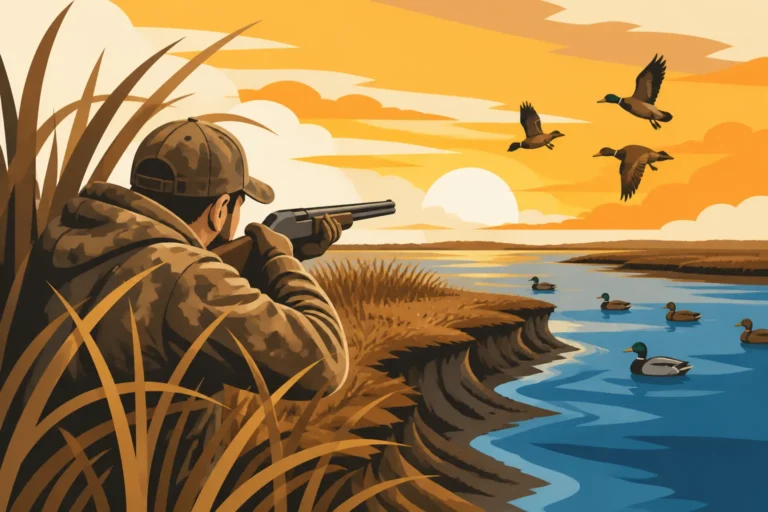
The regulations for riparian blinds typically dictate how far from your shoreline the blind must be, and how far it must be from your property lines extending into the water. These "lines of interest" are important to understand to avoid disputes with neighbors. You're also usually required to erect a physical blind structure, often built into the marsh or on pilings, and clearly mark it with your license number and name. This isn't just a suggestion; it's a legal requirement to ensure the site is properly identified and legally claimed. The idea here is to create a permanent or semi-permanent setup that respects your property rights while providing a dedicated hunting spot. Hunting a Chesapeake Bay Blind at First Light often involves these types of setups.
Offshore (Stake) Blind Sites
Offshore blind sites, often called "stake blinds," exist in waters not directly fronting private riparian property, or in areas where riparian owners have chosen not to license their sites. These are the sites typically awarded through the public drawing process. Think of open bay waters, larger tidal rivers, or certain public land marsh areas that aren't tied to a specific landowner's frontage.
For offshore sites, the regulations often focus on establishing a clear boundary using stakes or buoys, defining your hunting zone. You might not have to build a permanent structure, but you must clearly mark your licensed spot. Hunters often use portable blinds, boat blinds, or layout boats in these areas, especially on larger, more exposed waters. The advantage here is often more flexibility in where you position your blind within your designated area, allowing you to adapt to changing bird movements or weather. However, these sites can also be more exposed to the elements, requiring sturdier gear and greater attention to safety. You'll often find these types of sites being hunted by guides using specialized equipment. Hunting From a Maryland Offshore Stake Blind describes this experience well.
Temporary and Mobile Blind Considerations
While licensed blind sites offer a dedicated spot for the season, Maryland also allows for temporary blinds and mobile hunting, with specific rules. For example, if you don't have a licensed blind site, you can sometimes hunt from a temporary blind (like a boat blind or a portable pop-up blind) in certain open waters, provided you are a specified distance from any licensed blind site, dwelling, or public road. This "buffer zone" is critical to respect.
The concept of a mobile blind, particularly a boat blind, offers significant flexibility. You can move with the birds, chase weather patterns, and set up in different locations day-to-day, as long as you're in open water and adhere to all setback requirements from licensed blinds, property lines, and dwellings. This type of hunting is often what allows hunters to access areas that don't have formal licensed blind sites or where the blind sites are already taken. It's important to be acutely aware of your surroundings, though, and use mapping tools like onX Hunt to ensure you're not encroaching on a licensed site or private property without permission. Always err on the side of caution and maintain generous distances from other hunters and private land.
Common Challenges and Best Practices for Blind Site Hunters
Even with a licensed blind site, waterfowl hunting on Maryland's waterways isn't without its challenges. From potential disputes to ever-changing conditions, being prepared and practicing good etiquette can make all the difference.
Navigating Public Versus Private Waters
One of the biggest sources of confusion and potential conflict for waterfowl hunters in Maryland is understanding where public waters end and private waters (or waters subject to riparian rights) begin. Just because you're in a boat doesn't mean you have free rein everywhere. Maryland law grants riparian landowners specific rights over the waters immediately in front of their property, extending out to a certain distance or to the edge of a navigation channel. This is why the blind site licensing system exists – to formally define these hunting territories.
For hunters without a riparian blind, it's crucial to know you are hunting in truly public waters or waters where riparian rights haven't been claimed for a blind site. This is where tools like onX Hunt can be incredibly helpful. Using their mapping layers, you can often identify property boundaries, public land boundaries, and sometimes even the locations of known, registered blind sites. This visual aid helps you verify that you're hunting legally and not inadvertently infringing on someone else's space or private property. Always double-check your position, especially if you're exploring a new area or hunting from a mobile blind. Respecting these boundaries not only keeps you legal but also fosters a more positive relationship between hunters and landowners.
Resolving Disputes and Maintaining Good Relations
No one wants conflict when they're trying to enjoy a peaceful hunt, but disputes over blind sites can unfortunately arise. This might happen if another hunter sets up too close to your licensed blind, if they hunt within your legal boundaries, or if there's confusion over shared water access. The best approach to resolving these issues is often prevention and calm communication.
First, make sure your blind is impeccably marked according to DNR regulations, clearly displaying your license number. This leaves no doubt about its legal status. If you encounter another hunter too close, approach them politely and explain that they are within a licensed blind site, offering to show them your license or point them to the regulations. Often, it's an honest mistake, especially for new hunters or those unfamiliar with the local rules. If a polite conversation doesn't resolve the issue, or if the encroachment is aggressive, document the situation (photos, time, location) and contact the Maryland Natural Resources Police (NRP). They are the enforcement arm for these regulations and can mediate or take appropriate action. Building good relationships with neighboring landowners and other hunters by being respectful and helpful goes a long way in preventing these situations from escalating in the first place.
Scouting and Preparing Your Licensed Site
Securing a blind site license is just the first step; the real work begins with scouting and preparing your chosen spot for the season. Successful waterfowl hunting is rarely about luck; it's about preparation.
Start scouting your area well before the season opens. Use aerial imagery, topographical maps, and perhaps even a boat during the off-season to assess water depths, vegetation, potential flight paths, and entry/exit points. Look for natural cover that can be enhanced for your blind or prime locations for decoy spreads. Scouting Maryland Public Land Before Season offers broader advice that applies here. If you have a riparian blind, this is your chance to clean it up, make repairs, or build new brush into it to ensure you're hidden effectively. For offshore sites, plan where you'll anchor your boat or set up your temporary blind, considering prevailing winds and currents.
Preparation also involves making your site accessible and safe. Clear any obstructions, ensure you have a clear shooting lane, and think about how you'll retrieve downed birds. Consider water depths for wading or boat access. Mark any hazards near your blind that might be obscured during low light or high tides. The more prepared you are, the less you'll be scrambling on opening morning, and the more focused you can be on the hunt itself.
Essential Gear and Safety for Maryland Blind Sites
Hunting Maryland's waterways, particularly the expansive Chesapeake Bay and its tributaries, demands specific gear and an unwavering commitment to safety. The unique conditions of marsh, open water, and variable weather mean you need to be prepared for anything.
Boats and Accessing Your Blind Site
A reliable boat is often indispensable for accessing licensed blind sites, whether you're building a riparian blind in a marsh or running out to an offshore stake blind. The type of boat depends on the water you'll be hunting. A shallow-draft jon boat or duck boat is excellent for navigating the muddy bottoms and vegetated guts of Eastern Shore marshes, allowing you to reach remote spots. For open bay hunting, a larger, more stable boat capable of handling chop and rougher conditions is essential.
Regardless of the vessel, it must be seaworthy, properly registered, and equipped with all required safety gear. This includes life jackets for everyone on board, navigation lights if operating in low light, a sound-producing device, a fire extinguisher, and a first-aid kit. Remember, cold water submersion is a serious risk, even in mild weather, and hypothermia can set in quickly. Ensure your boat is always ready for the conditions, and always tell someone your float plan before you head out. Boat Safety on the Chesapeake in December is a critical read for any waterfowl hunter.
Decoy Spreads and Calling Strategies
The right decoy spread and calling strategy are what turn a licensed blind site into a productive one. Your decoys should match the species you expect to encounter in your area. For example, a spread of mallards and black ducks might be ideal for a tidal creek, while canvasbacks and redheads would be more appropriate for open bay diver hunting. The number and arrangement of your decoys should mimic natural bird behavior, creating inviting landing zones and drawing birds into shooting range. Pay attention to wind direction; birds almost always land into the wind, so your spread needs to guide them to your sweet spot.
Calling is the art that complements your decoys. Learn to make realistic calls for the species you're targeting – simple quacks and greeting calls for puddle ducks, or loud hails for geese. Practice is key, and knowing when to call, and just as importantly, when to be quiet, comes with experience. Sometimes, a few soft calls are all that's needed, while other times a more aggressive series might entice wary birds. The goal is to sound natural and draw attention to your spread without alarming them.
Safety First: Life Jackets and Navigation
Beyond basic boating requirements, personal safety when hunting from a blind site is paramount. Always wear your life jacket, especially when traveling to and from your blind in cold weather or rough conditions. Modern inflatable life jackets are comfortable and don't impede movement, so there's really no excuse not to wear one.
Navigation is another critical safety component, especially in areas with unmarked channels, shifting sandbars, or dense fog. A reliable GPS unit or a navigation app on your phone (like onX Hunt, which can preload maps for offline use) is essential. Mark your blind's location, critical channels, and any hazards. Weather conditions on the Chesapeake can change rapidly; a calm morning can turn into a white-capped nightmare in a matter of hours. Always check the marine forecast before heading out, and be prepared to cut your hunt short if conditions deteriorate. Alcohol and hunting don't mix, and fatigue can be just as dangerous. A successful hunt is always a safe hunt, and returning home healthy is the most important part of any trip.
Disclaimer
This article is for general informational purposes only and does not constitute professional advice. Laws, prices and regulations vary by location and change over time. Consult a qualified professional for guidance on your specific situation.