Hunting a Maryland Shoreline Point Blind
Maryland shoreline point blind regulations and licensing systems dictate how hunters secure and establish waterfowl hunting locations.
Find ground you can hunt.
National forest, BLM, and state land — WMAs, walk-in programs, unit boundaries, access rules, and how to get permission on private ground.

Maryland shoreline point blind regulations and licensing systems dictate how hunters secure and establish waterfowl hunting locations.
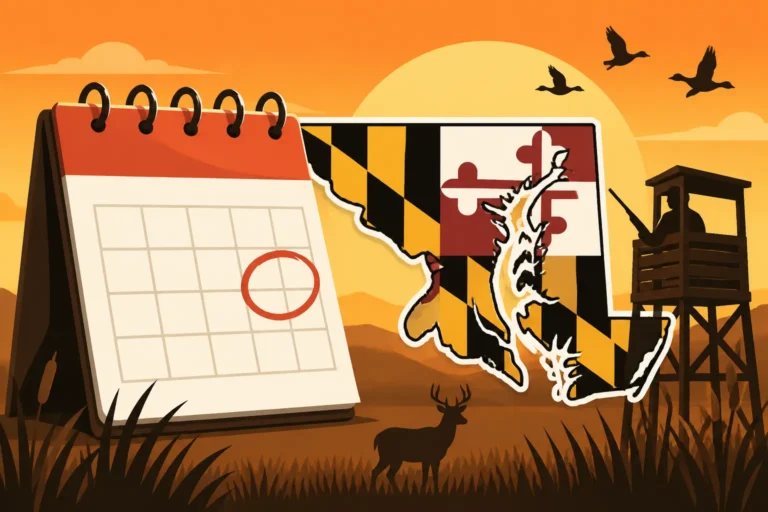
Public-water waterfowl blind sites in Maryland need a specific license, and the limited number of prime spots near flyways makes competition for them fierce.
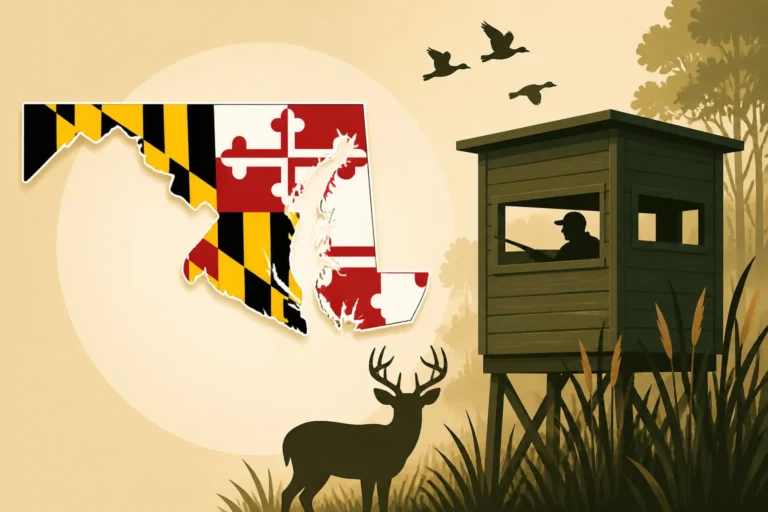
Maryland waterfowl blind site rights regulate stationary hunting locations through applications, licensing deadlines, and riparian property rules.

Maryland riparian blind site licensing rules, landowner priority, and state regulations for hunting waterfowl on the Chesapeake Bay.
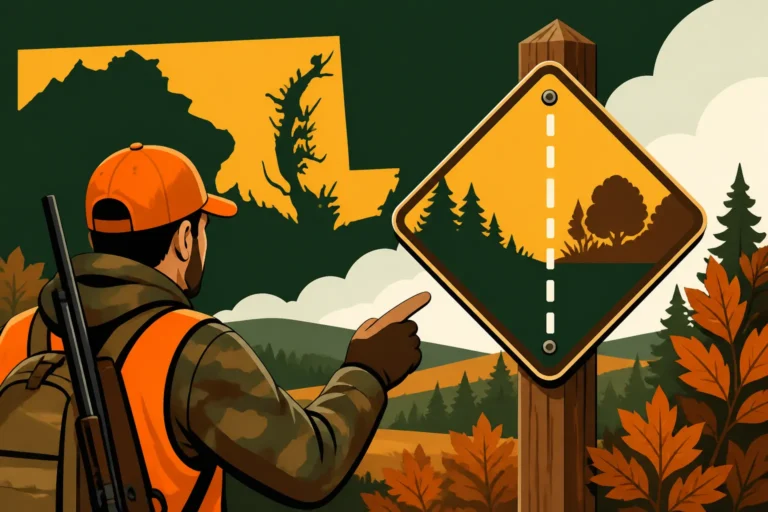
Maryland public land boundary signs help hunters avoid accidental trespassing and legal trouble while navigating state property.

Maryland wildlife management areas use active habitat work to support healthy animal populations and improve hunting opportunities.

Strategic food plots on Maryland private land attract quality deer, improve hunting opportunities, and support healthier populations.

Timber cuts on Maryland forest land attract deer by creating new food growth and dense cover for secure bedding and escape routes.
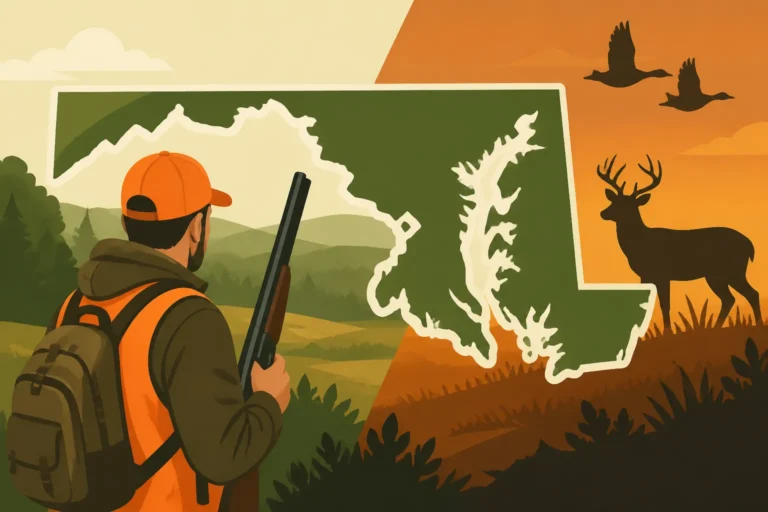
Nonresident access rules and strategies for hunting State Forests and Wildlife Management Areas in Maryland public lands.
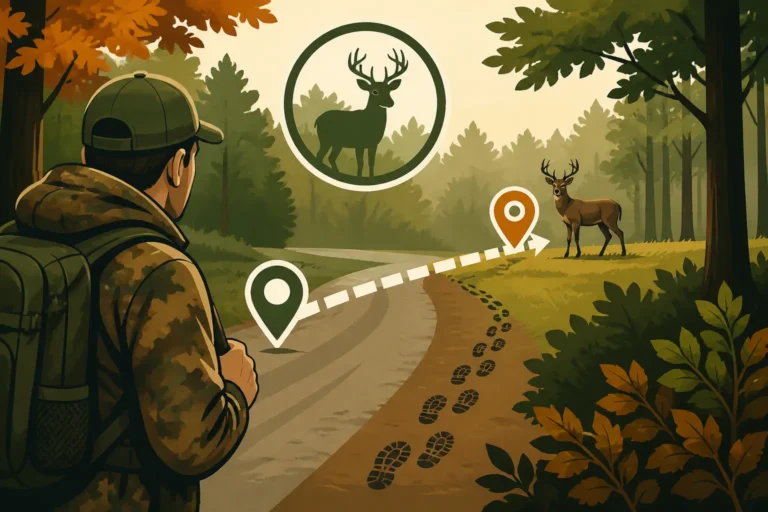
Walking distance from Maryland forest roads ranges from 0.75 to 2.5 miles to find unpressured deer in state forests and public lands.