When Maryland Blind Site Applications Open
It's a familiar feeling for many Maryland waterfowl hunters: the excitement of a new season approaching, quickly followed by the sinking realization that securing a prime hunting spot on the water can be incredibly complicated. You hear whispers about "blind site applications" and "drawings," but the specific timing often feels like a closely guarded secret, leaving you frustrated and worried you'll miss out on the best opportunities. This guide is here to demystify that process, laying out exactly when and how you can get your shot at a coveted Maryland waterfowl blind site.
Understanding Maryland's Waterfowl Blind Site System
Hunting ducks and geese on Maryland's expansive waters, particularly along the Chesapeake Bay and its tributaries, is a cherished tradition. But unlike hunting deer in a woodlot, setting up for waterfowl often requires a specific blind site license, especially in public waters. This system is designed to manage access and prevent conflicts, but navigating it can feel like a labyrinth.
Why Blind Sites Are a Big Deal for Waterfowl Hunters
For those who live and breathe waterfowl hunting, having a dedicated blind site is more than just a convenience; it's the gateway to consistent success. These sites are often in strategic locations – near traditional flyways, resting areas, or feeding grounds – that birds have used for generations. Imagine being able to set up decoys in a spot where ducks routinely pitch in, year after year, without worrying about another hunter setting up shop right on top of you. That's the appeal.
The frustration comes from the limited number of these prime spots and the often fierce competition to secure one. Many hunters dream of having their own piece of the marsh or bay to call their own, to build a permanent blind, and to experience the rhythm of the seasons from a familiar vantage point. Maryland's rich waterfowl heritage, especially around the Chesapeake Bay, makes these sites particularly sought after. If you've ever scouted a marsh and seen old, weathered blinds, you know the history and potential those spots hold. It’s part of the fabric of Waterfowl Hunting Maryland's Chesapeake Bay.
The Difference Between Riparian and State-Licensed Blinds
Maryland's blind site system is essentially split into two main categories: riparian and state-licensed. Understanding the distinction is crucial because the application process and timing differ significantly.
Riparian Blinds: These are tied directly to waterfront property ownership. If you own land that fronts a navigable body of water in Maryland, you generally have a "riparian right" to establish a waterfowl blind within a certain distance from your shoreline. This right exists to ensure landowners can utilize the water adjacent to their property for hunting. The exact rules for placement and distance from your shore, and from other riparian owners, are detailed and must be followed to avoid conflicts. Essentially, the water immediately in front of your property is often considered your domain for establishing a blind, assuming you follow all the state's guidelines.
State-Licensed Blinds: These are the spots most general public hunters are thinking about when they talk about "blind site applications." These blinds are located in public waters where no riparian rights apply or where riparian owners have not exercised their right to stake a blind. The Maryland Department of Natural Resources (DNR) manages these sites through an annual drawing system, often referred to as a lottery. This is where the competition really heats up, as many hunters vie for a limited number of state-licensed sites scattered across various waterways. Some of these public sites are also available on a "first come, first served" basis on specific days, but the prime ones typically go through the lottery. This system attempts to create a fair playing field for access to the public waterfowl hunting opportunities available.
Navigating the Application Timeline for Maryland Blind Sites
The most critical piece of information for any aspiring blind site holder is knowing when to act. Miss the window, and you're out of luck for the season. The process is annual, and while specific dates can shift slightly from year to year, the general timeframe remains consistent.
The Annual Window: When to Mark Your Calendar
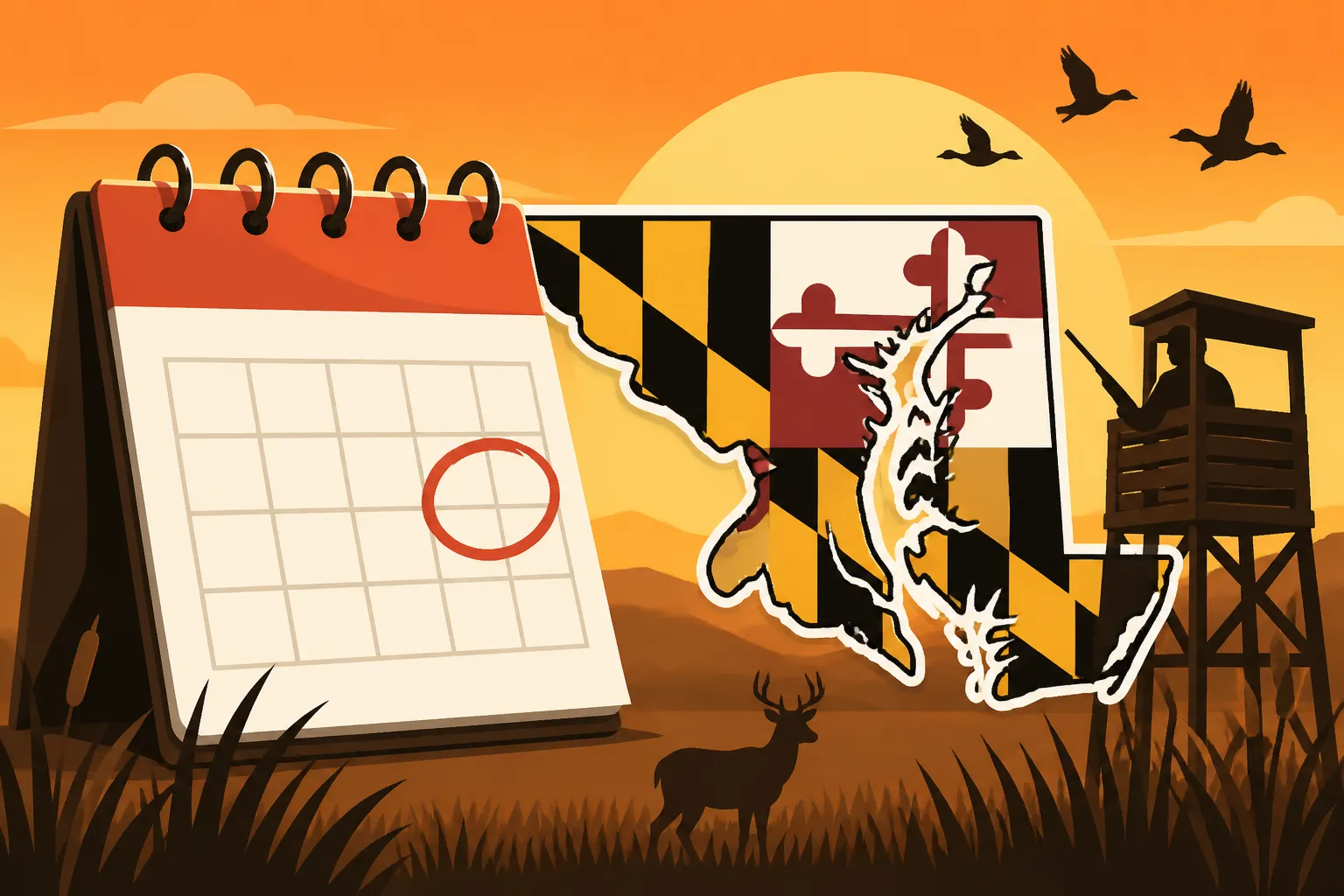
The short answer for when Maryland blind site applications generally open is late summer, typically in August or early September. This timing is strategically chosen to ensure the blind sites are secured and marked well in advance of the early waterfowl seasons, which usually begin in the fall.
It's absolutely vital to understand that this is not a flexible deadline. Once the application window closes, it's done. There are no extensions, no "oops, I forgot" allowances. For many seasoned waterfowl hunters, marking this period on their calendar is as important as remembering the opening day of duck season itself. You should always consult the official Maryland Department of Natural Resources (DNR) website or their annual hunting guide for the exact, up-to-date dates for the upcoming season. Don't rely on old information or hearsay; verify it directly with the source.
Being prepared before the window even opens is key. This means having your license, any required stamps, and a clear idea of which sites you're interested in, all squared away. Procrastination here can cost you a season of hunting from a prime location. Understanding Maryland Waterfowl Zones and Season Dates will help you align your blind site plans with the actual hunting season.
Key Dates for Riparian Owners and General Public
While the general application window is in late summer, the specific dates and procedures differ based on whether you are a riparian property owner or a member of the general public applying for state-licensed sites.
For Riparian Owners (Preference Period):
Riparian owners typically get an exclusive window, a "preference period," during the application process. This period allows them to officially apply for and stake their blinds on the waters immediately adjacent to their property before the general public has access to unassigned sites. This usually takes place in late August or very early September. During this time, riparian owners will submit their applications, often identifying the specific location where they intend to place their blind stakes or markers. It’s a critical time for these landowners to exercise their right, as any unclaimed riparian zones may then become available to the general public in a subsequent drawing.
For the General Public (Draw Period and Leftover Sites):
Once the riparian preference period closes, the DNR compiles a list of all remaining unclaimed public blind sites. These are the sites that will be available to the general public through a lottery drawing. The application period for this general public drawing usually opens shortly after the riparian period ends, often running through mid-September.
Hunters will apply for a chance to be drawn for one of these state-licensed sites. If successful in the draw, they are granted permission to set up a blind at the assigned location. It's a true lottery, and many applicants will not be successful, especially for highly desirable areas.
Following the main drawing, there are sometimes "leftover" blind sites that were either not applied for, not drawn, or became available for various other reasons. These sites may then be offered on a "first come, first served" basis, typically starting in early October. This provides another opportunity for hunters who weren't successful in the initial draw or missed the main application period. These "first come, first served" dates are usually announced with very specific instructions on how and when to claim them, often involving a direct visit to a DNR office or an online claiming system that goes live at a precise time. This is where a quick trigger finger and good internet connection can sometimes pay off!
The Application Process: What You Need to Know
Once you know when to apply, the next step is understanding how to apply. This isn't just about filling out a form; it requires some preparation and attention to detail to ensure your application is valid.
Gathering Your Documents and Information
Before you even think about hitting that "submit" button, you need to have your ducks in a row – pun intended! The application process requires specific information and, of course, your current hunting licenses and stamps.
- Current Maryland Hunting License: You must possess a valid Maryland hunting license for the current year. This is non-negotiable. If you don't have one, get it well in advance.
- Maryland Migratory Game Bird Stamp: Any hunter pursuing migratory game birds, including ducks and geese, in Maryland needs this stamp.
- Federal Duck Stamp: This is a federal requirement for all waterfowl hunters nationwide. Make sure it's signed and carried with you.
- Identification: Have your personal identification ready, as you'll need your customer ID from the Maryland COMPASS system.
- Desired Blind Site Locations: This is where scouting and planning come into play. For the public draw, you'll often have the opportunity to list several preferred blind sites by their designated numbers or locations. This is where tools like onX Hunt become invaluable. You can use its satellite imagery and public land layers to scout potential public water areas, mark down specific points of interest, and note the surrounding land features. This helps you identify viable options and understand their proximity to public access points or good habitat. GoHunt is another great resource for scouting and gathering information on different hunting areas, which can indirectly help you prioritize your blind site selections. Knowing your top choices and backup plans is essential.
- Payment Information: There is usually a small application fee for the draw, so have your credit card details ready.
Failing to have any of these elements in order can lead to a rejected application, so double-check everything. Information on Maryland Hunting Licenses and What They Cost and Maryland Migratory Game Bird Stamp Cost can give you a head start on what you'll need.
Submitting Your Application: Online vs. Mail-In
In today's digital age, the Maryland DNR heavily favors and primarily uses online submission for blind site applications.
Online Submission (COMPASS System):
The vast majority of applications are handled through Maryland's online COMPASS (Centralized Online Licensing and Permit Service System) portal. This system is designed to streamline the process for licenses, permits, and indeed, blind site applications. You'll log in with your existing customer ID (or create one if you're new), navigate to the blind site application section, and fill out the required fields.
- Benefits of Online: It's generally faster, more convenient, and provides immediate confirmation of submission. You can often review your application before finalizing it, reducing errors.
- Tips for Online:
- Don't Wait Until the Last Minute: The system can experience heavy traffic on the final day, potentially leading to slow loading times or even temporary crashes. Submit your application with a few days to spare.
- Verify Information: Double-check every piece of information, especially blind site numbers and personal details, before submitting. A simple typo could invalidate your entry.
- Save Confirmation: Always save or print your confirmation page or email. This is your proof of application.
- Browser Compatibility: Ensure you're using a compatible web browser. Sometimes older browsers can cause issues.
Mail-In (Less Common):
While online submission is the standard, in some unique or historical cases, mail-in options might still be available, perhaps for specific situations or as an alternative for those without internet access. However, it's safe to assume the online COMPASS system is your primary and most efficient route. If a mail-in option is offered, be sure to send it in with plenty of time for it to arrive before the deadline, and consider using certified mail for proof of delivery. Again, always check the current year's official DNR guide for the definitive methods of application.
After You Apply: Drawing Results and Next Steps
Once your application is submitted, the waiting game begins. It can feel like an eternity, but typically within a few weeks of the application period closing, the results are released.
How to Check Your Blind Site Drawing Results
The Maryland DNR usually announces the blind site drawing results through several channels:
- Email Notification: If you provided an email address during your application, you'll likely receive an email notifying you of your drawing status. This is often the quickest way to find out.
- Online COMPASS Portal: You can also log back into your COMPASS account. There will typically be a section where you can view your application history and the results of any drawings you entered. This is a reliable way to check, especially if you didn't receive an email.
- Mail: In some cases, a physical letter might be sent, but this is less common and slower than electronic notifications.
The moment of checking results is a mix of anticipation and dread. It's truly a lottery, and many hunters experience the disappointment of not drawing a site. But for those who do, it's a feeling of victory and the start of planning for the season ahead!
What to Do If You Get a Blind Site
Congratulations! If you're one of the lucky ones to draw a state-licensed blind site or successfully stake a riparian site, there are immediate responsibilities and steps you need to take.
- Understand Your Specific Site Rules: Each blind site comes with specific regulations regarding its use, maintenance, and marking. You'll need to familiarize yourself with these. For example, there are rules about how close you can be to other blinds, how far from shore, and the materials you can use for your blind structure. The rules are designed to prevent conflicts and ensure fair hunting.
- Registration and Marking the Site: This is critical. You'll need to officially register your blind site (if you haven't already fully completed that during the application) and physically mark it according to DNR specifications. This typically involves placing a stake or buoy at the designated location that clearly identifies your blind site number and possibly your license number. This marking must be visible and maintained throughout the season. Failure to properly mark your blind can lead to forfeiture of the site. Maryland Waterfowl Blind Site Licensing provides more in-depth information on these requirements.
- Scouting and Access: Even if you drew a site, you still need to scout it out. How will you access it? Is it by boat, or can you wade in? What are the water depths like around it? Using tools like onX Hunt can be incredibly helpful here. Once you have your assigned blind site coordinates, you can plug them into onX Hunt to precisely locate the spot, identify the best boat launch points, map out safe travel routes through the water (taking into account tides and shallow areas), and examine the surrounding habitat for potential bird movement patterns. This also allows you to plan your setup, whether you're building a permanent blind or using a temporary one. Hunting a Chesapeake Bay Blind at First Light offers great insights into actual blind hunting strategies.
- Maintenance: If you construct a permanent blind, remember that you are responsible for its maintenance and, importantly, its removal at the end of the season unless regulations state otherwise. Leaving derelict blinds can result in fines and loss of future privileges.
What If You Don't Get a Blind Site? Alternative Access
Don't let not drawing a blind site dampen your spirits for the season. Maryland offers numerous other ways to enjoy waterfowl hunting, and many successful hunts happen away from licensed blinds.
- Public Access Areas (WMAs): Maryland has many Wildlife Management Areas (WMAs) and other public lands that offer waterfowl hunting opportunities, sometimes even without specific blind site draws. These might be jump-shooting opportunities along marsh guts or hunting from shorelines. You’ll need to do your homework and scout these areas, but they can be incredibly productive. Hunting areas provides a good starting point for exploring public land options.
- Open Water Hunting: Many areas of the Chesapeake Bay and its tributaries allow for open water hunting from layout boats, sneak boats, or by simply anchoring up and deploying a decoy spread. These methods require more mobility and often specialized gear, but they offer immense freedom. Consider Hunting From a Maryland Offshore Stake Blind or Hunting a Marsh Island by Boat for more details on these approaches.
- Jump-Shooting: This is an exciting and highly effective method, especially for puddle ducks in smaller creeks, ponds, and marsh guts. It involves quietly moving along water edges or floating down small waterways, surprising ducks, and taking quick shots as they flush. Jump-Shooting Ducks on an Eastern Shore Gut is an excellent resource if you're interested in this dynamic style of hunting.
- Hunting with Guides and Outfitters: Many licensed Maryland waterfowl guides and outfitters operate on private lands or have secured their own blind sites on public waters. Booking a guided hunt guarantees you a prime spot and usually includes decoys, a trained retriever, and expert calling. This is an excellent option for those who want a quality hunt without the hassle of securing a blind site themselves. Look into Maryland's Licensed Waterfowl Guides for more information.
- Scouting for "First Come, First Served" or Other Opportunities: Keep an eye out for any "first come, first served" dates for leftover blind sites, or special hunting opportunities on federal refuges or military installations that might have separate permit applications. Websites like GoHunt can sometimes provide alerts or details on these additional opportunities.
Even without a drawn blind site, the Maryland waterfowl season is full of potential. A little extra scouting, adaptability, and willingness to try different methods can lead to some truly memorable hunts.
Maryland Blind Site Application Timeline Summary
To give you a clearer picture, here’s a general overview of the typical blind site application timeline in Maryland. Remember, these dates are approximate and you should always verify the exact dates for the current season on the official Maryland DNR website.
| Event | Typical Timeframe | Who It Applies To | Key Action |
|---|---|---|---|
| Riparian Preference Application | Late August / Early Sept. | Waterfront Property Owners (Riparian) | Apply to stake blind in front of your property |
| General Public Lottery Application | Mid-September | General Public (Non-Riparian Owners) | Apply for a random draw for available public sites |
| Drawing Results Posted | Late September / Early Oct. | All Applicants | Check COMPASS or email for status |
| "First Come, First Served" Sites | Early October | General Public (Leftover Sites) | Claim remaining sites, often online at a specific time |
| Blind Site Staking Deadline | Usually Mid-October | All Successful Applicants | Physically mark your assigned blind site |
Disclaimer
This article is for general informational purposes only and does not constitute professional advice. Laws, prices and regulations vary by location and change over time. Consult a qualified professional for guidance on your specific situation.