Licensing a Maryland Riparian Blind Site
For many waterfowl hunters across Maryland, the dream of having a dedicated spot on the water, a blind site they can call their own, is a powerful one. Yet, the specific regulations around "riparian blind sites" can be a real head-scratcher, creating confusion and sometimes frustration for those who just want to enjoy the rich tradition of hunting the Chesapeake Bay and its tributaries. This comprehensive guide will demystify the process of licensing a Maryland riparian blind site, helping you understand the rules, secure your spot, and enjoy countless mornings chasing ducks and geese from your piece of the shoreline.
What Exactly is a Maryland Riparian Blind Site License?
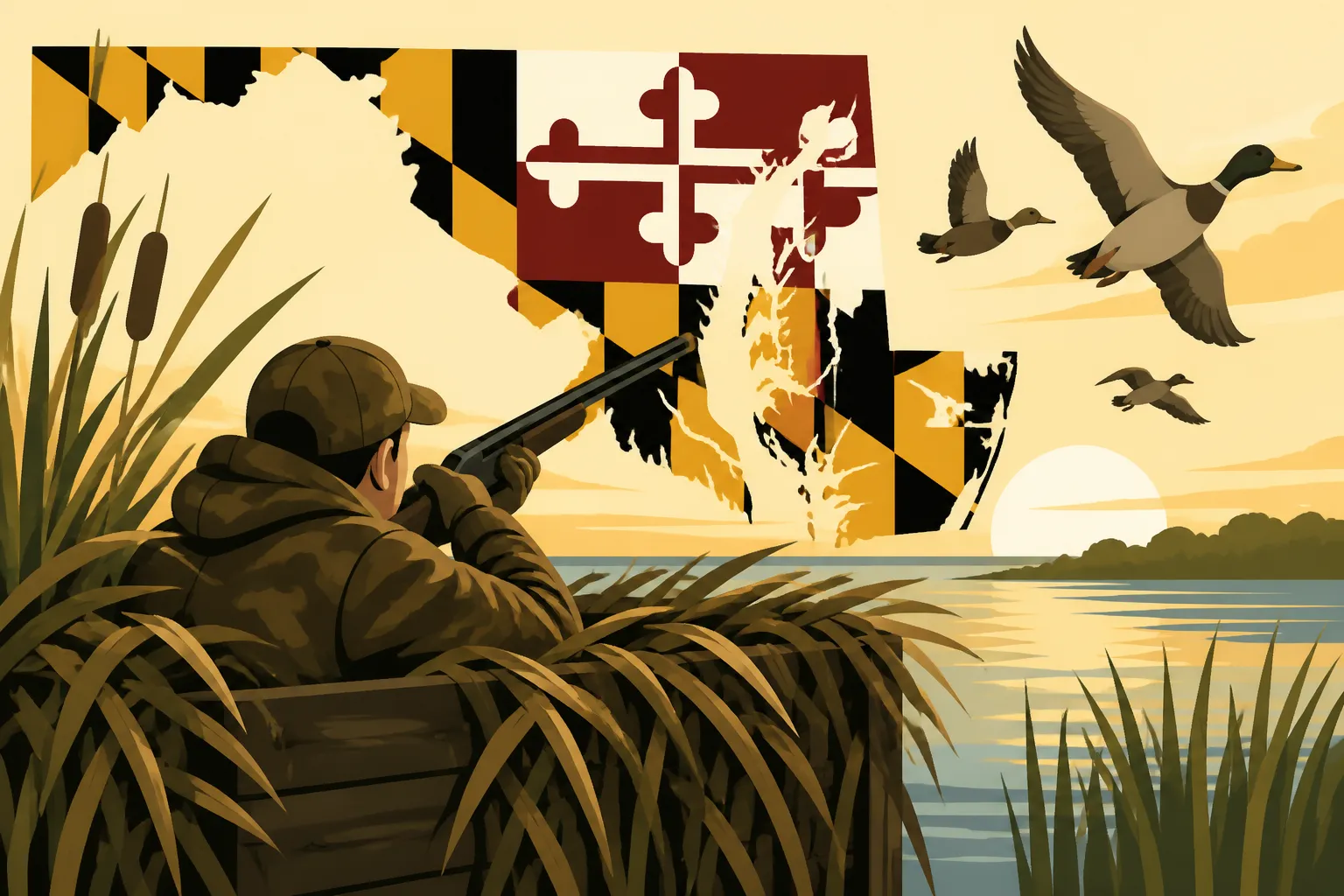
First things first, let's break down what we're talking about here. A "riparian blind site" in Maryland refers to a designated location on the water, adjacent to private land, where a licensed hunter can erect a stationary blind for waterfowl hunting. It’s not just about setting up a temporary structure; it's about claiming a specific piece of the water column, rooted in the rights of the adjacent landowner.
Defining Riparian Rights and Waterfowl Hunting
Maryland law grants certain "riparian rights" to landowners whose property abuts navigable water. Historically, these rights included access to the water, the ability to build piers, and importantly for us hunters, the privilege of establishing a stationary waterfowl blind in the water off their property. This isn't a free-for-all, though. The state manages these rights through a robust licensing system to prevent conflicts, ensure fair access, and maintain safety for all water users. Essentially, your riparian blind site license gives you exclusive rights to hunt from that specific location during the waterfowl season, preventing others from setting up within a certain distance of your staked-out spot. It’s a foundational piece of Maryland's Chesapeake Shoreline Hunting Access.
The concept itself is deeply embedded in Maryland's heritage. Imagine generations of families hunting the same cove or marsh edge, passing down knowledge and techniques. The blind site license formalizes this tradition, giving stability and a sense of stewardship over a specific hunting area. It's a way to honor the historical use of these waters while also providing a framework for modern hunting ethics and safety.
The Purpose Behind the Licensing System
The licensing system serves several crucial purposes. Primarily, it prevents uncontrolled blind placement, which could lead to disputes between hunters, safety hazards, and congestion on prime hunting grounds. Without a formal process, you might have multiple hunters claiming the same excellent point or creek mouth, leading to arguments and dangerous situations with overlapping shooting zones. The state, through the Department of Natural Resources (DNR), acts as the arbiter, ensuring an organized and equitable system.
Secondly, it ensures that blinds are properly marked and maintained, contributing to overall boating safety. A blind that isn't clearly visible or maintained could pose a navigational hazard, especially in low light or fog. The licensing requirement encourages hunters to be responsible stewards of their sites. Finally, it also allows the state to track hunting pressure in different areas, which can inform waterfowl management decisions, helping to sustain the incredible resource that is Maryland's waterfowl population for future generations. It’s a balance between individual hunting opportunity and broader conservation goals.
Eligibility and Priority: Who Can Claim a Blind Site?
Understanding who gets priority in claiming a blind site is critical, as it's not a first-come, first-served system in many cases. Maryland law heavily favors the riparian landowner, but there are also provisions for non-landowners and public access.
Landowner Preference and Public Access Points
The first and highest priority for a riparian blind site goes to the owner of the shorefront property. If your property borders a navigable waterway, you have the initial right to license a blind site directly off your shoreline. This makes perfect sense; it’s an extension of your property rights into the adjacent public waters, managed to prevent conflicts. Many landowners cherish this right, passing on their blind sites through generations. This is why many coveted waterfowl spots on private land are locked up year after year.
However, not everyone owns waterfront property, and Maryland is committed to providing public hunting opportunities. The system allows for "riparian blind sites" to be designated in front of state-owned land, like wildlife management areas, or in open public waters where no private riparian rights apply. These are often applied for on a first-come, first-served basis, or through a draw system, making them incredibly competitive. Using tools like onX Hunt can be incredibly useful here to visualize property lines, differentiate between private and public shorelines, and identify potential zones where public blind sites might be available. It helps you understand precisely where those riparian rights begin and end.
The Importance of Residency and Application Zones
Residency plays a significant role in the blind site licensing process. Maryland residents typically receive priority or have specific windows during which they can apply for sites that aren't claimed by a riparian landowner. This is a common practice in many states, designed to prioritize local hunters who contribute to the state's conservation efforts through license fees and taxes. Non-residents can apply for leftover or open sites, but often after resident application periods have closed.
Furthermore, Maryland is divided into specific waterfowl zones (e.g., Atlantic Population Goose Zone, Resident Goose Zone, Sea Duck and Offshore Zones) and smaller regional areas. The rules and application dates for blind sites can sometimes vary slightly depending on which zone your desired location falls into. It's not a uniform statewide process, so you must pay close attention to the specific regulations for the body of water you're interested in. Knowing these zones is key when planning for Maryland's Waterfowl Zones and Season Dates, and especially for blind site applications. Understanding these nuances is crucial for success, whether you're eyeing a spot on the Eastern Shore or a river in Southern Maryland.
The Step-by-Step Process for Securing Your Site
Navigating the actual application process can feel a bit like filing taxes, but breaking it down into manageable steps makes it much less daunting. Pay close attention to dates and details, as missing a deadline can mean missing out for the entire season.
Key Application Dates and Deadlines to Remember
This is where organization is paramount. Maryland's blind site application process typically begins in the summer, well before the waterfowl seasons kick off. Riparian landowners generally have an exclusive period, often in August, to re-license their existing sites or claim new ones off their property. If a landowner doesn't renew or claim a new site by their deadline, that site might then become available to other eligible hunters.
For non-riparian landowners and those seeking public sites, there's a subsequent application period, usually starting in September. These dates are published annually by the Maryland Department of Natural Resources (DNR), and it’s critical to mark them on your calendar. I always recommend setting multiple reminders! Missing the window, even by a day, means you won't be able to apply for that season. The DNR website or publications are your go-to sources for the most current information on When Maryland Blind Site Applications Open. It's a competitive process, especially for desirable public access locations, so being prepared and prompt is essential.
Marking Your Site and Navigating Inspections
Once your application is submitted and approved, you'll receive a license. The next crucial step is physically marking your blind site. This isn't just a suggestion; it's a legal requirement. Maryland law dictates how blind sites must be marked, typically with a stake or buoy showing your license number. This marking needs to be visible to others, clearly indicating the boundary of your exclusive hunting zone. Without proper marking, your license could be invalidated, and other hunters might inadvertently set up too close, leading to conflict.
The DNR also conducts inspections to ensure compliance. They want to see that your site is marked correctly and that your blind, once erected, adheres to all regulations, including setback distances from other blinds, navigation channels, and property lines. This is where a detailed mapping tool like onX Hunt can be invaluable. Before you even apply, you can use it to pinpoint potential blind locations, measure distances from existing blinds or navigation markers, and verify property lines. This foresight can prevent a lot of headaches during the inspection phase and ensure you're in compliance from the start.
Renewals and Transferring Blind Site Licenses
If you're fortunate enough to secure a blind site, remember that it's generally not a "one and done" situation. Most licenses are issued for a specific period, often annually, and require renewal. This renewal process typically follows a similar timeline to the initial application, with riparian landowners having the first crack at renewing their existing sites. Staying on top of renewal dates is just as important as the initial application.
Transferring a blind site license can be a bit more complex. If you sell your riparian property, the blind site rights usually transfer with the land to the new owner. However, if you're merely leasing land or wanting to transfer a non-riparian site to another individual, there are specific DNR procedures that must be followed. These often involve formal applications and potentially relinquishing the site for others to apply for. It’s not something you can just hand over casually. Always consult the DNR for the exact rules, as improper transfers can lead to fines or loss of the site.
Responsibilities, Regulations, and Common Challenges
Holding a Maryland riparian blind site license comes with privileges, but also significant responsibilities. Understanding these will help ensure a smooth season and avoid legal trouble or conflicts with other water users.
Understanding Setback Rules and Proximity to Others
One of the most critical aspects of blind site management is adhering to setback rules. Maryland law specifies minimum distances that a blind must be from other licensed blinds, property lines, and sometimes even public navigation channels. These rules are designed to prevent overcrowding, ensure safety by maintaining clear zones of fire, and minimize disturbance to other hunters or boaters. For example, a common rule prevents another blind from being placed within a certain distance of your staked-out site.
Violating these setback rules can lead to serious consequences, including fines and the loss of your blind site license. This is another area where modern mapping technology, such as the layers available in onX Hunt, becomes indispensable. You can clearly see property boundaries, measure distances, and understand the lay of the land—or, in this case, the water—to ensure your chosen spot is compliant before you even drive a stake. It also helps you identify if someone else has encroached on your legal zone, providing crucial information for resolving potential disputes. Knowing these rules is also important if you're planning to lease a private waterfront property for hunting, ensuring you understand the boundaries and limitations.
Maintaining Your Blind Site and Environmental Considerations
Your responsibility doesn't end with getting the license and setting up the blind. You're also expected to maintain your site in a safe and environmentally sound manner. This means your blind should be constructed in a way that doesn't create undue hazards for navigation, and it should be removed or properly maintained at the end of the season. Leaving a dilapidated blind to break apart and drift into the Chesapeake Bay is not only irresponsible but can also lead to fines.
Environmental stewardship is a big part of the picture. This means ensuring no debris or pollutants are left behind, and that any materials used for your blind are appropriate for the marine environment. Thinking about materials like treated lumber that won't degrade quickly, or ensuring all camouflage netting is securely fastened, are small but important steps. The state wants hunters to be part of the solution in protecting the delicate ecosystem of Maryland's waterways, especially with concerns about Why Chesapeake Marshes Are Sinking. Proper maintenance also extends to ensuring the area around your blind remains clear, respecting the natural habitat and other species that call these waters home.
Resolving Disputes and Avoiding Infringement
Despite the clear rules, disputes can still arise. Another hunter might mistakenly set up too close, or a new riparian landowner might be unaware of your existing licensed site. When these situations occur, it's always best to try and resolve them amicably and professionally first. A friendly conversation, armed with your license number and knowledge of the regulations, can often clear up misunderstandings. Showing them your precise location on a onX Hunt map and explaining the setback rules can often resolve the issue without further escalation.
However, if an amicable resolution isn't possible, the Maryland DNR is the authority to contact. They have specific procedures for investigating and mediating blind site disputes. Never resort to self-help or confrontation, as this can lead to legal issues. Document everything, including dates, times, and any communication, before contacting the DNR. Understanding How Maryland Blind Site Rights Work will empower you to advocate for your rights effectively and ensure that your hunting experience remains safe and enjoyable. The goal is always to uphold the integrity of the system and allow everyone to enjoy Maryland's incredible waterfowl hunting opportunities without unnecessary conflict.
| Key Blind Site Licensing Steps | Description | Timeline | Critical Reminders |
|---|---|---|---|
| 1. Research & Identify Site | Determine if you have riparian rights or seek public/open water sites. Check property lines. | Pre-application (Ongoing) | Use mapping tools like onX Hunt. Understand specific county/zone rules. |
| 2. Review DNR Regulations | Get current season dates, application periods, and specific requirements. | Annually (Usually late Spring/early Summer) | Visit the Maryland DNR website. Mark deadlines immediately. |
| 3. Submit Application | Complete the official DNR application for your chosen site type. | Landowner: August window. Public/Open: September window. | Be prompt! Applications are often date-sensitive. |
| 4. License Approval & Fee Payment | Receive confirmation of your license and pay any associated fees. | Shortly after application period closes | Keep a copy of your license easily accessible. |
| 5. Mark Your Site | Physically stake or buoy your blind site according to DNR specifications. | Before waterfowl season opens | Ensure visibility and correct license number display. Re-check setback distances. |
| 6. Construct/Maintain Blind | Erect your blind adhering to setback rules and safety standards. Maintain it. | Throughout waterfowl season | Keep it clean, safe, and environmentally sound. Remove at season's end if required. |
| 7. Annual Renewal | Re-apply for your site to maintain exclusive rights. | Annually (Similar to initial application window) | Do not miss this deadline, or your site may become available to others. |
Disclaimer
This article is for general informational purposes only and does not constitute professional advice. Laws, prices and regulations vary by location and change over time. Consult a qualified professional for guidance on your specific situation.