Passing a Young Buck Under Maryland’s Antler Rule
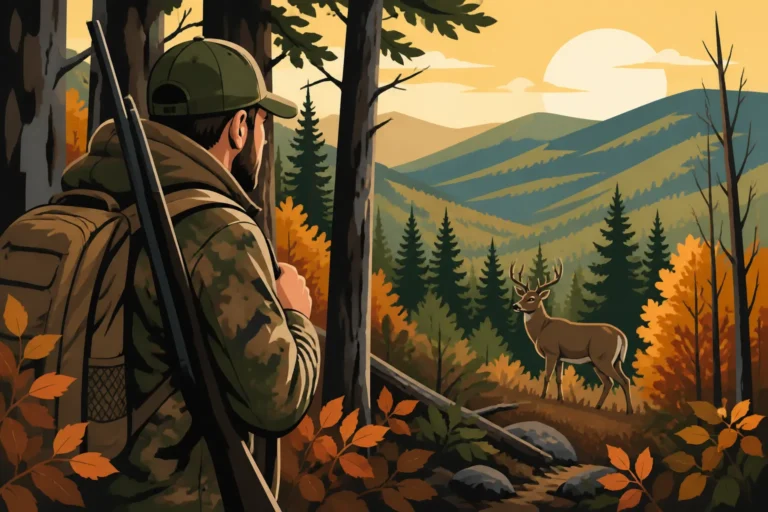
Many Maryland hunters face a familiar dilemma: the sheer excitement of seeing a legal buck in their sights, only to realize it's a young animal that, while technically legal, hasn't reached its full potential. The pressure to fill a tag can be immense, but knowing when and how to pass on a young buck under Maryland's antler restriction rules is crucial for both personal satisfaction and the long-term health of our deer herds. This guide will walk you through Maryland's specific regulations, equip you with the skills to confidently judge deer in the field, and help you cultivate the patience needed to make a real difference.
Understanding Maryland's Antler Restriction
Maryland's approach to deer management includes specific rules designed to promote an older age structure in the buck population. These regulations are a key part of ensuring a healthier, more balanced herd across much of the state.
The "Three-Point" Rule Explained
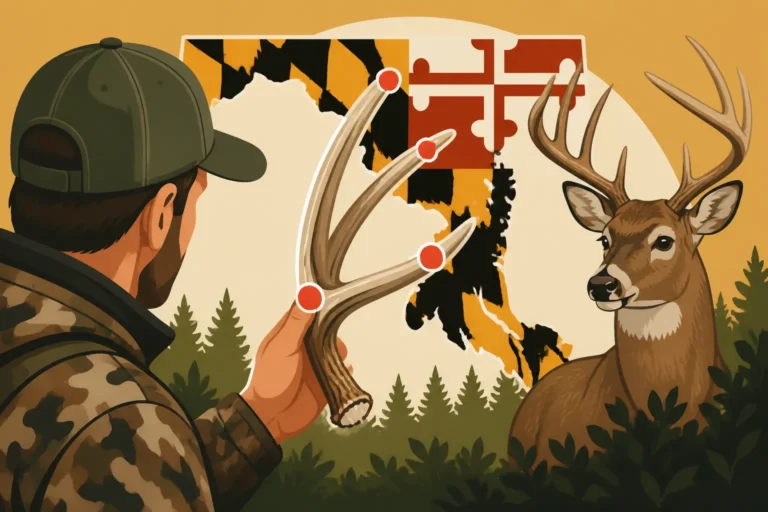
For the vast majority of Maryland hunters, particularly those operating in the state's Region B counties, the primary antler restriction requires that an antlered deer must have at least three points on one antler to be considered a legal buck. This means that if a buck has, for example, a two-point side and a four-point side, it's a legal deer because one side meets the three-point minimum. However, a buck with two points on each side (a "spike horn" or a small "forked horn" on both sides) would generally not be legal to harvest, unless you're utilizing a specific exception.
It's absolutely critical to understand what constitutes a "point." In Maryland, a point must be at least one inch long, measured from its tip to the nearest edge of the main beam. Any smaller nubs or protuberances that don't meet this one-inch minimum simply don't count. This detail can be easily overlooked in the heat of the moment, leading to an illegal harvest. Always give yourself enough time to confirm the points, especially if the buck is close. For a comprehensive overview of these rules, you can refer to resources like the guide on Maryland's Three-Point Antler Restriction.
There are a few nuances to this rule. For instance, hunters with a Bonus Antlered Deer Stamp are permitted to harvest one antlered deer statewide that does not meet the three-point restriction. This is often referred to as the "exception buck" or "button buck" stamp, though it technically applies to any antlered deer. However, if you don't have this specific stamp, all antlered deer you harvest must adhere to the three-point minimum on at least one side. It's a system designed to give hunters some flexibility while still promoting the overall goal of buck maturity. For those hunting in western Maryland, counties in Region A often have different regulations, so it's always wise to check the specific rules for your hunting zone, which you can read more about in What Makes Region A Different for Deer Hunters.
Why the Rule Exists and Its Impact
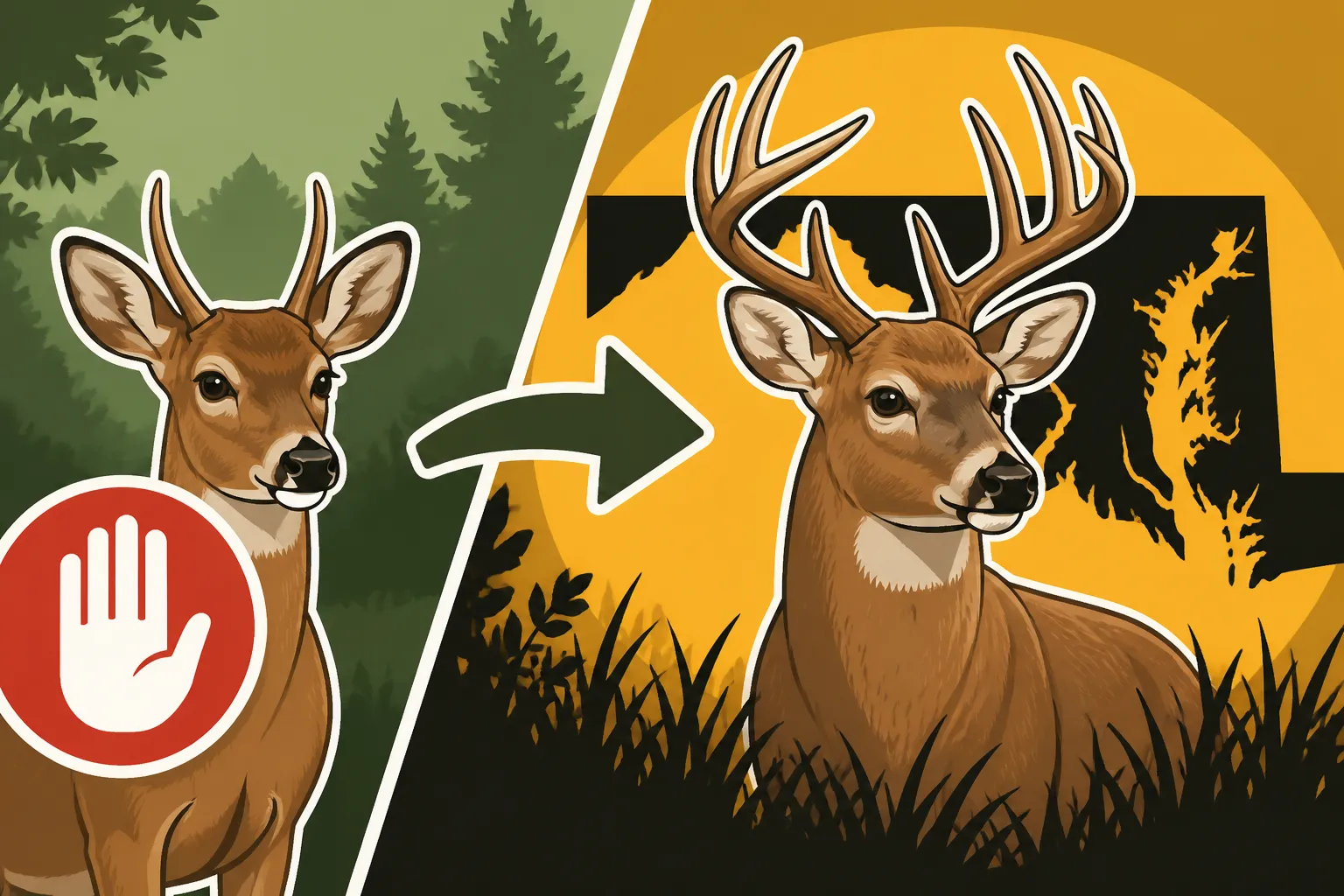
The "three-point" rule isn't just an arbitrary hurdle for hunters; it's a carefully considered management tool. The primary objective is to protect young, yearling bucks (typically 1.5 years old) from harvest. By allowing these younger bucks to survive another year or two, they have the opportunity to grow larger bodies and more substantial antlers. This strategy, often referred to as Quality Deer Management (QDM), aims to create a more natural age structure within the deer herd.
When a significant portion of the buck population is allowed to mature, it can lead to several positive outcomes. You might see an increase in the number of older, larger-antlered bucks, which can enhance the hunting experience and provide more challenging pursuits. Biologically, older bucks also contribute to genetic diversity and stronger breeding cycles. This approach helps shift the focus from simply "filling a tag" to selectively harvesting mature animals, contributing to a healthier and more resilient deer population overall.
I've heard many hunters express frustration, seeing a promising young buck that's just shy of the three-point minimum and having to let it walk. It can feel disheartening, especially when a long day in the stand yields that one tantalizing opportunity. However, I can tell you from personal experience that the long-term rewards are worth that momentary disappointment. Over time, you start seeing the impact on your local hunting grounds, with more mature bucks showing up. It's all part of the broader framework of Maryland's Deer Bag Limits and Antler Rule, which balances harvest opportunities with herd health.
Strategies for Identifying and Passing Young Bucks
Executing the antler restriction in the field requires a sharp eye and quick judgment. It's not always easy, especially when a deer pops out unexpectedly, but with practice and a few key strategies, you can make confident decisions.
Judging Antlers in the Field
When a buck steps into view, the first instinct is often to focus on the antlers. This is where your ability to quickly and accurately count points becomes paramount. Remember, Maryland's rule specifies three points on one antler, and each point must be at least an inch long. This isn't just a mental exercise; it requires a disciplined visual scan. Start by identifying the main beam, then systematically count each projection from the base to the tip.
My advice? Always carry good binoculars. Even if you're using a scope, a good pair of binoculars allows you to glass the deer without raising your weapon, giving you precious extra seconds to confirm points. If a buck appears, take a deep breath, glass it thoroughly, and don't rush the shot. Wait for the deer to turn its head, ideally offering a broadside view that allows you to clearly see both sides of the rack. Many times, what looks like a single point from one angle might reveal itself as two from another, or a small burr might not meet the one-inch requirement. When in doubt, let it walk. It's far better to pass on a questionable buck than to face the consequences of an illegal harvest. This skill is intricately linked to Counting Antler Points Before You Shoot.
It's especially tricky in thick cover or low light conditions. I've been in situations in the early morning or late evening in Dorchester County where a sika stag's small antlers blend into the marsh reeds, making judgment almost impossible. In these scenarios, the "if you're not 100% sure, don't shoot" mantra is your best friend. Even if it's technically legal, if you're trying to let younger bucks mature, you might decide to pass on a smaller three-point anyway, setting your own higher standard. The GoHunt platform offers tools to log these sightings, helping you track individual deer and learn your hunting area better.
Assessing Body Size and Behavior
Antlers are certainly the most obvious indicator, but a buck's overall body size and behavior can tell you just as much, if not more, about its age. This is where being a keen observer really pays off. A yearling buck (1.5 years old) often has a "leggy" appearance; its legs seem disproportionately long compared to its body, and its neck is usually thin and blends almost seamlessly into its shoulders. They tend to have a more youthful, almost "gangly" look.
In contrast, a mature buck (3.5 years old and older) will appear much more "blocky" or "barrel-chested." Their neck will be thick and muscular, especially during the rut, creating a distinct transition line between the neck and shoulders. Their belly will often sag, and their back will appear more defined and muscular. Pay attention to how they move, too. Young bucks are often more skittish, less confident, and might move quickly and erratically. Older bucks tend to be more deliberate, slower, and exhibit a calm confidence, often ignoring younger deer.
During the rut, these behavioral differences become even more pronounced. An older, dominant buck will actively chase does, push around younger bucks, and generally display more aggressive posturing. If you observe a buck engaging in these behaviors, particularly a thick-necked animal aggressively pursuing does, there's a good chance it's a mature animal, regardless of its exact antler configuration beyond the minimum. This insight can be especially valuable when you're Hunting the Rut in Early to Mid November.
Overcoming the Urge to Shoot Too Soon
One of the biggest hurdles to consistently passing young bucks isn't the rule itself, but the internal struggle and the powerful adrenaline rush that comes with seeing a buck in your shooting lane. It takes mental fortitude to let a legal deer walk.
Mental Fortitude and Patience
Let's be honest, we've all been there. You've sat for hours, maybe days, and then a buck walks out. Your heart pounds, your hands might shake, and every fiber of your being screams, "Shoot!" The urge to fill that tag, to have a successful hunt, is incredibly strong. This is where patience and discipline become your most valuable hunting tools. Understanding that feeling and acknowledging it is the first step.
Remind yourself of your long-term goals. Are you simply trying to fill a tag, or are you committed to helping grow a healthier deer herd and potentially harvesting a larger animal in the future? Every young buck you pass is an investment. It's an act of faith that a bigger, more mature deer might come along, either later in the season or in subsequent years. I remember a particularly cold December morning in Garrett County, watching a handsome young 8-pointer move through the timber. He was legal, but his body was clearly that of a yearling. It was agonizing to let him go, but I pictured him the following year, a true monarch. This kind of disciplined choice not only improves the herd but also elevates the challenge and satisfaction of your hunt. Don't feel pressured to use your buck tag on the first legal deer, especially if you have other opportunities or seasons available to you. Thinking about Deciding Which Weapon Season to Spend Your Buck Tag strategically can help reduce this pressure.
Many experienced hunters will tell you that the greatest trophies aren't always about antler size, but about the story, the patience, and the commitment to a higher standard. Sometimes, the most rewarding part of the hunt is the deer you don't shoot. Building this mental fortitude takes practice, but it's a skill that will improve every aspect of your hunting experience.
Utilizing Technology and Scouting to Your Advantage
In today's hunting world, technology can be a huge ally in practicing selective harvesting. Trail cameras are perhaps the most powerful tool for "pre-scouting" your deer herd. By placing cameras on scrapes, rub lines, and travel corridors, you can get a good inventory of the bucks in your area long before the season even starts. This allows you to identify specific bucks, track their growth year after year, and make informed decisions about which ones you intend to pass or target.
Imagine being able to recognize "that smaller 8-point from last year" because you have his photos. That prior knowledge makes the in-the-moment decision in the stand much easier. Many hunters, myself included, will give specific bucks nicknames and aim to let them walk for a season or two. You can log these observations on mapping apps like GoHunt, which helps you visualize deer movement patterns and identify potential hotspots for mature bucks. This data-driven approach removes much of the guesswork and emotional stress from the actual hunt.
Beyond cameras, thorough pre-season scouting is non-negotiable. Knowing your hunting ground intimately – understanding bedding areas, food sources, and travel routes – gives you a significant advantage. If you know a particular funnel frequently produces mature buck sightings, you might feel more confident passing a young buck there, trusting that an older one could be along soon. This kind of detailed preparation is essential, whether you're Scouting Maryland Public Land Before Season or optimizing your camera placement by learning Where to Hang a Camera on a Maryland Field Edge. Having a plan and confidence in your scouting makes passing on a young buck a strategic move, not just a difficult emotional choice.
The Long-Term Benefits of Selective Harvesting
Practicing patience and selective harvesting isn't just about personal achievement; it has profound, positive impacts on the deer herd and the overall hunting landscape in Maryland.
Improving Your Local Deer Herd Quality
The most direct and significant benefit of passing young bucks is the improvement of your local deer herd's quality. When yearling bucks are protected, they live longer, grow larger bodies, and develop more impressive antlers. This isn't just about vanity; it contributes to a more balanced age structure within the buck population. In a healthy, balanced herd, there are more older bucks competing for breeding opportunities, which can lead to a more intense and efficient rut.
A balanced herd also means a healthier doe-to-buck ratio. By focusing harvest efforts on mature bucks (which means often passing the smaller ones until they grow) and carefully managing antlerless deer numbers, hunters play a crucial role in maintaining this balance. This approach can reduce the stress on food sources, particularly important in areas where deer populations are high, thereby leading to healthier animals across the board. Understanding What Maryland Deer Eat Through Winter helps illustrate how forage availability impacts overall herd health and antler development.
Ultimately, selective harvesting is a cornerstone of Quality Deer Management, leading to a more robust, genetically diverse, and resilient deer population. It's a testament to the fact that hunters are not just consumers of wildlife but active stewards of the resource, making choices that benefit future generations of both deer and hunters.
Enhancing Your Hunting Experience
While the biological benefits are compelling, the enhancement of your personal hunting experience is perhaps the most immediate and tangible reward of passing young bucks. This approach transforms hunting from a simple act of harvesting into a more profound, strategic, and deeply engaging pursuit. The thrill of the chase becomes less about the kill and more about the art of the hunt itself.
When you commit to letting young bucks walk, you become a more observant and patient hunter. You spend more time studying deer behavior, scrutinizing every detail, and truly learning the land. You'll find yourself investing more in scouting, understanding subtle sign, and becoming more attuned to the nuances of the natural world. The satisfaction of finally harvesting a mature buck you've watched grow over several seasons, knowing you consciously contributed to its potential, is an unparalleled feeling of accomplishment. It’s a completely different level of fulfillment than simply taking the first legal buck that steps out.
This mindset encourages a deeper connection with nature and a greater appreciation for the wildlife you pursue. It fosters a sense of stewardship and responsibility that extends beyond a single hunting season. Whether you're carefully Hunting a Farm Along the Potomac or quietly Still-Hunting a Savage River Oak Flat in Western Maryland, the discipline of selective harvesting can elevate every moment you spend in the woods, making each hunt more meaningful and memorable.
| Characteristic | Young Buck (1.5 years old) | Mature Buck (3.5+ years old) |
|---|---|---|
| Body Shape | "Leggy" or "racy" appearance, legs seem long for body. | "Blocky" or "barrel-chested," deep chest, broad back. |
| Neck Size | Thin, blends smoothly into shoulders. | Thick, muscular, especially during the rut; distinct transition to shoulders. |
| Antler Potential | Smaller rack, often 4-6 points, beams thin. | Larger rack, potentially 8+ points, thicker beams, more mass. |
| Behavior | Skittish, quick, nervous, less dominant. | Calm, deliberate, confident, dominant over younger deer. |
| Forehead | Often appears large relative to face. | Appears smaller, filled out, in proportion to face and jaw. |
Disclaimer
Please remember that hunting regulations, including antler restrictions and licensing requirements, can change. Always consult the most current Maryland Department of Natural Resources (DNR) hunting guide before heading into the field to ensure you are in full compliance with state laws. This article is intended for informational purposes only and should not be considered a substitute for official DNR publications or professional advice.