Mink Along Maryland Creeks and Marsh Edges
Maryland mink habitats, semi-aquatic traits, and predatory habits involving muskrats, fish, and frogs along creeks and marshes.
Know what you’re after.
Big game, small game, upland birds, and waterfowl — identification, behavior, rut and migration timing, and how each species moves through the season.
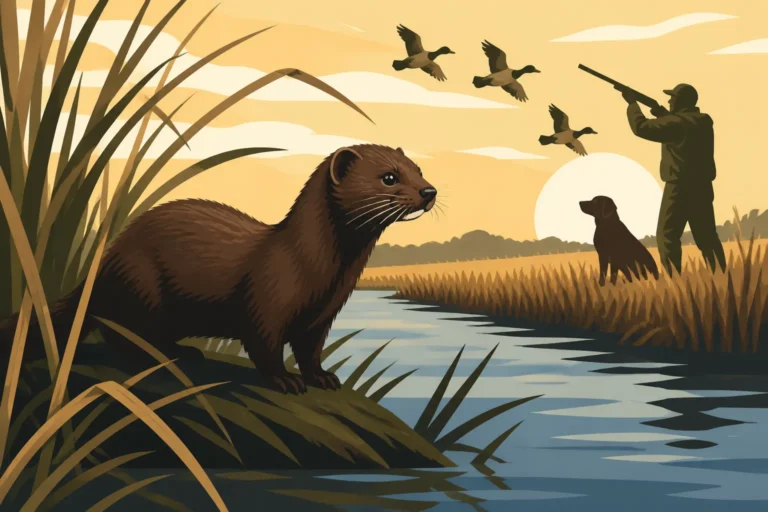
Maryland mink habitats, semi-aquatic traits, and predatory habits involving muskrats, fish, and frogs along creeks and marshes.
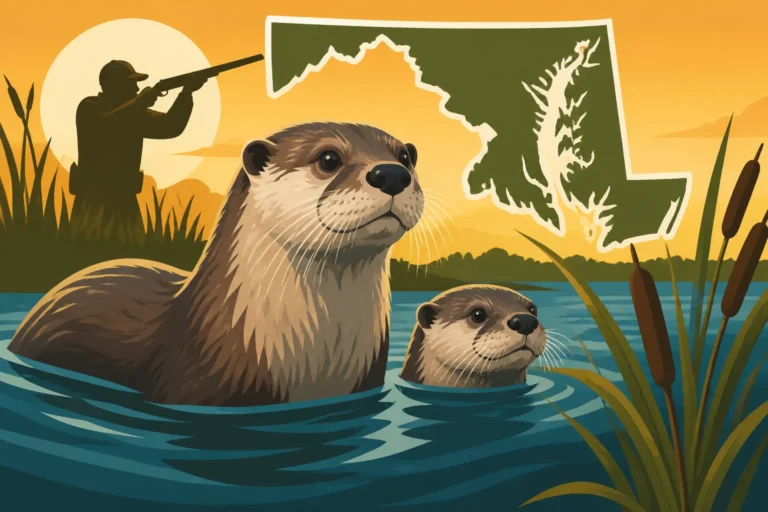
Maryland river otters inhabit freshwater systems, tidal marshes, and mountain streams, leaving distinct tracks, slides, and spraint.
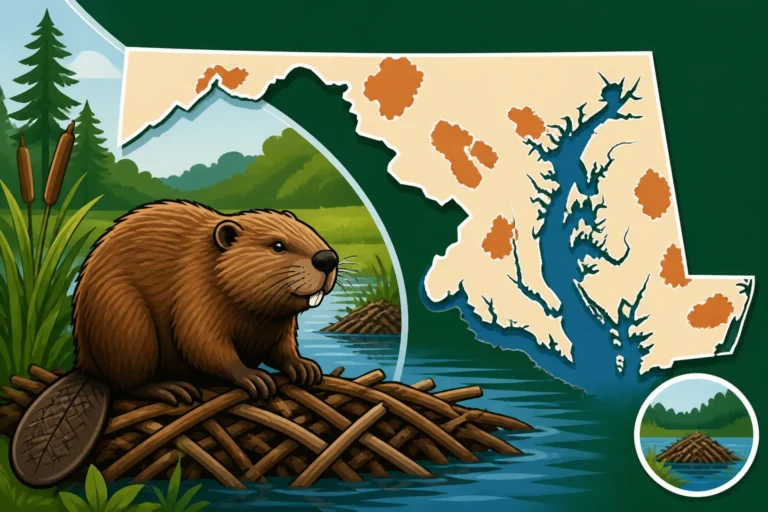
Beaver population recovery across Maryland streams explains how dam building alters local waterways and creates new wetlands.
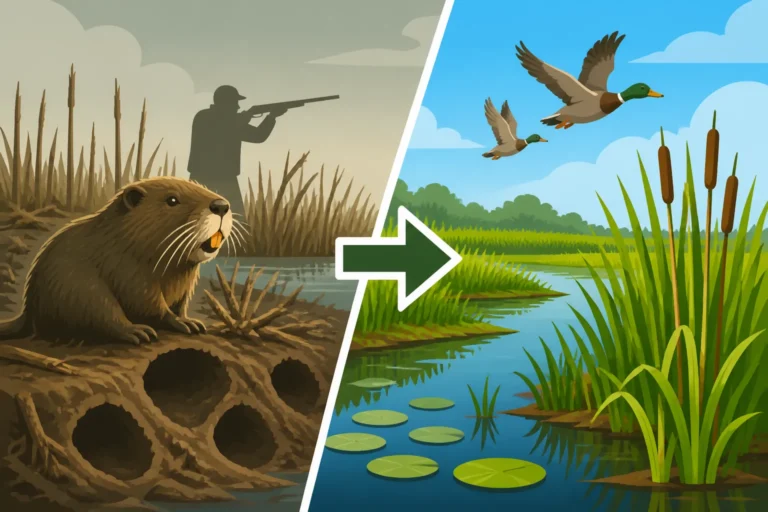
Nutria eradication in Maryland marshes stopped wetland destruction, revived native vegetation, and protected Chesapeake Bay waterfowl habitats.
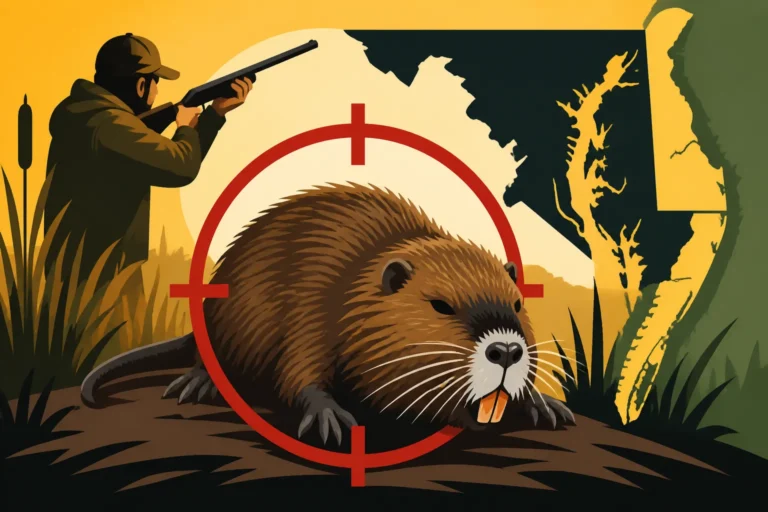
Hunters, trappers, and conservationists wiped out invasive nutria rodents, saving Maryland tidal marshes from total ecological destruction.
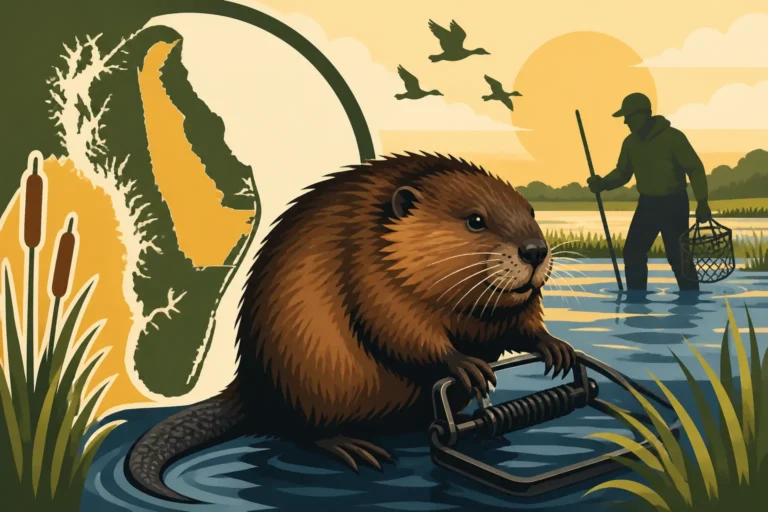
Muskrat trapping on the Delmarva Peninsula prevents marsh erosion, manages wildlife populations, and protects vulnerable wetland habitats.
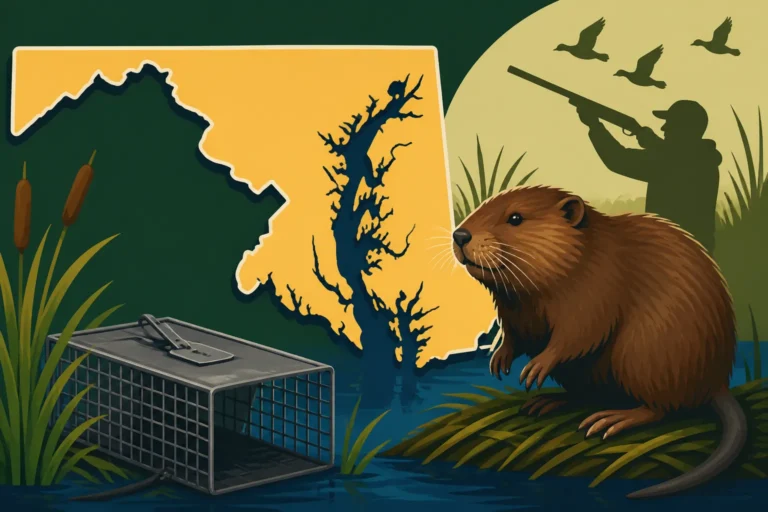
Maryland muskrat habitats include tidal marshes, freshwater wetlands, and agricultural drainage ditches across the state.
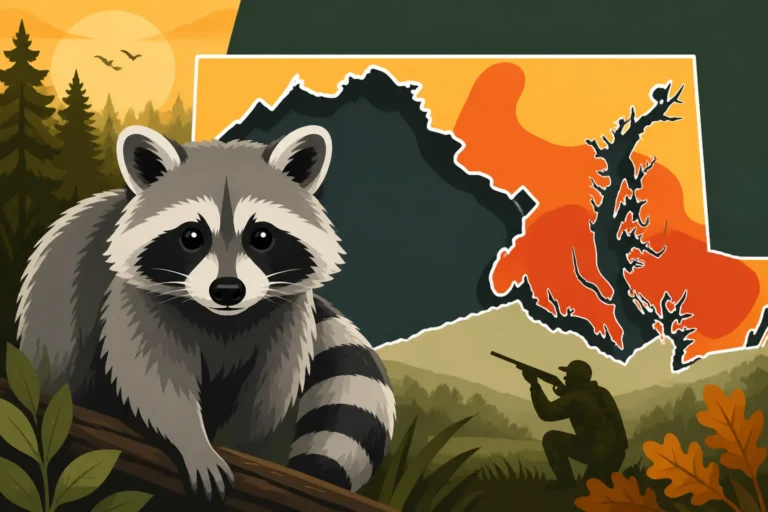
Maryland raccoon population levels, geographical ranges, and habitat adaptations across forests, suburbs, and tidal marshes.
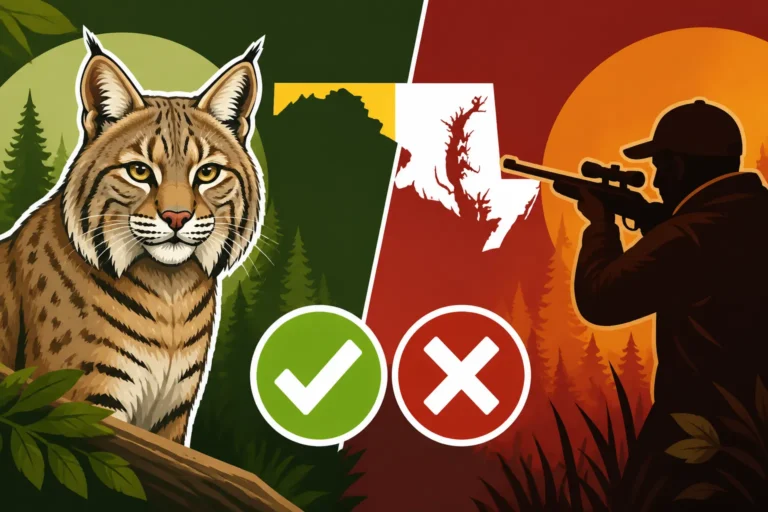
Maryland bobcat hunting laws and the legal status of wild felines weighing between fifteen and forty pounds in Western Maryland.
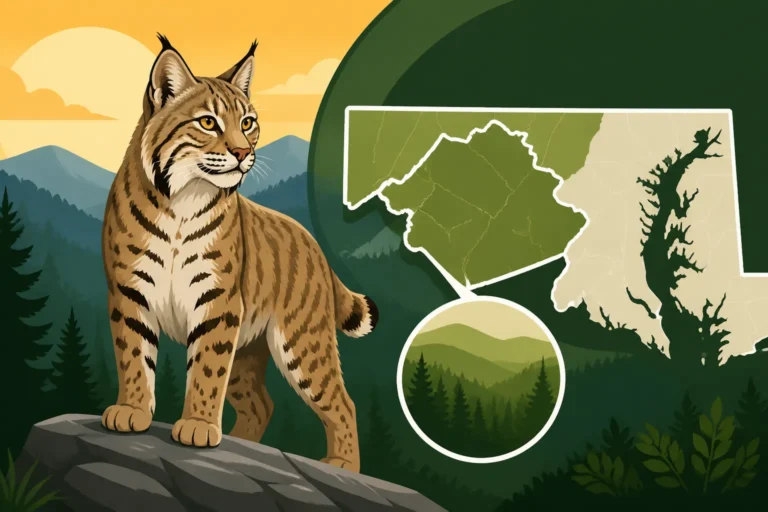
Western Maryland bobcat populations live in heavily forested mountain terrain across Garrett, Allegany, and Washington counties.