Best Maryland Public Ground for Turkey
Finding a solid turkey hunting spot on public land in Maryland can feel like searching for a needle in a haystack, especially when you're competing with other hunters or trying to decipher dense regulations. It's frustrating to drive all that way only to find out the birds are educated or the access is a nightmare. This guide is here to cut through that noise and help you pinpoint some of Maryland's best public ground for turkey hunting, offering insights into where to go and how to increase your chances of calling in a gobbler.
Understanding Maryland's Turkey Habitat on Public Lands
Maryland boasts a surprisingly diverse landscape for turkey hunting, from the rugged mountains of the west to the flat, mixed woodlands of the Eastern Shore. Each region offers distinct advantages and challenges, and understanding these differences is key to successful public land turkey hunting.
Western Maryland's Mountainous Terrain
When you think of turkey hunting in Maryland, especially on public land, the western counties often come to mind first. Areas like Green Ridge State Forest and Savage River State Forest are vast, expansive, and offer the kind of solitude many turkey hunters crave. Here, the turkeys roam through extensive oak flats, along winding creek bottoms, and up and down steep ridgetops. These birds are often more spread out and can be quite challenging to locate and call in, accustomed as they are to vast wild areas.
The terrain itself is a major factor. You'll be doing a lot of hiking, sometimes covering significant elevation changes. This isn't flat-ground hunting, and your physical endurance will be tested. However, the reward can be a truly wild bird, less pressured than those closer to population centers. Knowing how to read the terrain for travel corridors, feeding areas, and potential roosts is paramount here. Look for old logging roads, bench cuts on hillsides, and saddles between ridges. These are natural funnels that gobblers often use. Still-Hunting Western Maryland Mountain Timber can be a great tactic when birds are henned up or unresponsive to calling.
Central Maryland's Piedmont and Agricultural Areas
Moving east into Central Maryland, the landscape shifts from rugged mountains to rolling hills, mixed hardwoods, and a patchwork of agricultural fields. Public lands in this region, such as parts of Cunningham Falls State Park or Soldiers Delight Natural Environmental Area (where hunting is sometimes allowed seasonally), tend to be smaller and closer to more densely populated areas. This often means higher hunting pressure and more educated birds.
Turkeys in these areas frequently utilize the edges where woodlands meet farm fields, feeding on waste grain or insects. They'll roost in the tallest trees within these woodlots and spend their days traversing creek bottoms and open hardwood ridges. The challenge here is finding those pockets of less-disturbed habitat and adapting your calling tactics to birds that have likely heard it all before. Access points can be limited, and scouting heavily for areas that might offer a bit more seclusion is a smart move.
Eastern Shore's Mixed Woodlands and Agriculture
The Eastern Shore presents a completely different flavor of turkey hunting. While the region is often associated with waterfowl, it holds a strong turkey population, especially in the larger state forests and wildlife management areas. Think of places like Idylwild Wildlife Management Area, Pocomoke State Forest, or Millington Wildlife Management Area. Here, the habitat is often characterized by loblolly pine plantations mixed with mature hardwoods, bordered by vast agricultural fields.
Turkeys on the Eastern Shore are masters of using these varied habitats. They'll roost in tall pines, feed in oak bottoms, and utilize field edges, especially in the early morning. The terrain is generally much flatter than in Western Maryland, which can make covering ground easier, but it also means hunters can be heard and seen from further away. Roost Hunting Gobblers on Maryland Farmland is a common and effective tactic in this region, as birds are often predictable in their morning movements from roost to feeding areas. Pay close attention to transition zones between pine and hardwoods, and look for signs near ditches and drainages that provide water sources.
Key Public Land Areas Known for Turkey Production
While many public lands across Maryland hold turkeys, some stand out for their size, habitat quality, and consistent turkey populations. These are the places that often get recommended, but success still hinges on good scouting and solid hunting skills.
Western Maryland Hotspots
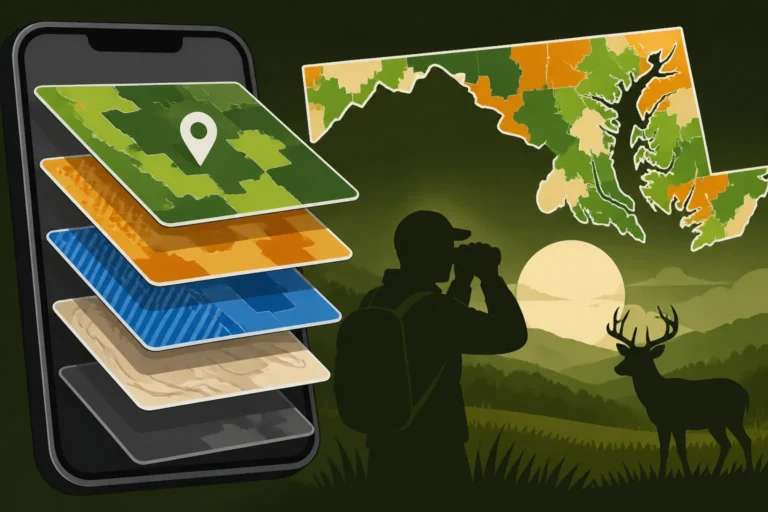
Without a doubt, Green Ridge State Forest in Allegany County is often considered a premier destination for public land turkey hunting in Maryland. It's the state's second-largest state forest, covering over 49,000 acres, and it's a true mountain hunting experience. The forest is dominated by oak and hickory, providing abundant mast crops for turkeys. You'll find a healthy population of birds here, but you'll earn them. Getting away from the roads and other hunters requires effort. Deep hollows, sprawling ridgetops, and extensive timber cuts create excellent habitat. Hunters often find success by hiking in before daylight, listening for gobblers to strike on the roost, and then moving in strategically. It's a place where e-scouting with tools like onX Hunt to identify topography, trails, and potential access points before you even leave home is incredibly helpful.
Savage River State Forest in Garrett County is another fantastic option, even larger than Green Ridge. It offers similar rugged, mountainous terrain and excellent turkey habitat. This area sees less overall hunting pressure than Green Ridge in some spots, simply due to its remoteness and steeper grades. The key here is exploring the vast stretches of forest, especially areas with a good mix of mature hardwoods and regeneration. Hunting along the edges of clear-cuts or older timber operations can be productive, as these areas often provide dense cover for nesting and bugs for poults. For either of these western giants, be prepared for a physical hunt and don't be afraid to put on some serious miles.
Eastern Shore Gems
On the Eastern Shore, Idylwild Wildlife Management Area in Caroline County is a gem for turkey hunters. While not as vast as the western forests, its diverse habitat makes it highly attractive to turkeys. It features a mix of mature hardwoods, pine plantations, and open fields, creating excellent edges and food sources. Turkeys here thrive on the mast crops from the oaks and the insects found in the open areas. Due to its size, around 4,000 acres, it can see pressure, but savvy hunters who scout effectively can find birds. Look for areas with dense undergrowth for security cover near feeding areas.
Another significant area is Pocomoke State Forest in Worcester County, which offers a large expanse of mixed pine and hardwood forest. The Pocomoke River bottomlands provide unique habitat and can hold turkeys, especially early in the season before foliage gets too thick. This area can feel wild, with vast sections of timber. Utilizing aerial imagery from GoHunt or onX Hunt can help you identify clear-cuts, creek drainages, and subtle elevation changes that turkeys might prefer.
Lesser-Known Opportunities in Central/Southern Maryland
Don't overlook the smaller, often more fragmented public lands in Central and Southern Maryland. While these areas might be closer to development and experience more pressure, they can still offer quality turkey hunting, especially for hunters willing to work a little harder. Cedarville State Forest in Charles County and Doncaster State Forest in Charles and St. Mary's counties are examples. These forests offer mixed hardwoods and pines, with various terrain features that turkeys utilize.
The key to success in these smaller, more pressured areas is finding those overlooked pockets. This often means walking further than most, crossing difficult terrain, or hunting during weekdays when pressure is lower. Look for thick creek bottoms, isolated ridges, or corners of the property that are harder to access. These spots can act as sanctuaries for birds trying to escape the crowds. Often, these birds are much quieter on the roost and require more aggressive scouting to locate. Hunting Southern Maryland's Woods and Creeks offers good insights into this region.
Strategies for Locating Turkeys on Maryland Public Land
Finding turkeys on public land is rarely a matter of luck. It's a calculated effort that combines pre-season preparation with on-the-ground intuition.
Pre-Season Scouting and E-Scouting
The absolute best way to consistently find turkeys on public land is through diligent pre-season scouting. Start at home with e-scouting. Use mapping tools like onX Hunt to pour over aerial photos and topographical maps. Look for key features:
- Roosting Areas: Identify the tallest timber, especially mature hardwoods or pines, near water sources or along ridgelines. These are prime spots where turkeys will spend the night.
- Travel Corridors: Pinpoint natural funnels like saddles, creek bottoms, old logging roads, or points of land that birds might use to move between roosting, feeding, and strutting areas.
- Feeding Zones: Look for oak flats (mast producers), fields (waste grain, insects), or areas with dense undergrowth that might hold bugs and berries.
- Water Sources: Turkeys need water daily, so identify streams, ponds, or low-lying areas.
Once you have potential spots identified, use GoHunt to check for any special public land regulations or permit requirements that might apply to your chosen area. This desktop research will save you countless hours of wandering aimlessly in the woods.
On-the-Ground Reconnaissance
After your digital deep dive, it's time to hit the woods. Ideally, you want to do this a few weeks before the season opens. Walk those potential roosting areas at dawn, listening for gobblers sounding off. Visit feeding areas in the mid-morning, looking for tracks, droppings, and dusting bowls. Don't be afraid to scratch in the leaves like a hen or make a few soft yelps to see if you get a response.
This boots-on-the-ground scouting is crucial for confirming your e-scouting findings and understanding current conditions. Has there been a recent timber cut? Are the oak trees producing acorns? Is there standing water in a creek bottom? All of these can affect turkey movement. Look for fresh sign: large turkey tracks, piles of droppings (especially larger ones from gobblers), and areas where birds have "dusted" themselves in dry dirt. Scouting Maryland Public Land Before Season provides more detail on this critical step.
Adapting to Hunting Pressure
Public land turkeys are generally more wary and less vocal than their private land counterparts due to constant human interaction. If you're hunting an area known for pressure, you need to adapt.
- Go Deep: Most hunters don't venture far from roads or established trails. If you can push further into the timber, you're more likely to find less pressured birds.
- Hunt Later: Early morning is prime time, but if birds are henned up or pressured, they might go quiet. Sometimes, a midday hunt or an afternoon set-up can be productive as birds regroup or move to different feeding areas.
- Vary Your Calling: Aggressive calling might work on unpressured birds, but educated public land gobblers often respond better to soft, subtle calls, or even no calling at all once you're set up close. Sometimes, silence is your best call.
- Focus on the Unexpected: Look for small, isolated patches of woods, overlooked creek fingers, or thickets that other hunters might bypass. These often hold birds looking for refuge.
Important Considerations for Public Land Turkey Hunters
Beyond finding the birds, a few other factors are critical for a safe and successful public land turkey hunt in Maryland.
Navigating Permits and Regulations
Maryland's public lands often have specific rules that vary by location. Some Wildlife Management Areas (WMAs) might require a free public hunting permit, or even special lottery permits for certain seasons or species. Green Ridge State Forest, for instance, has areas that require a permit during some seasons. Always double-check the Maryland Department of Natural Resources (DNR) website for the specific public land you plan to hunt. They'll have details on Maryland Spring Turkey Permit Rules, hunting hours, legal weapons, and any local restrictions. It's your responsibility to know these rules before you ever step foot in the woods. Ignorance of the law is never an excuse!
Respecting Other Users and Safety
Public lands are shared resources. You'll likely encounter hikers, mountain bikers, bird watchers, and other hunters. Be courteous and mindful of others.
- Hunter Safety: Always identify your target positively and be aware of your surroundings. Remember that turkeys are low to the ground. Wear blaze orange when walking to and from your hunting location, especially during firearm seasons for other species, though blaze orange is generally not required (or even advised) once you're set up for turkey.
- Respecting Space: If you arrive at a spot and another hunter is already working a bird, move on and find another area. There's plenty of public land to share.
- Ethical Hunting: Beyond legal requirements, always strive for an ethical shot and retrieve your bird quickly. Leave no trace of your presence behind.
Gear Essentials for Public Land Success
Your gear can make or break a public land turkey hunt, especially when you're covering significant ground.
- Comfortable Boots: Invest in high-quality, waterproof hunting boots. You'll be doing a lot of walking, often through varied terrain and potentially wet conditions.
- Layered Clothing: Maryland spring weather can be unpredictable. Dress in layers so you can adjust to changing temperatures throughout the day.
- Calls: Carry a variety of calls – a pot call, a box call, and a few mouth calls. Different birds respond to different sounds, and having options is crucial.
- Decoy (Optional): A lightweight, realistic turkey decoy can sometimes entice a wary gobbler the last few yards, but they can also be ignored or spook birds if set up incorrectly. Understand when and how to use them.
- Navigation Tools: A reliable GPS or mapping app like onX Hunt on your phone is non-negotiable. It's easy to get turned around in large public tracts. Always carry a compass as a backup.
- First Aid Kit: Be prepared for minor injuries.
- Water and Snacks: Stay hydrated and fueled, especially if you're putting in miles.
Navigating Maryland's public lands for turkey hunting is a rewarding challenge. By understanding the varied habitats, focusing on key areas, employing effective scouting strategies, and being prepared, you can greatly increase your odds of tagging a gobbler this spring.
| Public Land Area (Primary County) | Approximate Size (Acres) | Primary Habitat | Typical Turkey Behavior | Notes |
|---|---|---|---|---|
| Green Ridge State Forest (Allegany) | 49,000+ | Oak/Hickory Forests, Ridgetops | Wide-ranging, responds to aggressive calling | Rugged terrain, requires physical effort, excellent for solitude. Check for specific permit requirements. |
| Savage River State Forest (Garrett) | 55,000+ | Mixed Hardwoods, Pine, Creek Bottoms | Spread out, may require more scouting | Very remote in spots, less pressure than Green Ridge, good for deep woods hunters. |
| Idylwild WMA (Caroline) | 4,000+ | Mixed Hardwoods, Pine Plantations, Fields | Utilizes edges, responds to soft calls | Smaller, can see pressure; focus on interior sections and transitions. |
| Pocomoke State Forest (Worcester) | 15,000+ | Mixed Pine/Hardwood, River Bottoms | Uses diverse cover, can be found near water | Flat terrain, good access, look for older timber stands and river corridors. |
| Cedarville State Forest (Charles) | 3,500+ | Mixed Hardwoods/Pine | Wary, requires patience and quiet movement | Closer to population centers, higher pressure, hunt weekdays or less accessible spots. |
Disclaimer
This article is for general informational purposes only and does not constitute professional advice. Laws, prices and regulations vary by location and change over time. Consult a qualified professional for guidance on your specific situation.