Which Maryland County Has the Most Public Land
It’s a common scenario for many Maryland hunters: you’re eager to get out into the woods, but securing private land access can feel like an insurmountable challenge. The good news is, our state offers a surprising amount of public hunting ground, but figuring out where the bulk of it lies, and how to access it effectively, can be a real head-scratcher. This guide aims to clear up that confusion, helping you pinpoint which Maryland county stands out for its vast public hunting opportunities, and how you can make the most of them.
Understanding "Public Land" for Hunting in Maryland
Before we dive into specific counties, it’s important to clarify what we mean by "public land" when it comes to hunting in Maryland. It's not just one big, uniform chunk. Our state has a variety of designations, each with its own rules, management, and hunting opportunities. Understanding these distinctions is crucial for planning a successful and legal hunt.
Different Types of Public Hunting Areas
Maryland's public hunting lands come in several forms, each managed by different agencies and with varying regulations. It's not enough to simply see "public land" on a map; you need to know what kind of public land it is.
- Wildlife Management Areas (WMAs): These are perhaps the most dedicated public hunting grounds. Managed directly by the Maryland Department of Natural Resources (DNR), WMAs are specifically acquired and maintained for wildlife habitat and public recreation, including hunting. They often feature a mix of forest, open fields, and wetlands, depending on the region. Examples include the vast Green Ridge State Forest in Western Maryland, which also functions as a WMA in many ways, or smaller, more diverse WMAs scattered across the Eastern Shore like Fishing Bay. Regulations can vary significantly from one WMA to another, so always check the specific rules for the area you plan to hunt. Some WMAs might even require special permits or have check-in procedures during certain seasons.
- State Forests: Maryland's State Forests, like Savage River or Potomac State Forests, are managed for multiple uses, including timber production, recreation, and wildlife habitat. Hunting is generally permitted in designated areas within these forests. These lands often encompass vast tracts of timber, steep terrain, and remote areas, providing excellent opportunities for still-hunting deer and turkeys. While hunting is a major component, remember that these areas are also used by hikers, mountain bikers, and campers, so always be aware of other users and practice extreme caution.
- State Parks: While many state parks allow some form of hunting, the regulations are typically more restrictive than in WMAs or State Forests. Hunting might be limited to specific seasons, weapon types, or even designated zones. Some parks participate in managed deer hunts to control populations within suburban areas. Always verify the specific rules for any state park you consider, as they are often detailed on the DNR website or at park headquarters. For example, some parks might only allow archery hunting for deer, or may only open certain days of the week.
- Federal Lands: Maryland also hosts some federal lands, such as portions of the Monongahela National Forest (though mainly in West Virginia, it touches parts of our western border) and certain National Wildlife Refuges. Blackwater National Wildlife Refuge on the Eastern Shore, for instance, offers limited, permit-based hunts for sika and white-tailed deer. These federal lands operate under their own sets of regulations in addition to state hunting laws, so meticulous research is always necessary.
- Program Lands (e.g., Cooperative Wildlife Management Areas): Sometimes, private landowners enroll their property in programs that open it up to public hunting, often through a permit or reservation system. These lands offer unique opportunities, often closer to populated areas, but usually come with strict rules regarding access, parking, and hunting methods.
The Importance of Knowing Public Land Designations
Knowing the specific designation of public land isn't just about following rules; it's about understanding the hunting experience you can expect and the limitations you might encounter. A State Forest might offer expansive, rugged terrain for a multi-day backcountry hunt, while a smaller WMA might be better suited for a day trip targeting small game or a specific type of deer hunt.
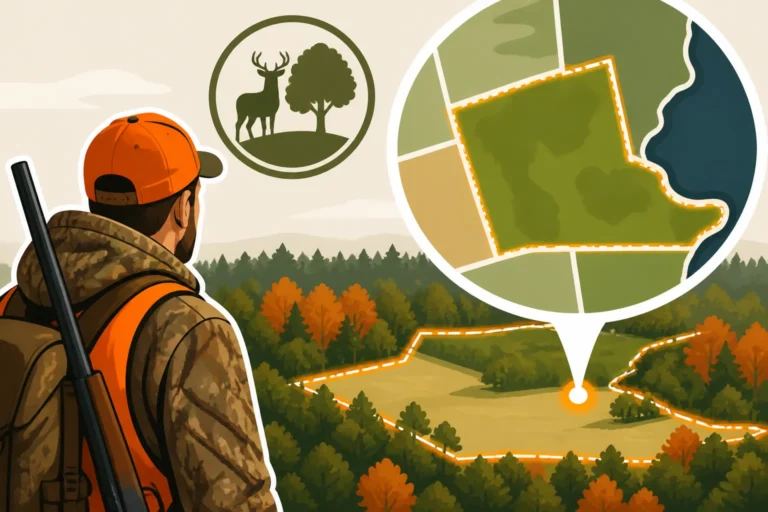
Moreover, clearly understanding boundaries is paramount. You absolutely do not want to inadvertently trespass onto private property. This is where modern mapping applications become indispensable. Tools like onX Hunt and GoHunt have revolutionized how hunters navigate both public and private lands. They provide detailed satellite imagery overlaid with property ownership lines, public land boundaries, and even features like roads, trails, and topo lines. You can literally see where the public land ends and private property begins right on your phone screen. This kind of technology helps prevent accidental trespass and allows you to confidently explore unfamiliar areas. Don't rely solely on old paper maps; invest in these digital tools and know how to use them to keep yourself legal and safe.
Maryland's Top County for Public Hunting Land
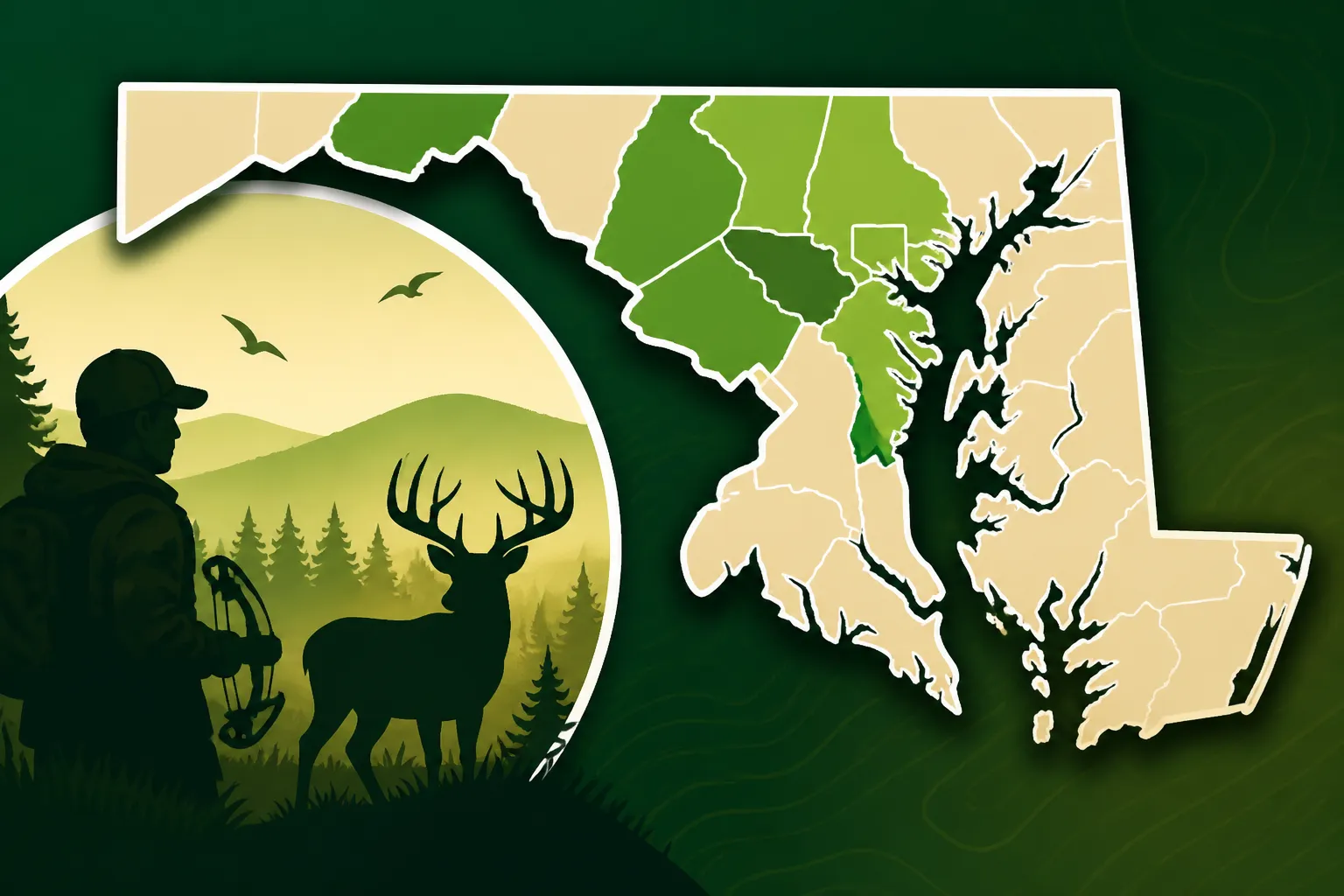
When it comes to sheer acreage and diverse opportunities for public hunting, one county in Maryland stands head and shoulders above the rest: Allegany County. Located in the rugged Appalachian Mountains of Western Maryland, it offers an expansive landscape perfect for hunters seeking a more remote and challenging experience.
Allegany County: A Mountainous Haven
Allegany County boasts the largest amount of public hunting land in Maryland, primarily due to its significant portions of state forests and wildlife management areas. This makes it a true haven for hunters who appreciate vast tracts of timber, steep ridges, and the chance to truly get away from the crowds found in more developed areas.
The topography here is classic Appalachian mountain country, characterized by dense hardwood forests, deep hollows, and winding creek bottoms. This rugged landscape provides excellent habitat for a variety of game species, most notably white-tailed deer, wild turkeys, and black bears. Deer hunting often involves still-hunting through timber, setting up stands along ridge saddles, or targeting late-season food sources in the valleys. Turkey hunters will find plenty of opportunities to roost hunt gobblers or call birds on vast ridges during the spring season. Black Bear Hunting in Western Maryland is a highly sought-after experience, and Allegany County is one of the premier locations for it, albeit requiring a successful draw in the annual lottery.
Key public hunting areas in Allegany County include:
- Green Ridge State Forest: This is Maryland's largest continuous tract of public land, encompassing over 49,000 acres. It's an immense area offering exceptional hunting for deer, turkey, and bear. Hunters can spend days exploring its numerous roads, trails, and timber blocks. Its sheer size means that with some effort, you can find areas that see less hunting pressure. Hunting a Green Ridge Permit Zone requires obtaining a permit, but many areas are open to general hunting.
- Warrior Mountain Wildlife Management Area: A significant WMA offering more mountainous terrain, often characterized by dense cover and challenging access points. It's a fantastic spot for those looking to put in some miles and escape the crowds.
- Dan's Mountain Wildlife Management Area: Another substantial WMA known for its rugged terrain and good populations of deer and turkey. It offers a true mountain hunting experience with plenty of elevation changes.
The vastness of Allegany County's public land means that while you might encounter other hunters, there's usually enough room for everyone, especially if you're willing to hike beyond the immediate road access points. Using mapping apps like onX Hunt here is invaluable for navigating the maze of logging roads, identifying property boundaries, and scouting potential game corridors.
Garrett County: A Close Second in Western Maryland
Right next door to Allegany, Garrett County holds the second-largest amount of public hunting land in Maryland. While often associated with its snowy winters and Deep Creek Lake, Garrett County's expansive forests offer similar, if slightly different, hunting opportunities compared to Allegany.
Garrett County also boasts classic Appalachian scenery, though often with higher elevations and a greater prevalence of evergreen forests mixed with hardwoods. This habitat supports strong populations of white-tailed deer, wild turkeys, and is also prime Black Bear Hunting in Western Maryland territory. The colder climate and deeper snows in Garrett can influence deer and bear movements, making for unique late-season strategies.
Significant public hunting areas in Garrett County include:
- Savage River State Forest: A truly massive and wild area, over 55,000 acres of remote, rugged forest land. It's renowned for its backcountry feel and provides incredible opportunities for big woods deer and bear hunting. Still-Hunting Western Maryland Mountain Timber is a favored tactic here, as is seeking out those remote benches and oak flats for deer.
- Potomac State Forest: Another large state forest offering extensive hunting grounds, often with a mix of mature timber and younger regeneration areas that can be magnets for deer.
- Meadow Mountain Wildlife Management Area: Located in the higher elevations, this WMA offers varied terrain, from open meadows to dense timber, making it attractive for diverse hunting strategies.
Both Allegany and Garrett counties are the undisputed champions when it comes to the sheer quantity and quality of public land available to Maryland hunters looking for a big game experience. Whether you're chasing White-Tailed Deer in Maryland in the hardwoods or calling Wild Turkeys in Maryland across a mountain hollow, these western counties provide the canvas for adventure.
Other Notable Counties with Significant Public Access
While Allegany and Garrett counties lead the pack, it's worth noting that other Maryland counties also offer substantial and often unique public hunting opportunities. These might not have the same overall acreage, but they provide critical access for different types of hunting or for hunters located in other regions of the state.
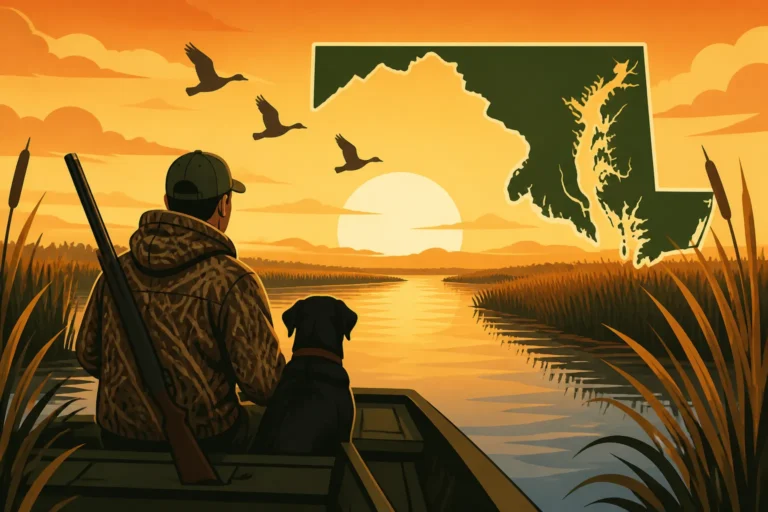
- Dorchester County (Lower Eastern Shore): Known primarily as the heart of Sika Deer Hunting in Maryland's Tidal Marshes, Dorchester County offers extensive public marshland through WMAs like Fishing Bay and Deal Island. While it doesn't boast the vast forests of Western Maryland, its unique marsh ecosystems provide unparalleled opportunities for sika deer, waterfowl, and small game. Hunters here often rely on boats and chest waders to access the best spots, and understanding the tides is paramount.
- Wicomico and Somerset Counties (Lower Eastern Shore): These counties, alongside Dorchester, offer significant wetland and forested WMA lands, particularly important for waterfowl and sika deer. Lands like Idylwild WMA in Caroline and Queen Anne’s Counties offer a mix of farm fields and woodlots, providing excellent deer and small game opportunities, often closer to population centers.
- Frederick and Washington Counties (Central Maryland): These counties in the Piedmont and Blue Ridge regions offer public lands like parts of South Mountain State Forest, Catoctin Mountain Park (with specific regulations), and various WMAs. These areas provide excellent deer and turkey hunting opportunities, often within a reasonable drive for hunters from the Baltimore-Washington metropolitan area. Hunting an Orchard Edge in Frederick County or Hunting South Mountain in Frederick County are popular local options.
- Charles and St. Mary's Counties (Southern Maryland): These counties also have state forests like Cedarville and Doncaster, offering good deer and turkey hunting, particularly appealing to hunters in the southern part of the state.
While not topping the list for most land, these counties are vital pieces of Maryland's public hunting puzzle, each offering distinct experiences and targeting different species or methods.
| Feature | Allegany County (Western Maryland) | Garrett County (Western Maryland) | Dorchester County (Lower Eastern Shore) |
|---|---|---|---|
| Primary Terrain | Rugged Appalachian Mountains, Hardwood Forests | High Appalachians, Mixed Hardwood/Evergreen | Tidal Marshes, Loblolly Pines, Farmland |
| Dominant Game Species | White-tailed Deer, Black Bear, Wild Turkey | White-tailed Deer, Black Bear, Wild Turkey | Sika Deer, Waterfowl, White-tailed Deer |
| Key Public Lands | Green Ridge State Forest, Warrior Mountain WMA, Dan's Mountain WMA | Savage River State Forest, Potomac State Forest, Meadow Mountain WMA | Fishing Bay WMA, Deal Island WMA, Blackwater NWR |
| Hunting Style | Still-hunting, stand hunting, spot-and-stalk | Still-hunting, stand hunting, calling | Marsh wading, boat access, blind hunting |
| Access Challenge | Steep slopes, remote areas, extensive hiking | High elevations, potentially deep snow | Tides, mud, thick cover, boat dependency |
Maximizing Your Hunt on Maryland Public Land
Hunting public land successfully often requires a different mindset and set of skills than hunting private ground. It's about preparedness, adaptability, and using the right tools to gain an edge.
Essential Tools for Navigating Public Land Boundaries
Gone are the days when a crumpled paper map and a compass were your only guides. While those traditional tools still hold value, modern technology offers an unparalleled advantage for public land hunters.
- Mapping Applications (onX Hunt, GoHunt): These are perhaps the most crucial tools in a public land hunter's arsenal. Applications like onX Hunt and GoHunt provide detailed satellite imagery, topographic maps, and, most importantly, clearly marked public and private property boundaries. This visual aid is invaluable. You can see exact property lines, identify land ownership, and ensure you're always within legal hunting areas. Features like GPS tracking show your precise location, allowing you to confidently navigate dense timber or unfamiliar marsh. You can drop waypoints for sign, stands, or entry/exit routes. Before hitting the woods, spend time scouting from your couch using these apps to identify potential bottlenecks, escape routes, bedding areas, and food sources. They allow you to Scouting Maryland Public Land With Aerial Photos from afar and formulate a solid plan.
- GPS Devices (and Phone Backup): While phone apps are powerful, a dedicated GPS unit can offer more robust battery life and better signal retention in extremely remote areas. Always have a backup, whether it's a fully charged phone with offline maps downloaded or a traditional compass and paper map.
- Offline Maps: Crucial for any digital mapping tool. Download the map layers for your hunting area before you lose cell service. Western Maryland forests or remote Eastern Shore marshes will often have spotty or non-existent cell reception.
- Binoculars/Spotting Scope: For scouting large areas, especially in mountainous terrain or across open marsh, quality optics are indispensable. They save you countless steps and help identify distant game or promising habitat features.
Scouting and Strategy for Public Land Success
Finding success on public land isn't just about having the right tools; it's about having the right strategy. Public lands often see more pressure, so you need to think smarter.
- Pre-Season Scouting is Key: Don't wait until opening day. Visit your chosen public land well before the season. Look for pinch points, funnels, bedding areas, and fresh sign. Identify primary access points and then aim to go beyond where most hunters typically go. The adage "the further you walk, the better the hunting" often holds true on public land. Finding Maryland Ground Others Walk Past is a key to success.
- Understand Game Movement: Deer, turkeys, and bears on public land are often pressured animals. They'll adapt their routines to avoid human disturbance. This might mean moving primarily at night, using thicker cover, or traveling through less accessible terrain. Focus on transition areas between bedding and feeding, and consider hunting during the middle of the day when many other hunters have gone back to camp or home.
- Hunt the Terrain, Not Just the Sign: Learn to read the landscape. On Western Maryland public lands, look for saddles on ridges that funnel deer, benches where they might browse, or dense laurel thickets for bedding. In the marshes, understand how tides influence sika deer movement and access to feeding areas. Pay attention to wind direction and thermals, especially in mountainous regions. Wind and Thermals in Western Maryland Terrain are major factors.
- Be Flexible: Your initial plan might not work. Conditions change, other hunters might be in your spot, or game might simply not be where you expect them. Be ready to adapt, move to a new area, or change your strategy on the fly.
- Utilize Public Land Registration Systems: Some Maryland WMAs or state parks require you to register online or at a kiosk before hunting. Always check these specific requirements for your chosen area. Ignoring them can lead to fines and a ruined hunt.
Respecting the Resource and Other Hunters
Public land is a shared resource, and it's up to every hunter to ensure it remains available and enjoyable for future generations.
- Leave No Trace: Pack out everything you pack in. This includes spent shell casings, food wrappers, and anything else that doesn't belong. Leaving trash degrades the environment and gives all hunters a bad name.
- Be Mindful of Other Users: Public lands are used by hikers, birdwatchers, mountain bikers, and other recreationists. Be aware of their presence, especially outside of peak hunting hours. Wear adequate How Much Blaze Orange Maryland Requires during firearms seasons. A little courtesy goes a long way.
- Respect Boundaries: As mentioned, use your mapping tools to stay off private land. If you wound an animal and it crosses onto private property, you generally need to obtain permission from the landowner before pursuing it. Maryland Trespass and Permission Law is clear on this.
- Know and Follow All Regulations: This includes season dates, bag limits, shooting hours, and weapon restrictions for specific areas. Ignorance of the law is not an excuse. Familiarize yourself with the Maryland Hunting Licenses and What They Cost and specific county rules.
- Practice Ethical Hunting: Make clean shots, retrieve wounded game promptly, and field dress your harvest in a respectful manner. Field Dressing a Deer in Warm September Weather or Recovering a Deer From a Tidal Marsh each present their own challenges. After the hunt, Registering a Maryland Deer by Phone or App is a legal requirement.
By following these principles, you not only increase your chances of success but also contribute to a positive image of hunting and ensure that Maryland's public lands remain a treasured resource for all.
In conclusion, while Maryland offers public hunting opportunities across many counties, Allegany County stands out as having the most extensive and diverse public land options, followed closely by Garrett County. These Western Maryland locales are ideal for hunters seeking a true big woods experience for deer, bear, and turkey. However, don't overlook the unique challenges and rewards offered by the public marshes of the Eastern Shore for sika and waterfowl. By utilizing modern mapping tools like onX Hunt and GoHunt, thoroughly scouting, and practicing ethical hunting, you can have incredibly rewarding experiences on Maryland's public lands, no matter which county you choose to explore.
Disclaimer
This article is for general informational purposes only and does not constitute professional advice. Laws, prices and regulations vary by location and change over time. Consult a qualified professional for guidance on your specific situation.