Wildlife Violation Penalties and Fines
It can be incredibly disheartening, and frankly, a bit confusing, trying to keep track of all the rules and regulations when you're out enjoying Maryland's incredible hunting opportunities. One moment of carelessness or a simple misunderstanding of the law can lead to serious consequences that affect your ability to hunt for years to come. This guide aims to clear up the muddy waters, giving you a detailed look at the common wildlife violations, their associated penalties and fines, and most importantly, how to avoid them so your time in the field remains enjoyable and legal.
Understanding Maryland's Wildlife Laws and Why They Matter
Maryland's wildlife laws aren't just a bunch of bureaucratic hurdles designed to trip you up; they are the backbone of sustainable hunting and conservation efforts in our state. Sometimes, it feels like there are so many regulations that it's hard to keep up, but each one serves a critical purpose.
The Foundation of Ethical Hunting and Conservation
Every rule and regulation put forth by the Maryland Department of Natural Resources (DNR) is designed with two primary goals in mind: conserving our precious wildlife resources and ensuring fair chase and safety for all participants. Think about it – if there were no limits on how many deer you could take, or when you could take them, our deer herds would be decimated in no time. These laws protect the long-term health of animal populations, ensuring that future generations can enjoy the same hunting traditions we cherish today. They also promote ethical behavior, ensuring that hunting remains a respected and responsible activity. When we follow the rules, we’re not just avoiding a fine; we’re actively participating in responsible wildlife management. It's about respecting the game, the land, and your fellow hunters.
Common Missteps That Lead to Violations
It’s easy to think that most violations are committed by malicious poachers, but often, hunters find themselves in hot water due to simple mistakes, misunderstandings, or a lack of due diligence. Ignorance of the law is never an excuse, and game wardens hear it all the time. One of the biggest culprits is failing to stay updated on current regulations, which can change from year to year. For example, not knowing the specific dates for Maryland's Split Firearms Deer Season could lead to hunting outside the legal window.
Another frequent issue arises with boundary lines, especially when hunting near suburban areas or on properties bordering different management units. You might think you're on public land, only to find out you've strayed onto private property without permission. Similarly, using an illegal weapon in a specific county, or misidentifying a protected species, can land you in serious trouble. Even something as seemingly minor as forgetting to properly tag or register your harvest can lead to significant penalties. Many hunters rely on resources like the official DNR website or mapping applications like GoHunt to avoid these common pitfalls, making sure they’re always aware of their location relative to property lines and specific hunting zones.
Navigating the Legal Consequences: Penalties and Fines
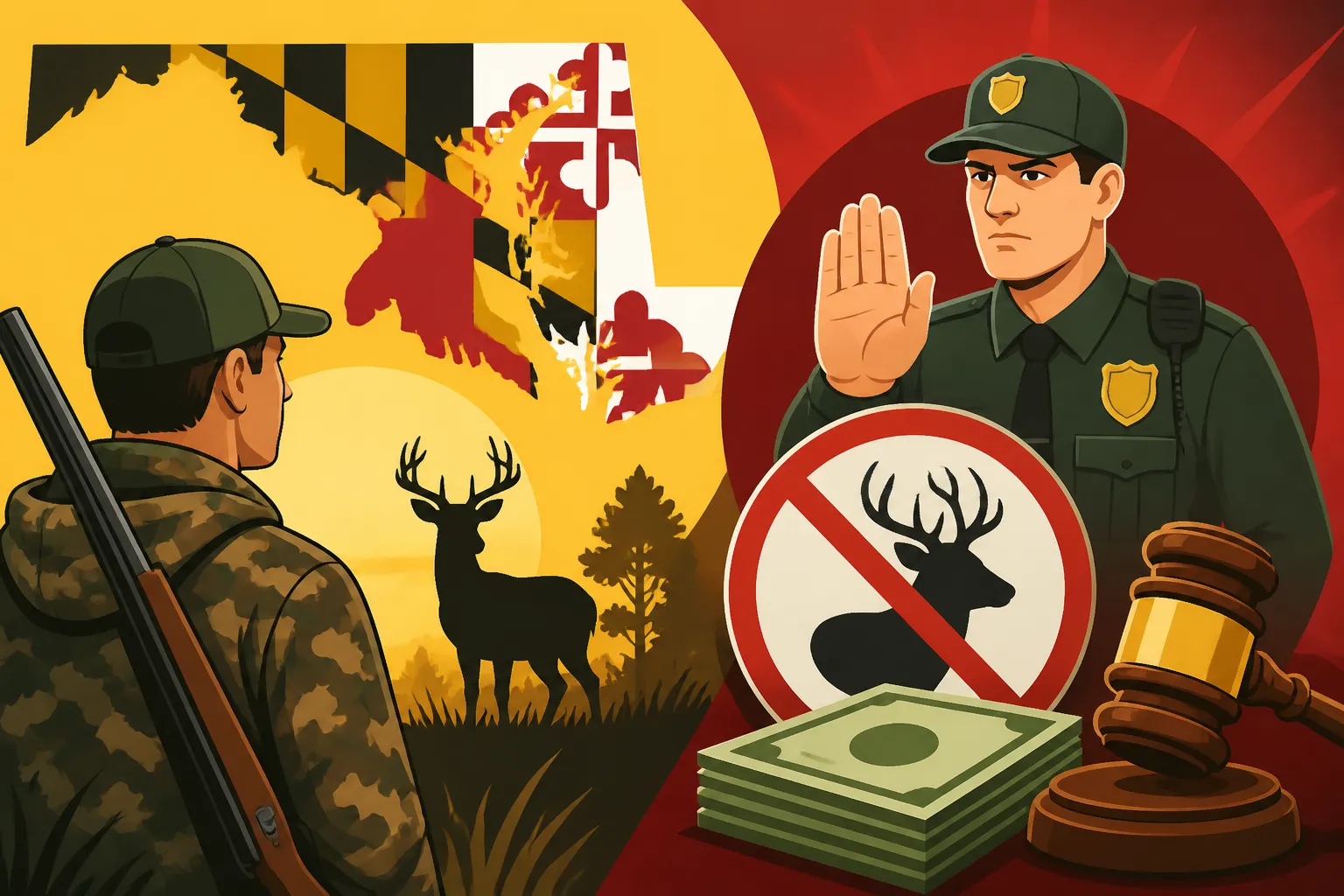
When you violate a wildlife law in Maryland, the repercussions can range from hefty financial penalties to the loss of your hunting privileges, and in severe cases, even jail time. It’s crucial to understand that these aren't just minor slaps on the wrist; they are serious legal matters.
Monetary Fines for Wildlife Violations
The most immediate consequence of a wildlife violation is often a monetary fine. These fines can vary significantly depending on the severity of the offense and whether it's classified as a civil infraction or a criminal misdemeanor. For less severe violations, like failing to display a license or not immediately tagging a deer, fines might start at around $100 to $500. However, offenses such as hunting out of season, hunting without a required license or stamp (like a Maryland's Sika Deer Stamp and Bag Limits), or taking an over-limit of game can easily result in fines of $500 to $1,500 or more for a first offense. These aren't just state-level fines either; some federal violations for migratory birds can carry even steeper penalties.
Beyond the initial fine, you'll likely incur court costs and administrative fees, which can quickly add hundreds of dollars to the total. For example, if you're found hunting on Sunday in a county where it's prohibited, or outside the legal hours for Sunday Hunting Rules by County, you'll face not only a fine but potentially legal fees too. The financial burden alone can be substantial, making a strong case for always being diligent and informed.
Beyond the Fine: Other Serious Repercussions
While fines hurt your wallet, other penalties can hit even harder, impacting your ability to enjoy the outdoors for years to come.
- License Revocation or Suspension: This is one of the most common and impactful penalties. Depending on the nature and severity of the violation, your hunting, fishing, and trapping licenses can be suspended or revoked for a period ranging from one year to a lifetime. Maryland is also part of the Interstate Wildlife Violator Compact, meaning that a license suspension in Maryland can result in the loss of hunting privileges in over 40 other member states. Imagine not being able to hunt your home state and not being able to plan that elk hunt out west for a decade because of a mistake made here. This is a very real consequence.
- Forfeiture of Equipment: Game wardens have the authority to seize any equipment used in the commission of a serious wildlife crime. This can include firearms, bows, vehicles (cars, trucks, ATVs), boats, and even expensive hunting gear. This isn't just a temporary hold; this equipment can be permanently forfeited to the state, representing a significant financial loss on top of any fines.
- Restitution for Illegally Taken Game: Maryland law also allows for restitution payments for the value of illegally harvested game, especially for trophy animals or protected species. For instance, taking a trophy deer outside of legal means could result in a restitution fee of several thousand dollars, in addition to fines and license suspension. This is particularly true for valuable species like black bears, where the state invests heavily in management. If you were lucky enough to draw a permit in the Maryland's Black Bear Lottery and then violated the rules, the penalties would be severe.
- Potential Jail Time: While less common for minor infractions, serious and repeat offenses, especially those involving commercial poaching, violence, or significant disregard for safety, can result in misdemeanor charges leading to jail time. Felony charges are also possible for very egregious violations. These are not just administrative penalties; they are criminal matters that can impact your record.
The combined weight of these penalties can be crushing, turning a pursuit of passion into a legal nightmare. It truly underscores the importance of knowing and abiding by the rules.
Specific Scenarios and How to Avoid Trouble
Staying on the right side of Maryland's hunting laws requires constant vigilance and a proactive approach. It's not enough to simply think you know the rules; you need to be certain.
Navigating Season Dates and Bag Limits
One of the easiest ways to get into trouble is by misinterpreting or simply not knowing the correct season dates and bag limits. Maryland has a diverse range of hunting seasons, often with different dates for various game species, weapon types, and even specific regions of the state. For example, deer seasons can be complex, with archery, muzzleloader, and firearms seasons often overlapping or having distinct opening and closing dates. There are also different regulations for Region A and Region B, which affect bag limits and antler restrictions.
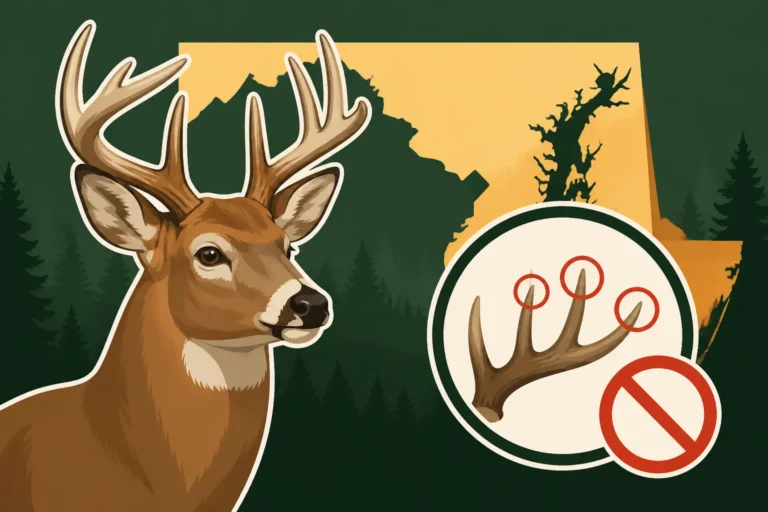
It’s not uncommon for hunters to misread a calendar or mistakenly believe a season is open when it’s not. Always consult the most current Maryland Guide to Hunting & Trapping, available on the DNR website, before you head afield. Applications like GoHunt can also be invaluable, offering up-to-date season dates and regulations overlaid on mapping features. Make sure you understand both the daily and seasonal bag limits for the species you are pursuing. For instance, Maryland's Statewide Antlered Deer Bag Limit allows a certain number of bucks, but specific rules like Maryland's Three-Point Antler Restriction apply to most of them, so you need to be able to judge antlers accurately in the field. After a successful hunt, understanding The Maryland Deer Registration Deadline After a Kill is paramount to avoid fines. Registering your deer promptly via the phone or app ensures you've legally harvested your animal.
Staying Legal with Licenses, Stamps, and Permits
Having the correct documentation in your possession is non-negotiable. Many hunters overlook or forget specific stamps required for certain game or weapon types, assuming their base license covers everything.
First, every hunter needs a basic hunting license. The cost for a Maryland Resident Hunting License Cost is relatively low, but there are different tiers for residents, non-residents, juniors, and seniors, each with specific requirements. On top of that, you'll need various stamps depending on what you're hunting and with what weapon. An archery stamp is needed for bowhunting, a muzzleloader stamp for that specific season, and a migratory game bird stamp if you're pursuing waterfowl or doves. Missing just one of these can lead to a violation.
Furthermore, make sure your hunter education certification is up to date, as Maryland Hunter Education Requirements mandate it for most new hunters. For specific managed hunts on public lands, you might also need a special permit, which often requires an application process. If you're hunting on private land, even if it's a family farm, always ensure you have explicit permission. While Maryland law doesn't always mandate written permission, having it can avoid potential misunderstandings and trespass charges, especially since Do You Need Written Permission in Maryland? clarifies that verbal permission is often sufficient but written is safer. Always carry your physical license or digital proof on your phone when hunting.
Avoiding Accidental Trespass and Property Violations
Trespassing is a serious issue that can quickly turn a hunting trip into a legal mess. It’s not always intentional; sometimes, game moves onto neighboring property, or you simply get disoriented in the woods. Modern mapping applications, like GoHunt, have revolutionized how hunters navigate property lines. Utilize these tools to clearly define your hunting boundaries and understand adjacent properties. Even when retrieving game, you generally need permission to enter private land, even if you shot the animal legally on your own property or public land.
Beyond trespassing, be mindful of safety zones. Maryland law dictates setback distances from occupied dwellings, buildings, and roads. You cannot discharge a firearm or bow within a certain distance of these structures without explicit permission from the owner or occupant. This rule is designed for public safety and is enforced strictly. Always know the legal weapon restrictions for your specific county. For example, some counties restrict rifle use, making Maryland's Legal Weapons by County a critical piece of information. Using an illegal weapon in a restricted area can lead to severe fines and equipment forfeiture.
What to Do If You Encounter a Violation or Make a Mistake
Despite your best efforts, sometimes things go wrong. Knowing how to react, whether you witness a violation or accidentally commit one yourself, can make a significant difference in the outcome.
Reporting a Poacher and Wildlife Crime
If you witness a wildlife violation, it is your ethical and civic duty to report it. Poaching robs all legal hunters and takes away from our shared natural resources. The Maryland Natural Resources Police (NRP) relies heavily on public assistance to catch violators.
When you call in a report, try to gather as much detail as possible without putting yourself in harm's way. Important information includes:
- Specific Location: County, road names, landmarks, or GPS coordinates if possible.
- Time and Date: When did you observe the violation?
- Description of the Individuals: Number of people, physical descriptions, clothing.
- Vehicle Information: Make, model, color, license plate number.
- Nature of the Violation: What exactly did you see them do? (e.g., shooting from the road, hunting at night, taking an illegal animal).
- Evidence: Did you see an animal being harvested? Were there specific weapons involved?
You can report violations by calling the NRP's toll-free hotline at 1-800-628-9944. This line is staffed 24/7. Your identity can remain confidential. Reporting a poacher, as detailed in Reporting a Poacher in Maryland, isn't just about catching a criminal; it's about protecting the future of our hunting heritage.
Self-Reporting a Mistake or Accidental Violation
What if you're the one who made a mistake? Perhaps you accidentally harvested an over-limit, or mistakenly shot a deer that didn't meet the antler point restriction. It's a stressful situation, and the instinct might be to conceal it. However, the Maryland DNR and Natural Resources Police generally view self-reporting an honest mistake much more favorably than discovering a violation through other means.
If you realize you’ve made an honest error, the best course of action is almost always to immediately contact the NRP and explain the situation. They have discretion in how they handle these cases. While there might still be consequences, such as a warning or a reduced fine, being upfront demonstrates responsibility and ethical conduct. Trying to hide a violation, on the other hand, can escalate a minor mistake into a much more serious offense with harsher penalties, including potential criminal charges if deceit is involved. It’s always better to be honest, even if it’s uncomfortable, to maintain your integrity and avoid much more severe repercussions.
Table of Common Maryland Wildlife Violations and Potential Penalties
This table provides a general overview of common violations and the typical range of penalties. Specific outcomes can vary based on circumstances, county, and judicial discretion.
| Violation Type | Typical Fine Range | License Impact | Other Penalties (Potential) |
|---|---|---|---|
| Hunting without a valid license | $250 – $1,500+ | 1-5 year suspension | Possible forfeiture of equipment, court costs |
| Hunting out of season | $500 – $2,500+ | 2-5 year suspension | Forfeiture of equipment, restitution for game, court costs, jail |
| Exceeding bag limits | $250 – $1,500+ per animal | 1-3 year suspension | Restitution for game, court costs |
| Failure to tag/register game | $100 – $500 | Warning/Short suspension | Court costs |
| Hunting on private land without permission (trespassing) | $250 – $1,000+ | 1-3 year suspension | Possible forfeiture of equipment, civil damages, court costs |
| Illegal weapon/method | $500 – $2,000+ | 2-5 year suspension | Forfeiture of equipment, court costs |
| Hunting within safety zone | $250 – $1,000 | 1-3 year suspension | Court costs |
| Sunday hunting in prohibited areas | $250 – $750 | 1 year suspension | Court costs |
| Impersonating a DNR official | Felony charges | Lifetime revocation | Significant fines, jail time, restitution, forfeiture of equipment |
| Illegally killing a trophy animal (e.g., antler restriction violation) | $500 – $2,500+ | 2-5 year suspension | High restitution fees, forfeiture of equipment, court costs |
Remember, this table provides typical scenarios. Very serious offenses, especially repeat offenses or those involving commercial poaching, can carry much higher fines and significantly longer license revocations or jail sentences. Always know Maryland Hunting Licenses and What They Cost and ensure you have all necessary stamps for your chosen pursuit.
Disclaimer
Please note: The information provided in this guide is for informational purposes only and does not constitute legal advice. Hunting regulations and penalties can change. Always consult the official Maryland Department of Natural Resources (DNR) hunting and trapping guide and relevant state statutes for the most current and accurate information. If you have specific legal questions or are facing charges, seek advice from a qualified legal professional.