Blackwater National Wildlife Refuge Permit Hunts
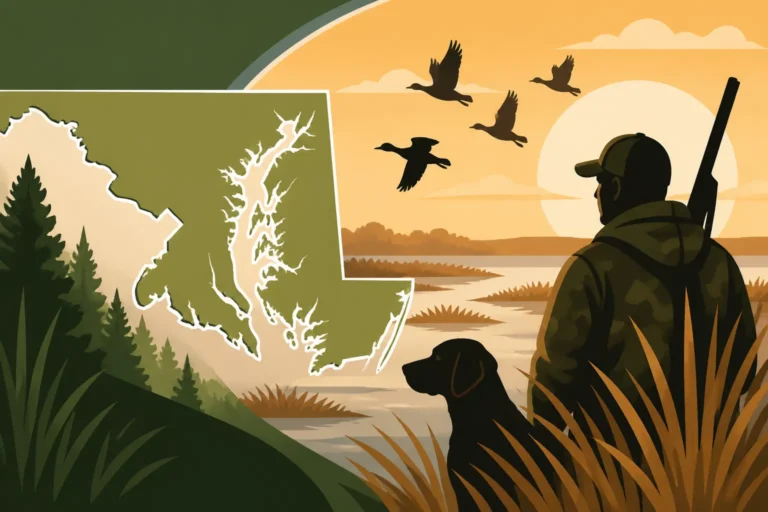
Many Maryland hunters dream of experiencing the unique challenge and reward of a hunt in the state's iconic Blackwater National Wildlife Refuge, but the permit system and specific regulations can feel like a labyrinth. It's easy to get lost in the details of applications, seasons, and access, leaving you wondering if it's even worth the effort. This guide aims to demystify Blackwater's hunting opportunities, breaking down everything you need to know about permit hunts in this remarkable Eastern Shore gem.
Understanding Blackwater National Wildlife Refuge
Blackwater National Wildlife Refuge, nestled in Dorchester County on Maryland's Eastern Shore, is far more than just another tract of public land. It's a critical wetland ecosystem, a haven for migratory birds, and home to a thriving population of both white-tailed deer and the elusive sika deer. The challenge for hunters lies not just in finding game, but in understanding and respecting this sensitive environment.
The Unique Ecosystem of Blackwater
The refuge spans over 29,000 acres, characterized by vast tidal marshes, loblolly pine forests, mixed hardwood stands, and agricultural fields. This mosaic of habitats provides incredible diversity, but it also creates specific hunting challenges. The marshland, for instance, is constantly influenced by the Chesapeake Bay's tides, meaning water levels can fluctuate dramatically throughout the day. This dictates everything from how deer move to where waterfowl feed and how hunters can access different areas. Understanding these ebb and flow patterns is absolutely critical if you plan to navigate the refuge successfully, especially in pursuit of marsh-dwelling game.
Beyond the tides, Blackwater is renowned for its birdlife, particularly migrating waterfowl and resident bald eagles. While this makes for incredible scenery, it also means hunting activities are often carefully managed to minimize disturbance to non-game species. The focus is always on conservation, and hunting is permitted as a wildlife management tool, not simply as a recreational pursuit. Hunters here often feel a deeper connection to the land, understanding that their participation contributes to maintaining a balanced ecosystem, echoing the broader theme of Waterfowl Hunting Maryland's Chesapeake Bay.
Historical Context of Hunting at Blackwater
Hunting has a long, if evolving, history at Blackwater National Wildlife Refuge. Established in 1933, the refuge's primary mission has always been migratory bird conservation. However, wildlife management quickly recognized the need to control burgeoning deer populations—both native white-tailed deer and the introduced sika deer—to prevent habitat degradation. Without proper management, deer can overbrowse vegetation, impacting the health of the entire ecosystem, including the very waterfowl the refuge was created to protect.
Over the decades, hunting programs have been implemented to achieve these management goals, initially focusing on white-tailed deer and later expanding to include sika deer as their population expanded throughout Dorchester County. These hunts are highly regulated, typically occurring through a permit or lottery system to control hunter numbers and ensure a safe, organized experience that aligns with the refuge's conservation objectives. It’s a delicate balance, allowing hunters to participate in the management of these herds while maintaining the refuge's integrity as a wildlife sanctuary, especially considering Sika Deer Hunting in Maryland's Tidal Marshes.
Navigating the Permit Application Process
Successfully hunting at Blackwater National Wildlife Refuge hinges entirely on navigating its specific permit application process. Unlike many public lands where you can just walk in with a valid state license, Blackwater requires special permission, and these opportunities are highly coveted.
Eligibility and Application Windows
To even consider applying for a Blackwater hunt, you'll first need to possess all the standard Maryland hunting licenses and stamps relevant to the species you intend to pursue. This typically includes a Maryland hunting license, the appropriate deer stamps (if hunting deer), and a migratory game bird stamp and HIP registration if waterfowl is your target. You can find more details on Maryland Hunting Licenses and What They Cost. Beyond the state requirements, Blackwater itself has specific eligibility criteria that applicants must meet, such as minimum age requirements or hunter education certifications. It's always best to check the refuge's official hunt brochure or website for the most current specifics, as these can change annually.
The most critical part of the process is understanding the application windows. Blackwater's hunts are often conducted via an online lottery system, with very specific deadlines for applying. These windows are usually published months in advance, often in late summer or early fall for the upcoming hunting season. Missing a deadline, even by a day, means missing out on the opportunity entirely for that year. It's a good practice to set reminders, subscribe to refuge newsletters, or regularly check the Maryland Department of Natural Resources (DNR) and Blackwater NWR websites to stay informed.
Understanding the Lottery System
Blackwater's lottery system is designed to provide fair access to a limited number of hunting opportunities. When you apply, you're essentially entering your name into a draw for a chance to receive a permit. Depending on the hunt type (deer vs. waterfowl, specific dates, or locations within the refuge), there might be different lottery pools. For instance, a quality sika deer hunt might have thousands of applicants for only a handful of permits, making the odds quite low.
Often, there's an application fee, which helps cover the administrative costs of running the lottery. This fee is typically non-refundable, regardless of whether you draw a permit or not. Successful applicants will then be notified and provided with a physical or electronic permit, along with detailed instructions, maps, and specific regulations for their assigned hunt dates and areas. It's crucial to read every single detail of your permit and the accompanying information, as deviations from these rules can result in penalties or expulsion from the refuge. This is where tools like Maryland Public Land Hunting Permits come into play, offering general insight into how these systems operate, but remember Blackwater will have its own unique layer of rules.
Species and Seasons Available for Hunting
Blackwater National Wildlife Refuge offers some fantastic hunting opportunities for specific game species, primarily white-tailed deer, the highly sought-after sika deer, and a variety of waterfowl. Understanding which species are huntable and during what seasons is key to applying for the right permit.
Deer Hunting Opportunities
Blackwater is arguably most famous among hunters for its incredible deer hunting, specifically for both white-tailed deer and the smaller, more vocal sika deer. The refuge's diverse habitat, from thick marsh to pine islands and agricultural fields, supports healthy populations of both. Deer hunting opportunities are typically offered through archery, muzzleloader, and sometimes limited firearms seasons, always via the permit system. The specific dates for these hunts often align with, but are not identical to, statewide Maryland deer seasons, so always double-check the refuge's hunt plan.
Sika deer, in particular, draw a lot of attention. These small, elk-like deer were introduced to Dorchester County over a century ago and have thrived in the marshy environment, with Blackwater being a prime location to pursue them. Their unique "whistle" call during the rut makes for an exciting and distinct hunting experience. White-tailed deer are also abundant, and with the refuge's rich habitat, hunters often have a chance at mature bucks, although trophy potential is highly variable. Be sure to review Maryland's Deer Bag Limits and Antler Rule as general guidelines, but understand Blackwater might have more restrictive specific regulations.
Waterfowl Hunting at Blackwater
Given Blackwater's status as a critical migratory bird habitat, it's no surprise that waterfowl hunting is a significant offering. The vast marshes and impoundments attract a wide array of ducks and geese throughout the fall and winter migration. Common species include mallards, black ducks, teal, wigeon, pintails, and various diving ducks, as well as resident and migratory Canada geese. These hunts are also permit-only, often allocated through a lottery system for specific blind sites or hunting units.
Waterfowl hunting at Blackwater requires specialized knowledge and gear. Tides play an immense role in marsh access and bird movement, and hunters must be prepared for potentially challenging conditions, from icy water to deep mud. Successful waterfowl hunting here often involves decoys, calls, and robust boats or layout blinds, as discussed in Decoying Divers on Maryland's Open Bay. The experience can be incredibly rewarding, offering breathtaking sunrises over the marsh and close encounters with diverse birdlife.
Other Potential Hunting Options
While deer and waterfowl are the primary focuses, Blackwater National Wildlife Refuge sometimes offers limited opportunities for other species. These can vary year to year based on wildlife population surveys, habitat management needs, and specific refuge goals. For example, some years might see very limited small game seasons, or even youth-only hunts designed to introduce younger generations to ethical hunting practices.
It's important to remember that these "other" opportunities are much less frequent and often even more competitive than the main deer and waterfowl draws. Always consult the official Blackwater NWR hunt plan for the upcoming season to see what, if anything, beyond deer and waterfowl is being offered. Never assume that a species generally legal to hunt in Maryland is automatically huntable within the refuge boundary without a specific permit.
Essential Rules, Regulations, and Safety
Hunting at Blackwater National Wildlife Refuge isn't just about obtaining a permit; it's about adhering to a stringent set of rules designed to protect both wildlife and hunters. These regulations are often more detailed than general state laws and are enforced rigorously by refuge officers.
Specific Refuge Regulations
Every permit hunt at Blackwater comes with a comprehensive list of specific rules. These often dictate exact hunting hours, which can differ from statewide legal shooting hours. They specify permitted weapons for each hunt (e.g., archery-only, muzzleloader-only, or specific shotgun gauges). There might be restrictions on the number of shells you can possess, the type of ammunition allowed, or even specific shot sizes for waterfowl. Bag limits within the refuge might also be more conservative than the state's general Maryland's Statewide Antlered Deer Bag Limit, especially for antlerless deer or sika stags.
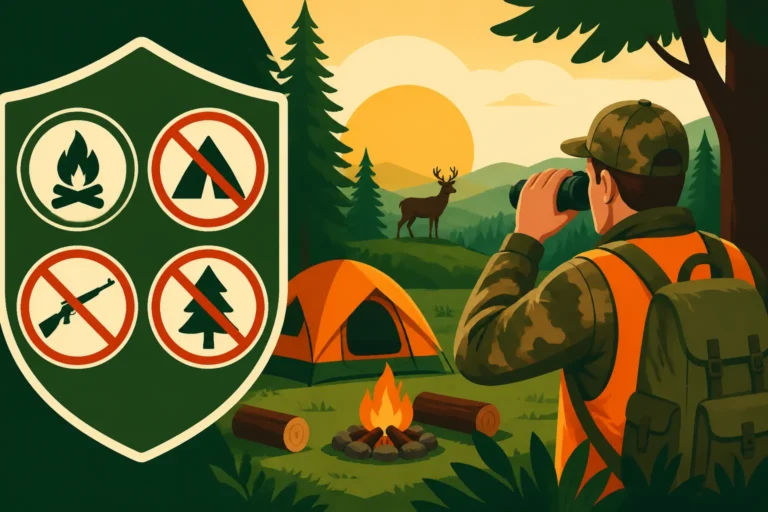
Access is another heavily regulated area. Hunters are usually assigned to specific hunting units or blind sites, and trespassing into unassigned or closed areas is a serious offense. Vehicle access might be restricted to certain roads or parking areas, and foot or boat access might be the only option for many spots. The use of ATVs, bicycles, or even certain types of boats might be prohibited. Understanding these nuances is paramount to a successful and legal hunt. Always carry your permit, state licenses, and a form of identification, as refuge officers conduct frequent checks.
Hunter Safety and Ethics
Safety is paramount on any hunt, but especially within a managed refuge environment where multiple hunters may be present in close proximity. Blackwater often has specific blaze orange requirements that might exceed state minimums, especially during deer seasons, even for bowhunters. It’s not just about wearing it; it’s about making sure it's visible from all angles. For waterfowl hunters, personal flotation devices (PFDs) are often mandatory, particularly when hunting from boats or wading in deep marsh.
Ethical considerations are also deeply ingrained in Blackwater's hunting philosophy. This means practicing good sportsmanship, respecting other hunters, minimizing your impact on the environment, and making every effort to recover wounded game. The refuge is a sensitive ecosystem, and leaving trash, damaging habitat, or disturbing non-game wildlife is strictly prohibited. Understanding the unique challenges of Recovering a Deer From a Tidal Marsh for instance, becomes an ethical imperative. Many of these hunts are designed to teach responsible hunting, and ignoring these principles can lead to revocation of privileges for future seasons.
Preparing for Your Blackwater Hunt
A permit to hunt Blackwater is a golden ticket, but it's just the first step. Proper preparation, from scouting to gear selection and leveraging modern technology, will drastically improve your chances of success and ensure a safer, more enjoyable experience.
Scouting and Familiarization
Once you've drawn a Blackwater permit and know your assigned hunting unit, the real work begins. If possible, visit the refuge during the off-season or before your hunt dates to scout the area. Many units will have public access for observation, allowing you to walk trails, identify pinch points, look for game sign, and get a feel for the terrain. This is especially important for marsh hunts, where understanding the specific features of your unit – like marsh guts, upland islands, or phragmites beds – is critical. A vital part of this is understanding Reading a Marsh Trail for Sika Sign to identify active game routes.
Using mapping tools like onX Hunt or GoHunt can be invaluable here. You can download satellite imagery of your assigned unit, mark potential access routes, pinpoint bedding areas, identify feeding zones, and even mark potential stand locations or blind setups from the comfort of your home. These apps allow you to see property lines, topography (even subtle changes in marsh elevation can be significant), and vegetation types that aren't always obvious from the ground. Having this information pre-loaded on your phone or GPS device for offline use is a game-changer, especially in areas with spotty cell service.
Gear and Equipment Considerations
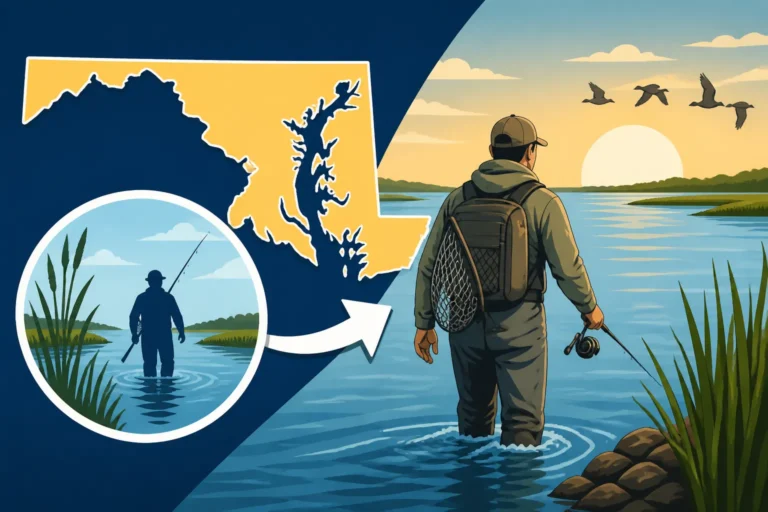
Blackwater hunts, particularly those in the marsh, demand specific gear. For deer hunting, especially sika, you'll need reliable waterproof boots, likely chest waders, to navigate wet terrain. Hip Boots Versus Chest Waders in Sika Country is a crucial consideration, as the marsh can be surprisingly deep. Good quality binoculars are essential for spotting game in dense cover. If bowhunting, practice shooting from a seated position or from a tree stand if allowed and practical for your unit.
For waterfowl, beyond your shotgun and ammunition, decoys (sometimes limited by permit rules), calls, and a way to transport them are necessary. A sturdy boat, kayak, or canoe is often the only way to access many blind sites. Warm, waterproof clothing is a must, as cold winds off the Bay can cut right through you. A reliable headlamp for pre-dawn setups and post-hunt retrieves is also non-negotiable. Always pack emergency supplies: a first-aid kit, extra water, high-energy snacks, a fully charged phone, and a backup battery.
Working with Technology like onX Hunt
Modern hunting technology can be a tremendous asset at Blackwater. As mentioned, mapping apps like onX Hunt are incredibly powerful for scouting and in-field navigation. Not only can you view detailed satellite imagery and property boundaries (which are critical on refuge land), but you can also track your movements, mark waypoints for game sign or retrieve locations, and even see public land designations. This kind of precise location data prevents accidental trespassing and helps you efficiently navigate complex terrain, especially in areas where visual landmarks are scarce.
| Blackwater Hunt Type | Primary Species | Typical Season Timing | Key Gear Considerations |
|---|---|---|---|
| Archery Deer | White-tailed, Sika | Fall (Sept-Oct/Nov) | Chest waders, waterproof boots, tree stand/ground blind, binoculars |
| Muzzleloader Deer | White-tailed, Sika | Fall (Oct/Nov) | Chest waders, waterproof boots, binoculars, rangefinder |
| Waterfowl | Ducks, Geese | Fall/Winter (Nov-Jan) | Waders, warm waterproof clothing, decoys, calls, boat/kayak, PFDs |
Beyond mapping, consider a reliable GPS device as a backup to your phone. A handheld VHF radio can be useful for communicating with hunting partners in areas without cell service, which can be common in the refuge's interior marshes. Even a simple compass and a physical map, used in conjunction with your digital tools, provide a fail-safe. Embrace these technologies, but always remember that woodsmanship and a keen understanding of the environment remain your most valuable assets in the challenging yet rewarding landscape of Blackwater National Wildlife Refuge.
Disclaimer
This article is for general informational purposes only and does not constitute professional advice. Laws, prices and regulations vary by location and change over time. Consult a qualified professional for guidance on your specific situation.