Hunting the Big Savage Mountain Ridge
Hunting a vast, rugged mountain like Big Savage Mountain Ridge can feel incredibly daunting if you're not familiar with its unique challenges and characteristics. It’s easy to get lost in the seemingly endless timber, struggle to locate deer, or simply burn out from the sheer physical demands. This guide is here to walk you through how to approach Big Savage, from understanding its terrain to employing effective hunting strategies, so you can increase your odds of success and enjoy your time in this magnificent part of Western Maryland.
Understanding the Terrain of Big Savage Mountain Ridge
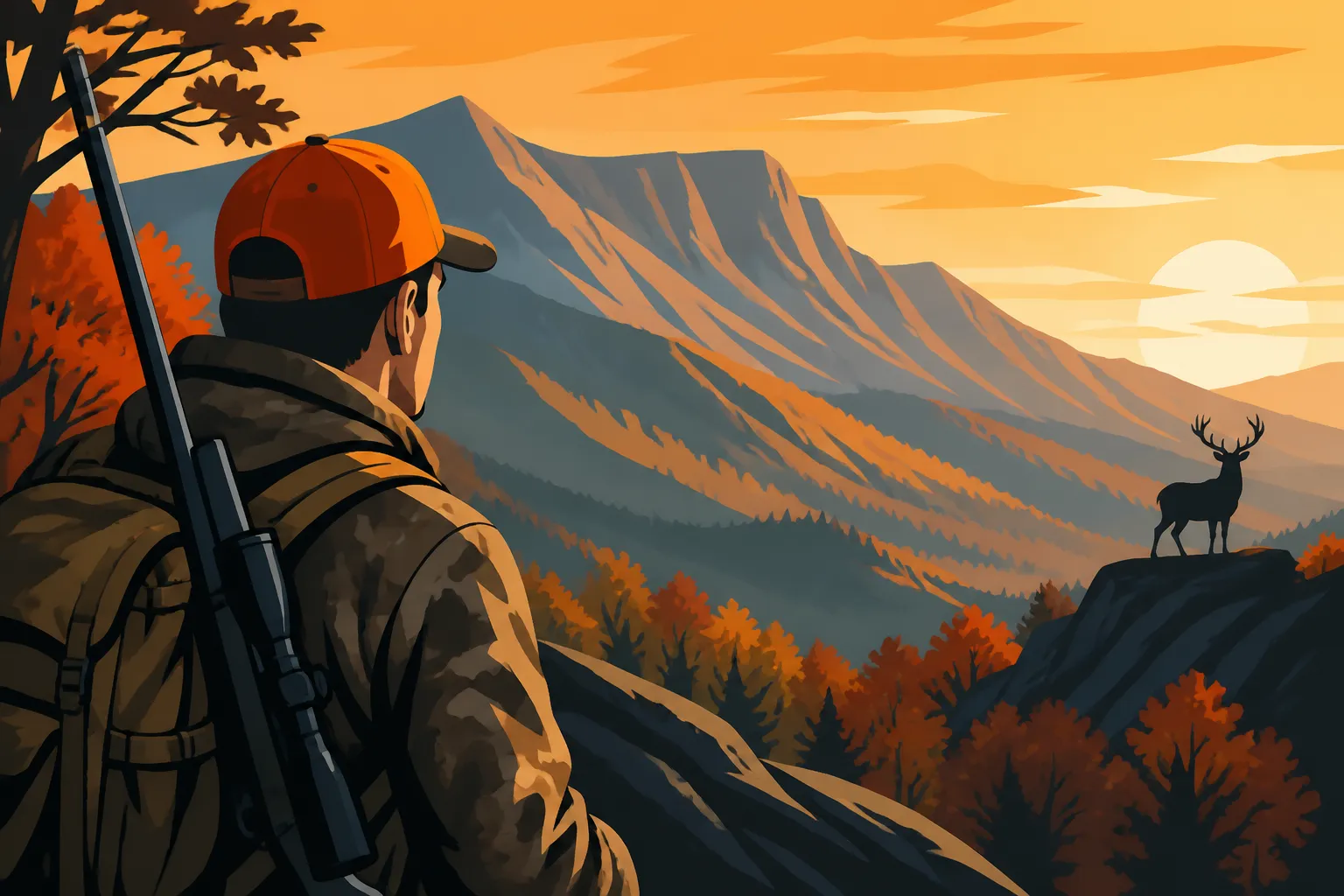
Big Savage Mountain isn't just a hill; it's a significant part of the Appalachian Mountain chain running through Garrett and Allegany counties. This isn't your flat farm country or tidewater marsh hunting. We're talking about serious elevation changes, dense forest, and a landscape that demands respect and preparation. Many hunters come to Western Maryland expecting easy access or predictable deer movement, only to find themselves quickly humbled by the steep inclines and thick cover.
Geographic Layout and Unique Features
The Big Savage Mountain Ridge forms a distinct natural boundary, often characterized by its sharp, lengthy ridge line. On one side, you might have gentler slopes leading into valleys, while the other side can drop off dramatically. This topography creates unique microclimates and funnels for deer movement that are crucial for hunters to understand. Water sources, even small seeps or drainages, become critical focal points, especially in drier periods. Look for pockets of mature oak that cling to the steeper slopes, as these areas can be absolute magnets for deer when acorns drop. The sheer size of this area means that deer don't feel the same pressure to move in predictable patterns as they might on smaller, more fragmented land. You're hunting in a truly wild setting here, where the deer have vast expanses to roam, which means you need to think on a larger scale.
Dominant Vegetation and Its Impact on Deer Movement
The primary cover on Big Savage is predominantly mixed hardwood forests, with a significant presence of oaks, maples, and hickories. You'll also find stands of pine, particularly on drier, south-facing slopes or in areas that have been timbered. These vegetation types dictate food sources and bedding areas. Mature oak flats along the ridge or benches are prime feeding grounds in the fall, drawing deer from miles around. Dense stands of mountain laurel or regenerating clear-cuts provide excellent bedding cover, especially on leeward slopes or in thick pockets that offer thermal protection. Deer will use these changes in vegetation as travel corridors, moving from bedding in thick cover to feeding areas on the flats. Understanding these transitions is key. When scouting, pay close attention to the age and type of timber, as it tells a story about what deer are eating and where they feel safe. Reading Sign in Maryland Mountain Timber is a great resource for this.
Strategic Scouting and Pre-Season Preparation
Hunting Big Savage without proper scouting is like trying to navigate a dense fog – you're just hoping to stumble onto something. The sheer scale of the landscape means you can't just walk in on opening day and expect success. Pre-season preparation is paramount to understanding deer patterns, identifying potential stand locations, and getting yourself physically ready for the demands of mountain hunting. Many hunters make the mistake of underestimating the physical toll, leading to exhaustion and missed opportunities.
Utilizing Topographic Maps and Aerial Imagery
Before you even step foot on the mountain, spend considerable time with detailed topographic maps and aerial photos. Tools like onX Hunt are invaluable here. You can identify potential funnels, saddles, benches, and terrain features that naturally concentrate deer movement. Look for areas where a ridge narrows or where two drainages meet, as these often serve as natural travel corridors. Pinpoint potential bedding areas on steep, thick slopes that get good sun exposure in the morning, and feeding areas like oak flats or old apple orchards. Scouting Maryland Public Land With Aerial Photos offers more tips on using these tools. Mark potential routes to these spots, paying attention to wind direction and how you can approach undetected. The goal isn't just to find deer sign; it's to understand why the deer are using that particular piece of ground and how you can intercept them.
Boots-on-the-Ground Reconnaissance
Once you have a general idea of promising areas from your map work, it's time to hit the woods. This is where the real learning happens. Walk the ridge lines, explore the benches, and check the bottoms. Look for fresh deer sign: rubs, scrapes, droppings, and well-used trails. Pay particular attention to natural funnels and pinch points you identified on your map – do they show heavy usage? How do deer enter and exit these areas? This is also the time to identify potential stand trees or ground blind locations that offer good cover and shooting lanes while providing a favorable wind advantage for your target species, be it deer or even the occasional bear if you've drawn a permit. GoHunt, while more focused on Western states, emphasizes the importance of understanding game movement and habitat, principles that translate directly to rigorous scouting on Big Savage. Also, don't just scout the easily accessible areas. Push into the tougher, thicker spots that other hunters might avoid. That's often where the biggest bucks are hiding. Finding Maryland Ground Others Walk Past is a great philosophy for this.
Effective Hunting Strategies for Big Savage Deer
Hunting the Big Savage Mountain Ridge requires a different mindset and approach than hunting agricultural fields or suburban woodlots. Deer here are often wilder, more attuned to their environment, and accustomed to using the topography to their advantage. You need to be patient, adaptable, and willing to work harder than many other hunters.
Still-Hunting and Stand Placement on Mountain Terrain
Still-hunting is incredibly effective in this expansive, rugged timber. Move slowly, taking one or two steps, then stopping to scan, listen, and glass. Use the terrain to your advantage: move into the wind, always, and utilize ridge lines and saddles to conceal your approach. Pay close attention to thermals, which can be tricky in the mountains, especially in the mornings and evenings when they rise and fall. As the sun warms the slopes, thermals typically rise, carrying your scent uphill. In the evening, as the air cools, thermals drop, carrying your scent downhill. Understanding and adapting to these subtle shifts is critical.
When it comes to stand placement, focus on connecting food sources to bedding areas. Ridge line saddles, benches that offer travel routes, and creek crossings can be excellent choices. Look for natural funnels created by dense cover or steep terrain. Don't be afraid to set up on a bench or a subtle change in elevation that might not look significant on a map but is a well-used deer highway on the ground. Be prepared to move your stand if the deer sign indicates they've shifted patterns due to pressure or changing food sources. You can learn more about this in Still-Hunting a Savage River Oak Flat.
Tracking and Reading Mountain Deer Movement
Deer on Big Savage are masters of using the terrain to their advantage. They will often travel just below a ridge line, using the crest for cover, or cross steep hollows where human access is difficult. During the rut, bucks will often patrol these ridge lines and benches, checking for does. Look for scrapes and rubs along these travel corridors. Fresh sign, especially deep tracks in soft soil or newly broken branches on rubs, indicates recent activity.
During late season, after heavy hunting pressure, deer will often seek out the steepest, thickest cover for refuge. Understanding their escape routes and how they react to pressure is vital. If you push deer, try to predict their likely escape path and position yourself or a partner accordingly. Patience is key; deer often bed down in dense cover and will move cautiously. Sitting for long periods in a good ambush spot can be far more effective than constantly pushing through unfamiliar timber. Late Season Food Sources for Maryland Deer also offers insights into where deer might concentrate when other food sources become scarce.
Hunting Pressure and Public Land Tactics
Big Savage Mountain Ridge is primarily public land, and that means hunting pressure. However, don't let that deter you. Most hunters stick to the easiest access points and don't venture far from roads or trails. This creates opportunities for those willing to put in the work. Hike deeper, climb higher, and explore the areas that look less appealing on a map. Often, just a half-mile or mile off the beaten path can get you into unpressured territory where deer feel much more secure.
Consider hunting during the week rather than on weekends if possible, as pressure tends to be lighter. Also, pay attention to the prevailing wind and choose areas where your approach is quiet and your scent is carried away from key deer activity zones. A table outlining public land strategies can be useful for planning:
| Strategy Aspect | Description | Benefit |
|---|---|---|
| Walk Deeper | Most hunters won't venture more than a mile from their vehicle. Pushing 1.5-2 miles or more, especially into rough terrain, significantly reduces competition. | Access to less-pressured deer that are more likely to exhibit natural movement patterns. |
| Hunt Mid-Week | Weekdays typically see fewer hunters in the woods compared to weekends, especially later in the season. | Less human disturbance, potentially leading to more consistent deer movement during daylight hours. |
| Target Difficult Terrain | Focus on steep slopes, dense thickets, laurel patches, and areas with blowdowns or heavy regenerating timber. These areas are tough to navigate but provide excellent security cover for deer. | Find deer that have been pushed out of easier-to-access areas; often where mature bucks seek refuge. |
| Monitor Wind & Thermals | In mountains, thermals rise as the day warms and fall as it cools. Always position yourself so your scent is carried away from where you expect deer to be. | Prevent deer from smelling you, which is the quickest way to end a hunt. |
| Use Mapping Software | Tools like onX Hunt allow you to mark specific features (saddles, benches, water sources, historical sign) and plan routes, including quiet entry/exit strategies, minimizing the risk of bumping deer. | Efficient scouting, better navigation, and strategic planning, reducing guesswork and maximizing time in productive areas. |
| Post-Front Hunting | After a cold front moves through, deer often become more active, especially if it brings clear, crisp weather. Hunt hard immediately following such weather changes. | Capitalize on increased deer movement as they feed heavily before or after a weather event. Hunting After a Maryland Cold Front is a great tactic. |
Essential Gear and Safety Considerations
Hunting Big Savage Mountain Ridge is physically demanding, and the weather can change rapidly. Being prepared with the right gear and knowledge of safety protocols isn't just a good idea, it's essential for a successful and safe hunt. Nobody wants to be caught unprepared miles deep in the woods as temperatures plummet or a storm rolls in.
Mountain-Specific Gear Requirements
Forget the cotton hoodies and worn-out jeans. You need serious gear for mountain hunting. Layering is crucial, as you'll be exerting yourself climbing and then sitting still, leading to significant temperature swings. A good wicking base layer, an insulating mid-layer, and a waterproof/windproof outer shell are non-negotiable. Sturdy, broken-in hiking boots with good ankle support are a must; flimsy footwear will lead to blisters and potential injury on the uneven terrain.
Carry a quality backpack with enough capacity for water, snacks, extra layers, a first-aid kit, a headlamp, and navigation tools. Even with a GPS, a physical compass and map are smart backups. A reliable knife, rope or cordage, and fire-starting materials can be lifesavers in an emergency. Remember, cell service can be spotty to non-existent in many parts of the mountains, so don't rely solely on your phone. What to Pack for a Maryland Mountain Hunt will dive deeper into this.
Navigation and Emergency Preparedness
Getting lost on Big Savage is a very real possibility, especially if you venture off trails or get disoriented by the vast, unbroken timber. Always carry multiple navigation devices. A GPS unit or a smartphone with a reliable mapping app like onX Hunt, downloaded offline maps, and external battery packs are vital. Before you leave the truck, make sure you know how to use all your devices and that they're fully charged. Tell someone exactly where you're going and when you expect to return. This "float plan" is perhaps the single most important safety measure you can take.
Beyond navigation, always pack a whistle (three short blasts is the universal distress signal), a small but comprehensive first-aid kit for cuts, sprains, and blisters, and enough water and high-energy snacks for longer than you anticipate being out. Consider carrying a personal locator beacon (PLB) or satellite messenger for true emergencies where cell service is unavailable. The motto for mountain hunting should always be: "Hope for the best, prepare for the worst."
Physical Fitness and Hydration
The rugged terrain of Big Savage Mountain Ridge will test your physical limits. If you're not accustomed to steep climbs and long treks, start a fitness regimen well before the season. Incorporate exercises that build leg strength, cardiovascular endurance, and core stability. Walking with a loaded pack up hills is excellent preparation. Hydration is also paramount. Carry more water than you think you'll need, especially on warmer days or if you're planning an all-day hunt. Electrolyte tablets can also be beneficial to replenish what you lose through sweat. Being physically prepared not only makes the hunt more enjoyable but also significantly reduces the risk of injury or exhaustion-related errors when you're miles from the nearest road.
Disclaimer
This article is for general informational purposes only and does not constitute professional advice. Laws, prices and regulations vary by location and change over time. Consult a qualified professional for guidance on your specific situation.