Retrieving Game From Private Land in Maryland
It's happened to almost every hunter: you make a great shot, but the animal doesn't drop immediately, disappearing over a property line onto land you don't have permission to hunt. That sickening feeling in your gut is completely understandable, as retrieving game from private land in Maryland can be a complex and often nerve-wracking situation. This comprehensive guide will walk you through the proper steps, legal considerations, and best practices for respectfully and successfully recovering your game in Maryland when it crosses onto another's property.
Understanding Maryland's Trespass Laws and Hunter Responsibility
Before you even step foot in the woods, it’s crucial to understand the legal landscape surrounding private property and hunting in Maryland. The moment your game crosses a property line you don't have permission to be on, the rules change dramatically. You are no longer on huntable ground.
The Strict Rules of Private Property
In Maryland, private property is just that – private. You cannot simply cross a fence or marked boundary to retrieve your game without explicit permission from the landowner. This isn't just a suggestion; it's the law. Trespassing, even for game retrieval, can lead to fines, legal action, and a significant tarnishing of your reputation as a responsible hunter. Imagine finding your trophy buck, only to face a trespassing charge or have the landowner confiscate your animal because you didn't follow the rules. It's a nightmare scenario, but one that can be avoided with proper understanding and respectful action.
The state emphasizes that a hunter has an ethical obligation to recover game, but this obligation absolutely does not supersede the legal requirement to respect private property rights. This is a fine line to walk, and it requires careful consideration and planning. It’s not just about what you can do, but what you should do to maintain good relations with landowners and uphold the integrity of hunting. Always remember that the landowner's rights come first.
Your Ethical Obligation to Recover Game
While the law on private property is clear, so is the hunter's ethical code regarding game recovery. We owe it to the animal to ensure a quick, humane death and to utilize the harvest. Leaving a wounded animal to suffer or letting good meat go to waste is simply not acceptable. This ethical dilemma is precisely what makes game crossing a property line so stressful. You're caught between your moral responsibility and the legal boundaries. This is where communication and preparation become your most powerful tools. Having a clear understanding of the situation and acting quickly and appropriately can often lead to a successful resolution.
Immediate Steps When Game Crosses Property Lines
When you suspect your deer, sika, or other game has crossed onto private property, panic is often the first reaction. However, a calm, methodical approach is what’s needed.
Mark the Last Known Location and Retreat
The very first thing you should do, once you've determined the animal has left your permitted hunting area, is to mark the exact spot where you last saw the animal or its sign before it crossed the boundary. Use flagging tape, a prominent natural landmark, or drop a waypoint on your GPS or a mapping app like onX Hunt. This is crucial for two reasons: it gives you a precise point of reference when you eventually speak to the landowner, and it ensures you don't inadvertently trespass while trying to pinpoint the crossing.
Once you’ve marked that last spot, back out. Do not follow the animal onto private land without permission. This is the hardest part, especially when the adrenaline is pumping, but it’s absolutely vital. You want to avoid any appearance of wrongdoing. Go back to where you have permission to be, even if that means walking all the way back to your vehicle or camp. This small act of respect can go a long way in establishing goodwill with a landowner.
Identify the Landowner and Their Contact Information
Now comes the detective work. If you're lucky, you already know who owns the adjacent property and how to reach them. Perhaps you've made prior contact, or maybe you've been doing your homework using a mapping tool. Tools like onX Hunt or GoHunt are invaluable for this, as they can instantly display property lines and often include landowner information. These apps can be a true lifesaver in these situations, allowing you to quickly identify who owns the land and potentially find contact details.
If you don't have this information readily available, you'll need to find it. This might involve:
- Checking county tax records: These are often available online through the county's GIS (Geographic Information System) portal. A quick search by parcel number or address (if you can approximate it from your mapping tool) can usually provide the owner's name and mailing address.
- Asking local contacts: If you know other hunters or residents in the area, they might know the landowner or how to get in touch. Local general stores, gas stations, or community hubs can sometimes be sources of information, though always approach this discreetly and respectfully.
- Knocking on doors (carefully): If you can identify a residence on the adjacent property, you might consider knocking on the door. However, be mindful of appearing threatening or confrontational. Always present yourself calmly, clearly, and apologetically.
This step is critical because you can't ask for permission if you don't know who to ask. Finding Maryland Property Lines Before You Hunt and Scouting Maryland Public Land With Aerial Photos are excellent resources that emphasize the importance of this prep work.
Respectfully Requesting Permission
This is where your communication skills and demeanor truly shine. The success of your retrieval often hinges on how you approach the landowner.
Making the Initial Contact
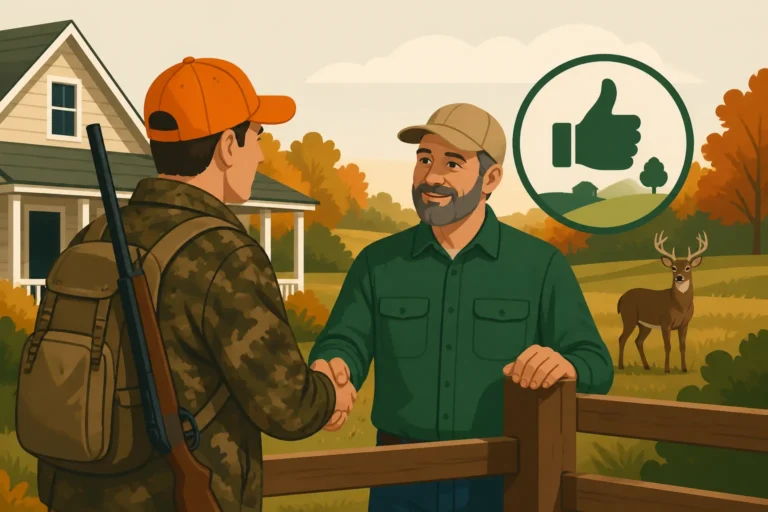
When you finally reach the landowner, whether by phone or in person, your approach is everything. Start by introducing yourself and clearly stating your reason for calling or visiting. Be polite, humble, and apologetic for any inconvenience. Here's a possible script:
"Hello, my name is [Your Name], and I was just hunting deer on the [Your Property/Public Land Name] property next to yours. I believe I hit a deer, and it ran onto your property right around [describe location using landmarks or coordinates]. I immediately backed out and am calling to respectfully ask if I might have your permission to briefly track and retrieve the animal. I'm happy to show you exactly where I think it is, and I promise to be as quick and unobtrusive as possible."
Offer to show them your hunting license and provide your contact information. Emphasize that you understand their property rights and appreciate their consideration. Sometimes, simply offering to give them a portion of the meat or inviting them to see the animal can help build goodwill, though this should be a genuine offer, not a bribe.
What to Say, and What Not to Say
- DO: Be honest, polite, and respectful. Offer to go with them, or have them escort you. Reassure them you will not be carrying a weapon onto their property during retrieval, and that you will stick to the exact path needed for recovery. Explain your ethical obligation to recover the animal. Highlight that this is an emergency situation, not an attempt to gain general hunting access.
- DON'T: Demand access, argue, or imply any sense of entitlement. Never show up with your weapon on their property. Don't exaggerate the size of the animal or make promises you can't keep. Avoid making them feel like you've already trespassed or that they have no choice but to grant permission. Remember, they are under no legal obligation to grant you access.
It’s often helpful to mention that you've used tools like onX Hunt to precisely identify their property and that you're committed to staying exactly where you're allowed to be, save for this specific, requested recovery. This shows you've done your homework and respect their boundaries.
Dealing with Denied Access or Unreachable Landowners
Unfortunately, despite your best efforts, sometimes permission isn't granted, or you simply can't reach the landowner. This is a difficult pill to swallow, but it's important to know your options and limitations.
When a Landowner Says No
If the landowner explicitly denies you permission to retrieve your game, your options are extremely limited. Legally, you cannot force your way onto their property. As frustrating as it is, you must respect their decision. Continuing onto their land after being denied is a clear act of trespassing and will undoubtedly lead to legal trouble. It's an awful situation, but it reinforces the importance of knowing your hunting area and the adjacent properties intimately before you hunt.
In such cases, your ethical obligation to recover the animal clashes directly with the legal reality. Some hunters might feel compelled to contact the Maryland Department of Natural Resources (DNR) to see if they can intervene. While DNR law enforcement officers can sometimes mediate or assist, they also cannot compel a private landowner to grant access. They primarily enforce existing laws. It's a last-ditch effort, but it's important to understand that their hands are also largely tied by private property rights.
Unreachable Landowners and DNR Intervention
What if you can't find the landowner or they simply don't respond to your attempts at contact? This is another tough spot. You still cannot trespass. In this scenario, contacting the Maryland Natural Resources Police (NRP) is your best course of action. Explain the situation clearly: you've hit an animal, you know it's on a specific private property, you've tried to contact the landowner (document your attempts!), and you need assistance with recovery.
The NRP might be able to:
- Help you identify and contact the landowner.
- Act as an intermediary to explain the situation and request access on your behalf.
- In rare cases, if the animal is clearly visible from a public right-of-way and the landowner remains uncooperative or unreachable, they might assist in retrieving it without you physically entering the property (though this is not guaranteed and highly situational).
It's critical to understand that the NRP's primary role is law enforcement. They will ensure that you do not trespass. While they may offer assistance out of professional courtesy and understanding of ethical hunting, they are not obligated to retrieve your animal for you, especially if the landowner is actively denying access. Always be honest and cooperative with them.
Here's a quick reference table summarizing key actions:
| Situation | Hunter's Immediate Action | Legal/Ethical Considerations | Potential Outcome |
|---|---|---|---|
| Game crosses onto known adjacent property | Mark last sign, back out. Contact landowner immediately. | Ethical obligation to recover vs. Legal obligation to respect property. | Permission granted: successful recovery. Permission denied: no access, animal lost. |
| Game crosses, landowner unknown/unreachable | Mark last sign, back out. Research landowner. If still stuck, contact NRP. | Ethical obligation to recover vs. Legal obligation to respect property. | NRP may assist in contact; access still dependent on landowner. |
| Landowner denies permission | Respect decision. Do NOT trespass. | Landowner's rights are paramount. Ethical obligation cannot override. | Animal likely lost. Do not risk trespassing charges. |
| NRP contacted for assistance | Provide all details, cooperate fully, follow instructions. | NRP enforces laws, may mediate. | NRP may help facilitate contact/access, but cannot force landowner. |
Preparation: The Best Defense Against a Lost Animal
The truth is, the best way to handle game crossing a property line is to prevent the problem in the first place, or at least be as prepared as possible.
Pre-Season Scouting and Neighbor Relations
This is where true dedication to hunting pays off. Long before hunting season even opens, take the time to thoroughly scout your hunting area, paying close attention to property lines. Use mapping tools like onX Hunt to identify every adjacent parcel and its owner. If possible, make contact with those landowners before you ever step foot in the woods. Introduce yourself, explain you'll be hunting nearby, and proactively ask what they'd like you to do if an animal happens to cross onto their property.
This kind of proactive outreach is gold. It builds rapport and trust. A friendly conversation in September can prevent a heated confrontation in November. Many landowners are perfectly amenable to allowing recovery if approached respectfully beforehand. This also gives you the chance to address any concerns they might have. Consider dropping off a business card or contact info. Building a positive relationship can transform a potential crisis into a simple courtesy call. You can find more tips on this in Knocking on Doors in Maryland Farm Country.
Having the Right Tools and Information
Beyond knowing the landowners, having the right tools in your kit is crucial:
- Mapping Apps: A premium subscription to an app like onX Hunt is almost non-negotiable for serious hunters today. It provides real-time property lines, landowner information, and GPS capabilities to mark locations. This is far superior to paper maps alone for these situations.
- Contact Information: Keep a list of adjacent landowners' phone numbers readily accessible.
- Flashlight/Headlamp: If you're tracking an animal near dusk, you need reliable light.
- Gloves and Wipes: For discreet blood trailing and to maintain hygiene.
- Knowledge of the Law: Re-read Maryland's hunting regulations regarding trespass and game recovery every year. Ignorance of the law is not an excuse.
- Hunting License and Tags: Always have these on your person.
Being prepared with this information and gear can greatly reduce stress and improve your chances of a successful and legal recovery. You should also be familiar with Maryland's Legal Weapons by County to ensure you're always in compliance, which shows responsibility.
Wrapping Up: Respect, Responsibility, and Readiness
Retrieving game from private land in Maryland is a test of a hunter's respect, responsibility, and readiness. The core takeaway is this: never trespass, always seek permission, and prepare as thoroughly as possible. While the ethical drive to recover game is strong, it must always be balanced with the legal and moral obligation to respect private property.
By taking the time to scout thoroughly, understand property boundaries, cultivate good relationships with neighbors, and know the proper legal steps, you can navigate these challenging situations with confidence and integrity. After all, successful hunting isn't just about the shot; it's about every decision you make before, during, and after the hunt, especially when those decisions involve the rights and property of others. And remember, once you do recover your deer, don't forget The Maryland Deer Registration Deadline After a Kill and how to go about Registering a Deer Through the COMPASS Portal.
Disclaimer
This article is for general informational purposes only and does not constitute professional advice. Laws, prices and regulations vary by location and change over time. Consult a qualified professional for guidance on your specific situation.