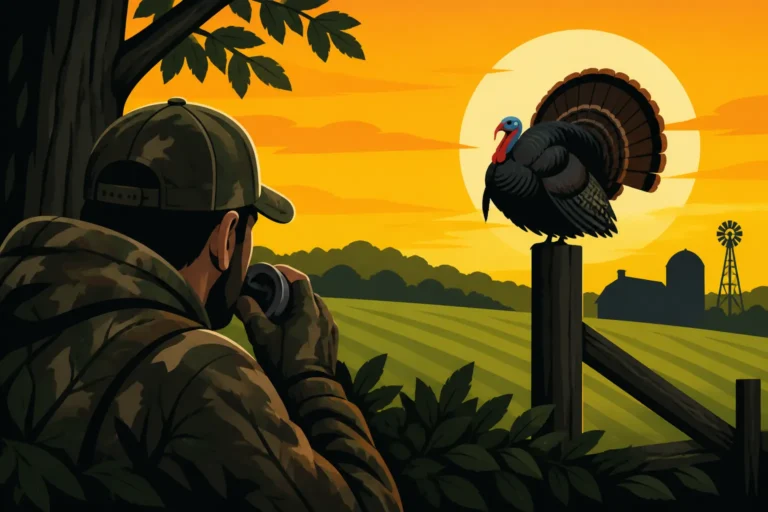
Calling Sika Stags During the September Whistle
That unmistakable, high-pitched whistle of a sika stag cutting through the damp September air is enough to send shivers down any hunter's spine. It's a sound that promises excitement, but it also often leaves hunters feeling frustrated, wondering if they're making the right calls or if their efforts are just scaring deer away. This guide is dedicated to demystifying the art of calling sika stags during their iconic September whistle, helping you understand their vocalizations, master calling techniques, and implement effective strategies to bring these elusive animals into range.
Understanding the Sika Whistle and Rutting Behavior
The sika deer, an introduced species thriving in Maryland's marshes and timber, offers a unique hunting challenge, especially during the early stages of their rut. Unlike white-tailed deer, sika stags communicate primarily through a series of whistles, roars, and whimpers, especially as September unfolds and the breeding season begins to kick into high gear.
The Unique Vocalizations of Sika Stags
Sika stags possess a remarkably distinct vocal repertoire that sets them apart from other cervids. Their most famous call, the "whistle," is a high-pitched, almost squealing sound that can carry a significant distance, particularly across the open marshes and through the dense loblolly pine stands they inhabit. This whistle isn't just a random noise; it's a critical form of communication, primarily used by stags to announce their presence, challenge rivals, and attract hinds. During September, as testosterone levels rise, you'll hear these whistles becoming more frequent and intense.
Beyond the primary whistle, stags also emit guttural "roars" when confronting a competitor or pushing hinds, and softer "whimpers" or "chuckles" that are often associated with tending hinds or asserting dominance in a less aggressive manner. Understanding these different calls and the contexts in which they are used is the first step in successful sika calling. A stag might start with a soft whistle to test the waters, escalating to a roar if another stag approaches his territory or harem. Recognizing these nuances allows you to tailor your calling to mimic natural sika behavior, making your setup far more convincing.
Seasonal Patterns of the Sika Whistle
While sika deer are vocal throughout much of the year, the intensity and frequency of their whistling truly ramp up in September, marking the onset of their breeding season. This is often referred to as the "September whistle," and it's a prime time for hunters looking to engage stags with calls. During this period, stags become highly territorial and aggressive, constantly searching for receptive hinds and fending off other males. This increased vocal activity makes them particularly susceptible to calling.
The rut typically peaks in October, but September offers excellent opportunities as stags are still establishing their dominance and seeking out the first receptive hinds. You might hear stags calling from their bedding areas in the dense phragmites, or actively moving through the timber edges. Early morning and late evening are often the most vocal periods, though an aggressive stag can be heard at any time of day, especially on cool, crisp mornings following a cold front. Learning to identify these peak times will greatly improve your chances when calling sika stags during their fall whistle.
Types of Sika Calls and When to Use Them
To effectively call sika stags, you need to understand not just that they vocalize, but how and why they use different sounds. Mimicking these calls accurately and appropriately can be the difference between luring in a curious stag and sending one bolting for cover.
Mastering the Sika Roar and Whimper
The sika stag's roar is a deep, guttural sound, far more aggressive than the whistle. It signifies a challenge, often used when a dominant stag is pushing his harem or has located a rival. This call is highly effective when you know there's a stag in the vicinity, and you want to provoke a response or bring him in closer for a look. It tells him there's another stag encroaching on his turf. However, overuse or an unconvincing roar can also make a cautious stag hang up or flee. It requires confidence and a good understanding of the situation.
In contrast, the whimper is a much softer, almost pleading sound. It can be used by hinds in estrus to attract a stag, or by younger, less dominant stags attempting to sound less threatening. As a hunter, a whimper can sometimes entice a dominant stag looking for a receptive hind, or pull in a satellite stag who's a bit more shy than a mature, roaring brute. It's often best used as a follow-up call after an initial whistle, or when trying to draw a stag closer without being overly aggressive. When trying to bring a stag out of dense cover, a soft whimper might be less alarming than a full-on roar.
Subtle Chuckles and Estrus Calls
Beyond the primary roars and whimpers, sika deer, particularly hinds, produce various subtle chuckles and estrus bleats that can be incredibly effective. A "chuckle" is a low, guttural sound, sometimes heard from stags tending hinds, almost like a contented growl. This call can convey a sense of a stag being "at home" with hinds, which might draw in other curious stags. It’s a subtle communication that indicates presence without outright aggression.
Estrus calls, on the other hand, are designed to mimic a receptive hind. These are typically higher-pitched bleats or whimpers, distinct from a stag's whistle. Used sparingly, especially if you suspect a stag is nearby but not actively whistling, an estrus call can tap into their breeding instinct, making them drop their guard and come investigate. These calls can be particularly effective during the peak of the rut in October, but even in September, some early receptive hinds can spark a stag's interest. Combine an estrus call with a soft whimper, and you might create a scenario that's irresistible to a rutting stag.
Choosing the Right Call for the Situation
Deciding which sika call to use is crucial and depends heavily on the specific hunting situation. If you've just heard a stag whistle aggressively, an equally aggressive roar might be your best bet to challenge him. But if the woods or marsh are quiet, and you're blind calling, starting with a softer whistle or a series of whimpers and chuckles could be more effective in initially locating a stag without spooking him.
Consider the time of day, the wind, and the terrain. Early morning, when stags are often most vocal, might be ideal for starting with a soft, inquiring whistle. If you're Hunting Sika Deer in Maryland's Loblolly Pine Edges, a challenging roar might echo well through the timber, but in dense marsh grass, a softer whimper might be more effective at drawing a stag out without revealing your precise location too early. Tools like GoHunt can provide invaluable insights into topographical features and wind direction, helping you predict how sound will carry and where a stag might be bedded, thus informing your call choice. Always be prepared to adapt your calling sequence based on the stag's response – or lack thereof.
Effective Calling Strategies for September Sika
Calling a sika stag isn't just about making the right sounds; it's about executing a strategic approach that combines scouting, setup, and responsive calling to capitalize on their rutting behavior in September.
Locating Stags and Planning Your Approach
Before you even think about calling, you need to know where the sika are. September is a fantastic time for scouting, as stags begin to lay down more visible sign, including rubs and scrapes, and their whistling activity increases. Spend time on the public lands like the expansive Fishing Bay Wildlife Management Area or private parcels, listening for distant whistles at dawn and dusk. Look for fresh tracks in the soft mud of the marsh, and areas where sika have been browsing.
Once you've identified a general area where stags are active, use mapping tools like GoHunt to analyze the terrain, noting potential bedding areas Where Sika Deer Bed in Phragmites, travel corridors, and feeding grounds. Plan your approach carefully, especially if you're Marsh Hunting Sika Deer by Boat or wading in. The goal is to get as close as possible to the suspected stag's location without being detected. This often means using natural cover, understanding wind direction, and moving slowly and deliberately. If you hear a distant whistle, mark its location and try to circle downwind to get within calling range, ideally 200-300 yards, before initiating your sequence.
Setting Up for the Call
Your setup is just as critical as your calling technique. Sika deer, especially mature stags, are notoriously cagey and will often circle downwind to scent-check the source of a call before fully committing. Always try to position yourself with the wind in your favor, or at least a crosswind that will carry your scent away from the stag's likely approach path. Concealment is paramount. Utilize dense brush, a thick stand of pines, or the tall phragmites of the marsh to break up your outline.
When choosing a spot, consider natural funnels or pinch points that a stag might use as he approaches. An ideal setup will offer good visibility in the direction you expect the stag to come from, while providing solid back cover. Also, think about your shooting lanes. There’s nothing worse than calling in a beautiful stag only for him to hang up in thick cover just outside your effective range. Be patient; sometimes a stag will take his sweet time responding, circling wide before he reveals himself. Having a partner can be a huge advantage, with one hunter calling and another positioned 20-30 yards downwind, ready for a shot if the stag circles.
Responding to a Stag's Whistle
Once you hear a stag whistle, the game is on. How you respond can dictate success or failure. Resist the urge to immediately blast a loud call back. Often, a softer, inquiring whistle first, or even a soft whimper, can gauge his interest without over-committing. Listen carefully to his next vocalization. Is it closer? More aggressive? More frequent? This tells you his level of interest and direction.
If he continues to whistle and move closer, you can increase the intensity of your calls. A series of challenging roars might make him think a rival stag is moving in on his territory, compelling him to close the distance quickly. If he seems to hang up or is only giving soft, questioning whistles, try a soft estrus bleat or a whimper to peak his curiosity. The key is to mimic his intensity and direction, making him believe he's communicating with another sika. Sometimes, silence is the best response – after an initial call, let him wonder and come looking. Knowing when to stop calling is as important as knowing when to start. For more detail on identifying fresh sign, check out Reading a Marsh Trail for Sika Sign.
Gear and Tactics for Successful Sika Calling
Beyond the calls themselves, having the right ancillary gear and understanding specific tactics for Maryland's sika country will significantly enhance your chances of success during the September whistle.
Essential Calling Equipment
For sika calling, you'll want to invest in a quality sika call that can reproduce the distinct whistle, roar, and whimper. There are several excellent options on the market, from simple reed-style calls to more complex diaphragm calls. Practice with your chosen call until you can consistently produce realistic sounds. Some popular brands like Sean Mann calls or those from Buck Expert offer specific sika deer calls. Experiment to find one that feels comfortable and sounds authentic to you.
In addition to your primary call, consider carrying a small pair of binoculars (8x or 10x) for scanning thick cover, especially if you get a visual on a stag but he's not fully committed. A rangefinder is also crucial for quickly and accurately determining shot distance in the marsh or timber, where distances can be deceiving. A comfortable pair of Hip Boots Versus Chest Waders in Sika Country is essential for navigating the often-wet terrain of sika habitat. And don't forget a sturdy headlamp for those early morning hikes into the marsh or late-night recoveries.
Reading the Wind and Using Cover Effectively
Sika deer have an incredible sense of smell, arguably even more acute than white-tailed deer. Ignoring the wind is a guaranteed way to bust a hunt. Always approach your calling location from downwind, trying to keep the wind in your face or at least a quartering wind that won't carry your scent directly to the area you expect the sika to be. Use an inexpensive wind checker to constantly monitor wind direction, as it can shift unexpectedly, especially in marshy areas or hilly timber.
When setting up, utilize the terrain to your advantage. Dense brush, fallen logs, or the edge of a pine thicket can provide critical concealment. In the marsh, tall phragmites or Spartina grass are your best friends. Position yourself so that you have shooting lanes, but also plenty of cover to break up your outline and prevent the stag from pinpointing your exact location. Remember, sika often circle downwind, so having some cover in that direction can buy you precious seconds if he gets a whiff of you. Being able to blend into the environment is key for these sharp-sensed animals.
Scent Control in the Marsh
Given their keen sense of smell, scent control is paramount when hunting sika deer, particularly in the open air of a marsh. While it's impossible to eliminate all human odor, you can significantly reduce your scent footprint. Start by washing your hunting clothes in scent-free detergent and storing them in an airtight container or bag until you're ready to hunt. Shower with scent-free soap before heading out.
When you're wading into a Dorchester marsh before daylight, or moving through thick cover, avoid touching anything more than necessary. Wear rubber boots that have been cleaned with scent-eliminating spray. Use a scent-absorbing spray on your outer clothing, hat, and boots just before you enter your hunting area. Even small details, like avoiding strong-smelling foods or colognes, can make a difference. The goal is to be as undetectable as possible, allowing the stag to focus on your calls rather than the alarming scent of a human predator.
Common Mistakes and Troubleshooting Sika Calling
Even experienced hunters make mistakes when calling sika. Recognizing these common pitfalls and knowing how to troubleshoot them can turn a frustrating outing into a successful one.
Overcalling and What Not to Do
One of the most common mistakes beginners (and sometimes even seasoned hunters) make is overcalling. When you hear a stag whistle, it's tempting to blast back with an aggressive series of calls, hoping to mimic the sound of a heated territorial battle. However, sika deer are smart, and constant, overly loud calling can quickly make them suspicious or cause them to hang up out of range. Imagine a real stag encountering another stag that just won't shut up – he'd probably be cautious too.
Instead, employ a more measured approach. Start with a soft, inquisitive whistle or whimper. Listen for a response. If the stag replies, wait a minute or two, then give another call, perhaps slightly more assertive if he's closing the distance. Mimic the natural cadence of sika communication. Think of it as a conversation, not a monologue. If a stag isn't responding or seems to be moving away, sometimes a period of silence is the best call. Let his curiosity get the better of him. Remember, you want to draw him in, not scare him off with an unnatural barrage of sound.
Dealing with Stubborn or Quiet Stags
Not every sika stag is going to charge in aggressively to your calls. Some stags, especially those that have been hunted hard or are older and wiser, can be incredibly stubborn or surprisingly quiet. You might hear a distant whistle, respond, and get no further sound. Or perhaps you've been blind calling for a while with no response. Don't give up!
In these situations, patience is your greatest virtue. Try changing up your calling sequence. If aggressive roars aren't working, switch to softer whimpers or estrus bleats. Wait longer between calls. Sometimes, a stag might be circling downwind silently, trying to pinpoint the source of the sound without giving away his own position. It’s also possible you’re encountering a stag that’s not quite in the mood, or simply isn't interested in a challenge. In these cases, moving to a new location after an hour or so, or switching to a spot-and-stalk tactic, might be more effective. Consulting resources like Hunting a Loblolly Pine Island in the Marsh could offer alternative strategies for approaching these challenging deer.
Recognizing and Adapting to Spooked Sika
A spooked sika deer is a truly frustrating experience, but it happens to the best of us. Sika are very aware of their surroundings, and any sudden movement, unnatural sound, or a whiff of human scent can send them crashing through the marsh or timber. A spooked stag might let out a sharp bark before bolting, or simply melt silently into the dense cover, leaving you wondering what went wrong.
If you suspect a sika has busted you, the best thing to do is usually to stop calling immediately and freeze. Wait for a good 10-15 minutes, listening intently. Sometimes, if they didn't get a clear visual or confirmation of danger, they might just be moving a short distance and will calm down. However, more often than not, a truly spooked sika will leave the area quickly. In such cases, it's usually best to quietly back out and try a different location or tactic later in the day, or even another day. Pressuring a spooked sika usually makes them even warier. Learning from what went wrong – whether it was your approach, the wind, or your calling intensity – is vital for improving your future hunts. Remember, every encounter is a learning experience, especially when dealing with such an intelligent and elusive animal.
Sika Deer Rut Phases and Calling Success
Understanding the phases of the sika rut can significantly impact your calling strategy and overall success in Maryland's diverse sika habitat. While September marks the beginning of the vocal period, the rut evolves through several stages, each requiring a slightly different approach.
Early Rut Whistle and Stag Dominance
September truly ushers in what many hunters refer to as the "September whistle." This period is characterized by stags beginning to test their dominance. They're not yet fully committed to breeding, but their testosterone levels are rising, making them more aggressive and vocal. You'll hear a lot of individual whistles, often from stags moving between feeding and bedding areas. They're announcing their presence and attempting to establish their hierarchy.
During this early phase, challenging roars can be very effective, especially if you hear a stag whistling nearby. He's looking for a fight or at least a confrontation to confirm his status. Think of it as sparring season. Stags are less likely to be locked down with hinds, so they're more mobile and more inclined to investigate a perceived rival. This makes the early rut an excellent time for aggressive calling, as long as you're set up carefully to conceal your presence. Remember, these are early days, and not all hinds are receptive, but the stags are certainly thinking about it.
Peak Rut Intensity and Vocal Duels
As the calendar turns towards late September and especially into October, the rut transitions into its peak. This is when The Sika Rut Peaks, and breeding activity is in full swing. Stags are actively tending hinds, pushing them into small harems, and constantly defending their territory. The vocalizations become even more intense and frequent. You might hear prolonged "whistle trains" where multiple stags are calling back and forth, sometimes escalating into full-blown roaring matches as they physically confront each other.
During the peak rut, all types of calls can be effective. Challenging roars can draw in a dominant stag defending his hinds, while estrus bleats can tempt a stag who is looking for more receptive females. The key is to listen to the natural sounds around you and try to blend in. If stags are having a roaring battle, you might join in subtly to add to the chaos and draw one closer. However, remember that stags during the peak rut are highly focused on hinds, so if you're not mimicking a rival or a receptive hind convincingly, they might ignore you completely. This is a high-energy time, and your calling should reflect that.
Post-Peak and Late-Season Whistling
Even after the main rut subsides in late October and early November, sika stags can still be vocal, though typically less intensely. This post-peak period can see some secondary rutting activity, particularly if younger hinds come into estrus later in the season. You might hear intermittent whistles, especially on warm days or during periods of stable weather.
Calling during the post-peak can be more challenging. Stags are often more wary, having been pressured throughout the season. Softer, more inquisitive calls, such as whimpers and subtle chuckles, might be more effective than aggressive roars. The objective is often to pique their curiosity or suggest the presence of a lone, receptive hind, rather than challenge a dominant stag. This is also a time when focusing on food sources and bedding areas, using calling as a secondary tactic, can be beneficial. Understanding these different phases helps tailor your approach, making sure your calls align with what the sika are doing naturally in the woods and marshes.
Disclaimer
Hunting is an inherently dangerous activity. This guide provides information for educational purposes only and is not a substitute for proper hunter education, safety training, or compliance with all local, state, and federal hunting regulations. Always prioritize safety, respect wildlife, and obtain all necessary licenses and permits before engaging in any hunting activity. Consult with the Maryland Department of Natural Resources for the most current regulations and safety guidelines.