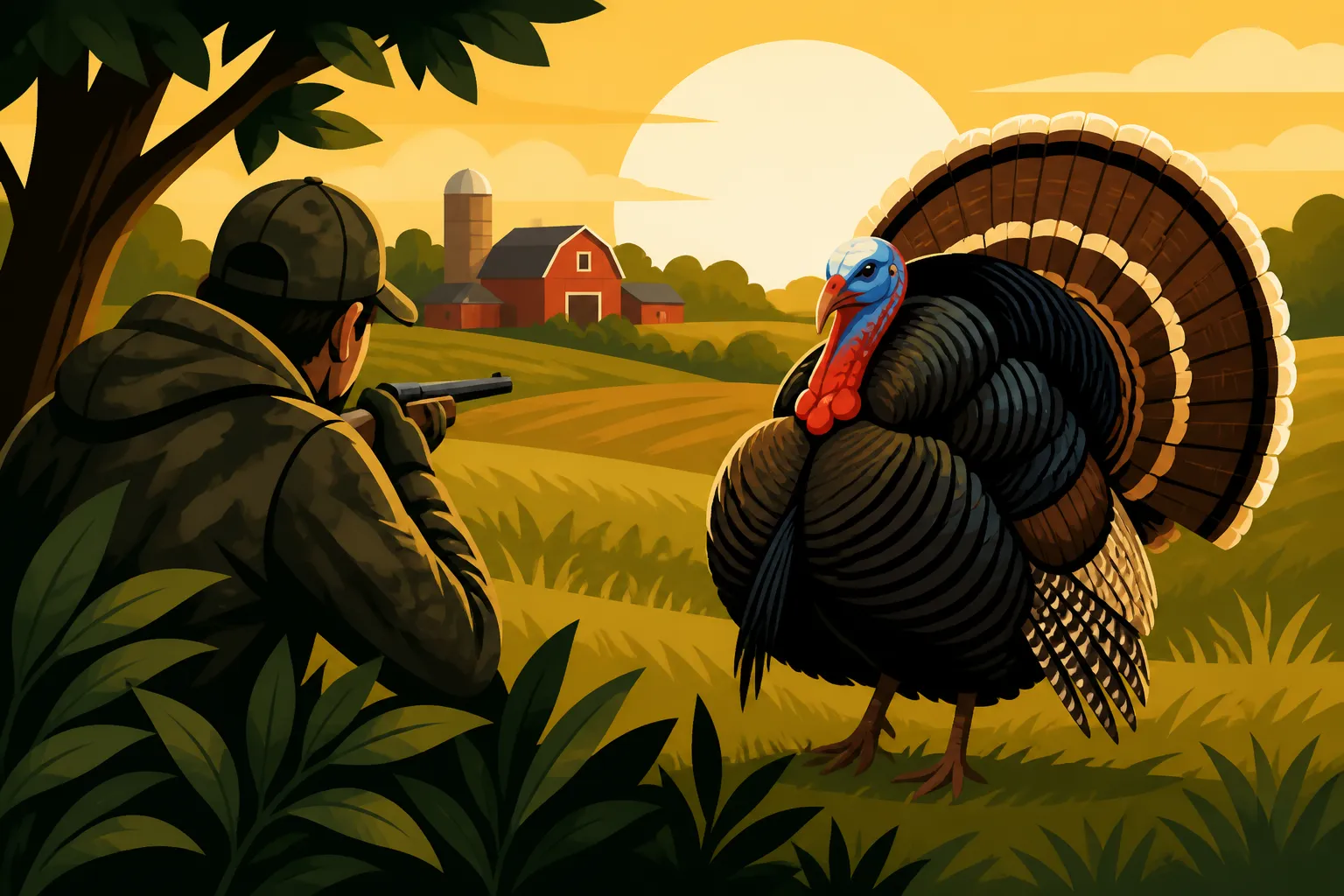
Guided Turkey Hunts on Maryland Farms
For many of us who dream of spring turkey season in Maryland, the reality often hits hard: finding good private land to hunt can feel like trying to find a needle in a haystack. Public land gets hammered, and knocking on doors can be intimidating and often fruitless. This guide is here to shed light on a fantastic alternative: booking a guided turkey hunt on a Maryland farm, offering you a high-quality experience without the year-round scouting and relationship-building required for private access.
Why a Guided Turkey Hunt on Maryland Farms Makes Sense
Let's be honest, not everyone has a friend with a sprawling farm or the time to spend months knocking on doors and cultivating landowner relationships. Even if you do, locating consistently active gobblers on new ground is a challenge. That's where a guided hunt on a Maryland farm really shines, addressing some of the biggest hurdles turkey hunters face.
Overcoming Access Challenges on Private Land
The struggle for private land access is real, especially for prime turkey habitat. Maryland has some incredible turkey populations, particularly in its agricultural regions, but much of that prime ground is privately owned. If you're not a local or don't have existing connections, gaining permission can be incredibly difficult. Farmers are often understandably cautious about who they let on their property, and they might already have established hunters. This leaves many aspiring turkey hunters stuck on heavily pressured public land where turkeys are much warier. A guided hunt cuts through all that red tape. Outfitters have often spent years building relationships with landowners, securing exclusive access to properties that harbor strong turkey numbers and receive limited pressure. They've done the hard work of scouting and securing the hunting rights, allowing you to focus purely on the hunt itself. It’s like having a golden ticket to some of the best turkey real estate in the state, often in areas renowned for their gobblers, such as those found on the Eastern Shore or in Western Maryland.
Leveraging Expert Knowledge of Local Gobblers
Even if you somehow manage to get access to a fantastic farm, simply having permission isn't enough. Turkeys are notoriously tricky birds. Their patterns can change daily based on weather, pressure, and breeding cycles. A seasoned Maryland turkey guide brings years of experience and intimate knowledge of the specific farm you're hunting. They know where gobblers typically roost, where they like to strut, their preferred feeding areas, and how they react to different calling sequences. This isn't just generic turkey wisdom; it's often hyper-local knowledge of the particular creek bottoms, field edges, and woodlots on that specific farm. They've likely patterned these birds for multiple seasons, understanding individual gobbler personalities and tendencies. This deep understanding means less guesswork and more effective hunting, dramatically increasing your chances of success. They'll also know how to adapt on the fly, moving quickly if a gobbler goes silent or if another flock of birds makes an unexpected appearance. Calling a Gobbler Off a Maryland Farm Roost is an art, and guides are masters of it.
Maximizing Your Limited Hunting Time
For many, hunting time is a precious commodity. Whether you're traveling from out of state or juggling work and family commitments, you want to make every minute in the woods count. A guided hunt is designed for efficiency. Your guide has scouted, set up, and planned the day's strategy before you even arrive. You won't waste valuable morning hours driving around trying to locate birds or figuring out access points. You'll be in position before daylight, listening for the first gobble, ready to execute a well-thought-out plan. This organized approach is invaluable, especially during Maryland's short spring turkey season. Instead of fumbling around with maps or second-guessing your setup, you're immediately immersed in the hunt, guided by someone who knows the terrain and the birds inside and out. This maximizes your opportunity to fill a tag and create lasting memories.
What to Expect from a Maryland Farm Turkey Hunt
A guided turkey hunt on a Maryland farm isn't just about pointing you toward a field; it's a strategic experience crafted to put you within range of a wary gobbler. While every guide and farm is a bit different, there are common threads that tie these experiences together, from the hunt structure to the calling techniques.
Typical Hunt Structures and Setups
Most guided turkey hunts on Maryland farms begin well before dawn. You'll likely meet your guide in the dark, go over the plan for the morning, and then head out to a pre-scouted location. Often, this involves setting up on a field edge, near a known roosting area, or along a travel corridor between woodlots and open fields. Your guide will typically provide comfortable seating, like a ground blind or a portable chair, and set up decoys a short distance away. Decoy placement is crucial and your guide will have specific strategies, perhaps using a lone hen, a jake, or a full strut tom to entice gobblers into range. The goal is to imitate a natural scene that makes a gobbler curious enough to come investigate. Decoy Placement for Pressured Maryland Gobblers is a fine art, considering how smart farm birds can become. Some hunts might involve more mobile "run-and-gun" tactics later in the morning if initial setups don't pan out, particularly if birds are quiet or widely dispersed. These tactics are often used when birds are "henned up" and you need to intercept them as they move.
Calling Strategies Used by Guides
A Maryland turkey guide's calling ability is often their most valuable asset. They don't just make noise; they "talk turkey," using a range of calls – diaphragm calls, slate calls, box calls – to mimic various hen vocalizations, from soft tree yelps and clucks to excited cutting and aggressive purrs. The key is knowing when to use each call, how loud to call, and how frequently to call, all based on the gobbler's responses and disposition. They'll often start with soft calls from the roost to gauge interest, then adjust their cadence and volume as the gobbler pitches down and moves closer. They're masters at reading the bird's mood, knowing when to be aggressive and when to back off, keeping the gobbler interested without making him suspicious. They'll listen intently for return gobblers, discerning their distance, direction, and even their mood, which dictates the next sequence of calls. This intricate dance of calling is what often brings a hung-up gobbler those last critical yards into gun range.
Understanding Farm-Specific Challenges
Hunting turkeys on farms presents its own unique set of challenges compared to deep timber or mountain hunting. For one, farm turkeys can be notoriously wary. They see tractors, hear dogs, and are generally more accustomed to human activity, which can make them harder to fool. They might be quick to spot decoys if they're not set perfectly or get spooked by unnatural movement. Large open fields, while great for spotting birds, can make closing the distance a real puzzle, as turkeys can see you coming from a long way off. Your guide will be adept at using the subtle contours of the land, fencerows, standing corn, and wood lines as natural cover to approach and set up undetected. Wind can also be a factor on open farm ground, making it harder to hear distant gobblers or carry your calls. Guides will often factor in prevailing winds and thermals, especially early in the morning as temperatures rise, to position themselves advantageously. Understanding Setting Up on a Maryland Grain Field Edge means knowing how to use that agricultural landscape to your advantage.
Choosing the Right Guide for Maryland Farm Turkeys
Deciding on a turkey guide in Maryland means doing a little homework to ensure you get the best experience possible. Not all guides are created equal, and finding one who specializes in farm turkeys and aligns with your expectations is key to a successful and enjoyable hunt.
Key Questions to Ask Potential Outfitters
When you start looking for a Maryland turkey guide, don't be afraid to ask a lot of questions. Think of it as an interview to find the right partner for your hunt. First, inquire about their experience specifically with farm turkeys in Maryland. How long have they been guiding in the area? What kind of success rates do they typically see, and how do they define "success"? Ask about the number of birds they generally work with on their leases. It's also critical to understand the hunt structure: Is it primarily blind hunting, run-and-gun, or a mix? What's the typical guide-to-hunter ratio? Do they allow you to call, or is the guide doing all the calling? You should also ask about safety protocols, especially when hunting on private property with potential nearby structures or roads. Finally, be clear on costs – What a Maryland Turkey Guide Charges – and what exactly is included: is lodging part of the package, do they provide calls and decoys, or are you expected to bring your own? Using platforms like BookYourHunt or GoHunt can sometimes streamline this process, as they often list what's included and provide customer reviews.
The Importance of Local Farm Experience
While any good turkey guide understands turkey behavior, a guide with specific local farm experience in Maryland is invaluable. Farm landscapes have unique characteristics: specific crop rotations, fencerows, woodlot layouts, and even local deer or predator populations that influence turkey movement. A guide who has spent years working with farmers in a particular region, like the rolling hills of Frederick County or the vast fields of the Eastern Shore, will have an intimate understanding of these nuances. They'll know the best entry and exit routes, which wood edges hold roosting birds, and how a freshly planted field might draw in gobblers. They'll also be familiar with local pressure from other hunters or even farming operations, allowing them to adjust tactics accordingly. This isn't knowledge you can gain from a quick map study; it comes from boots-on-the-ground experience over many seasons, learning the quirks of the land and its resident birds.
Logistics and What's Included (and Not)
Before you commit, get a clear picture of all the logistical details. Most guided farm turkey hunts are day hunts, but some may offer multi-day packages with lodging. Confirm the exact meeting point and time. Will transportation around the farm be provided, or do you need your own vehicle (and if so, does it need to be a 4×4)? What about meals? Some guides might provide coffee and snacks, but it's often wise to bring your own. Ask about processing and tagging the bird once it's down. Will the guide help field dress it? Do they have a plan for registering the bird according to Maryland regulations? Be sure to clarify what gear they provide (decoys, blinds, calls) versus what you are responsible for bringing (shotgun, ammunition, camouflage, appropriate clothing for Maryland's often variable spring weather). Understanding these details upfront prevents any surprises and ensures a smooth, enjoyable experience. Always check the specific terms, including Maryland Spring Turkey Bag Limit and licensing requirements.
Preparing for Your Guided Farm Turkey Adventure
So, you've booked your guided turkey hunt on a Maryland farm – fantastic! Now comes the exciting part: getting ready. While your guide will handle many of the complexities, your preparation plays a significant role in making the hunt a success and ensuring you're comfortable and safe in the field.
Essential Gear and Clothing Considerations
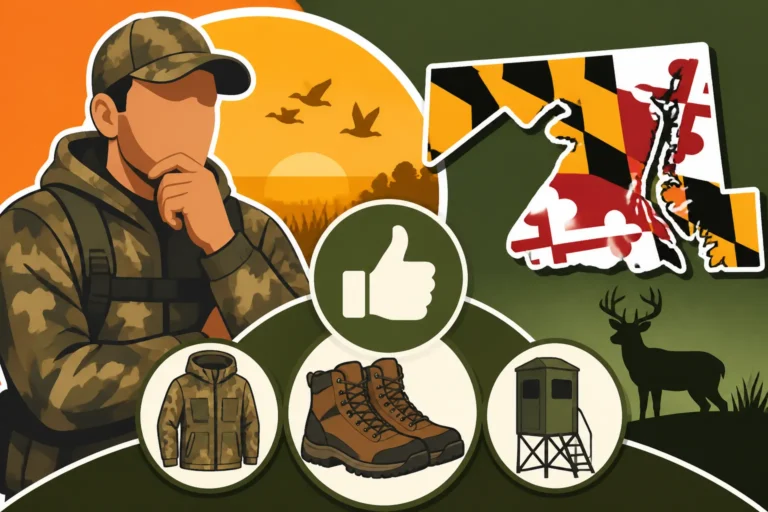
Maryland spring weather can be notoriously unpredictable. One morning it's freezing, and the next it's uncomfortably warm. Layering is your best friend. Start with a moisture-wicking base layer, add insulating layers, and top it off with waterproof and windproof outerwear in full camouflage. Head-to-toe camo is crucial; don't forget gloves and a face mask or net, as a turkey's eyesight is incredibly sharp. Your shotgun should be patterned for turkey hunting, meaning you know how it performs with your chosen turkey load at various distances. Practice shooting from a sitting position, as that's how you'll often be set up in the field. Bring enough shells, usually 5-10, just in case. Comfortable, waterproof boots are non-negotiable, especially if you'll be walking through dew-soaked fields or damp woodlots. Lastly, don't forget bug spray for ticks and mosquitoes, a small backpack for essentials, and plenty of water. A Thermacell can also be a lifesaver on a still spring morning.
Physical and Mental Readiness for the Field
While guided hunts alleviate much of the physical exertion of scouting, you still need to be reasonably fit. You might be walking a mile or two in the dark to your setup spot, then sitting still for hours, and potentially needing to move quickly if the birds relocate. The ability to sit still and remain quiet for extended periods is a mental challenge that can be as demanding as the physical aspects. Practice your patience, as turkey hunting often involves long stretches of silence punctuated by intense bursts of action. Be prepared for early mornings – very early mornings – as the best turkey hunting often happens in the first few hours of daylight. Mental readiness also includes a positive attitude and open-mindedness; sometimes the birds just don't cooperate, and that's part of hunting. Listen intently to your guide, follow their instructions precisely, and trust their expertise. They are there to put you on birds.
Understanding Maryland's Turkey Regulations
Even with a guide, you are ultimately responsible for knowing and adhering to Maryland's hunting regulations. This includes having the proper Maryland Resident Hunting License Cost or Maryland Nonresident Hunting License Cost, as well as any required stamps for turkey hunting. Be absolutely clear on the Maryland Spring Turkey Bag Limit – typically one bearded turkey per day, with a season limit. You'll need to know the legal shooting hours, which generally run from half an hour before sunrise until noon during most of the spring season. Your guide will certainly help with this, but having a personal understanding of the rules ensures you're confident and compliant. Make sure you understand how to register your turkey after a successful hunt; Maryland often uses an online or phone registration system that must be completed promptly. Discuss this with your guide beforehand so you know the process.
Guided vs. DIY Maryland Farm Turkey Hunts
To give you a clearer picture, here's a quick comparison of what you might encounter when choosing between a guided hunt and going it alone on a Maryland farm.
| Feature | Guided Maryland Farm Turkey Hunt | Do-It-Yourself Maryland Farm Turkey Hunt |
|---|---|---|
| Access | Exclusive access to private farms, pre-scouted. | Requires extensive networking, door-knocking, or landowner connections. |
| Knowledge | Expert guide with local farm and turkey behavior knowledge. | Relies on personal scouting, online maps, and general turkey hunting experience. |
| Time Efficiency | Maximized hunting time; all planning and setup handled. | Significant time spent on scouting, securing access, and planning. |
| Gear | Guide often provides blinds, decoys, calls; advised on personal gear. | You must provide all your own gear, including decoys and calls. |
| Calling Skill | Guide handles most calling, experienced in farm turkey tactics. | Relies solely on your own calling ability and strategic decisions. |
| Success Rate | Generally higher success rates due to expertise and access. | Variable, heavily dependent on personal skill, access, and scouting effort. |
| Cost | Higher upfront cost for guide fees. | Lower upfront cost, but high investment in time and potential frustration. |
| Learning Curve | Excellent learning opportunity from an experienced professional. | Learn through trial and error, self-study, and personal experience. |
| Experience | Less stress, more focus on the hunt; often higher comfort. | More autonomy and satisfaction from self-reliance, but also more potential stress. |
This table clearly highlights why many hunters, especially those with limited time or access, find the value in a guided experience. It streamlines the process and leverages expert knowledge to increase the likelihood of a successful hunt.
Disclaimer
This article is for general informational purposes only and does not constitute professional advice. Laws, prices and regulations vary by location and change over time. Consult a qualified professional for guidance on your specific situation.