Maryland Guide Licensing You Can Verify
It's an exciting time when you're planning a guided hunt in Maryland – picturing those marsh sika or a big Eastern Shore gobbler can really get the blood pumping! But before you commit your hard-earned money and precious vacation days, one of the biggest anxieties many hunters face is simply trusting that the guide they're booking is legitimate and operating above board. This guide is here to walk you through exactly how to verify a Maryland hunting guide's licensing, so you can book with confidence and focus on the hunt itself.
Why Every Hunter Should Verify a Maryland Guide's Credentials
Booking a guided hunt is an investment, both financially and in the memories you hope to make. It’s not just about showing up with your gear; it’s about entrusting your experience, your safety, and often, your understanding of local regulations to a professional. Skipping the due diligence on a guide's licensing can lead to some pretty significant headaches, from a ruined trip to serious legal repercussions.
Protecting Your Hard-Earned Money and Valuable Hunt Time
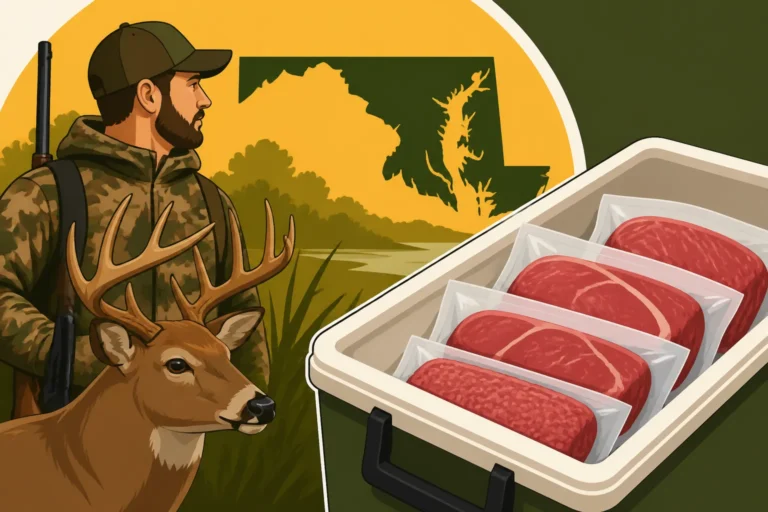
Let's be real, guided hunts aren't cheap. You're paying for expertise, access to prime land, equipment, and a level of service that’s supposed to maximize your chances of success and enjoyment. Imagine saving up for months, or even years, for that dream Sika Deer Hunting in Maryland's Tidal Marshes or Goose Hunting Maryland's Eastern Shore Grain Fields trip. You send a hefty deposit, maybe even pay in full, only to arrive and find a disorganized operation, a guide who clearly doesn't know the local rules, or worse yet, discover they aren't even legally permitted to guide. That’s not just a disappointment; it’s a financial blow and a profound waste of your valuable time.
Many hunters have been there, showing up for a waterfowl hunt only to find the "guide" doesn't have proper blinds, or the boat isn't up to snuff, making the entire experience less productive and more frustrating than it should be. Without a legitimate license, there's often less accountability, and your recourse if something goes wrong can be severely limited. It's a frustrating situation that no hunter wants to find themselves in, feeling ripped off or misled when all you wanted was an honest day in the field.
A licensed guide, on the other hand, usually operates under a set of professional standards. They know their reputation is on the line, and that includes adhering to the regulations that protect both you and the resource. This protection extends beyond just the hunt itself; it offers some peace of mind regarding deposits and business practices. When you're making a significant investment in a hunting experience, verifying those credentials is your first line of defense against fraud and disappointment.
Ensuring Your Safety and Legal Compliance in the Field
Hunting, by its very nature, carries inherent risks. When you add in elements like boats, firearms, adverse weather, and unfamiliar terrain, those risks can increase exponentially. A properly licensed guide isn’t just about showing you where the game is; they’re trained and required to prioritize safety. This means knowing proper firearm handling, emergency procedures, navigation, and adherence to all hunting regulations.
Consider a Chesapeake Bay Sea Duck Charters in Maryland experience. You're out on potentially rough waters, far from shore, perhaps in low light or fog. Does your guide possess the necessary Coast Guard credentials to operate a commercial vessel? Are they familiar with emergency protocols? For land-based hunts, are they well-versed in Maryland's Legal Weapons by County or blaze orange requirements? An unlicensed guide might cut corners on safety equipment or, worse, operate outside legal hunting seasons or bag limits, inadvertently putting you in a compromising legal position. You could face fines, confiscation of your harvest, or even lose your hunting privileges, all because you unknowingly hunted with someone not adhering to the law.
The state's licensing process for guides often includes checks for competency and knowledge of the law. This isn’t just bureaucratic red tape; it’s a safeguard for everyone involved. A licensed guide should understand everything from Maryland's Deer Bag Limits and Antler Rule to the specific zones for waterfowl, and they're accountable for ensuring their clients stay within those bounds. This expertise contributes directly to a safer and more legally sound hunting experience for you.
Upholding Ethical Hunting Practices and Fair Chase Standards
Beyond the legal and safety aspects, verifying a guide's license speaks to the ethics of the hunt. Reputable guides are typically deeply invested in conservation and promoting fair chase principles. They understand the importance of respecting wildlife, habitat, and the traditions of hunting. An unlicensed, fly-by-night operator might prioritize a quick buck over ethical considerations, potentially engaging in practices that are frowned upon or even illegal, such as baiting where it’s not permitted, hunting over limit, or trespassing.
When you book with a licensed professional, you’re supporting an individual who has made a commitment to operating within a recognized framework of responsible guiding. This often means they’re invested in the long-term health of the game populations and the reputation of hunters in Maryland. They are likely connected to local communities and other hunting professionals, and their livelihood depends on maintaining a good standing. This encourages them to be upfront about success rates, to manage expectations realistically, and to provide a genuine hunting experience that aligns with ethical standards.
Choosing a guide who is transparent about their licensing demonstrates your own commitment to ethical hunting. It ensures that your contribution to the local hunting economy supports legitimate businesses that uphold the values of conservation and fair chase. It's about preserving the integrity of hunting for future generations.
Decoding Maryland's Guide Licensing: What to Look For
Maryland, like many states, has specific requirements for individuals who wish to operate as professional hunting guides. These regulations are designed to protect both the hunter and the state's natural resources. Understanding what licenses exist and which ones apply to your specific hunt is the first critical step in verification.
The General Maryland Hunting Guide License
For many land-based hunts in Maryland, such as deer, turkey, or small game, a general Maryland Guide License is the primary credential you'll be looking for. This license typically signifies that the individual has met the state's baseline requirements for guiding, which can include things like demonstrating knowledge of hunting laws, safety protocols, and potentially undergoing background checks. It’s a permit issued by the Maryland Department of Natural Resources (DNR) that authorizes an individual to charge a fee for guiding hunters.
This license covers a broad range of activities on land, from helping you pursue a trophy buck during Bowhunting Maryland's Long Archery Season to calling in a gobbler in the spring. It indicates that the guide has formally registered with the state and is operating as a recognized professional. However, it’s important to remember that this general license often has limitations, particularly when it comes to activities on water. It's a foundational credential, but not always the only one needed for certain types of hunts.
When you ask a guide for their credentials, this is one of the first things they should be able to provide – their official Maryland Guide License number. Think of it as their professional driver's license for the hunting world. Without it, they're essentially operating an unlicensed taxi service, and you wouldn't get into one of those without knowing if the driver was legit, would you?
Special Considerations for Waterfowl and Offshore Guides
Now, if your dream Maryland hunt involves ducks, geese, or sea ducks, the licensing requirements become a bit more complex. Waterfowl hunting, especially on the vast waters of the Chesapeake Bay or offshore, involves additional layers of regulation due to maritime law and federal migratory bird regulations. For these types of hunts, a general Maryland Guide License is usually not enough.
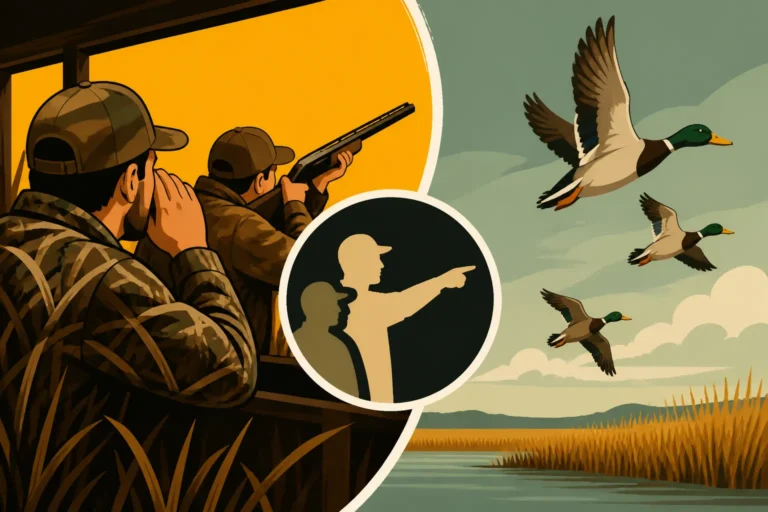
A waterfowl guide in Maryland will typically need a specific "Waterfowl Guide License" issued by the Maryland DNR, in addition to any general hunting license requirements. This specialized license ensures they are compliant with state-specific waterfowl guiding rules. Beyond that, if the guide is operating a boat for hire – which almost all waterfowl and sea duck guides do – they will also need a Captain's License issued by the U.S. Coast Guard (USCG). This is a federal credential that certifies the individual is competent to operate a vessel commercially, has passed extensive testing, and meets strict safety and medical standards. This is absolutely critical for any Decoying Divers on Maryland's Open Bay or Sea Duck Hunting Maryland's Offshore Zone trip.
It's common for guides who run deep-water charters to hold various levels of USCG licenses, often referred to as "six-pack" (OUPV) or Master's licenses, depending on the size and type of vessel and the number of passengers they can legally carry. They should also carry appropriate marine insurance. Asking about these specific licenses is paramount for any water-based hunt. If they balk or seem unsure about a USCG license for a boat hunt, that's a serious red flag. You can look up more details on Maryland's Licensed Waterfowl Guides and Maryland's Sea Duck Guide Requirements to understand the specific nuances.
Where Maryland's Official Licensing Information Resides
The good news is that Maryland makes it relatively straightforward to verify guide licenses. The primary source for all official hunting guide licensing information is the Maryland Department of Natural Resources (DNR). Their website is the official portal for hunting licenses, permits, and, crucially, for licensed guide information.
The Maryland DNR typically maintains a public record or searchable database of licensed guides. This allows you, the hunter, to cross-reference the information provided by your prospective guide with official state records. While the specific layout or accessibility of this database might change over time, the DNR is always the first and most reliable place to start your search. They are the governing body, and any legitimate guide will be registered through them. You won't find this information on a random forum or a personal blog; it needs to come from the official state agency.
Some guides might also be members of professional organizations, but these affiliations are secondary to the state's official licensing. Always prioritize state-issued credentials. Knowing that the Maryland DNR is the authoritative source empowers you to perform your own due diligence, rather than relying solely on a guide’s word or an impressive-looking website.
Your Step-by-Step Guide to Verifying a Maryland Outfitter
Now that we understand why verification is crucial and what licenses to look for, let's break down the practical steps you can take to ensure your Maryland guide is legitimately licensed. This isn't about being distrustful, but about being smart and protecting your investment in a fantastic hunting experience.
Gathering the Right Information from Your Prospective Guide
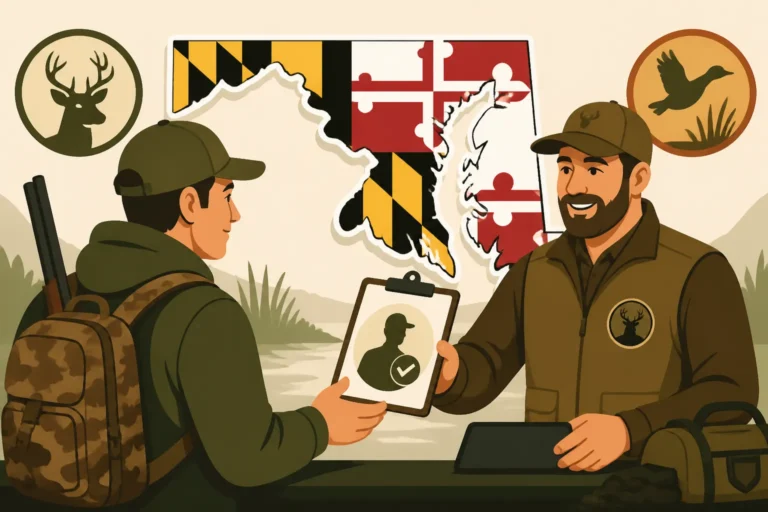
The first step in verification actually starts with a simple conversation with the guide or outfitter you're considering. Don't be shy about asking for their credentials upfront. A professional, legitimate guide will expect this and should be happy to provide the information.
Here’s what you should ask for:
- Full Legal Name: Get their full name as it appears on official documents.
- Guide License Number: Request their specific Maryland Guide License number. For waterfowl guides, ask for their Maryland Waterfowl Guide License number.
- Business Name: If they operate under a business name, get that as well.
- USCG License Details (for boat-based hunts): For any hunt involving a boat, ask for their U.S. Coast Guard Captain's License number and the expiration date. They should also be able to tell you the specific type of license they hold (e.g., OUPV, Master).
A guide who is hesitant, vague, or outright refuses to provide this information should immediately raise a red flag. This isn't a personal inquiry; it's a standard professional request in the hunting industry. If you're wondering Questions to Ask Before Booking, this is at the top of the list!
Navigating the Maryland Department of Natural Resources (DNR) Resources
Once you have the guide's information, it's time to put it to the test. The Maryland Department of Natural Resources (DNR) website is your go-to resource. While the exact navigation might vary slightly over time as websites get updated, here’s a general approach:
- Visit the Official Maryland DNR Website: Start with a simple search for "Maryland DNR" to ensure you're on the official government site.
- Look for Licensing or Regulations Sections: Navigate through their site, typically looking for sections related to "Hunting," "Licenses & Permits," "Commercial Licenses," or "Guides and Outfitters."
- Search for a Guide Database or Contact Information: Many state DNRs maintain a publicly accessible list or database of licensed guides. Input the guide's name or license number to cross-reference. If a searchable database isn't readily available, look for contact information for the Licensing Division or Law Enforcement Division. You can often call or email them directly with the guide’s name or license number and request verification. They might not be able to give you every detail, but they can usually confirm if a license is active and valid.
Remember, the goal is to confirm that the person you're speaking with is indeed the person listed, and that their license is current and appropriate for the type of hunt they are offering. This step is non-negotiable for true peace of mind.
How Online Platforms and Reviews Can Help (and Where They Fall Short)
In today's digital age, many hunters turn to online platforms like BookYourHunt or GoHunt to find and book guided hunts. These platforms can be fantastic resources for discovering outfitters, comparing packages, and reading reviews from past clients. They often serve as a marketplace, connecting hunters with guides across different regions, including Maryland. You might discover some excellent guides for Booking a Maryland Sika Deer Hunt or Booking a Maryland Goose Hunt this way.
However, it's crucial to understand their role in the verification process. While these platforms often have their own vetting procedures for guides they list, they are generally not the ultimate authority for state-issued licenses. They might ask guides to provide license information, but the final responsibility for verifying that information with the state DNR rests with you, the hunter. Think of them as a great starting point for finding options and seeing what’s out there, but not the final word on legality.
Reviews on these platforms, or on social media and independent forums, can offer valuable insights into a guide's professionalism, effectiveness, and client satisfaction. They can tell you a lot about the experience, the guide’s personality, and how they operate. However, reviews alone do not confirm official licensing. Always use these platforms in conjunction with direct verification through the Maryland DNR. A guide with glowing reviews but no verifiable state license is still a risk you don't want to take. These platforms are excellent for gathering information and initial contact, but always circle back to the official state records for the final check.
Here’s a quick overview of what to do:
| Step | Action | What to Confirm |
|---|---|---|
| 1. Ask the Guide | Directly request their full name, MD Guide License #, and business name. | Do they provide it readily and clearly? |
| 2. Waterfowl/Boat | If applicable, also request USCG Captain's License # and expiration. | Is the captain's license current and appropriate for a commercial vessel? |
| 3. Check MD DNR | Visit the official Maryland DNR website; look for a guide registry/contact. | Does the provided name/license number match official records as active/valid? |
| 4. Online Research | Use platforms like BookYourHunt or GoHunt for initial discovery and reviews. | Do reviews align with a professional, ethical operation? (But still verify license!) |
Red Flags and Common Traps When Choosing a Maryland Guide
Even with a clear verification process in mind, it's easy to get caught up in the excitement of booking a hunt. Being aware of common red flags can help you avoid pitfalls and make a truly informed decision.
Vague Responses and Resistance to Sharing Credentials
This is perhaps the biggest and most immediate red flag. A legitimate, professional guide has nothing to hide. They understand that hunters want to ensure they're booking with someone reliable and legal. If you ask for their Maryland Guide License number, or their USCG Captain's License for a water-based hunt, and they respond with evasiveness, make excuses ("Oh, it's at the office," "I'll get it to you later," or "You don't need that"), or even outright refuse to provide it, consider that a giant warning sign.
Imagine trying to hire a contractor to build a deck, and they refuse to show you their license or proof of insurance. You wouldn't proceed, would you? The same principle applies here. This lack of transparency often indicates that they either don't have the necessary licenses, or their licenses are expired or revoked. It's a risk you simply cannot afford to take, especially when your money and potentially your legal standing are on the line. A reputable outfitter, such as those you might find listed on a platform like BookYourHunt, will typically feature their licensing information prominently or be ready to provide it upon request.
Don't let the allure of a good hunting story or an impressive photo gallery distract you from this fundamental requirement. Push for clear, concise answers to your questions about licensing. If the guide seems annoyed or tries to brush off your concerns, it’s time to politely thank them and move on to another option.
Unrealistic Guarantees and Deals That Seem Too Good to Be True
We all love a good deal, and every hunter dreams of a guaranteed harvest. However, hunting is, by its very nature, unpredictable. Any guide who guarantees you a trophy animal, or promises a 100% success rate on wild game, is likely being dishonest or operating in a way that falls outside of ethical hunting. While guides should strive to put you in the best position for success, a kill is never truly guaranteed.
Similarly, be wary of prices that seem extraordinarily low compared to the market rate for similar Maryland guided hunt price ranges. While a new guide might offer a slightly lower introductory rate, a price that is drastically cheaper than everyone else's could be a sign of a cut-rate operation that skips essential steps like licensing, proper insurance (see Maryland Guide Insurance and Liability), or adequate equipment maintenance. For instance, if you're looking for Booking a Maryland Sika Deer Hunt, compare prices across several reputable outfitters. If one is half the cost of the others, ask why.
Think about it logically: operating a legitimate guiding business involves significant overhead – licenses, insurance, land leases, equipment, maintenance, fuel, and time. To offer prices far below the norm, corners must be cut somewhere. Often, those corners are cut on the very things that protect you and ensure a quality experience, like maintaining valid licenses and adhering to safety standards. Always be skeptical of "too good to be true" offers; they almost always are.
A Lack of Professionalism or a Sparse Online Footprint
In today's connected world, most legitimate businesses, including hunting guides, will have some form of professional online presence. This doesn't mean they need a super fancy website, but a clear way to contact them, information about their services, and perhaps some photos or testimonials are common. If a guide has no website, no social media presence, or their only "contact" is a burner phone number, it can be a cause for concern.
Beyond just a digital footprint, pay attention to the overall professionalism of their communication. Are they prompt in replying? Do they answer your questions thoroughly? Is their language clear and respectful? A guide who is disorganized in their communication or seems unprofessional before you even book the hunt might very well be disorganized and unprofessional in the field. This goes back to How to Vet a Maryland Outfitter and Choosing the Right Maryland Outfitter.
Conversely, a robust online presence, positive reviews on platforms like GoHunt, clear contact information, and professional communication all contribute to building trust. These elements suggest a guide who is invested in their business and cares about their reputation. While a guide's website or social media presence doesn't replace official license verification, it can provide valuable context and help you assess their overall professionalism before you even pick up the phone to make that critical verification call to the DNR.
Verifying a Maryland hunting guide's license is more than just a formality; it's a critical step in ensuring a safe, legal, ethical, and ultimately, successful hunting adventure. By taking the time to confirm credentials through official channels and being aware of potential red flags, you're not just protecting yourself, but also contributing to the integrity of the hunting community in Maryland. So, go ahead, plan that amazing hunt, but do your homework first. It'll make those cherished memories even sweeter.
Disclaimer
This article is for general informational purposes only and does not constitute professional advice. Laws, prices and regulations vary by location and change over time. Consult a qualified professional for guidance on your specific situation.