Preserve Hunts Versus Wild Bird Hunts
It can be tough for hunters to decide where to spend their precious time afield, especially when you're weighing the distinct experiences of hunting on a private preserve versus the challenge and adventure of pursuing wild birds across Maryland's varied landscapes. Each option offers something unique, catering to different preferences, skill levels, and expectations, and this guide is here to help you understand those differences so you can make an informed choice for your next bird hunt.
Understanding the Core Differences: Preserve vs. Wild
When you talk about bird hunting in Maryland, it’s not a one-size-fits-all scenario. Many folks, especially those new to the sport or looking for a very specific experience, often grapple with the distinction between preserve hunts and chasing truly wild birds. It’s a crucial difference that impacts everything from the cost and accessibility to the challenge and overall satisfaction of your hunt.
What Exactly is a Preserve Hunt?
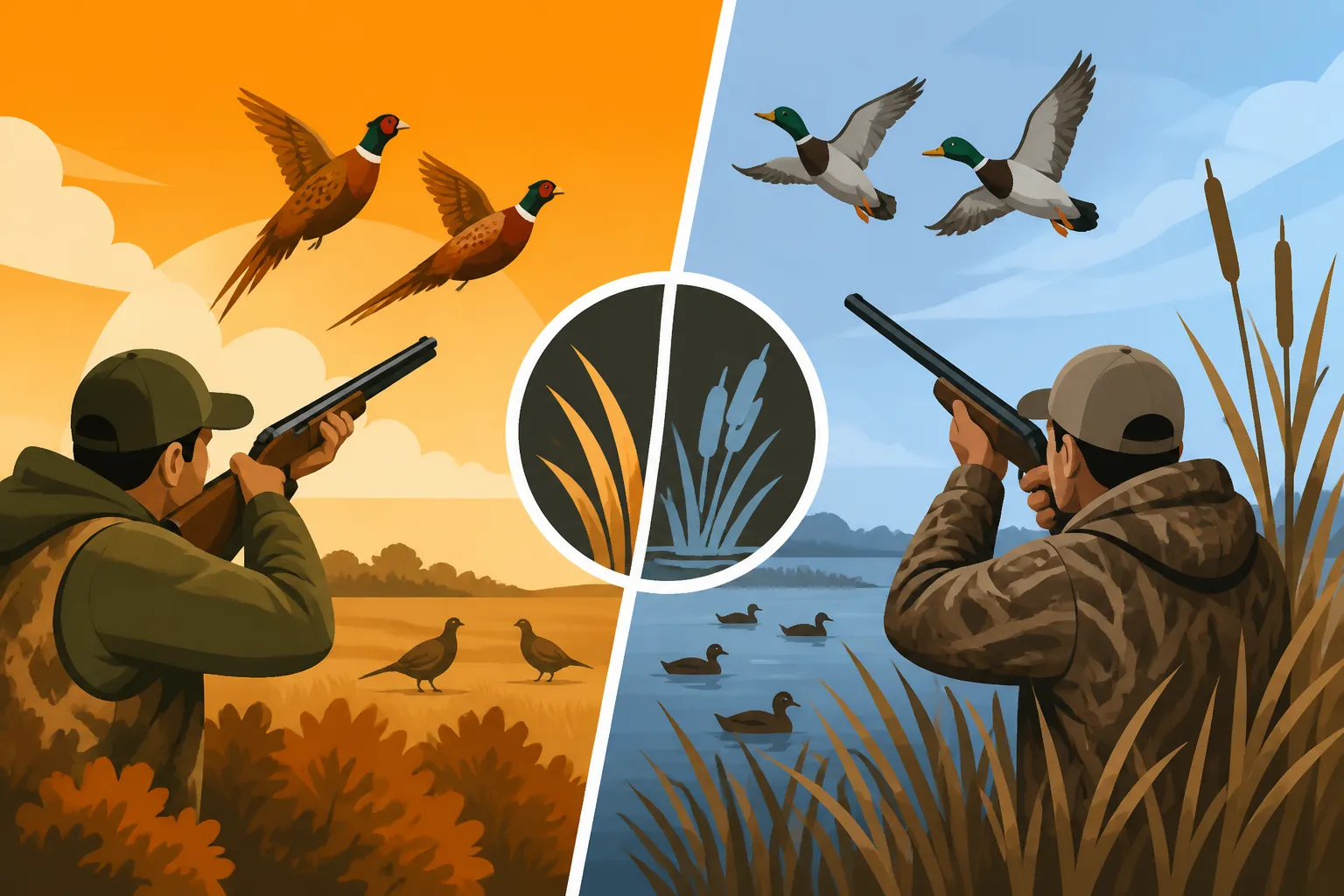
Think of a preserve hunt as a highly managed, often more predictable, hunting experience. These are typically private lands, sometimes many hundreds or even thousands of acres, specifically managed for hunting purposes. The key differentiator is that birds, usually pheasants, chukar, or quail, are raised and then released into these controlled environments shortly before or during your hunt. The cover might be natural, like grain fields, switchgrass, or wooded edges, but the birds themselves are not naturally reproducing populations on that specific property. The goal here is usually a high-action, high-opportunity hunt, often with a guaranteed bird count or a "no bird, no pay" policy. You’re paying for the birds, the access, and often a guided experience with dogs provided.
For many, this is a fantastic entry point into bird hunting. It allows new hunters to get comfortable with their shotgun, work with trained dogs, and experience flushing birds without the immense pressure of scouting and finding wild populations. It's also a popular choice for corporate outings or groups where success is a high priority. Maryland has several excellent shooting preserves that offer these kinds of opportunities, extending seasons beyond the regular wild bird dates. If you're looking for specific preserve options, sometimes searching platforms like BookYourHunt can give you a good starting point to see what's available and what each preserve offers in terms of species and services.
The Essence of a Wild Bird Hunt
On the flip side, a wild bird hunt is exactly what it sounds like: pursuing birds that live, breed, and survive entirely on their own in their natural habitats. In Maryland, this could mean chasing ruffed grouse in the western mountains, flushing bobwhite quail from thickets on the Eastern Shore (though they are increasingly rare), or dove hunting over a cut corn or sunflower field. The success of a wild bird hunt hinges on your ability to find these birds, understand their habits, and navigate their often challenging environments. There are no guarantees; you might walk for miles and only flush a few birds, or you might hit the jackpot on a particular day.
This is where the true detective work of hunting comes into play. You're scouting, reading the landscape, paying attention to weather patterns, and relying on your own skills and experience (and perhaps that of a well-trained bird dog) to locate and harvest game. The seasons for wild birds are strictly regulated by state agencies, with specific bag limits and dates that reflect the health of the wild populations. Small Game Species in Maryland gives you a good overview of what you might encounter. It's a deeply satisfying challenge, but it demands more effort, patience, and adaptability than a preserve hunt.
Why Hunters Choose One Over the Other
Hunters' preferences are as diverse as the hunting experiences themselves. Some folks gravitate towards preserve hunts for their convenience, higher success rates, and the chance to simply enjoy a day of shooting and dog work without the rigorous demands of wild bird hunting. It's often seen as a social event, a way to introduce youth or new hunters to the sport, or simply a reliable way to get some wingshooting practice in during the off-season. The extended seasons offered by preserves are also a huge draw.
Others are purists, drawn by the intrinsic challenge and reward of a wild bird hunt. The satisfaction of finding a covey of quail in thick cover, or outsmarting a wily old grouse, is unmatched for these hunters. It's about connecting with nature in its rawest form, relying on instincts and woodsmanship, and appreciating the hard-won harvest. For them, the scarcity of success only makes the occasional triumph sweeter. Factors like available public land (which we cover in Public Hunting Land in Maryland), personal fitness, access to private property, and the desire for a specific type of challenge all play into this decision.
The Experience on a Maryland Hunting Preserve
Maryland's hunting preserves offer a unique flavor of wingshooting, providing a controlled environment that caters to a wide array of hunters. It’s a fantastic way to enjoy the sport, especially if you have certain expectations about success rates or simply want a more relaxed experience.
Species You'll Typically Find on Preserves
When you book a hunt on a Maryland preserve, you're primarily looking at upland game birds that are robust, flighty, and provide excellent shooting. The most common species you'll encounter are:
- Pheasants: These colorful birds are the undisputed king of preserve hunting. They offer strong, fast flights and are a real challenge to hit cleanly. Many preserves release both ringneck pheasants for their exciting flush and some even offer white pheasants for a different aesthetic.
- Chukar: A smaller, speedy bird, chukar partridge are known for their explosive flush and tendency to run uphill. They provide a lot of action and are often found in more open, sometimes hilly, terrain on preserves.
- Quail: While wild bobwhite quail are a treasure in Maryland, many preserves raise and release quail to provide covey flushes that are reminiscent of classic Southern quail hunting. These smaller birds offer quick, challenging shots.
Some preserves might also offer opportunities for mallard duck hunts in managed impoundments, though this is less common than the upland birds. What's consistent is that these birds are typically released specifically for the hunt, ensuring a higher bird density than you'd ever find naturally. This ensures that you'll have ample opportunities to put your shooting skills to the test, often working over well-trained pointing or flushing dogs provided by the preserve. For more specific information on these types of hunts, you might find articles like Maryland's Released Pheasants and Where They Go interesting, as they discuss the mechanics behind these managed populations.
The Advantages of a Preserve Hunt
There are some very compelling reasons why hunters flock to preserves:
- Higher Success Rates: Let’s be honest, everyone likes to shoot! Preserves offer a much higher likelihood of encountering and harvesting birds. This is a huge draw for new hunters who want to build confidence, or for seasoned veterans who just want to enjoy a day of consistent action. The goal isn't necessarily to "find" birds, but to harvest those that have been released.
- Extended Seasons: Wild bird seasons are often short and tightly regulated. Preserves, however, operate under different rules, allowing them to offer hunting opportunities for many more months out of the year. This flexibility is fantastic for fitting a hunt into a busy schedule. Maryland Shooting Preserves and Their Seasons provides more context on these extended opportunities.
- Guided Experiences and Dogs: Most preserves offer guided hunts, often with professional guides and their impeccably trained bird dogs. This is a massive benefit for hunters who don't own dogs, or who want to learn from experienced handlers. Watching a skilled setter or pointer work a field is a thing of beauty in itself. You just show up, and everything is usually taken care of.
- Convenience and Amenities: Preserves are typically well-appointed, offering comfortable lodges, meals, bird processing services, and sometimes even shooting instruction. It’s an all-inclusive experience designed to make your day afield as enjoyable and hassle-free as possible. This can be a huge relief compared to the logistical puzzle of a DIY wild bird hunt.
- Introduction to Hunting: For youth or first-time hunters, preserves provide a controlled, safer environment to learn the ropes. The focus can be on gun safety, proper shooting technique, and field etiquette without the added pressure of finding scarce game.
Potential Downsides and Considerations
While preserve hunts offer many benefits, it’s important to acknowledge that they aren’t without their own set of considerations:
- Cost: Generally, preserve hunts come with a higher price tag than a do-it-yourself wild bird hunt. You're paying for the birds, the land management, the guides, the dogs, and the amenities. While exact costs fluctuate, expect to pay a fee per hunter, sometimes a per-bird fee, or a package price that covers a set number of birds. Always check current pricing directly with the preserve.
- Less "Wild" Experience: For some hunters, the very nature of a preserve hunt—where birds are released—takes away from the "wildness" they seek. It's not the same thrill as finding truly wild, self-sustaining populations. The birds, having been raised in captivity, may behave differently than their wild counterparts, sometimes flushing closer or being less wary.
- Crowding: Depending on the size of the preserve and how many hunters are booked, you might find yourself sharing the property with other groups. While preserves typically manage this to ensure safety and quality, it can sometimes detract from the feeling of being alone in the wilderness.
- Ethical Questions (for some): A small segment of hunters might have ethical reservations about hunting pen-raised birds. This is a personal decision, but it's a perspective some hold when comparing it to the pursuit of truly wild game.
Platforms like BookYourHunt can help you compare various preserves, looking at their offerings and pricing models, so you can find one that fits your budget and expectations.
Chasing Wild Birds in Maryland's Diverse Habitats
For many of us, the heart of hunting lies in the unpredictable, challenging pursuit of wild game in its natural environment. Maryland, with its varied terrain from the Appalachian Mountains to the Chesapeake Bay marshes, offers some truly unique opportunities for wild bird hunting, even if they sometimes make us work for every single flush.
Common Wild Game Birds in Maryland
Maryland might not be a traditional upland bird hunting mecca like some Midwestern states, but we do have some fantastic wild bird opportunities for those willing to put in the effort.
- Mourning Doves: These swift-flying birds are probably the most popular wild game bird to hunt in Maryland, particularly in the early fall. They congregate in good numbers around agricultural fields, especially sunflower, corn, and wheat fields. Dove hunting is often a social event, bringing friends and family together for fast-paced action. Maryland's Mourning Doves and Where They Feed highlights their preferred habitats.
- Woodcock and Snipe: These migratory shorebirds are elusive but offer a unique wingshooting challenge. Woodcock are found in moist, young woodlands and alder thickets, particularly during their fall migration. Snipe prefer open, wet meadows and marshy areas. Hunting these birds often requires a good bird dog and a keen eye for subtle flushes.
- Wild Turkeys: While often thought of as big game, turkeys are certainly wild birds and provide an incredible challenge. Maryland has a robust turkey population, offering both spring gobbler seasons and limited fall and winter hunts. Calling in a wary longbeard in the spring woods is an experience every hunter should have. For more, see Wild Turkeys in Maryland.
- Ruffed Grouse: Once more widespread, ruffed grouse are now largely confined to the dense, rugged mountain habitats of Western Maryland. They are notoriously difficult to hunt, with explosive flushes and a habit of putting trees between themselves and the hunter. Finding and bagging a grouse is considered a true trophy by many upland hunters.
- Quail and Pheasants (Wild): While rare, there are still pockets of wild bobwhite quail in some parts of Maryland, particularly on the Eastern Shore, often linked to private land habitat efforts. Similarly, small, localized wild pheasant populations might exist where they've managed to establish themselves, but these are exceptions, not the rule. Most pheasant opportunities come from stocked birds or preserves.
The Thrill and Challenge of Wild Bird Hunting
The allure of wild bird hunting is deeply rooted in its inherent challenge and the sense of accomplishment it brings.
- Authenticity: There’s a profound connection to nature when you’re pursuing truly wild animals on their own terms. Every flush, every shot, every bird in the bag feels hard-earned and authentic. You're participating in an age-old tradition, pitting your wits and skills against nature.
- Exploration and Discovery: Wild bird hunting often means venturing into new areas, exploring vast tracts of public land, and learning the nuances of different ecosystems. It’s an education in habitat, animal behavior, and perseverance. Using tools like GoHunt to research public land opportunities or understand habitat types can be invaluable for this kind of exploration.
- Intense Dog Work: If you hunt with your own bird dog, wild birds provide the ultimate test and reward for both of you. Watching a dog lock up on point, honor a retrieve, or puzzle out a difficult track is incredibly satisfying. The bond forged between hunter and dog in the pursuit of wild game is truly special.
- Unpredictability: While sometimes frustrating, the unpredictable nature of wild bird hunting is also part of its charm. You never quite know what you’ll find, or what obstacles you’ll overcome. This keeps you engaged, forces you to adapt, and makes those successful days all the more memorable.
Factors That Make Wild Hunts Difficult
Despite the appeal, chasing wild birds presents significant hurdles that every hunter should be prepared for.
- Low Bird Densities: Unlike preserves, wild bird populations are subject to a multitude of environmental factors, predator pressure, and habitat availability. This often means you'll encounter far fewer birds, and sometimes none at all, despite extensive effort. You might walk many miles for just a few flushes, which can be disheartening if you're not mentally prepared for it.
- Habitat Loss and Fragmentation: For species like bobwhite quail and ruffed grouse, habitat loss is a critical issue in Maryland. Modern agricultural practices, development, and mature forests all reduce the diverse early successional habitat these birds need. This scarcity forces hunters to seek out very specific, often dwindling, areas.
- Access Challenges: Finding suitable wild bird hunting grounds can be tough. While Maryland has a good amount of public land, knowing where to find productive wild bird cover can take years of scouting. Gaining private land access is even harder, often requiring networking and persistence, as discussed in articles like Getting Private Land Permission in Maryland.
- Weather and Environmental Factors: Wild birds are highly susceptible to weather. A harsh winter can decimate populations, while a wet nesting season can reduce chick survival. Hunters must also contend with the elements themselves – rain, snow, heat, or thick cover – which can make for uncomfortable or difficult hunting conditions.
- Gear and Fitness Demands: Wild bird hunting often means covering a lot of ground in challenging terrain. You need good boots, appropriate clothing for varying weather, and the physical stamina to keep moving. Your gear might take a beating, and your body will definitely feel the miles. This type of hunting is a workout.
Making Your Choice: Which Maryland Bird Hunt is Right for You?
Ultimately, the decision between a preserve hunt and a wild bird hunt in Maryland comes down to your personal preferences, goals, and what you want to get out of your time afield. Both offer valuable and rewarding experiences, but for very different reasons.
Assessing Your Skill Level and Expectations
Consider where you are in your hunting journey. If you’re a beginner looking to learn the basics of wingshooting, dog handling, and field etiquette, a preserve hunt can be an excellent classroom. The consistent bird contacts allow for more shooting practice and less frustration, building confidence. It's a low-pressure environment where the focus can be purely on improving your skills without the added layer of finding the game. If you're new to the game, you'll also want to make sure you've taken your Maryland Hunter Education Requirements.
If you’re an experienced hunter who thrives on challenge, self-reliance, and the satisfaction of outsmarting truly wild game, then wild bird hunting will likely be more fulfilling. You’ll appreciate the extensive scouting, the miles walked, and the sheer effort required to find and flush a covey of quail or a lone grouse. Your expectations for a high kill count will likely be lower, replaced by the enjoyment of the process itself and the connection with nature.
Think about what truly defines a "successful" hunt for you. Is it a full game bag, or is it the journey, the exploration, and the raw beauty of the outdoors, even if the bag is empty? Your answer to this question is a major indicator of which path might suit you best.
Budgeting and Time Commitment
Let's talk practicalities. Wild bird hunting, particularly on public lands, can be very cost-effective in terms of direct expenses. Aside from your license and stamps (like the Federal Duck Stamp for migratory birds, or a Maryland Migratory Game Bird Stamp), ammunition, and basic gear, your main investment is time and effort. However, that time commitment can be significant, especially for scouting. You might spend countless hours before the season even opens, driving around, walking potential covers, and using apps like GoHunt to analyze satellite imagery and property boundaries. The rewards are often commensurate with the effort invested.
Preserve hunts, on the other hand, usually involve a more upfront financial investment. You’re paying for the land management, the birds, often a guide and dogs, and sometimes meals and lodging. This can add up quickly. However, the trade-off is often a vastly reduced time commitment for preparation. You can often book a preserve hunt with relatively short notice, show up on the day, and have a high-quality experience without the need for extensive pre-hunt scouting or specialized equipment beyond your shotgun and shells. To get a sense of the price shape for guided opportunities, you can explore resources like Guided Small Game and Pheasant Hunts or What a Maryland Guided Hunt Costs.
| Feature | Preserve Hunts | Wild Bird Hunts |
|---|---|---|
| Bird Origin | Primarily pen-raised, released for the hunt | Naturally reproducing, free-ranging birds |
| Success Rate | Generally high, often guaranteed birds | Variable, often low, depends on skill and luck |
| Season Length | Extended seasons, often year-round | Strictly regulated, limited state seasons |
| Cost | Higher upfront cost (per hunter/bird/package) | Lower direct cost, high time investment for scouting |
| Effort/Convenience | Less scouting needed, often guided, amenities | Extensive scouting, DIY, physically demanding |
| Challenge | Focus on shooting skill, dog work | Focus on finding birds, woodsmanship, adaptability |
| Typical Species | Pheasant, Chukar, Quail (released) | Doves, Woodcock, Snipe, Wild Turkey, Grouse (native) |
| Best For | Beginners, groups, dog training, high volume action | Experienced hunters, purists, exploration, solitude |
Maximizing Your Experience, Regardless of Choice
No matter which type of bird hunt you pursue in Maryland, there are ways to ensure you have the best possible experience:
- Be Prepared: For preserve hunts, confirm what’s included (shells, vests, bird processing) and what you need to bring. For wild bird hunts, research your chosen area thoroughly, understand the terrain, and pack appropriate gear for the conditions. Make sure your licenses and stamps are in order, no matter what.
- Practice Your Shooting: Both types of hunts involve wingshooting, so time at the clay range will pay dividends. There’s nothing more frustrating than missing easy shots, whether they’re on a preserve or a wild flush.
- Embrace the Dogs: If a guide brings dogs, appreciate their skill. If you bring your own, ensure they are well-trained and conditioned. The partnership with a good bird dog elevates any bird hunt.
- Manage Expectations: On a preserve, enjoy the action and the camaraderie. Don’t get hung up on perfection. In the wild, understand that success isn't always measured in birds in the bag. Sometimes, a beautiful sunrise, a challenging hike, or a spectacular dog point is the true trophy.
- Be a Good Steward: Follow all hunting regulations, practice ethical shooting, and clean up after yourself. Respect the land, the game, and your fellow hunters. This fundamental principle applies universally, whether you're on private land or Hunting Maryland's Wildlife Management Areas.
Ultimately, whether you opt for the exhilarating, fast-paced action of a preserve hunt or the quiet, challenging pursuit of wild birds, Maryland offers fantastic opportunities for bird hunters. Choose the path that resonates most with your hunting spirit, and enjoy every moment afield.
Disclaimer
This article is for general informational purposes only and does not constitute professional advice. Laws, prices and regulations vary by location and change over time. Consult a qualified professional for guidance on your specific situation.