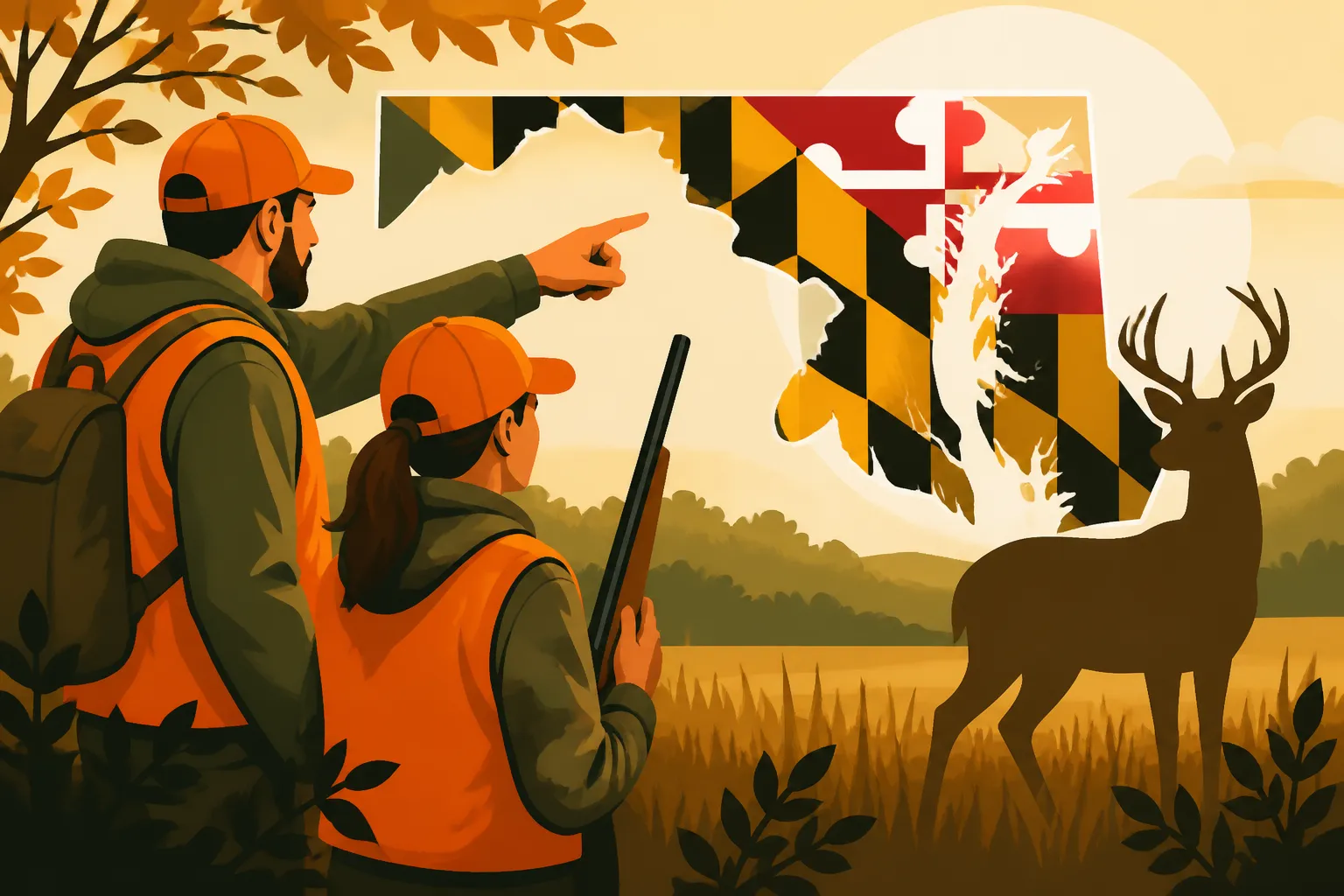
Guided Hunts for Someone Who Has Never Gone
Stepping into the world of hunting for the first time can feel incredibly daunting, like trying to navigate a dense Maryland forest without a compass or a map. Maybe you didn't grow up with a family member showing you the ropes, or perhaps you've recently developed an interest but feel completely overwhelmed by the gear, regulations, and sheer knowledge required. This guide is designed to demystify the process, offering a clear path for newcomers through the exciting avenue of guided hunts, ensuring your first foray into Maryland's rich hunting heritage is both safe and successful.
Why a Guided Hunt is an Unbeatable Start for New Hunters
Let's face it, hunting isn't just about pulling a trigger. It's about understanding animal behavior, reading the landscape, mastering equipment, and navigating a labyrinth of regulations. For someone just starting out, this can be an impossible hurdle. This is where a guided hunt truly shines, offering an immersive, educational experience that can accelerate your learning curve exponentially. It's like having a seasoned trail boss lead you through the wilderness, pointing out every turn and hazard.
Safety and Instruction First
One of the biggest anxieties for new hunters is often safety, and rightly so. Handling firearms or archery equipment, moving through unfamiliar terrain, and even understanding basic first aid in the field are critical skills that take time to develop. A professional guide prioritizes your safety above all else. They are often certified in first aid and CPR, intimately familiar with the hunting area, and highly skilled in safe weapon handling.
Imagine you're heading out for your first deer hunt. Instead of fumbling with your rifle in the dark or trying to figure out how to safely climb a tree stand, your guide will lead you every step of the way. They'll ensure your firearm is properly loaded and unloaded, review shot placement ethics, and position you in a safe shooting lane. They'll also be right there to answer questions about blaze orange requirements or when you need to be especially alert. This hands-on, real-time instruction isn't something you can get from a book or a YouTube video; it's invaluable experience that builds confidence and responsible hunting habits from day one. You'll learn not just what to do, but why you're doing it, creating a strong foundation for future hunts.
Access to Prime Hunting Ground
Another major challenge for new hunters in Maryland is finding accessible and productive hunting land. Public lands can be heavily pressured, and securing private land permission can be tough, especially if you don't have established connections. This often leads to frustrating hunts in marginal areas, which can quickly dampen a beginner's enthusiasm.
Guided hunts completely circumvent this problem. Outfitters often lease or own prime hunting properties that are carefully managed for wildlife. This means you're stepping onto ground that has been scouted, often has established food plots or natural forage, and holds a healthy population of the game you're after. For example, if you're keen on chasing a Maryland whitetail, a guide might have access to a sprawling farm with oak bottoms and cornfields where deer regularly feed and bed, far from the crowds you might encounter on public land. Or perhaps you dream of a Sika Deer Hunting in Maryland's Tidal Marshes, but have no idea how to navigate the complex, private marsh systems. A guide will have the specialized boats and local knowledge to get you into those secluded spots where these elusive "Japanese elk" thrive. This immediate access to quality hunting opportunities significantly increases your chances of success, which is a massive confidence booster for a first-timer.
Learning the Ropes from a Pro
Beyond safety and access, a guided hunt offers an unparalleled educational experience. You're not just hunting; you're essentially attending a private, field-based seminar taught by an expert. Guides live and breathe hunting. They know the subtle signs of game movement, understand the impact of weather and wind, and can interpret animal behavior in real time.
Consider a waterfowl hunt on the Chesapeake Bay. Instead of trying to figure out decoy spreads, calling techniques, and boat safety on your own, your guide will handle it all. They'll set up a realistic spread of decoys, call the birds in, teach you about Ducks of Maryland's Chesapeake Bay and Maryland's Canada Geese and Their Two Populations, and even coach you on when to shoot. You'll witness firsthand how a seasoned hunter reacts to various situations, learning practical skills like reading goose flight patterns over a cut cornfield or understanding how to approach a marsh gut for jump-shooting ducks. They can explain Reading a Marsh Trail for Sika Sign or how to set up for a spring gobbler, turning abstract concepts into concrete lessons. This mentorship is crucial for developing your own hunting instincts and understanding the nuances of the pursuit.
What to Expect on Your First Guided Maryland Hunt
Embarking on your first guided hunt is an exciting prospect, but the unknown can still feel a bit nerve-wracking. Knowing what to expect, from the initial contact with your guide to the actual hunt day and beyond, can help you feel prepared and confident. This isn't just a transaction; it's the beginning of a learning journey.
Pre-Hunt Communication and Gear Check
Once you've booked your hunt – perhaps through a platform like BookYourHunt or GoHunt, which often feature guides specifically catering to beginners – the communication process begins well before you ever set foot in the field. Your guide should initiate contact, typically via phone or email, to discuss your experience level, physical capabilities, and what you hope to achieve. This is your opportunity to ask every question you can think of, no matter how small or silly it might seem.
They'll provide a detailed list of recommended gear, covering everything from appropriate clothing layers for Maryland's often-unpredictable weather, to specific footwear for marsh or mountain terrain, and what kind of weapon and ammunition you should bring. For instance, if you're hunting deer in Western Maryland, they might recommend warm, waterproof layers and sturdy hiking boots, and clarify Maryland's Legal Weapons by County for that particular area. If it's a Sika hunt, expect advice on hip boots or chest waders and specific camo patterns for the marsh. They'll also confirm meeting times, locations, and often discuss important details like Maryland Hunter Education Requirements and what licenses you'll need. Don't be shy about asking if they can provide any gear you might not have, like an extra blind or calling devices, as many guides are set up to assist beginners with equipment.
The Day of the Hunt: From Dawn to Dusk
The hunt day itself will typically start early, often well before dawn. Your guide will meet you at a predetermined location, which could be a boat ramp for a waterfowl hunt, a remote gate for a mountain deer hunt, or a farmhouse for a field setup. They'll go over the plan for the day, detailing where you'll be hunting, what tactics will be employed, and reiterating safety protocols. This pre-hunt briefing is crucial for understanding the flow of the day and getting your mind in the game.
You'll then head to your hunting spot, often navigating in the dark. If you're hunting deer, this might involve a quiet walk to a pre-set stand or ground blind. For waterfowl, it's typically a boat ride to a blind or a layout boat in the open water. The guide will position you, explain shooting lanes or call sequences, and then step back to let the hunt unfold, or remain close by for direct coaching. They'll be constantly observing, calling, and reading the situation, ready to assist or offer advice. They will also be mindful of Maryland Shooting Hours and Legal Light to ensure everything is above board. Throughout the day, expect periods of intense excitement mixed with long stretches of quiet observation. This is where you really soak in the environment, learning to be patient and observant.
After the Shot: Field Dressing and Logistics
Congratulations! You've successfully taken an animal. This is where your guide's expertise continues to be invaluable, especially for a first-timer. The guide will lead the process of recovering the game, ensuring it's done safely and respectfully. This might involve blood trailing through thick cover for a deer or navigating a marsh for a downed waterfowl.
Once the animal is recovered, the guide will demonstrate and assist with field dressing – the critical first step in processing your game to preserve the meat. This can be a messy but essential part of the hunting experience, and having an expert walk you through it is incredibly helpful. They'll show you how to quickly and efficiently gut the animal, explaining why each step is important. After field dressing, they'll handle the logistics of getting the animal out of the field, whether it's loading a deer onto an ATV or hauling waterfowl back to the boat. They can also provide recommendations for local deer processors or taxidermists if you plan to get your animal mounted. Finally, they'll guide you through the required The Maryland Deer Registration Deadline After a Kill or other registration processes, ensuring you comply with all Maryland regulations.
Choosing the Right Guide and Hunt Type for Beginners
Deciding what to hunt and who to hunt with are pivotal choices for your first guided experience. Maryland offers a diverse range of hunting opportunities, and guides often specialize in certain species or methods. Matching your interests and expectations with the right professional can make all the difference in having a positive and memorable introduction to hunting.
Matching Your Interest to the Species
Maryland boasts a fantastic variety of game, each offering a unique hunting experience. For a beginner, certain species might be more approachable or align better with your personal goals.
- White-tailed Deer: Deer hunting is incredibly popular in Maryland and can be a great entry point. Guided deer hunts, especially those from a comfortable ground blind or ladder stand over a food plot, can offer controlled shooting opportunities and a relatively less physically demanding experience. You'll learn about deer behavior, trail cameras, and shot placement. You might even discover a passion for Hunting the Rut in Early to Mid November.
- Waterfowl: Duck and goose hunting on the Chesapeake Bay is iconic for Maryland, but it can be physically demanding and requires specialized gear and boats. However, a guided waterfowl hunt can be an absolute thrill. With a professional calling birds and managing the blind, you get to focus on the shooting action and witness incredible wildlife spectacles. Just be ready for early mornings and potentially cold, wet conditions. Decoying Canada Geese on the Upper Eastern Shore can be an unforgettable experience.
- Sika Deer: Maryland's unique Sika deer offer a challenging and exciting hunt, especially in the marshes of the Lower Eastern Shore. While tougher than a typical whitetail hunt, guides specializing in Sika know the terrain intimately and can get you into areas you'd never find on your own. You'll learn about Hunting a Loblolly Pine Island in the Marsh and Where Sika Deer Bed in Phragmites. This is often a more physically demanding hunt due to the marsh environment.
- Wild Turkey: Spring turkey hunting is an adrenaline rush like no other, but calling and setting up on wary gobblers can be an art form. A guided turkey hunt allows you to sit back, learn from an expert caller, and experience the thrill of a gobbler coming to a call. You'll learn about Calling a Gobbler Off a Maryland Farm Roost and decoy strategies.
Consider what truly excites you and don't be afraid to try something new. The best guides will tailor the experience to your skill level.
Vetting Your Guide and What to Ask
Not all guides are created equal, and for your first experience, it's crucial to choose wisely. You want a guide who is patient, knowledgeable, safety-conscious, and has a good track record with beginners. Platforms like BookYourHunt and GoHunt often provide reviews and detailed listings, which can be a good starting point. However, always follow up with direct communication.
Here's a table of essential questions to ask:
| Question | Why it Matters for a Beginner |
|---|---|
| Do you specialize in beginner hunters? | A guide experienced with newcomers will prioritize instruction and patience. |
| What is your typical hunter-to-guide ratio? | A lower ratio (1:1 or 2:1) ensures more personalized attention. |
| What is included in the hunt price? | Clarifies gear provided, meals, lodging, and unexpected costs (e.g., Tipping a Maryland Guide). |
| What should I bring? | Provides a clear packing list for clothing, weapons, and personal items. |
| What are the physical demands of this hunt? | Helps you assess if the hunt aligns with your fitness level (e.g., marsh wading vs. stand hunting). |
| Can you assist with licensing and registration? | Some guides help navigate this complex process, especially for non-residents. |
| Do you have references from first-time hunters? | Past client testimonials offer insight into their beginner-friendly approach. |
| What is your safety protocol? | Reinforces their commitment to safety and provides peace of mind. |
Asking these questions will help you find a guide who is invested in your learning and ensures a positive, safe experience. Remember, a good guide will be happy to answer all your questions.
Budgeting for Your First Guided Experience
Guided hunts are an investment, but they provide value in terms of access, instruction, and often a higher chance of success. Prices vary widely based on the species, duration, inclusions (like lodging or meals), and the reputation of the outfitter. While I can't give specific current costs, I can describe the shape of what to expect.
Typically, a day hunt for small game or a basic deer hunt might be on the lower end of the spectrum. More specialized hunts, like a multi-day Sika Deer Hunting in Maryland's Tidal Marshes adventure or a prime-time Goose Hunting Maryland's Eastern Shore Grain Fields experience, will naturally command a higher price. Packages that include lodging, meals, and multiple days of hunting will be the most significant investment. It's important to understand what a guide fee usually covers and what is never included, such as your hunting license, ammunition, or personal gear. Factor in potential travel costs, food, and don't forget the customary tip for your guide. Consider your budget realistically and discuss it openly with potential guides; some may offer introductory rates or different package options suitable for a first-timer. The upfront cost for a guided hunt often saves you money in the long run by preventing costly mistakes and buying unnecessary gear as you learn.
Preparing for Your Guided Adventure
Once you've booked your first guided hunt, the excitement truly begins! Proper preparation is key to maximizing your experience and ensuring you're ready for whatever Maryland's diverse hunting landscapes throw your way. This isn't just about packing a bag; it's about preparing yourself, mentally and physically, for a rewarding journey.
Essential Gear for a Beginner
Your guide will provide a detailed packing list, but understanding the core categories of gear for your first hunt is vital. You don't need to break the bank on top-of-the-line equipment, but having functional, comfortable, and safe gear is non-negotiable.
- Appropriate Clothing: Layers are your best friend in Maryland, as temperatures can fluctuate wildly, even in a single day. Think moisture-wicking base layers, insulating mid-layers, and a waterproof/windproof outer shell. Your guide will specify the required camouflage pattern or Maryland Blaze Orange Requirements for your hunt type. Remember, being cold or wet is a quick way to make your first hunt miserable. Consider the specific demands, whether it's What to Pack for a Maryland Marsh Hunt (think chest waders and waterproof outerwear) or What to Pack for a Maryland Mountain Hunt (insulated boots, sturdy pants, quiet outerwear).
- Footwear: This is crucial. Invest in comfortable, broken-in, waterproof boots that are appropriate for the terrain. Whether it's mud, marsh, or rocky uphill climbs, your feet will thank you.
- Weapon and Ammunition: If you're bringing your own, ensure it's sighted in and you're proficient with it. Practice shooting from various positions you might encounter (e.g., sitting, standing, kneeling). If the guide is providing a firearm, ask about caliber and practice time. Always bring more ammunition than you think you'll need.
- Essentials Bag: A small backpack should hold essentials like water, snacks, a headlamp with extra batteries, a knife, a small first-aid kit, and your valid Maryland hunting license and stamps. Many guides will remind you to carry your Maryland Migratory Game Bird Stamp Cost and Federal Duck Stamp Rules for Bird Hunters if you're chasing waterfowl.
Remember, comfort and functionality trump fashion in the field. Ask your guide about any specific items they strongly recommend or can provide.
Physical and Mental Preparation
Hunting, even from a blind, often requires a certain level of physical endurance and mental fortitude. Being prepared for these aspects will enhance your enjoyment and success.
- Physical Fitness: While you don't need to be an Olympic athlete, a basic level of fitness will go a long way. This might mean being able to walk several miles, climb into a tree stand, or wade through shallow water. If your hunt involves traversing rugged terrain, like Still-Hunting Western Maryland Mountain Timber, start a walking regimen a few weeks before your trip. Simple exercises like hiking, stretching, and even practicing holding your weapon steady can make a big difference. Discuss the physical demands with your guide upfront and be honest about your capabilities.
- Mental Readiness: Hunting requires patience, quietness, and the ability to handle disappointment, as success is never guaranteed. Go into your first hunt with an open mind, ready to learn, and prepared to enjoy the entire experience, not just the harvest. The primary goal for a first-timer should be learning and enjoying nature. Be prepared for early mornings, quiet hours, and potentially long waits. Staying positive and observant will make the time fly by.
- Sharpen Your Skills: If you're using your own firearm or bow, spend time at the range. Practice shooting from various positions. For shotgunners, consider a round of sporting clays to get comfortable with moving targets. This practice builds confidence and ensures you're ready when the opportunity arises.
Understanding Maryland's Licensing
One of the most complex aspects for any new hunter, especially if you're coming from out of state, is navigating Maryland's licensing and permit system. Your guide can certainly help, but it's your ultimate responsibility to ensure you are legal to hunt.
You'll need a basic Maryland Hunting License, and depending on what you're hunting, various stamps or permits. For deer, this often includes an archery, muzzleloader, or bonus antlered deer stamp. For waterfowl, you'll need federal and state migratory bird stamps, plus HIP registration. For Sika deer, there's a specific Sika stamp. Many of these can be purchased online through the Maryland Department of Natural Resources COMPASS portal. Your guide will confirm exactly what you need based on your hunt. Familiarize yourself with Maryland Resident License Options or Maryland Nonresident License Options if you're coming from afar. Don't wait until the last minute, as some licenses or permits might take time to process. Getting this squared away early removes a layer of stress and allows you to focus on the exciting parts of your upcoming adventure.
Disclaimer
This article is for general informational purposes only and does not constitute professional advice. Laws, prices and regulations vary by location and change over time. Consult a qualified professional for guidance on your specific situation.