What Happens If the Weather Cancels
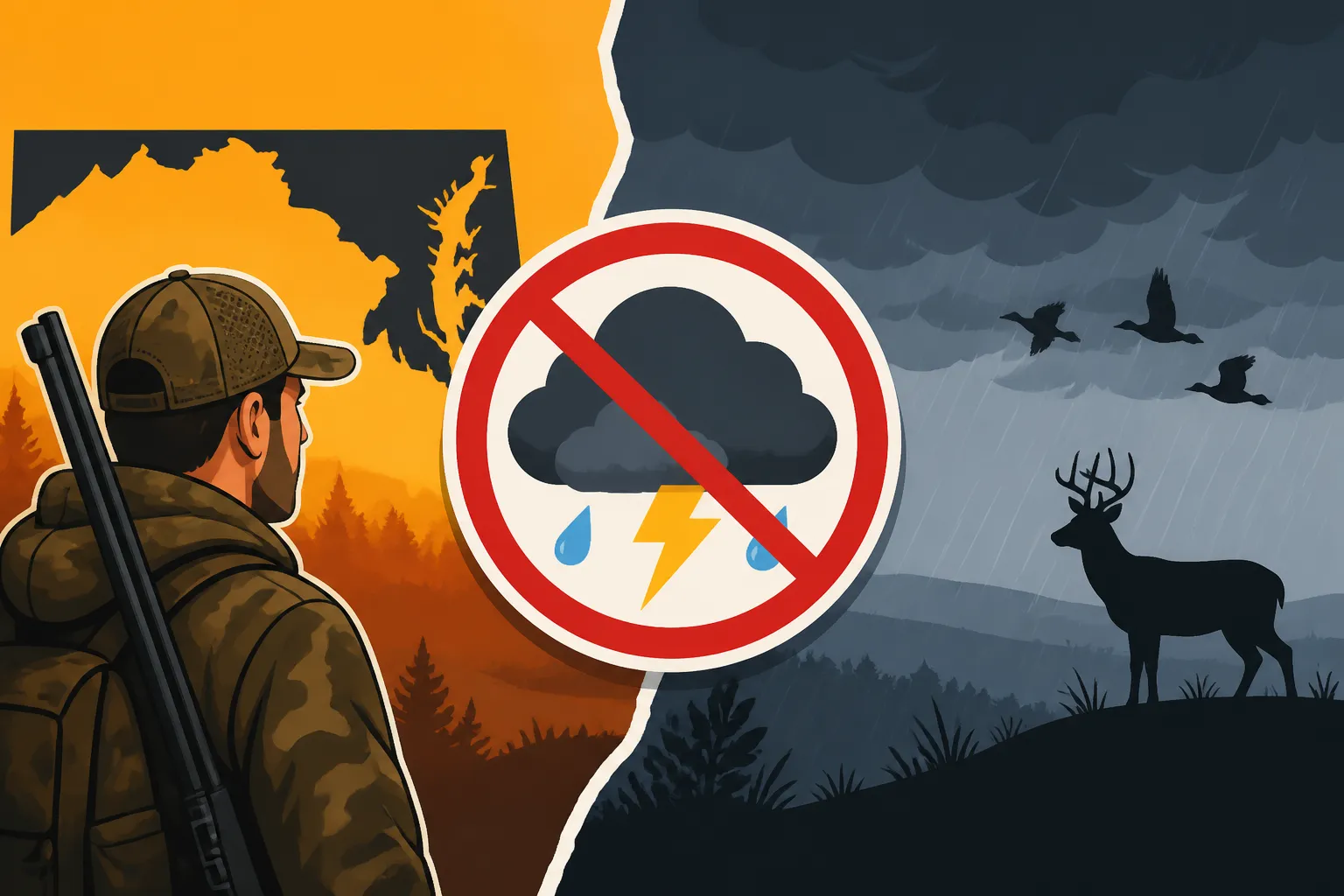
There's nothing quite as frustrating as planning an eagerly anticipated hunting trip, buying all your licenses and stamps, packing your gear, and getting all hyped up, only for Mother Nature to throw a wrench in the works. The gnawing uncertainty of what happens if the weather cancels your guided hunt in Maryland is a real concern for many hunters, especially those traveling from afar. This guide is here to shed some light on how cancellations due to inclement weather are typically handled by Maryland hunting outfitters and what you can expect as a hunter.
Understanding the Impact of Weather on Maryland Hunts
Maryland might be a small state, but its weather can be incredibly diverse and, at times, downright unpredictable. From the windswept marshes of the Eastern Shore to the rolling mountains of Western Maryland, conditions can change on a dime, often impacting hunting plans significantly. It's not just a matter of comfort; it's about safety and ethical hunting.
The Unpredictability of Maryland Weather
Think about it: one day in December on the Eastern Shore, you might have calm winds and mild temperatures perfect for Decoying Canada Geese on the Upper Eastern Shore or slipping into a marsh for sika. The next day, a nor'easter could blow through, bringing torrential rain and gale-force winds that make open water travel dangerous and visibility next to nil. The same goes for the mountains; a late-season deer hunt in Garrett County might start with crisp, clear skies, then suddenly a blizzard rolls in, making mountain roads impassable and creating whiteout conditions.
This variability means that while guides do their best to plan, they also have to be ready to call a hunt. They're looking out for your safety, their own, and the safety of their equipment. Nobody wants to be stranded on the Chesapeake Bay in a squall, or risk hypothermia in a remote mountain hollow. Beyond safety, extreme weather can also make for extremely poor hunting conditions, which would likely result in a less-than-satisfying experience anyway. High winds make it impossible to hear turkeys gobble in the spring, for instance, and heavy rains can wash away all deer scent, making tracking a real nightmare.
When a Guide Typically Calls a Hunt Due to Weather
So, when does a guide usually decide to pull the plug? It varies a bit by the type of hunt and the specific area, but there are some common indicators.
For waterfowl hunting on the Chesapeake Bay or its tributaries, high winds are almost always the biggest culprit. If wind speeds are consistently above 20-25 mph, especially out of a direction that makes the bay rough, most reputable guides will cancel. It's simply too dangerous to run large boats or sit in a layout blind when waves are crashing over the gunwales. Fog can also be a major issue, drastically reducing visibility and making navigation hazardous. Extreme cold, while sometimes good for waterfowl movement, can also lead to unsafe conditions if ice begins to form rapidly or if it poses a risk of hypothermia, especially on open water. Boat Safety on the Chesapeake in December is a real concern for guides.
For deer or turkey hunts, severe thunderstorms with lightning are an immediate red flag. Torrential rain can also make conditions miserable and unproductive. While a light rain might actually improve deer movement, a heavy downpour can soak through even the best gear, leading to discomfort and potentially hypothermia, particularly during colder months. Deep snow or ice storms can make accessing hunting areas impossible, especially on private land where heavy equipment might not be available to clear roads. Remember, guides want you to have a successful and enjoyable trip, and sometimes that means acknowledging when the weather simply won't cooperate. They often know when Wind and Thermals in Western Maryland Terrain will make a still-hunt impossible, or if the marsh is too dangerous to navigate due to tides and winds.
Navigating Guide Cancellation Policies
This is where the rubber meets the road, and it's also where many hunters find themselves in a bind if they haven't clarified things upfront. Understanding your guide's cancellation policy, especially regarding weather, is paramount.
Common Scenarios for Rescheduling or Refunds
When a guide cancels due to weather, the most common offer you'll receive is a chance to reschedule your hunt. This is usually the preferred option for both parties: you still get to go hunting, and the guide retains your business. However, rescheduling often comes with caveats. You might need to pick a new date within the current season, or perhaps within a year. Sometimes, it depends on the guide's availability, which can be challenging during peak seasons.
Refunds are less common for weather cancellations, but they do happen. Some guides might offer a partial refund, while others might offer a full refund if rescheduling isn't possible or if the cancellation is particularly egregious on their end (though this is rare with weather). Your initial deposit, which most guides require to hold your date, plays a big role here. Many deposits are non-refundable, especially if the guide held that date specifically for you and turned away other business. However, a good guide will usually credit that deposit towards a rescheduled hunt. If you've paid in full, the guide might offer a credit for a future hunt rather than a direct refund. It truly varies, which is why communication and a clear understanding of the policy are key.
The Importance of a Written Agreement
I cannot stress this enough: always get a written agreement or contract from your guide before you send any money. This document should clearly outline their cancellation policy, specifically addressing weather-related issues. What you're looking for includes:
- Definition of Unhuntable Weather: Does the guide specify what conditions trigger a cancellation? (e.g., "winds over 20 mph," "lightning in forecast").
- Rescheduling Options: How long do you have to reschedule? What happens if you can't find a mutually agreeable date?
- Refund Terms: Under what circumstances, if any, will a refund be issued for a weather cancellation? Will it be a full refund, partial, or credit towards a future hunt?
- Notification Window: How far in advance will the guide notify you of a weather cancellation?
- Deposit Policy: Clarification on whether deposits are refundable or transferable in case of weather.
A verbal agreement, while seemingly friendly and straightforward at the time, is notoriously difficult to enforce if there's a disagreement later on. Having everything in black and white protects both you and the outfitter. Reputable platforms like BookYourHunt and GoHunt often encourage or even require their listed outfitters to have clear terms and conditions, which can offer an extra layer of transparency for hunters looking to book.
Here's a quick comparison of what you might encounter with different guide policies:
| Policy Aspect | "Hunter-Friendly" Guide Approach | "Standard" Guide Approach | "Strict" Guide Approach |
|---|---|---|---|
| Weather Cancellation | Proactive communication, emphasis on safety | Cancellation based on objective safety criteria | Cancellation only in extreme, unavoidable circumstances |
| Rescheduling | Flexible, generous window (e.g., 1 year), multiple date options | Reschedule within current or next season, based on guide availability | Reschedule only if guide has an open date, limited options |
| Refunds | Full refund if rescheduling isn't possible, or partial refund often | Credit towards future hunt (deposit usually non-refundable) | Deposits non-refundable, no cash refunds, only credit for future hunt |
| Deposit | Fully transferable to rescheduled hunt | Transferable to rescheduled hunt | Often forfeited if you can't reschedule within strict terms |
| Notification | 24-48 hours minimum, with regular updates | 12-24 hours prior to hunt start | As late as morning of hunt if conditions rapidly decline |
How Reputable Guides Handle Cancellations
A truly reputable Maryland hunting guide understands that their reputation is everything. They know that a frustrated client who feels slighted by a cancellation policy is unlikely to return or recommend them. Because of this, they tend to be very transparent and communicative.
When a weather cancellation is necessary, they'll usually contact you as soon as they have a clear picture of the forecast, often 24-48 hours in advance, allowing you time to adjust travel plans if possible. They'll explain why the hunt is being canceled (e.g., "The bay will be 3-5 foot swells, it's just not safe for us to get out in the spread tomorrow"). Then, they'll clearly lay out your options for rescheduling or any applicable refund/credit.
Many good guides will go above and beyond to find an alternative date that works for you. They might even suggest a different type of hunt if conditions are better elsewhere or if they have another operation running. For instance, if your planned Sea Duck Hunting Maryland's Offshore Zone trip is blown out, they might offer you a chance to hunt geese on an inland field if conditions allow, even if it's a different price point, trying to make sure you get some time afield. This level of customer service builds trust and ensures a positive experience, even when nature doesn't cooperate. When you're searching on platforms like GoHunt, pay close attention to reviews that mention how outfitters handled cancellations, as this often speaks volumes about their professionalism.
Your Options and Next Steps After a Weather Cancellation
Okay, so the guide just called, and your hunt is off. Take a deep breath. It's disappointing, but it's not the end of the world. Knowing what to do next can help alleviate some of the stress and ensure you navigate the situation effectively.
Communicating Proactively with Your Outfitter
The first and most important step is to communicate clearly and calmly with your outfitter. Don't let frustration cloud your judgment. As soon as you receive the cancellation notice, respond professionally.
- Ask about available dates for rescheduling: Have a calendar handy and be ready to discuss potential new dates. The more flexible you can be, the better your chances of getting another hunt on the books. Inquire about options for Hunting the January Firearms Reopening if your early season hunt was cancelled, or even consider a different species if your schedule allows.
- Clarify refund procedures: If rescheduling simply isn't an option for you (perhaps due to travel constraints or another booking), respectfully ask about their refund policy as outlined in your agreement. Ask when you can expect any refund or credit to be processed.
- Be patient and understanding: Remember, your guide didn't want to cancel. Their business relies on running successful hunts. They're likely just as disappointed, if not more so, than you are. A positive attitude during this communication can often lead to a better outcome.
Planning for the Unexpected: Travel Insurance and Contingencies
For many hunters, especially those traveling a significant distance to Maryland, a canceled hunt can mean lost money on flights, lodging, and other non-refundable expenses. This is where a little proactive planning can save you a lot of headache.
- Consider travel insurance: Look into travel insurance policies that specifically cover trip cancellations due to weather. Some policies will reimburse you for non-refundable expenses if your primary activity (like a guided hunt) is canceled. Read the fine print carefully to ensure it covers your specific situation. This is particularly relevant if you've booked a high-value trip, like a Sika Deer Hunting in Maryland's Tidal Marshes adventure that involves specialized travel and lodging.
- Book flexible travel and lodging: Whenever possible, choose flights and accommodations that offer free cancellation or flexible change policies. While these might sometimes be slightly more expensive upfront, they can be a lifesaver if your hunt gets called off.
- Have backup plans: If your hunting trip is part of a larger vacation, think about what you might do if the hunt is canceled. Explore other attractions, fishing opportunities, or even just plan for some relaxation. This way, your entire trip isn't derailed by one cancellation. Sometimes, a canceled hunting day can turn into an unexpected opportunity to explore historic St. Michaels or Annapolis, or enjoy some Maryland's Chesapeake Shoreline Hunting Access scouting instead.
Understanding Non-Weather Related Cancellations
While weather is the most common reason for a guide to cancel, other unforeseen circumstances can also arise. A guide might have an equipment breakdown, face an unexpected personal emergency, or even suffer an illness. These situations are generally handled in a similar fashion to weather cancellations, with rescheduling being the primary solution. However, the specific terms for these types of cancellations should also ideally be addressed in your written contract. For instance, if a guide cancels due to a mechanical issue with their boat for a waterfowl hunt, a reputable guide will usually offer a full refund if they cannot provide an alternative solution, as this is a failure on their part, not an act of nature. Always refer back to your signed agreement to understand your rights and the guide's obligations in any cancellation scenario.
Disclaimer
This article is for general informational purposes only and does not constitute professional advice. Laws, prices and regulations vary by location and change over time. Consult a qualified professional for guidance on your specific situation.