What Happens If You Miss Your Shot
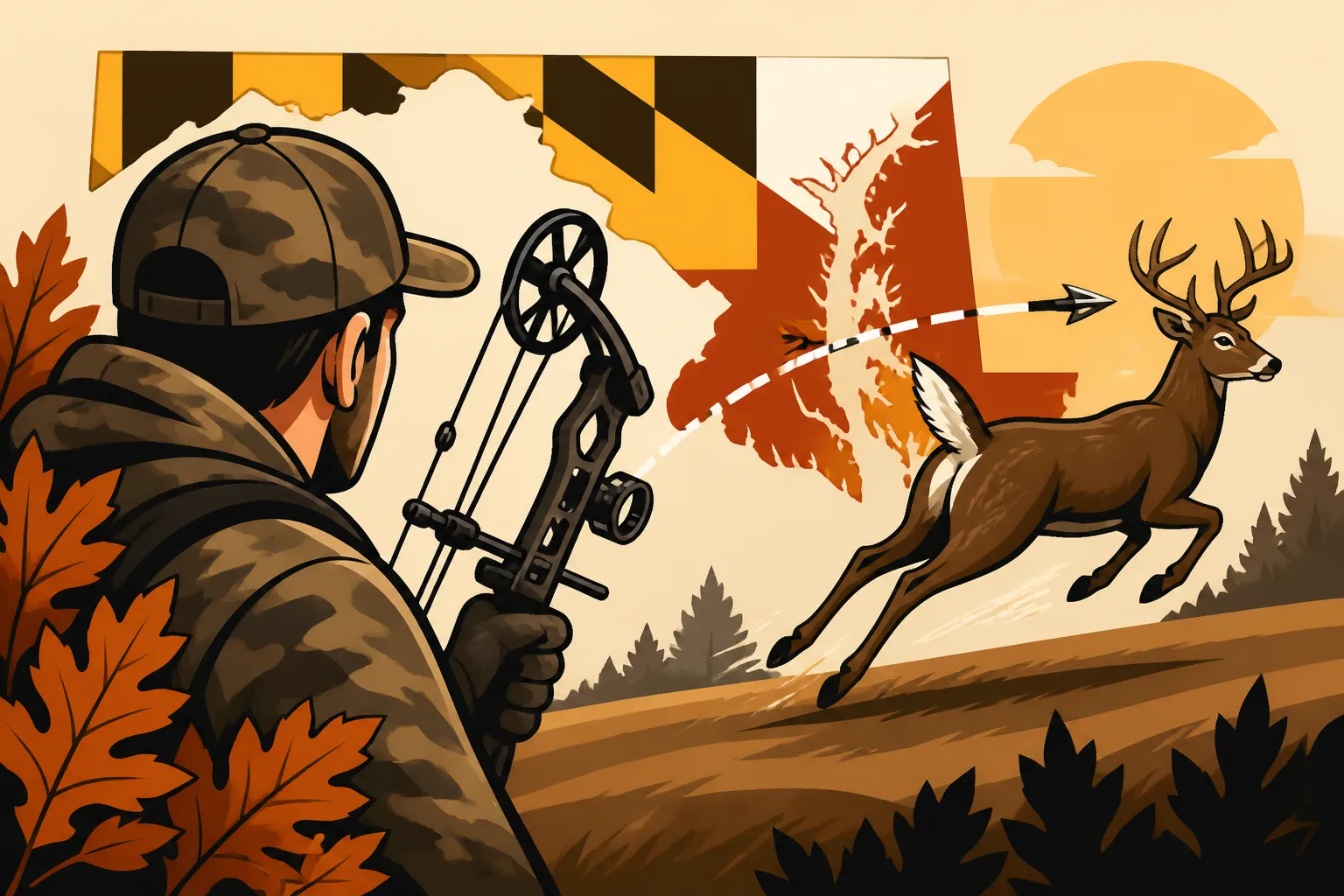
It's an experience every hunter dreads, a moment that can make your stomach drop and your heart race with a terrible mix of regret and uncertainty: the missed shot. Whether it's a clean miss that echoes through the quiet woods or a questionable hit that leaves you wondering, the immediate aftermath can be a whirlwind of emotion. This guide is here to walk you through the practical steps, ethical considerations, and mental recovery process when that shot doesn't quite go as planned in the Maryland woods or marsh.
The Immediate Aftermath: Assessing the Shot and Your Actions
That split second when you press the trigger or release the string is often followed by an adrenaline dump, regardless of the outcome. Your brain might be screaming, "Did I get it?!" or "Where did it go?!" It's during this critical window that your actions, or inactions, can make all the difference between recovering an animal and losing it, or confidently knowing it was a clean miss.
The Adrenaline Dump and Initial Assessment
When a deer, sika, or turkey suddenly isn't where your crosshairs were a moment ago, the first instinct is often to immediately jump up, grab your gear, and run towards where you last saw it. Resist this urge! That adrenaline is a powerful thing, but it can cloud your judgment and make you miss crucial signs. Instead, take a deep breath. Slow your heartbeat. Replay the shot in your mind.
What did you hear? Was there the distinct "thwack" of an arrow hitting vitals, or the dull "thump" of a bullet on flesh? Or perhaps the sound of a bullet striking dirt or rock behind the animal? What did the animal do? Did it mule-kick, tuck its tail, run off stiff-legged, or simply bound away without a noticeable reaction? These are vital clues. Even a deer that acts like it's unhurt can be mortally wounded, just as a deer that looks like it's hit hard might have only been grazed. It’s also crucial to identify a specific landmark, like a tree or bush, exactly where the animal was standing when you shot. This reference point is invaluable for starting your search. Many experienced hunters find it helpful to focus on a small, distinct patch of fur or a rock in the background, not just the animal itself, for reference.
Marking the Shot Site Meticulously
Once you've composed yourself, it's time to mark your stand or shooting position, and then move to the actual shot site. This needs to be done with extreme care. Don't just toss your hat down; use flagging tape, toilet paper, or a bright piece of cloth to clearly mark the exact spot where you were standing. Then, slowly and deliberately, walk to where the animal was when you took the shot, using your chosen landmark.
At this "point of impact," look down. Scour the ground for any sign. This is where you might find hair, blood, bone fragments, or even pieces of broadhead. Even if you see nothing at first glance, mark this spot too. Then, start looking for a trail. Did the animal run into thick phragmites near the Chesapeake Bay, bolt up a steep ridge in Green Ridge State Forest, or disappear into a tangle of honeysuckle on a suburban woodlot? Note the direction of travel and mark every speck of blood or overturned leaf you find. Having a good mapping app, like those often used by GoHunt members, can be incredibly helpful for dropping pins and recording your path, especially if you have to leave and come back. This systematic approach ensures you don't accidentally walk past critical evidence in your eagerness or frustration.
Understanding What a "Miss" Really Means: From Clean Miss to Questionable Hit
When you review the shot, the "miss" often falls into a few categories, each demanding a different approach and level of follow-up. It's rarely as simple as "got it" or "didn't get it."
The Clean Miss
A clean miss is, in some ways, the best outcome if you don't harvest the animal. This is when you know, without a doubt, that your arrow or bullet passed completely through the air without touching the animal. You might see dust fly up far behind it, hear a distinct "thwack" of the bullet hitting a tree, or watch the animal run off completely unfazed and undisturbed.
Even with a perceived clean miss, it's still good practice to spend a few minutes at the shot site. Look for any subtle signs—a single strand of hair, a small scuff mark, or a disturbed patch of leaves—just to be absolutely certain. The eyes can play tricks, and adrenaline can make you perceive a miss when there might have been a graze. Once you've confirmed it was a clean miss, you can breathe a sigh of relief. The animal is unharmed, and you can either continue your hunt (if conditions allow) or head back to the truck to process what happened and perhaps hit the archery range for some extra practice.
The Questionable Hit: When Doubt Creeps In
This is where the real work begins, and it's the most common and challenging scenario. A "questionable hit" means you suspect you hit the animal, but the exact location or severity of the hit is unclear. Perhaps you saw a quick flash of fur, heard a muted sound, or the animal reacted in a way that suggests impact, but there's no immediate, obvious sign of a fatal wound.
Signs of a questionable hit can range from subtle to telling:
- Hair: White hair usually indicates a hit low on the belly or leg. Brown/red hair often points to a body hit. Long, coarse hair might be from the brisket or back.
- Blood: The color and consistency of blood are critical. Bright red, frothy blood often indicates a lung hit. Dark red, watery blood with partially digested stomach contents suggests a gut shot. Dark, thick blood might be a muscle hit or liver. Scant, bright red blood often means a leg or brisket wound.
- Bone fragments: Small, sharp white fragments could indicate a shoulder blade or leg bone hit. Larger, spongy fragments might suggest a spine hit.
- Deer reaction: A deer that jumps, kicks, hunches up, or runs off with a very stiff gait often indicates a hit. A low, slow tail wag could point to a gut shot.
- Arrow/Bolt condition: If you're bowhunting, examining your arrow can tell a lot. Bright red blood indicates muscle. Dark red/clotted blood and stomach contents point to a gut shot. Greenish material is also a sign of a gut shot.
It’s crucial to understand that different hits require different waiting times before tracking. A deer hit in the lungs or heart might not run far, but a gut-shot deer can travel for miles if pushed too soon. This waiting period can be agonizing, especially when you're dealing with challenging Maryland terrain like a thick Dorchester County marsh or the steep, rocky slopes of a Garrett County mountain. Pushing a marginally hit animal too quickly is the most common mistake hunters make, often resulting in a lost animal. For more on tracking in specific environments, you might find Blood Trailing in Marsh Grass After Dark or Recovering a Deer From a Tidal Marsh helpful.
Here's a quick guide to common hit signs and recommended waiting times:
| Hit Type | Signs | Recommended Wait Time | Notes |
|---|---|---|---|
| Heart/Lungs | Bright red, frothy blood; deer might mule kick, run hard, then collapse. | 30 min – 1 hour | If shot is confirmed, the animal won't go far. Wait to ensure it expires. |
| Liver | Dark red, often thick blood; deer might hunch up, walk slowly, or stiffen. | 4 – 6 hours | Liver hits are usually fatal but take time. Pushing too soon can lead to a long, difficult track. |
| Gut/Stomach | Dark, watery blood with greenish contents; deer often hunches, walks slowly. | 6 – 12 hours (or more) | The most difficult hit to recover. Do not push! Let the animal lie down and stiffen. Tracking should ideally be done in the morning if shot late in the day, or after several hours if shot early. |
| Muscle/Leg (Non-Bone) | Bright red, but scant blood; animal might limp or favor a leg. | 1 – 2 hours | If no major bone is hit, this could be a superficial wound. Track carefully. If no further blood, the wound may be minor and the animal likely to survive. |
| Head/Spine | Instant drop or paralysis; possible large blood loss, but often little tracking. | Immediate | If the animal drops instantly and doesn't move, approach cautiously from behind. Confirm it's expired before handling. |
| Brisket/Front Leg Bone | Bright red, often significant blood; animal might hobble. | 2 – 4 hours | Can be fatal if it severs arteries, but often leads to superficial wounds. If the animal is still mobile after a few hours and blood stops, it may be a non-fatal leg wound. |
No Obvious Sign: The "Phantom" Miss
Sometimes, you swear you hit it, but you find absolutely no sign—no blood, no hair, nothing. This is arguably more frustrating than a clean miss because the doubt lingers. The ethical rule here is simple: always assume you hit it until proven otherwise. This means you must still conduct a thorough search.
Start at the point of impact and expand your search pattern. Go in concentric circles, then walk out in the direction the animal traveled for at least 100-200 yards, looking for any displaced leaves, broken twigs, or even drops of blood as small as a pinhead. Deer are masters of disguise, and a small wound can produce very little initial sign. If you come up completely empty after an exhaustive search, then you can confidently conclude it was a clean miss. Never leave the woods with lingering doubt about a hit; it's an ethical responsibility to make every reasonable effort to recover the animal.
Ethical Responsibilities and Best Practices: The Hunter's Code
Beyond the immediate actions, there are profound ethical responsibilities that come into play after a questionable shot. This is where the hunter's integrity truly shines.
The Mandate to Track
The most important ethical imperative after a questionable hit is to do everything in your power to find that animal. This isn't just about filling your tag; it's about respecting the life you've taken and preventing suffering. If you leave a wounded animal in the woods, you've failed in your duty as a responsible hunter. This means following the blood trail, no matter how sparse, for as long as it takes.
If the trail disappears, don't give up. Grid search the area, bring in more eyes, or call for help. Waiting periods, as discussed, are crucial. Pushing an animal that's not mortally hit but could expire with time is a recipe for losing it. Think about the terrain – a deer in a Hunting a Green Ridge Ridgetop Bench might be easier to track than one in dense marsh. Always check the weather forecast. Rain can quickly wash away a blood trail, making your immediate, diligent effort even more critical. If you have to leave overnight, be prepared to start tracking at first light, as predators might also be out.
When to Call for Help
There's no shame in admitting you need assistance. In fact, it's a sign of a responsible hunter. If you've tracked for a while and the trail has gone cold, or if you're dealing with a difficult hit (like a gut shot) and are unsure how to proceed, consider these options:
- Fellow Hunters: A fresh set of eyes can often spot what you've missed. Many hunting communities have informal networks where experienced trackers are willing to lend a hand.
- Tracking Dogs: In Maryland, using tracking dogs for wounded game is legal. These specialized dogs and their handlers are incredibly effective at finding animals, especially those hit with a marginal shot or after a long period. You can often find a list of certified tracking dog handlers through online hunting forums or state wildlife agency resources. Organizations like BookYourHunt might even list guides who offer tracking services.
- Guides/Outfitters: While usually associated with booking a full hunt, some Maryland outfitters, especially those familiar with specific game like Sika Deer Hunting in Maryland's Tidal Marshes, might offer tracking assistance or advice, particularly if you're on land they manage or know well. They have extensive experience and knowledge of local game behavior. Remember to always understand the costs involved if you call in a professional.
- Private Land: If the animal crosses onto posted private land, you absolutely must obtain permission from the landowner before continuing your pursuit. Crossing property lines without permission is trespassing and illegal. Knowing Maryland Trespass and Permission Law is vital here. Often, a quick, polite conversation with the landowner, explaining the situation, can grant you the access you need to finish the job ethically.
Respecting the Animal and the Resource
A missed or questionable shot is disheartening, and it's natural to feel frustrated, angry, or even ashamed. But these emotions should not deter you from your ethical duty. Every animal you pursue deserves your best effort to ensure a quick, humane death and a full recovery. If you do recover the animal, acknowledge the effort it took and the life it gave. Process the meat carefully and ensure nothing goes to waste.
If, after every reasonable effort, you cannot recover the animal, you must learn from the experience. It's a tough lesson, but it’s part of hunting. Document what happened, review your shot placement, and commit to improving your skills. This respect for the animal and the resource is at the core of responsible hunting.
Learning from the Experience: Moving Forward
A missed shot isn't just a failure; it's an opportunity for growth. Every seasoned hunter has experienced it, and how you respond shapes you as an ethical sportsman.
Analyzing What Went Wrong
Once the immediate stress of the situation has passed, take time to critically analyze what might have led to the missed or questionable shot. Be honest with yourself. This isn't about self-blame, but about improvement.
Consider these factors:
- Shot Placement: Was your aim true? Did the animal move at the last second? Did you rush the shot? Revisit the anatomy of the animal you're hunting—whether it's a whitetail, a sika, or a turkey—and review the vital zones. Online resources, books, and even apps can help reinforce this knowledge.
- Equipment: Was your bow tuned? Were your broadheads sharp? Was your rifle sighted in? Did your scope fog up? A minor equipment issue can lead to a major miss. Regular practice and maintenance are crucial.
- Environmental Factors: Did the wind unexpectedly gust? Was the light fading? Did a branch deflect your arrow or bullet? Sometimes, conditions are simply not ideal for a high-probability shot, and knowing when to hold off is a mark of a wise hunter.
- Mental Game: Did "buck fever" get the best of you? Did you rush because it was your only opportunity, or because you felt pressure? Developing mental toughness and confidence through visualization and practice can significantly improve your performance under pressure. Hunting the Rut in Early to Mid November can be an intense time, and keeping a cool head is paramount.
By dissecting the incident, you gain valuable insights that can prevent similar situations in the future.
Sharpening Your Skills for Next Time
Every missed shot is a push to become a better hunter. Don't let it discourage you; let it motivate you.
- Practice, Practice, Practice: The off-season is the time to build proficiency. For bowhunters, this means shooting regularly, focusing on form, and practicing from various angles and elevated positions, just like you would in a tree stand. For firearms hunters, consistent range time is vital, ensuring your rifle is sighted in and you're comfortable with different shooting positions. Consider practicing quick target acquisition and follow-through.
- Know Your Limits: Understand your effective range with your chosen weapon. Don't take a shot that's beyond your comfort zone, even if it's "possible." A clean miss at 60 yards is better than a wounded animal at that same distance if you're only proficient out to 40.
- Understand Anatomy: Continually study the anatomy of game animals. Knowing where the vitals are from different angles is non-negotiable. This knowledge is especially important when taking shots at animals that aren't perfectly broadside.
- Scouting and Strategy: Better scouting can lead to better shot opportunities, reducing the chance of a rushed or difficult shot. Utilizing tools like those offered by GoHunt for satellite imagery, topographical maps, and property lines can help you set up in locations that provide clearer shooting lanes and more predictable animal movement. Planning your Entry Routes Through Cut Corn Before Daylight can prevent startling game and allow for a calm shot setup.
- Seek Guidance: If you consistently struggle, consider a guided hunt, not necessarily for the kill, but for the learning experience. Many Maryland outfitters offer instructional hunts or can provide valuable insights. Look for guides on platforms like BookYourHunt who emphasize ethical hunting and can teach you about shot placement and tracking. Even practicing with a mentor can provide critical feedback. For more on preparing for these types of experiences, think about topics like What a Guide Expects You to Shoot Well.
Ultimately, a missed shot is a humbling experience, but it’s also a powerful teacher. By taking responsibility, tracking diligently, and committing to improvement, you honor the animal, uphold the hunting tradition, and grow into a more skilled and ethical hunter.
Disclaimer
This article is for general informational purposes only and does not constitute professional advice. Laws, prices and regulations vary by location and change over time. Consult a qualified professional for guidance on your specific situation.