Deer Drives on Maryland Private Ground
Deer hunting on private ground in Maryland presents a unique set of challenges, especially when deer pressure from nearby public lands or suburban areas pushes whitetails onto smaller, often overlooked parcels. These deer can become incredibly nocturnal or simply hold tight in thick cover, making traditional stand hunting a frustrating endeavor. This comprehensive guide will walk you through the effective strategy of organizing and executing deer drives on private ground, helping you convert those elusive deer into venison for the freezer.
Understanding the Dynamics of Deer Drives on Private Land
Deer drives, when executed safely and strategically, can be one of the most effective methods for hunting private lands, particularly those smaller parcels that deer use as sanctuaries. It's not about running deer wildly but about controlled, deliberate movement to push deer towards waiting hunters.
Why Deer Drives are Effective on Private Ground
Private land often offers deer pockets of refuge from intense hunting pressure. These might be small woodlots behind houses, brushy creek bottoms dissecting agricultural fields, or even overgrown fencerows that connect larger timber blocks. Deer learn these safe havens quickly, bedding down and often moving only under the cover of darkness. This is where a well-planned deer drive shines.
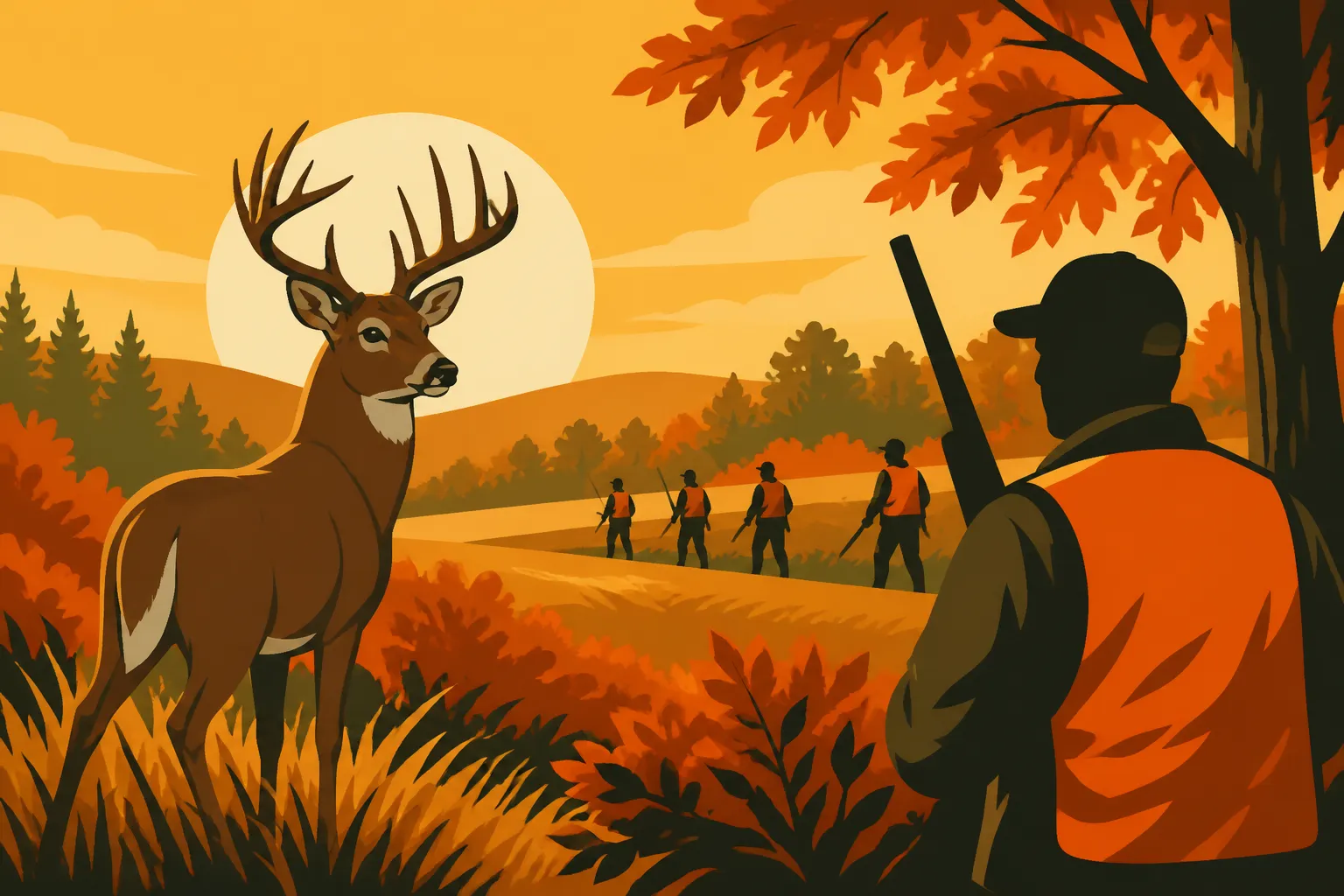
Instead of waiting for a deer to walk by your stand, you're actively influencing their movement. A small team of "drivers" slowly and deliberately walks through known bedding areas or thick cover, gently nudging deer towards "standers" who are positioned in strategic escape routes, natural funnels, or along property lines. The key isn't to spook deer into a full-blown sprint, but to get them up and moving at a walking pace, offering standers a controlled shot opportunity. This method is especially potent during the colder months when deer activity might be lower, or during specific firearm seasons like Maryland's Split Firearms Deer Season or Hunting the Late November Firearms Split, when deer are already feeling pressure.
Legalities and Ethical Considerations for Private Land Drives
Before you even think about lacing up your boots for a drive, understanding Maryland's hunting regulations and the ethical implications is paramount. Safety is non-negotiable.
First and foremost, you absolutely need explicit permission from the landowner for everyone involved in the drive. This isn't just a courtesy; it's a legal requirement. In Maryland, trespass laws are clear, and you don't want to jeopardize your hunting privileges or face legal trouble. A great resource for understanding these boundaries is by studying the article on Maryland Trespass and Permission Law. Make sure you understand exactly where the property lines are, especially if adjacent lands are unhunted or have different rules.
Ethically, deer drives must prioritize safety above all else. This means everyone involved, both drivers and standers, must wear adequate blaze orange. Maryland requires at least 250 square inches of blaze orange or pink above the waist, visible from all sides, during firearms seasons. This is not a suggestion; it's a rule designed to keep everyone safe. You can learn more about these requirements in Maryland Blaze Orange Requirements. Communication is key, and ensuring every participant knows the plan, their role, and most importantly, the exact location of every other hunter is critical. Never shoot in the direction of another hunter or towards property boundaries where you don't have clear knowledge of what lies beyond your target.
Planning and Executing a Successful Private Land Deer Drive
A haphazard deer drive is a dangerous and unproductive one. Success hinges on meticulous planning, thorough scouting, and clear communication within your team.
Scouting and Mapping Your Private Ground
Effective deer drives start long before opening day. You need to become intimately familiar with the private land you'll be hunting. This means boots on the ground, looking for deer sign – rubs, scrapes, tracks, and bedding areas. But don't stop there. Modern tools are a game-changer.
Utilize aerial photography and mapping applications, like those found on GoHunt or other reputable platforms. These tools allow you to virtually scout the property, identifying potential bedding thickets, subtle terrain features that act as natural funnels, and most importantly, escape routes that deer are likely to take when pushed. Look for pinch points, narrow strips of timber between fields, creek crossings, or areas where thick cover suddenly thins out. These are prime locations for standers. Pay attention to how deer move between feeding areas (like grain fields) and bedding cover (dense pines or marsh edges). Understanding these patterns is critical for setting up an effective drive. You might even discover areas that other hunters consistently overlook, providing fresh insight into deer movement. Consider how these insights can be applied when hunting a Chesapeake farm woodlot point.
Once you've identified key features, map out your drive. This isn't just about where the drivers walk, but where the deer are likely to go. Consider prevailing winds; deer will often try to run with the wind at their back, using their incredible sense of smell to detect danger ahead. Plan your drive accordingly to push them into the wind towards standers if possible, or across the wind if terrain dictates.
Assembling Your Team and Assigning Roles
The size of your team will largely depend on the size and layout of the private property you're hunting. For smaller woodlots, as few as two or three drivers and two or three standers might be sufficient. For larger parcels with more complex cover, you'll need more hands.
- Drivers (Pushers): These are the folks who will slowly walk through the cover. Their job isn't to make a lot of noise or run, but to move deliberately, creating a gentle pressure that encourages deer to get up and move. Spacing is important; drivers should be close enough to cover the terrain effectively but not so close they can't see each other for safety. Their pace should be slow and consistent, allowing deer to get up and walk ahead rather than bolt.
- Standers (Blockers): These hunters position themselves silently and patiently at predetermined escape routes, funnels, or strategic openings. Their primary role is to intercept deer that are pushed by the drivers. Standers must remain absolutely still and quiet, blend into their surroundings, and be ready to react quickly and safely when a deer approaches.
Before the drive begins, gather everyone for a thorough briefing. Walk through the map, point out property lines, known hazards, and the exact positions of all drivers and standers. Discuss communication methods – whether it's radios, pre-arranged whistle signals, or just knowing when to hold your position. Reinforce safety protocols, especially target identification and what constitutes a safe shot. It's often helpful to review what Maryland's Legal Weapons by County are, to ensure everyone is compliant with the chosen weapon for the drive.
Setting Up Standers and Planning the Drive Route
This is where the rubber meets the road. The placement of your standers is critical, as is the route the drivers take.
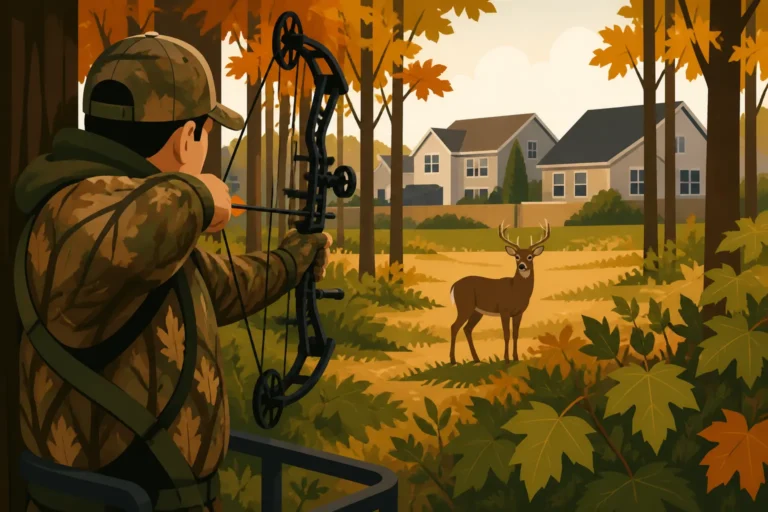
- Stander Placement: Position standers at known escape routes, pinch points, and funnel areas identified during scouting. Look for natural edges where deer might skirt thick cover, or crossings over creeks. If the property borders unhuntable land (like a subdivision or a main road), placing standers along that boundary can be highly effective, as deer often try to use these "safe" zones as escape routes. Ensure standers have clear shooting lanes and a safe backdrop for their shots. Never position a stander where they might be in the line of fire of another hunter.
- Driver Route: The drivers' path should be a slow, methodical sweep of the target cover. Start from one end of the cover and work towards the standers. Maintain a consistent line, using visual cues or a compass to stay on track. If possible, drivers should walk into the wind or crosswind, as this can make deer more likely to move ahead of them rather than circle back. For a drive on private property with varied terrain, similar principles apply as when Still-Hunting Western Maryland Mountain Timber.
Emphasize a slow, deliberate movement from the drivers. Deer are incredibly adept at detecting slight movements and changes. A slow, steady push is less likely to panic them into a full-blown sprint, which can make for unsafe shooting conditions and missed opportunities. Think of it as gently guiding them, rather than flushing them out. This patience pays off by presenting standers with calmer, more controlled shot opportunities.
Safety, Logistics, and Maximizing Your Chances
Successfully executing a deer drive on private ground isn't just about pushing deer; it's about doing so safely and efficiently, from the initial push to the final recovery.
Essential Safety Protocols for Deer Drives
Safety should be the first, last, and ongoing conversation when organizing any deer drive. The inherent nature of multiple hunters in motion requires strict adherence to safety rules to prevent accidents.
As mentioned, mandatory blaze orange requirements are critical. Every single person, from the most seasoned hunter to the newest participant, must be wearing at least 250 square inches of blaze orange or pink above the waist. This isn't just for firearms season; it's a smart practice for any deer drive, regardless of weapon, to ensure maximum visibility and accountability of all participants.
Beyond visibility, firearm safety is paramount. Before any shot is taken, positive identification of the target is essential. Never shoot at sound or movement alone. Be absolutely sure it's a deer, and know what's beyond it. This means being aware of houses, roads, other hunters, or livestock that might be out of sight. Establish clear zones of fire for each stander, so there's no confusion about who is responsible for what section. If in doubt, don't shoot. It's better to let a deer walk than to risk an unsafe shot. Having a pre-hunt safety talk where everyone acknowledges and understands these rules is critical. This is especially important when considering the varied regulations, such as those covered in Maryland's Legal Weapons by County, which might influence weapon choice and safety considerations.
After the Drive: Tracking and Recovery
Even a well-executed shot doesn't always result in an immediate drop. Knowing what to do after the shot is just as important as the drive itself.
Once a shot is fired, the first rule is patience. Instruct standers to wait at least 15-30 minutes for a deer that might be wounded, giving it time to bed down and expire. For gut shots or questionable hits, waiting an hour or more, or even until the next morning, can significantly improve recovery chances. Don't rush in and push a wounded deer further.
Organize the group for efficient tracking. If multiple people are available, spread out to cover more ground, but stay in visual or vocal contact. Look for blood, hair, bone fragments, and disturbed vegetation. Mark the last spot of blood with flagging tape or a hat. If the trail is sparse, having multiple sets of eyes can make all the difference. Sometimes a wounded deer will circle back into the cover it was pushed from, so drivers should also be alert during the recovery phase. If the deer crosses a property line onto adjacent private ground, make sure you have prior permission from that landowner to retrieve game. If not, contact the landowner immediately to request permission. This is a crucial aspect of Getting Private Land Permission in Maryland.
Adapting to Different Private Land Scenarios
Private land hunting in Maryland isn't a one-size-fits-all situation. The type of property, the amount of cover, and even the time of year will dictate how you approach a drive.
- Small Woodlots: These are often the easiest to drive with a small group. Focus on pushing deer from the densest cover towards the most likely escape points. These might be narrow strips of timber between residential areas or small pockets within agricultural fields.
- Larger Agricultural Fields with Pockets of Timber: Here, you might need multiple mini-drives or strategically placed drivers to push deer out of island-like cover patches. Deer will often try to sneak around drivers by running along field edges before cutting back into another thicket. Standers should cover these edges.
- Varying Deer Pressure: On highly pressured private land, deer will be warier. Your drives need to be slower, more methodical, and hunters need to be even quieter. On less pressured land, deer might be more tolerant, giving standers more time for a shot.
- Weather Conditions: Wind can be your friend or foe. As mentioned, pushing into the wind or crosswind is often best. Snow can make tracking much easier and can also push deer into denser cover, making drives more effective. Rain can wash away scent trails and make visibility difficult, requiring closer spacing for safety. Cold fronts, particularly during the Hunting the January Firearms Reopening, can increase deer movement as they seek food, making them more vulnerable to a well-planned drive.
Remember that flexibility is key. If the deer aren't moving as anticipated, or if conditions change, be ready to adapt your plan. A good team understands that the initial plan is a guideline, and real-time adjustments are often necessary for success. Utilizing mapping tools like GoHunt can provide real-time updates and help everyone stay on the same page.
| Role in Deer Drive | Primary Responsibility | Key Safety Consideration | Strategic Placement | Communication Focus |
|---|---|---|---|---|
| Stander | Intercept deer | Clear shooting lane, safe backdrop | Escape routes, funnels, property edges | Silent, visual, pre-arranged signals |
| Driver | Gently push deer | Maintain visual contact with other drivers | Through dense cover, bedding areas | Consistent pace, audible calls as needed |
| Team Leader | Oversee plan, safety | Ensure all protocols are followed | Flexible, directs traffic, coordinates recovery | Clear, concise instructions to all |
Disclaimer
Please note that hunting regulations, license requirements, and season dates can change. Always consult the most current Maryland Department of Natural Resources (DNR) hunting guide before planning any hunting trip. This content is for informational purposes only and does not constitute legal advice. Ensure you have proper landowner permission and adhere to all safety guidelines.