Running Beagles on Maryland Rabbits
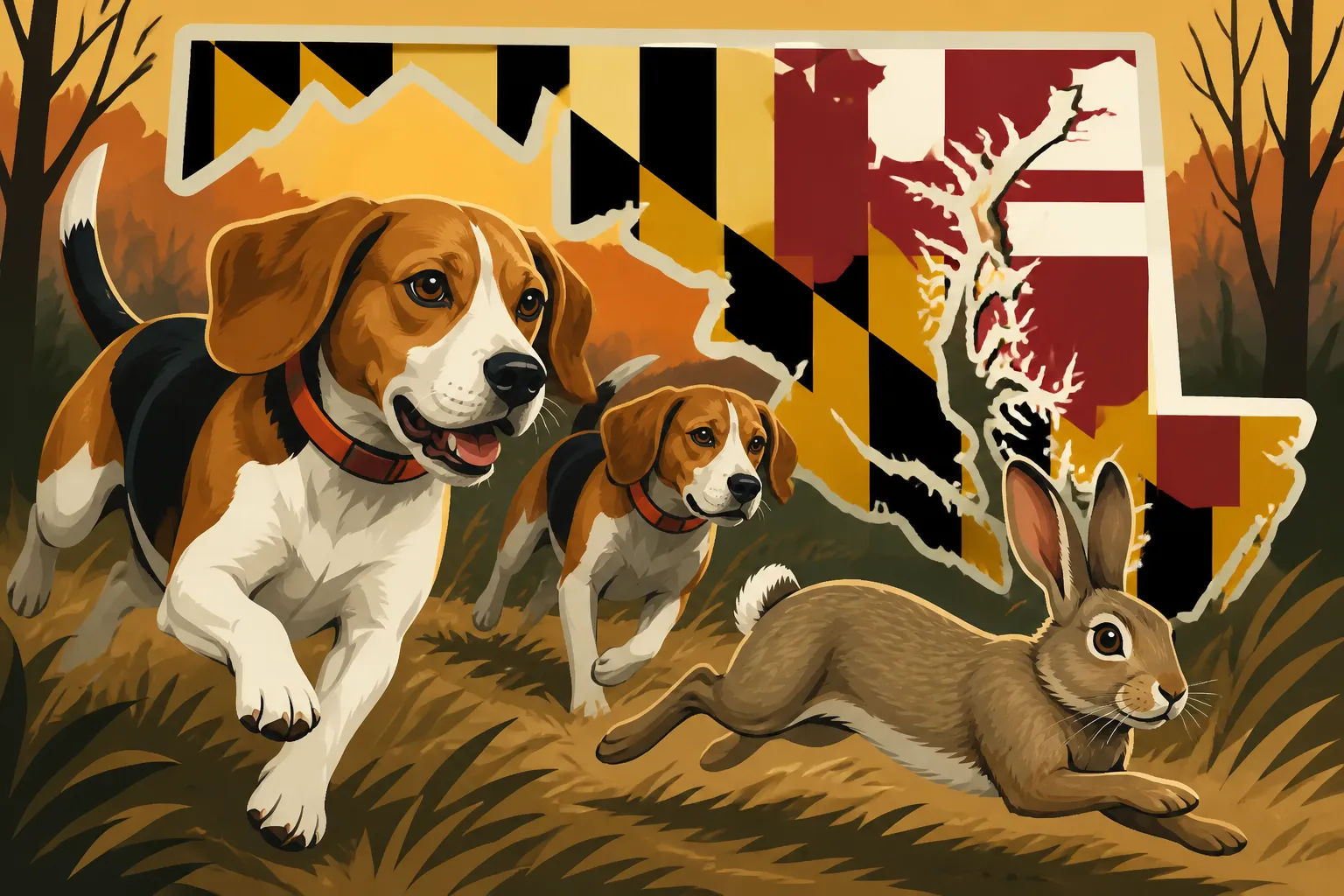
There's a special kind of thrill that comes with the baying of a beagle on a cold Maryland morning, a sound that promises action and a connection to a simpler time in hunting. Many of us grew up hearing those unmistakable calls, and for those new to it, the idea of chasing rabbits with a pack can feel a bit daunting. This guide is here to walk you through everything you need to know about the timeless tradition of running beagles on Maryland rabbits, from understanding their behavior to getting your dogs ready and finding the best cover.
The Enduring Appeal of Rabbit Hunting with Beagles in Maryland
For generations, the sport of rabbit hunting with beagles has been a cornerstone of Maryland's hunting heritage. It's more than just a hunt; it's a social event, a test of dog training, and a deep appreciation for the chase. There's something inherently joyful about watching a pack of well-trained hounds work a scent trail, their voices telling the story of the hunt as it unfolds through thick briars and brush.
Why Beagles are the Perfect Rabbit Dogs
Beagles possess an almost supernatural ability to track rabbits, making them the quintessential rabbit dog. Their incredible sense of smell allows them to pick up even the faintest scent, and once they're on a trail, their determination is unmatched. They're bred for this, hardwired to follow that scent until the rabbit circles back, a behavior known as "holing up" or "circling." Their vocalizations, often described as a "bay" or "chop," are not just noise; they're communication, letting hunters know when they're hot on a track, when a rabbit has been jumped, and when the chase is in full swing. This combination of scenting prowess, relentless drive, and characteristic voice makes them perfectly suited for the task.
Beyond their tracking abilities, beagles are also incredibly resilient and well-suited to the dense cover where rabbits thrive. Their compact size allows them to navigate through thick briar patches, honeysuckle, and multiflora rose bushes that would stop larger dogs in their tracks. They have an innate hardiness that lets them work tirelessly through varied terrain and weather, traits essential for a long day in the field. Plus, their generally docile and friendly temperament off the hunt makes them fantastic companions around the home and with other hunters, reinforcing the community aspect of the sport.
Understanding Maryland's Rabbit Habitat
Maryland's cottontail rabbit population thrives in areas that offer a mix of food and dense cover. You'll typically find them in "edge" habitats – those transitional zones where fields meet woodlands, or along fencerows, hedgerows, and brushy creek bottoms. These areas provide rabbits with easy access to forage like grasses, clover, and young shoots, while also offering immediate refuge from predators in the form of thick tangles of briars, fallen timber, and dense shrubbery. If you're looking for prime rabbit country, focus on these mixed environments.
On the Eastern Shore, for instance, you'll often find excellent rabbit habitat along the edges of agricultural fields, particularly those with standing corn or soybean stubble bordered by overgrown ditches and pine thickets. In the Piedmont region, old fields that have been left to grow up into brush, along with thick fencerows and stream valleys, can be incredibly productive. Southern Maryland also offers a mosaic of agricultural fields and woodlands, providing ample opportunities in similar cover types. Understanding "Maryland Cottontail Rabbits and Their Cover" is fundamental to knowing where to release your dogs for the best chances of success. They need places where they can hide quickly, so if it looks too open, it's likely not prime rabbit territory.
Essential Gear and Preparations for a Successful Beagle Hunt
Before you even step foot in the field, proper preparation is key to a safe and enjoyable rabbit hunt. This involves not only equipping yourself but also ensuring your canine companions are ready for the rigors of the chase. Overlooking these details can quickly turn a fun outing into a frustrating or even dangerous one.
Outfitting Your Beagles for the Field
Your beagles are the stars of this show, and ensuring their safety and effectiveness in the field is paramount. First and foremost, every dog should wear a durable collar, preferably one that includes a GPS tracking unit. Brands like Garmin offer excellent GPS collars (e.g., Garmin Alpha series) that allow you to monitor your dog's location, movement, and even control them remotely if needed. This is incredibly important when your dogs are out of sight, deep in thick cover, or if they happen to cross property lines. Beyond GPS, a simple bell on their collar can help you pinpoint their general location in dense cover, even without GPS, by listening for their movement.
Protective vests, often made from briar-resistant materials, are also highly recommended, especially when hunting in aggressive cover like multiflora rose or greenbrier. These vests help prevent cuts, scrapes, and punctures that can quickly sideline a dog. While beagles are tough, minimizing injuries keeps them healthy and in the game longer. Conditioning your dogs throughout the year is equally important. Regular exercise, a balanced diet, and routine vet check-ups ensure they have the stamina and physical resilience to endure long days of running and navigating challenging terrain, allowing them to perform at their peak when the season opens.
Hunter's Equipment and Safety Considerations
For the hunter, appropriate clothing is crucial. You'll be pushing through the same thick cover as your dogs, so briar-resistant pants and jackets are a must. Many seasoned rabbit hunters opt for chaps or brush pants made from tough Cordura or similar materials to protect against thorns and sharp branches. Beyond protection, visibility is a non-negotiable safety measure. In Maryland, hunters are required to wear certain amounts of blaze orange during specific seasons. Even when not legally mandated for small game, wearing blaze orange or blaze pink is highly advisable for hunting with dogs and multiple hunters. It makes you visible to other hunters and ensures everyone knows where each member of the party is at all times.
When it comes to firearms, a 12 or 20-gauge shotgun is the preferred choice for rabbits, typically loaded with smaller shot sizes like #6 or #7.5. These lighter loads are effective at close ranges and help preserve meat. Always handle your firearm safely, keeping the muzzle pointed in a safe direction and knowing your shooting lanes, especially when dogs and other hunters are moving around. Navigation is another key element. While many hunters rely on local knowledge, smartphone apps like GoHunt can be invaluable for identifying property boundaries, scouting potential cover, and marking where rabbits are jumped. Always carry a map and compass as a backup, especially when hunting in unfamiliar territory.
Here's a quick reference for common shotgun loads for rabbits:
| Gauge | Shot Size | Typical Application | Advantages | Disadvantages |
|---|---|---|---|---|
| 12 Ga. | #6 | General Rabbit Hunting | Good pattern density, sufficient knock-down | Slightly more recoil, might damage meat at very close range |
| 12 Ga. | #7.5 | Close-Range Brush Hunting | Excellent pattern, less meat damage | Less range, may not be ideal for fast-moving shots |
| 20 Ga. | #6 | General Rabbit Hunting | Lighter recoil, good balance of power/pattern | Slightly less range than 12 Ga. |
| 20 Ga. | #7.5 | Close-Range Brush Hunting | Very light recoil, dense pattern | Limited range |
Safety also extends to knowing your surroundings and respecting private property. Before heading out, always ensure you have permission if hunting private land, and utilize mapping tools like GoHunt to clearly define property lines. If you're on public land, be aware of "Maryland Public Land Hunting Permits" that may be required for specific areas and always abide by the local rules.
Strategies for Running Beagles on Maryland Rabbits
Once you have your dogs and gear ready, it's time to hit the field. The real art of rabbit hunting with beagles lies in understanding rabbit behavior, knowing how to work your dogs effectively, and positioning yourself for success. It's a dance between man, dog, and quarry that's incredibly rewarding when all the elements come together.
Locating Promising Rabbit Cover
Finding the right cover is the first and most critical step. Rabbits are creatures of habit and will consistently use certain types of habitat for food and protection. As we discussed, "Rabbit Hunting Maryland Farm Hedgerows" is a classic strategy because these linear features offer both travel corridors and dense escape cover. Look for areas with a thick understory – honeysuckle, greenbrier, multiflora rose, brush piles, fallen trees, and even old farm equipment that provides overhead cover. These are the places where rabbits will "lay up" during the day, waiting for dusk to feed.
Before the season, make it a point to go "Scouting Maryland Public Land Before Season" or private properties you have access to. Look for tracks in soft soil, droppings, and clipped vegetation, which are all signs of rabbit activity. Pay close attention to transition zones, like where a hay field meets a woodlot, or where a dense thicket runs along a creek bottom. These "edges" are goldmines. Early mornings or late evenings are good times to scout, as rabbits will be more active, allowing you to visually confirm their presence or pinpoint fresh sign. Utilize aerial photos on apps like GoHunt to identify these prime locations from above, looking for changes in vegetation density that indicate good cover.
Working Your Dogs and Reading the Chase
Once you've identified promising cover, the real fun begins. Release your beagles near the edge of the cover you want them to work. Give them a moment to get their noses to the ground and start ranging. It won't be long before one of them picks up a scent. You'll hear the change in their voice – from a casual whimper or "whine" to a more excited "chop" or "bay" as they get warmer on a trail. This is the signal. As they hit a hot scent and jump a rabbit, the baying will become more intense and continuous, indicating the chase is on.
The beauty of rabbit hunting with beagles is that cottontails, when jumped, typically don't run far in a straight line. Instead, they usually circle back to their original bedding area or a nearby patch of dense cover. Your job, as the hunter, is to anticipate this behavior. Position yourself strategically along known rabbit travel corridors, parallel to the direction of the dog's chase, or near the edge of the cover the rabbit was jumped from. Be patient and listen to the dogs. Their baying will tell you if the rabbit is still running strong, if it's slowed down, or if they've temporarily lost the trail. When the sound of the chase begins to get closer and stronger, be ready, gun mounted, eyes scanning for the rabbit's return. Teamwork is essential; spread out just enough to cover likely escape routes, but always be aware of where your fellow hunters are to ensure safe shooting lanes.
Post-Hunt Care and Regulations
After a successful hunt, taking care of your dogs is paramount. They've worked hard, often through challenging conditions. Ensure they have immediate access to fresh water to rehydrate, and inspect them thoroughly for any cuts, scrapes, or burrs that might have become lodged in their fur. Check their paws for thorns or abrasions. A good meal and a comfortable resting spot are also well-deserved after a long day in the field.
Regarding regulations, "Maryland's Small Game Season Dates and Daily Limits" for rabbits are typically generous, but always double-check the current year's guide. For cottontail rabbits, the daily bag limit is generally four. There are no registration requirements for rabbits in Maryland, unlike deer or turkey, but it's good practice to keep track of your harvest for personal records. Always be mindful of "Maryland Shooting Hours and Legal Light," which dictate when you can legally discharge a firearm. Generally, these hours extend from one-half hour before sunrise to one-half hour after sunset, but always verify for specific dates and locations. Responsible hunting also includes properly field dressing your rabbits promptly to ensure good meat quality.
Common Challenges and Tips for Maryland Rabbit Hunters
Every seasoned rabbit hunter knows that not every day in the field is perfect. There will be challenges, from uncooperative weather to stubborn rabbits or dogs that need a little extra refinement. Understanding these common hurdles and having strategies to overcome them can greatly improve your hunting experience.
Dealing with Difficult Conditions
Maryland weather can be unpredictable, and rabbit hunting often involves embracing the elements. Cold, damp days can be excellent for scenting conditions, but deep snow can make it tough for dogs to push through and for hunters to navigate. On the flip side, very dry conditions can make scenting difficult for beagles, leading to slower, less intense chases. Be prepared with appropriate gear for yourself and your dogs, including warm, waterproof clothing, and consider limiting hunts on extremely hot or cold days to protect your dogs.
Beyond weather, the cover itself can present challenges. Some briar patches are so dense that even beagles struggle to push through effectively, and it can be nearly impossible for a hunter to get a clear shot. In these situations, patience is key. Let the dogs work the edges, or try to identify thin spots in the cover where a rabbit might sneak through. Another common frustration is when dogs "run trash," meaning they chase other game like deer or fox. This requires consistent training and, for some dogs, electronic collars to reinforce the "no" command. Understanding "Small Game and Predator Hunting in Maryland" can also help you identify areas where other species might be more prevalent, allowing you to tailor your hunt accordingly.
Enhancing Your Beagle Pack's Performance
Training your beagles is an ongoing process that goes far beyond simply turning them loose. Consistency is key. Basic obedience commands like "come," "stay," and "no" are essential for controlling your pack, especially in areas near roads or other hazards. Beyond obedience, regular exposure to rabbits and working together as a pack will hone their skills. Start young dogs with experienced older dogs; they learn a tremendous amount by observing and mimicking their elders.
Maintaining your dogs' health is foundational to their performance. Regular veterinary care, including vaccinations and deworming, is a must. A high-quality diet provides the energy they need for demanding hunts. Pay attention to their paws; conditioning their pads throughout the off-season with regular walks on varied terrain helps toughen them up, reducing injuries during hunting season. Consider joining a local beagle club or field trial association. These groups offer opportunities for structured training, friendly competition, and invaluable advice from experienced handlers. Techniques for "Running a Trapline in Rural Maryland" can also offer insights into how other small game animals use the landscape, indirectly aiding in understanding rabbit movements. Ultimately, a well-cared-for, well-trained, and cohesive pack of beagles is your greatest asset in the rabbit woods.
There's truly nothing quite like the sound of beagles in full cry, working a rabbit through the thickets of Maryland. It's a sport that connects us to tradition, challenges us to read the land, and offers immense satisfaction in the partnership between hunter and hound. With the right preparation, a good pack of dogs, and a healthy dose of patience, you'll be well on your way to creating your own memorable moments chasing cottontails across the Old Line State.
Disclaimer
Please remember that hunting regulations, seasons, and licensing requirements can change. Always consult the most current Maryland Department of Natural Resources (DNR) hunting guide before planning any hunting trip. This article is intended for informational purposes only and does not constitute legal advice or replace official regulations.