Maryland’s Statewide Antlered Deer Bag Limit
Navigating Maryland's deer hunting regulations can sometimes feel like trying to untangle a particularly stubborn knot. With different seasons, weapon types, and regional nuances, many hunters, both seasoned and new, find themselves scratching their heads when it comes to the antlered deer bag limit. This guide is here to unravel that knot, clearly explaining Maryland's statewide antlered deer bag limit and all the crucial details you need to understand to stay legal and make informed decisions in the field.
Understanding Maryland's Antlered Deer Bag Limit
When you first dive into Maryland's deer regulations, one of the most fundamental rules you’ll encounter is the statewide antlered deer bag limit. It's the bedrock of deer management in the state, and getting it right is crucial for every hunter.
The Basic Statewide Rule
At its core, Maryland's regulation dictates that a hunter may harvest one antlered white-tailed deer per hunting season. This isn't one per weapon season, but one for the entire annual hunting season, regardless of whether you're using a bow, muzzleloader, or firearm for your initial harvest. This can be a point of confusion for folks used to other states' rules, but in Maryland, that first buck is typically your only buck unless you invest in a specific stamp.
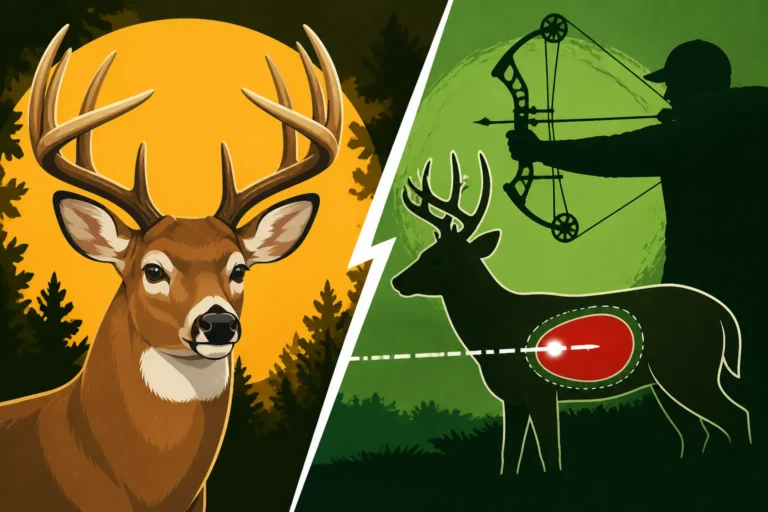
An "antlered deer" in Maryland is precisely defined: it's any deer with at least one antler that measures three inches or longer. This means even a small spike buck, as long as one antler clears that three-inch hurdle, counts as an antlered deer. So, if you're out during the early archery season and a young spike steps out, and you decide to take it, that's your antlered deer for the season, unless you've planned ahead with a Bonus Antlered Deer Stamp. It really forces you to think about your season strategy from the very beginning. Are you holding out for a mature animal, or are you happy to put meat in the freezer with the first legal buck that presents itself?
The Role of Bonus Antlered Deer Stamps
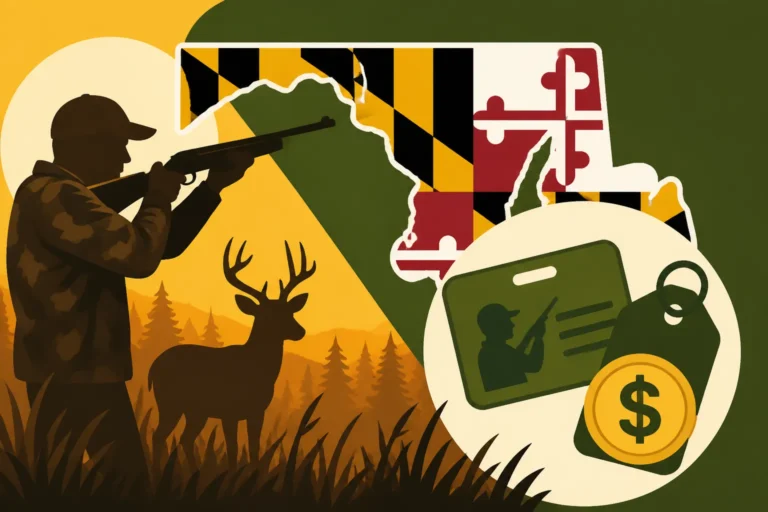
This is where the flexibility, or sometimes the added layer of complexity, comes into play. If you're hoping to harvest more than one antlered deer in a single season, Maryland offers the "Bonus Antlered Deer Stamp." This stamp, which comes with an additional fee, allows a hunter to take a second antlered deer within that same hunting season. It's a game-changer for those who hunt extensively or have specific harvest goals.
Think of it this way: your standard hunting license and associated deer stamps (like the archery or muzzleloader stamps) grant you the right to one antlered deer. The Bonus Antlered Deer Stamp is an add-on that expands that privilege to two antlered deer. It's especially popular with hunters who may hunt both early archery and then firearms season, or those who hunt in different parts of the state. You can purchase this stamp through the Maryland Department of Natural Resources (DNR) COMPASS system, either online or at a licensed agent. It's a quick process, but make sure you have it in hand before you head out to try for that second buck.
For example, imagine you've taken a nice 6-point buck in Western Maryland during the firearms season. You're feeling good, but then you get an invitation to hunt a friend's farm on the Eastern Shore during the late muzzleloader season, and you know there are some impressive deer there. If you want to pursue another antlered deer, you absolutely need that Bonus Antlered Deer Stamp. Without it, even if a Boone & Crockett buck walks out, taking it would be illegal. It’s a key piece of planning, especially if you anticipate having multiple opportunities or if you're just really passionate about deer hunting and want to extend your antlered deer harvest opportunities. You can find more details on which stamps a deer hunter needs to ensure you’re fully covered for all your hunting endeavors.
Navigating Regional Differences: Region A vs. Region B
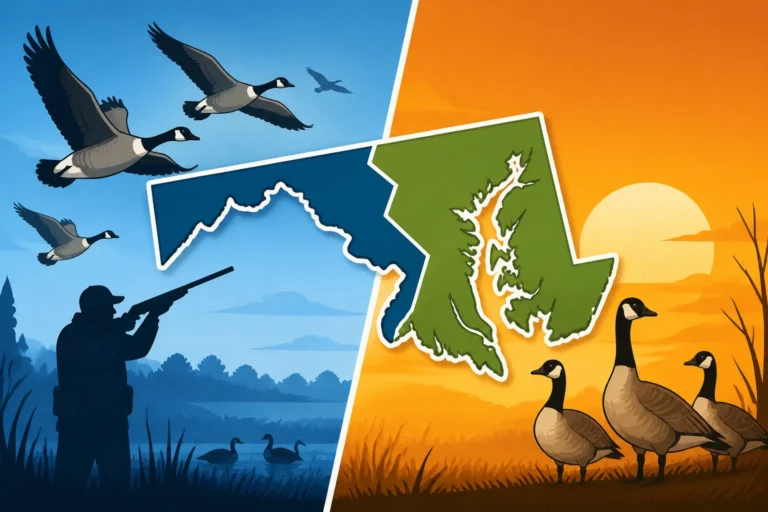
Maryland isn't just one big homogenous hunting zone. The state is divided into two distinct deer management regions, creatively named Region A and Region B, and understanding which region you're in is vital for proper compliance, particularly concerning antlerless deer, but also for contextualizing antlered deer regulations.
What Defines Region A and Region B
Maryland's Department of Natural Resources (DNR) delineates these regions based primarily on geography, habitat, and deer population density.
- Region A encompasses the westernmost counties: Garrett, Allegany, and Washington counties. This is Maryland's "mountain country," characterized by large tracts of mountainous forests, rugged terrain, and generally lower human population density compared to the rest of the state. The habitat here is vastly different, with extensive timberlands and less agricultural land.
- Region B covers the remaining 20 counties of Maryland, stretching from the rolling Piedmont hills through Central Maryland, down to Southern Maryland, and across the entire Eastern Shore. This region is a mosaic of agricultural fields, suburban woodlots, vast marshes, and mixed forests. It generally experiences higher deer populations and more human-deer interactions, necessitating different management strategies.
These regions exist to allow the DNR to implement tailored management strategies that address the specific challenges and opportunities presented by each area's unique ecological and socio-economic landscape. For example, deer herds in Region A face different environmental pressures and food sources than those thriving in the rich agricultural lands of the Eastern Shore. If you're curious about the state's overall deer population, you can learn more about Maryland's Deer Herd by Region. To confirm exactly which counties fall under each jurisdiction, check out which Maryland Counties Fall in Region A.
How Regional Rules Affect Antlered Deer Limits
Here's a critical point that can sometimes trip up hunters: while the antlerless deer bag limits differ significantly between Region A and Region B, the statewide basic antlered deer bag limit of one antlered deer remains the same for both regions. This means that whether you're hunting in the rugged mountains of Garrett County (Region A) or the sprawling farmlands of Kent County (Region B), your initial antlered deer tag applies across the board.
However, the regional distinction can become relevant if you plan to utilize your Bonus Antlered Deer Stamp. If you hunt in both regions, you're still limited to two antlered deer total for the entire state if you have that bonus stamp. The regions don't give you separate antlered deer quotas. For example, if you take your first antlered deer in Allegany County (Region A) with your regular tag, and then purchase a Bonus Antlered Deer Stamp, you could then take a second antlered deer in, say, Dorchester County (Region B). Your total is still two antlered deer for the season, regardless of which region you harvested them in.
The real divergence in rules for antlered deer between regions typically centers on specific nuances like antler point restrictions, which we'll discuss next, or specialized managed hunts within certain public lands. Always double-check the latest DNR regulations for any specific public land areas you plan to hunt, as they might have their own unique restrictions that supersede general regional rules. Using tools like GoHunt can help you quickly ascertain these area-specific regulations before you head out.
The "Three-Point Antler Rule" and Its Impact
Beyond the basic bag limit, Maryland has another significant regulation that shapes antlered deer hunting: the "Three-Point Antler Rule." This rule is designed to help manage the age structure of the buck population, aiming to allow younger bucks to mature.
Deciphering the Three-Point Restriction
The Maryland Three-Point Antler Rule states that an antlered deer must have at least three points on one antler to be legal for harvest. This is a crucial detail that often causes confusion. What counts as a point? A point is defined as a projection on an antler that is at least one inch long. So, a small bump or an unfinished nub doesn't typically qualify. You'll need to visually confirm that solid inch of growth before pulling the trigger. For a deeper dive into this specific regulation, you can read more about Maryland's Three-Point Antler Restriction. Learning to quickly and accurately count antler points before you shoot is a critical skill for any Maryland deer hunter.
Now, here's the absolute most important part of this rule, and it's where many hunters get confused: this three-point restriction applies to all antlered deer except for a hunter's first antlered deer of the hunting season. Yes, you read that right. Your very first antlered deer of the season is exempt from the three-point rule. This is often referred to as your "any buck" tag.
What does this mean in practice? It means that if you're fortunate enough to encounter a spike, a small two-point, or any other buck that doesn't meet the three-points-on-one-side criterion, you can legally harvest it, provided it is your first antlered deer of the season. Once you've harvested that "any buck," if you plan to use a Bonus Antlered Deer Stamp for a second buck, that second buck must then meet the three-point rule. This exemption is a thoughtful inclusion by the DNR to give hunters flexibility, especially those who prioritize meat hunting or are new to the sport.
Strategic Decisions and Ethical Considerations
The "any buck" exemption to the three-point rule introduces an interesting layer of strategy and ethical consideration into your hunt. Many hunters, myself included, spend a lot of time weighing their options in the field.
Imagine this scenario: It's the early archery season, and you've been sitting in your stand for hours. Suddenly, a small, healthy spike buck walks into your shooting lane. You know it's your "any buck" for the season. Do you take it for the venison? Or do you pass, hoping for a larger, more mature buck that meets the three-point rule later in the season? This choice is entirely up to you and your hunting goals. There's no wrong answer, but it's a decision that impacts the rest of your season.
Passing a young buck under Maryland's Antler Rule is a personal choice that contributes to local deer management goals, allowing more bucks to reach older age classes. Many experienced hunters choose to pass on smaller bucks, especially if they have plenty of time left in the season and high hopes for a larger animal. This practice, often called "quality deer management," helps foster a healthier age structure in the local herd. However, if your primary goal is to fill the freezer, that "any buck" exemption provides a fantastic opportunity.
It also highlights the importance of positive identification. In the heat of the moment, with adrenaline surging, making a quick and accurate judgment about antler points is crucial. Miscounting can lead to a violation, so take your time, use binoculars, and be absolutely certain of your target's legal status before taking a shot. Ethical hunting is not just about following the rules; it's about making responsible decisions that honor the animal and the sport.
Practical Tips for Managing Your Antlered Deer Tags
Understanding the rules is one thing, but practically applying them throughout the hunting season is another. Here are some real-world tips to help you manage your antlered deer tags effectively in Maryland.
Planning Your Season and Weapon Choices
Effective deer hunting in Maryland really benefits from a well-thought-out plan. Since the state offers such a diverse array of hunting opportunities across different weapon seasons, knowing when and how you'll use your antlered tags is key.
- Early Archery Season: This season often kicks off in September, offering the longest window. Many hunters choose to use their "any buck" tag during this time, especially if they're looking to fill the freezer early or just enjoy the challenge of bowhunting. The flexibility to take any legal antlered deer, regardless of points, is a huge advantage here. If you're a bowhunter, you'll want to be familiar with Bowhunting Maryland's Long Archery Season.
- Muzzleloader Season: This is a fantastic opportunity, often falling in October and again in December, offering a quieter, more traditional hunting experience. If you passed on an "any buck" during archery, or if you plan to get a Bonus Antlered Deer Stamp, you might use your tag during this period. Check out Muzzleloader Deer Hunting in Maryland for more details on these seasons.
- Firearms Season: The most popular and often the most productive season, Maryland's Split Firearms Deer Season typically sees the highest harvest numbers. If you've saved your "any buck" tag, or you're using your bonus stamp, this might be when you target a specific buck. The intensity and camaraderie of firearms season are unmatched for many hunters.
Consider your personal goals for the season. Is it about taking a trophy? Is it about putting venison in the freezer? Or is it about spending quality time afield? If you aim for a larger, more mature buck, you might pass on smaller bucks early on, saving your "any buck" tag for a potential miscue or for a very specific opportunity. If meat is the priority, taking the first legal antlered deer that comes along, even a spike, is a perfectly valid strategy under the "any buck" rule. This foresight will save you stress and ensure you're always hunting legally.
Utilizing GoHunt and the COMPASS System
In today's digital age, staying informed and managing your licenses is easier than ever, thanks to resources like GoHunt and the Maryland DNR's COMPASS system.
The COMPASS system is your official portal for all things licensing in Maryland. This is where you purchase your hunting license, archery stamps, muzzleloader stamps, and crucially, your Bonus Antlered Deer Stamp. You can access it online, making it incredibly convenient to get what you need before you head out. After a successful harvest, the COMPASS system is also where you'll register your deer. Knowing how to use the Buying a Maryland License Through COMPASS system is essential.
GoHunt is an invaluable resource for hunters, offering detailed information and tools that can help you plan your hunts. While GoHunt isn't specific to Maryland DNR, many hunters use such platforms to keep track of regulations, explore public lands, and often find insights into game movements. Always cross-reference with the official Maryland DNR website for the most current and authoritative regulations, but tools like GoHunt can certainly streamline your planning process.
Here's a quick summary of the antlered deer rules in Maryland:
| Rule Category | Description | Applicability |
|---|---|---|
| Basic Antlered Deer Limit | One antlered white-tailed deer per hunting season. An antlered deer has at least one antler 3 inches or longer. | Statewide, across all weapon seasons. |
| Bonus Antlered Deer Stamp | Allows for the harvest of one additional antlered white-tailed deer, for a total of two antlered deer per season. | Optional purchase; required for taking a second antlered deer. |
| Three-Point Antler Rule | An antlered deer must have at least three points (1+ inch long) on one antler. | Applies to all antlered deer except the hunter's first antlered deer of the season. |
| Region A / Region B | Regional divisions primarily affect antlerless deer limits and specific management strategies, not the base antlered deer bag limit. | Statewide antlered limit of one (or two with bonus stamp) applies regardless of region of harvest. |
This table provides a concise overview, but remember that the devil is always in the details, so always refer to the official regulations for any specific questions.
Common Misconceptions and Clarifications
Even with clear regulations, certain myths and misunderstandings persist in the hunting community. Let's clear up a couple of common ones regarding Maryland's antlered deer bag limit.
"One Buck Per Weapon" Myth
This is perhaps the most prevalent misconception you'll hear from hunters, especially those new to Maryland or who have hunted in other states with different regulations. The idea is that you can take one antlered deer with your bow, then another with your muzzleloader, and finally a third with your rifle. This is absolutely incorrect for Maryland.
As we've clarified, the basic statewide antlered deer bag limit is one antlered deer per hunting season, total. That means if you take a buck with your bow during the archery season, without a Bonus Antlered Deer Stamp, your antlered deer tag is filled for the entire year, regardless of upcoming muzzleloader or firearms seasons. The "one buck per weapon" idea is a myth that could lead to serious legal trouble if not understood properly.
The only way to legally take more than one antlered deer in a Maryland hunting season is by purchasing the Bonus Antlered Deer Stamp, which permits a second antlered deer. So, if you plan to extend your antlered deer harvest opportunities across different weapon seasons, that bonus stamp is non-negotiable. Don't let old wives' tales or anecdotes from other states lead you astray; always refer to the official Maryland DNR regulations.
The Importance of Registration
Harvesting a deer is only half the job; the other critical half is proper and timely registration. This isn't just a formality; it's a legal requirement and a vital part of Maryland's deer management program.
When you successfully harvest an antlered deer (or any deer, for that matter), you are legally obligated to register it with the Maryland DNR within 24 hours of harvest, and before processing the deer beyond field dressing. This process confirms your harvest, deducts it from your bag limit, and provides the DNR with crucial data about deer populations, harvest rates, and herd health. This data is what helps the DNR make informed decisions about future hunting seasons and bag limits.
The easiest way to register your deer is through the COMPASS system, either online via the website or through the official mobile app. You'll need to provide details about your harvest, including the date, county, weapon used, and whether it was antlered or antlerless. Once registered, you'll receive a confirmation number. This confirmation number is incredibly important – it serves as your official record of harvest and must accompany the deer carcass or venison. You can read more about The Maryland Deer Registration Deadline After a Kill to ensure you're always compliant. Understanding what a Deer Confirmation Number Is For will also help you appreciate its importance. Skipping registration is not only illegal but undermines the state's efforts to manage its deer resource effectively. So, after the shot, make sure registration is your next top priority!
Disclaimer
Please be aware that hunting regulations can change. While this guide provides a comprehensive overview based on current information, it is your responsibility as a hunter to consult the most up-to-date official Maryland Department of Natural Resources (DNR) hunting guide and regulations prior to your hunt. Always ensure you are in compliance with all applicable laws and regulations.