Maryland’s Secondary Bear Lottery Counties
It's incredibly frustrating, isn't it? You spend weeks, maybe months, dreaming of that Maryland bear hunt, pour over the regulations, and then the primary lottery results drop, and your name isn't on the list. That gut punch can really deflate a hunter's spirit. But don't throw in the towel just yet! Maryland actually offers a glimmer of hope for those who miss out on the initial draw: the secondary bear lottery. This guide will walk you through exactly what that means, which counties are typically involved, and how you can position yourself for a second chance at tagging a Western Maryland bruin.
Understanding Maryland's Primary Bear Lottery System
Before we dive into the secondary opportunities, it’s important to understand the lay of the land with Maryland's primary bear lottery. This is the main event, the initial drawing where the vast majority of highly coveted bear permits are allocated each year. The competition is stiff, and for good reason—Maryland offers some fantastic bear hunting experiences in its western mountains.
The Initial Application Period and Draw
Historically, the application window for Maryland's primary bear lottery opens in early to mid-April and usually closes around late April or early May. Hunters apply through the Maryland Department of Natural Resources (DNR) COMPASS system, hoping their name is drawn from thousands of entries. The results are typically announced in June, leaving those who are successful with a few months to plan their hunt, and those who aren't, well, often feeling a bit disappointed. The permits are allocated for the four traditional bear hunting counties: Garrett, Allegany, Washington, and Frederick. These permits are finite, determined by DNR biologists to manage the growing bear population responsibly. If you're planning your first application or want to brush up, checking out articles like Maryland's Black Bear Lottery can give you a solid foundation.
Preference Points and Their Role
One crucial aspect of the primary lottery is the preference point system. For every year you apply for the bear lottery and are unsuccessful, you accrue a preference point. These points are designed to increase your odds of drawing a permit in subsequent years. The more points you have, the better your chances are, theoretically. It’s the state's way of rewarding persistent hunters who keep putting their name in the hat. However, the secondary lottery often operates under slightly different rules regarding preference points, which can be a double-edged sword. While preference points are vital for the initial draw, they don't always guarantee a spot in the secondary allocation, nor do they often increase your odds in the same way, making the secondary lottery a more immediate, first-come, first-served type of scramble at times. Understanding Maryland Bear Preference Point Rules is essential if you're serious about bear hunting in the state long-term.
The Purpose and Process of the Secondary Bear Lottery
So, you didn't draw a tag in the primary lottery. What now? This is where the secondary bear lottery comes into play, offering a valuable second bite at the apple for eager hunters. It's not just a consolation prize; it's a strategic tool used by the Maryland DNR to ensure proper bear management.
Why a Secondary Lottery Exists
The primary reason for a secondary lottery is fairly straightforward: to allocate any remaining bear permits after the initial drawing or to address specific management needs. Sometimes, not all permits are claimed or issued in the primary lottery. Other times, the DNR might identify areas within the existing bear counties that require additional hunting pressure to help manage the growing bear population, especially in regions where human-bear conflicts are becoming more frequent. This could be due to unexpected bear movement, localized population spikes, or simply a strategic decision to spread hunting pressure more effectively. It’s a dynamic system designed to meet harvest objectives and maintain a healthy, balanced bear population. This flexibility is vital for the state's wildlife management efforts, ensuring that harvest goals are met without over-pressuring specific areas.
How the Secondary Lottery Differs
The secondary lottery usually operates on a much tighter timeframe and can be a bit more unpredictable than the primary draw. The number of permits available is typically much smaller, and the application window is often quite short, sometimes just a few days or a week. Unlike the primary lottery, where preference points are king, the secondary draw is frequently a pure lottery for the permits available, meaning everyone starts on an equal footing for that particular drawing regardless of their accumulated points. This is why staying incredibly vigilant and ready to apply at a moment's notice is absolutely critical. The DNR will announce the secondary lottery only if permits remain, usually in late July or early August, just weeks before the season. Keeping an eye on their official announcements is key, and tools like the GoHunt app can be invaluable for real-time updates on regulation changes and lottery announcements, helping you track critical dates and application windows.
Key Counties for Maryland's Secondary Bear Lottery
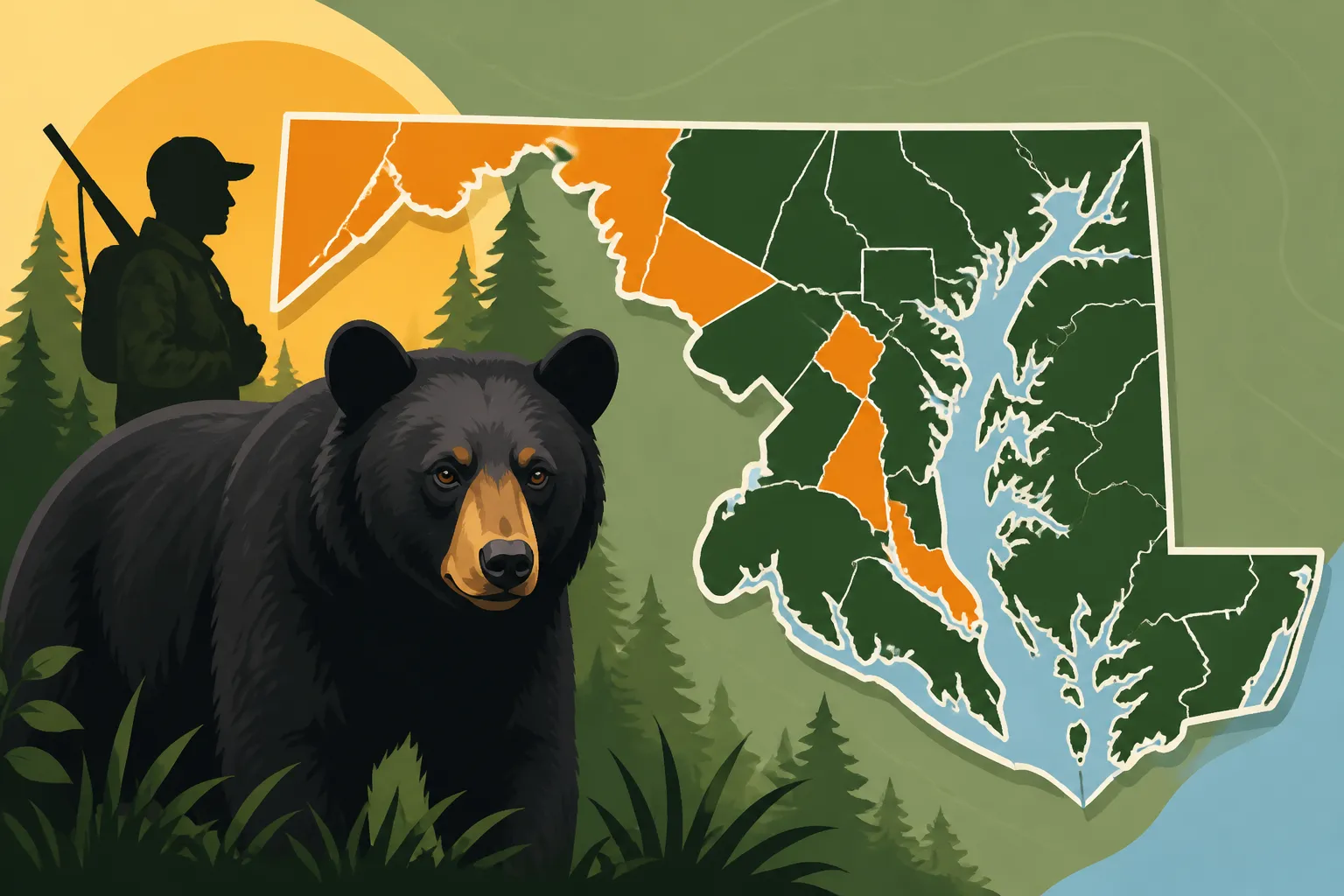
When we talk about "Maryland's Secondary Bear Lottery Counties," it’s important to clarify that we aren't typically referring to entirely new counties suddenly opened for bear hunting. Instead, the secondary lottery permits are almost exclusively allocated for the same four traditional bear hunt counties that participate in the primary lottery: Garrett, Allegany, Washington, and Frederick. The "secondary" aspect refers to the timing of the lottery and the smaller pool of permits available.
Allegany and Garrett Counties: The Bear Strongholds
These two Western Maryland counties are the undisputed heart of the state's bear country, holding the highest densities of black bears and offering the most extensive tracts of suitable habitat. If permits become available in a secondary lottery, a significant portion, if not all, are usually directed towards Allegany and Garrett. These counties are characterized by vast state forests like Green Ridge and Savage River, dense timber, steep ridges, and plenty of cover, making them ideal for bears to thrive. Hunters who draw a permit for these areas often face rugged terrain and challenging conditions, but the reward of a truly wild bear hunt in a stunning landscape is undeniable. For those lucky enough to secure a tag here, researching areas like Hunting Maryland's Western Mountain Forests becomes a top priority.
Washington and Frederick Counties: Targeted Opportunities
While not as heavily populated with bears as Allegany and Garrett, both Washington and Frederick counties do have resident bear populations and are included in the legal hunting zone. Permits for these counties in either the primary or secondary lottery are often more limited and can be tied to specific management objectives. Bear populations in these areas, particularly Frederick, are often expanding, and permits may be issued to manage this growth, especially in areas closer to human development or agricultural lands. The hunting environment here might differ, with smaller woodlots, more interspersed farmland, and a greater need for hunters to be acutely aware of property boundaries and safety zones. If you're considering these counties, using mapping tools like those offered by GoHunt to scout potential areas and understand land ownership can give you a significant advantage once you draw a permit.
It's absolutely essential to consult the official Maryland DNR website for the most current information regarding permit allocations, specific hunting zones within counties, and application procedures for any secondary lottery. The exact number and distribution of permits can fluctuate annually based on population surveys and management goals.
Here's a quick overview of the bear lottery structure in Maryland:
| Lottery Type | Application Period (Typical) | Results Announced (Typical) | Counties Included | Preference Points Applied? | Permit Availability |
|---|---|---|---|---|---|
| Primary Lottery | Mid-April – Early May | June | Allegany, Garrett, Washington, Frederick | Yes, increases odds | Majority of permits |
| Secondary Lottery | Late July – Early August | August | Allegany, Garrett, Washington, Frederick (if available) | No, typically pure draw | Remaining/Specific Needs |
Navigating the Secondary Bear Lottery Application Process
The secondary bear lottery is a game of attention and speed. Because of its unpredictable nature and limited window, successfully applying requires a different strategy than the primary draw.
Staying Informed and Acting Quickly
The absolute biggest hurdle for the secondary bear lottery is knowing when it's happening. The DNR will typically make an announcement on its website, through press releases, and often via email newsletters if you're subscribed. These announcements often come with little lead time, sometimes just a few days before the application period opens and closes. Missing that window means missing your chance entirely. This is where being proactive pays off. Regularly checking the Maryland DNR official website, especially in July and early August, is non-negotiable. Furthermore, signing up for their email alerts ensures you get the news directly. Many modern hunting apps, including GoHunt, also offer news feeds and alerts for various state game and fish agencies, which can be an excellent way to stay on top of these time-sensitive opportunities.
When the announcement drops, don't delay. Have your COMPASS account information ready, ensure your hunting license is current (you'll need your Maryland Hunting Licenses and What They Cost in order to apply), and be prepared to submit your application immediately. Permits are often issued on a first-come, first-served basis once the draw happens, or the application window is so short that any hesitation can cost you.
Strategic Application Considerations
When applying for the secondary lottery, think strategically. Since preference points typically don't factor in, and the number of permits is small, your odds are different. Sometimes, the permits offered might be specific to certain regions within the four main counties, or even for antlerless bears, depending on management needs. Read the announcement carefully to understand exactly what you're applying for. This isn't the time to be picky if your main goal is simply to get a bear tag in your hand.
Consider the timing of the bear season, which typically runs in October and then again in early December. If you secure a secondary permit, you'll want to have a solid plan for Maryland Bear Season Dates. Begin to think about scouting options even before you apply. While you can't enter restricted areas without a permit, you can certainly use digital scouting tools to identify potential access points, dense cover, and food sources within the general bear range of the participating counties. For those fortunate enough to draw a tag, delving into articles like What to Do After Drawing a Maryland Bear Permit will become your next crucial step in preparing for a successful hunt. Even if the secondary lottery doesn't pan out this year, participating shows your dedication and keeps you engaged with the process, ready for future opportunities.
Disclaimer
Please remember that hunting regulations and lottery details can change from year to year. Always consult the official Maryland Department of Natural Resources (DNR) website and current hunting guide for the most up-to-date and accurate information before planning any hunt or applying for permits.