Why Maryland Deer Die After a Dry Summer
Maryland deer mortality during dry summers, explaining water scarcity, poor forage quality, and Epizootic Hemorrhagic Disease outbreaks.
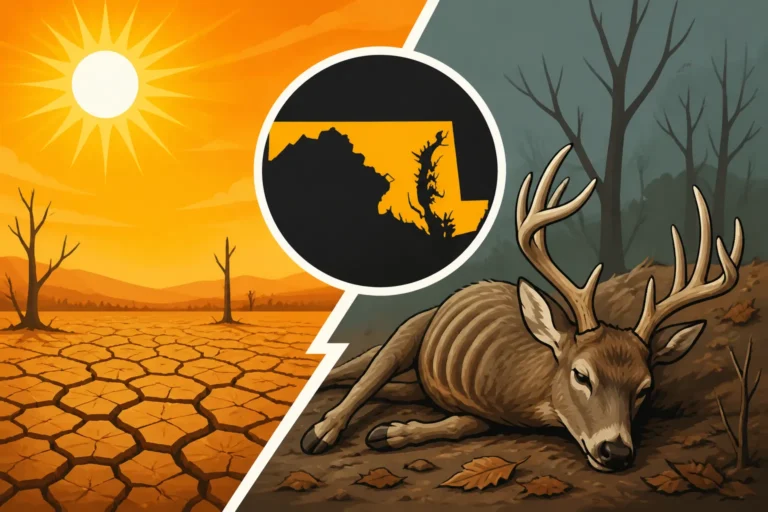
Maryland deer mortality during dry summers, explaining water scarcity, poor forage quality, and Epizootic Hemorrhagic Disease outbreaks.
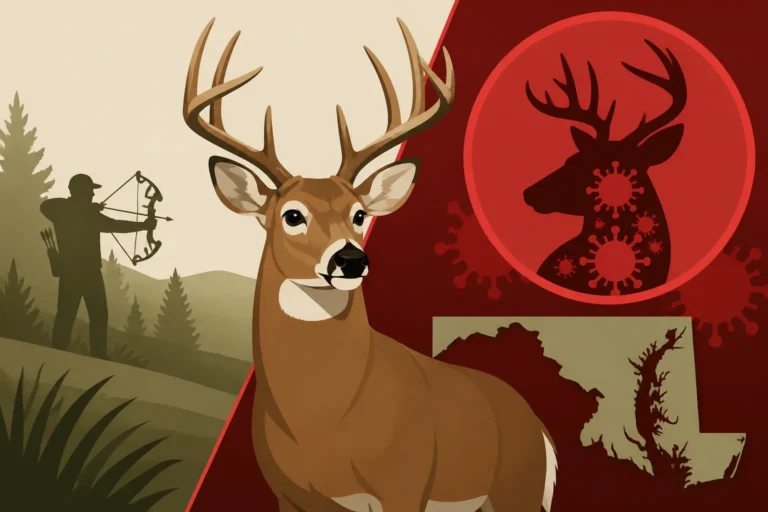
Epizootic Hemorrhagic Disease causes sudden white-tailed deer deaths in Maryland through infected biting midges during late summer.
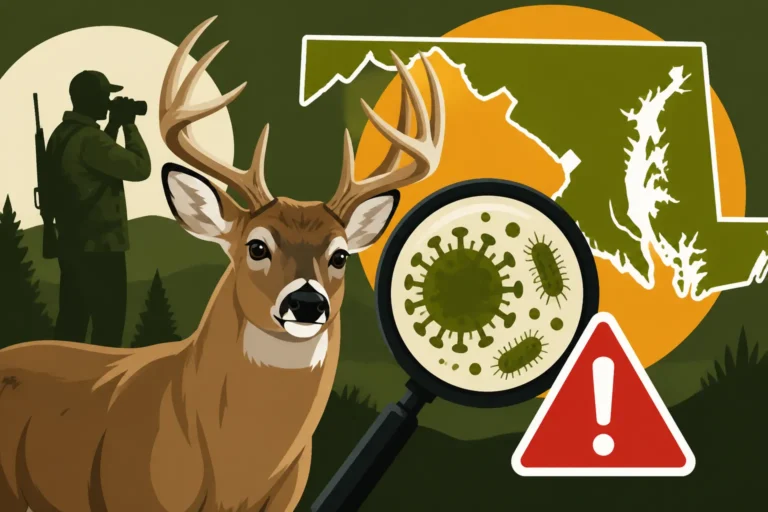
Maryland deer disease monitoring by the Department of Natural Resources tracks threats like Chronic Wasting Disease and Epizootic Hemorrhagic Disease.
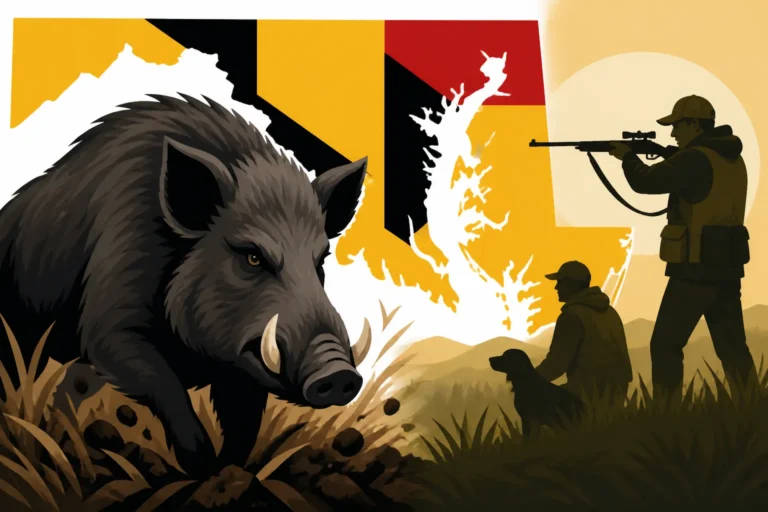
Feral hogs in Maryland threaten ecosystems and agriculture, prompting state strategies to eradicate invasive populations.
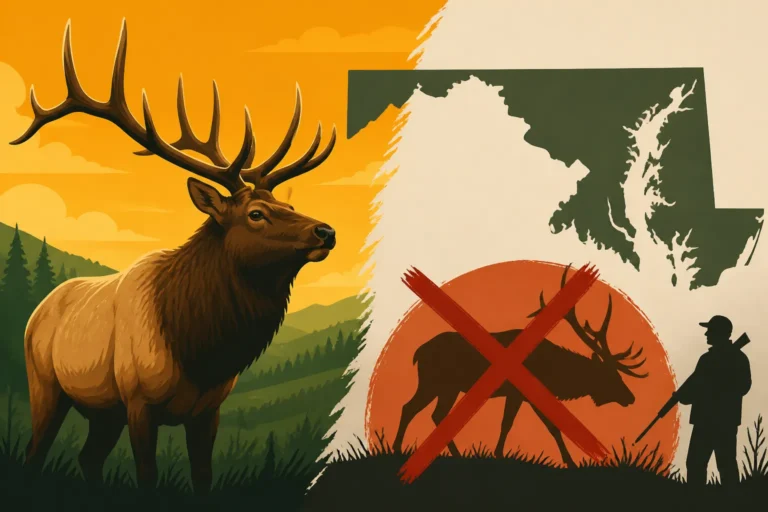
Maryland eastern elk history explains seventeenth century colonial settlement habitat destruction and the extinction of these native animals.
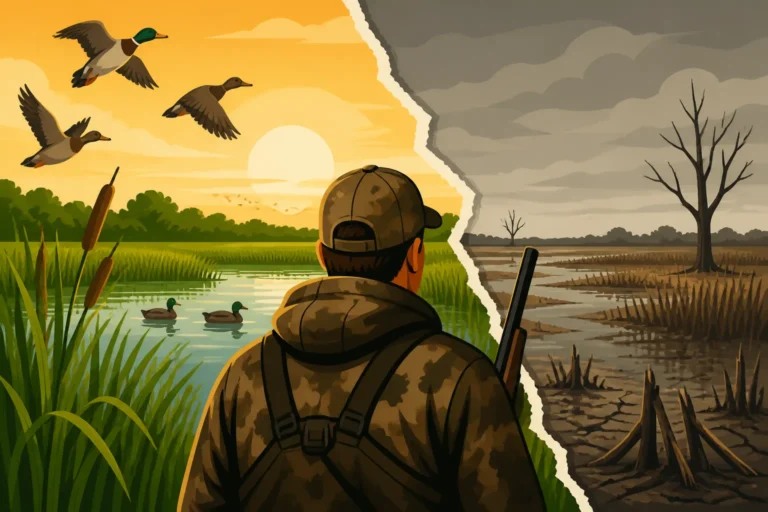
Marsh loss in Maryland’s Dorchester County alters habitats for sika deer and changes hunting strategies for local sportsmen.
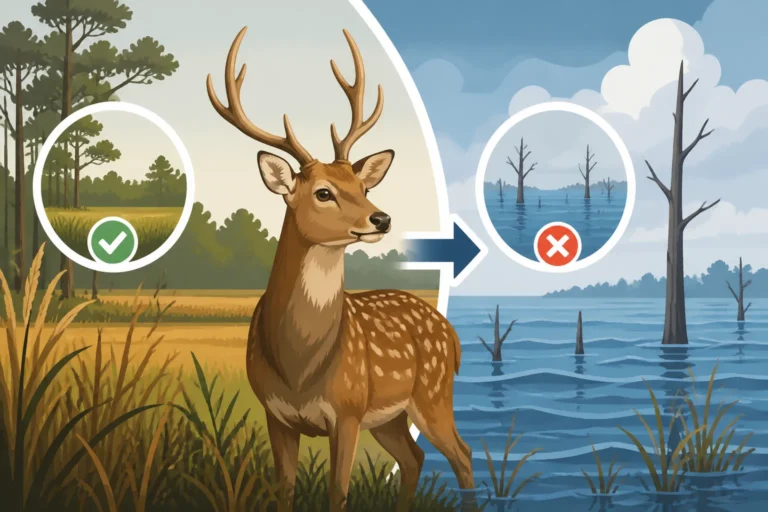
Rising sea levels in Maryland erode coastal marshes and alter sika deer habitat, changing how hunters navigate wetlands.

Maryland Chesapeake Bay marshes sink due to global sea level rise, thermal expansion, and melting glaciers in Greenland and Antarctica.
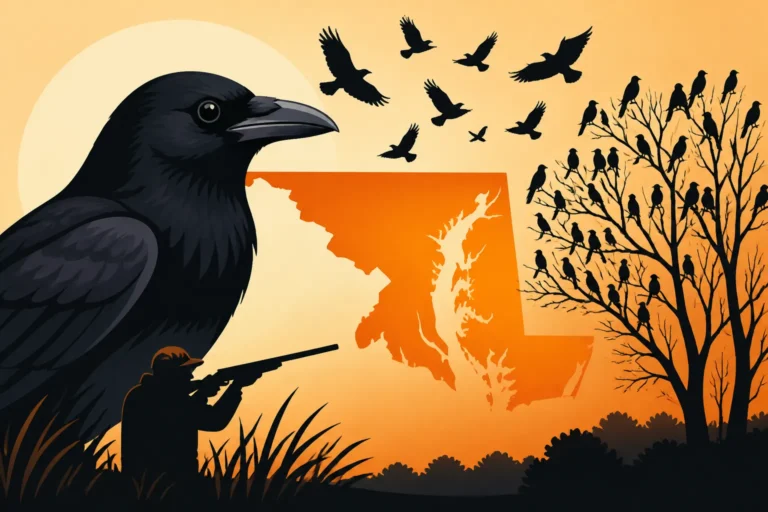
Maryland crow population numbers and nightly roosting habits explained using migratory patterns, habitat, and food availability factors.
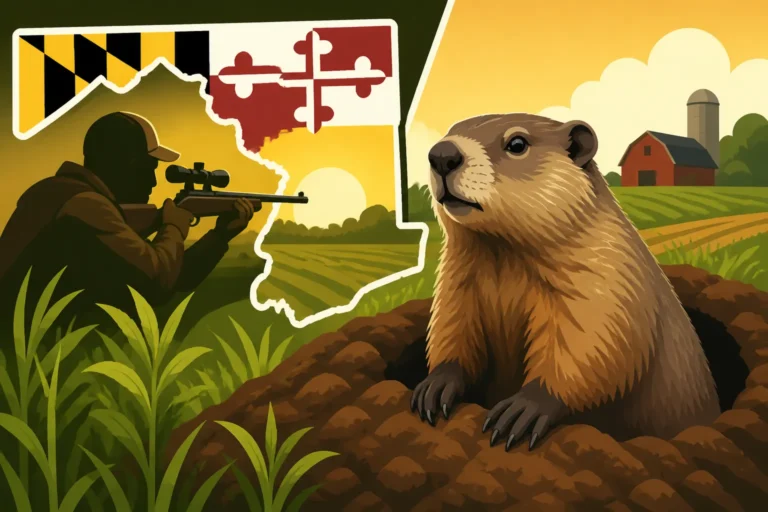
Maryland groundhogs on agricultural land cause crop damage and equipment hazards, requiring responsible hunting and management strategies.