Hunting the Woods Along the C&O Canal
If you're a hunter in Maryland, you know the struggle of finding quality public land that isn't overrun, or scouting a new spot that offers a genuinely unique challenge. While many flock to traditional wildlife management areas or state forests, there's a hidden gem that often gets overlooked: the historic C&O Canal National Historical Park. This linear park, stretching from Washington D.C. to Cumberland, offers fascinating and often underutilized opportunities for deer and small game, but it comes with its own set of rules and quirks that you absolutely need to understand before you head out. This guide will help you navigate the nuances of hunting these historic woods, from understanding access to employing effective tactics.
Navigating the C&O Canal's Unique Hunting Landscape
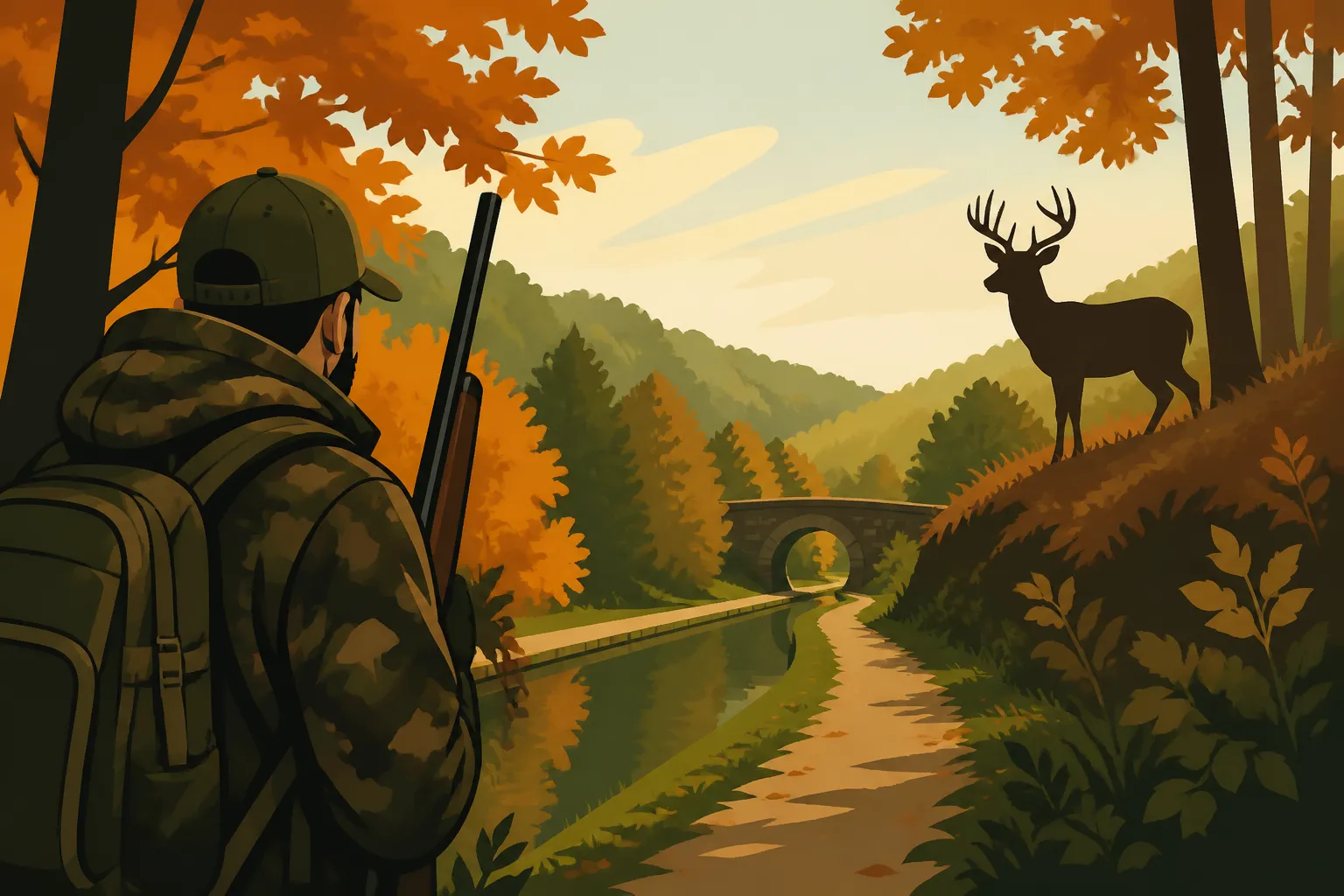
Hunting along the Chesapeake & Ohio Canal is an experience unlike many others in Maryland. It's not a vast, sprawling forest; instead, you're dealing with a long, narrow ribbon of land that weaves through varied landscapes, from suburban fringes to more remote mountainous terrain. This unique characteristic means your approach needs to be just as unique, with a keen eye for detail and respect for both the historical nature of the park and its many non-hunting users.
Understanding the Park's Regulations and Access Points
First and foremost, it's crucial to remember that the C&O Canal is a National Historical Park, managed by the National Park Service. This isn't your typical state-run Wildlife Management Area. The regulations can be a bit different, and it's absolutely vital to know what's allowed and, more importantly, what isn't. Not every inch of the C&O Canal is open to hunting, and within the open sections, there are often specific rules regarding weapon types, safety zones, and even the direction of fire. You're never going to have a successful or safe hunt if you don't do your homework on the local rules.
Many sections of the Canal National Historical Park are indeed open to hunting, primarily for white-tailed deer and various small game species. However, these areas are often confined to designated portions, usually where the park property widens or abuts less populated land. The towpath itself, being a multi-use trail, sees heavy foot, bike, and even horse traffic, especially closer to urban centers. This means that while you might be hunting near the towpath, you generally won't be hunting on it or directly adjacent to it where visitors are prevalent. Always check the current maps and regulations provided by the National Park Service and the Maryland Department of Natural Resources (DNR) to ensure you're in an open area and understand any specific permit requirements or restrictions for that particular section. For example, some areas might only be open to archery, while others further west might allow firearms during certain seasons. Ignorance of the law is never an excuse, and a friendly chat with a park ranger before your hunt can clear up a lot of confusion and prevent a ruined day. Remember, safety always comes first, not just for you, but for all users of the park.
Identifying Huntable Sections and Restricted Zones
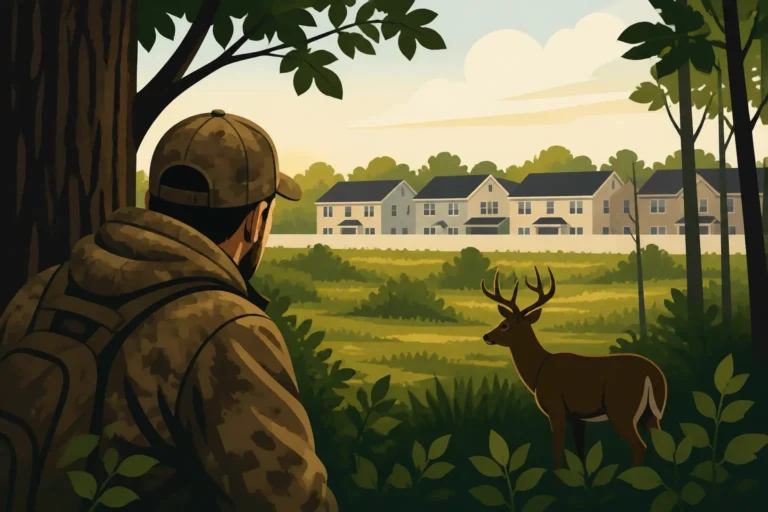
The C&O Canal spans over 184 miles, winding its way through Montgomery, Frederick, Washington, and Allegany counties in Maryland. This immense stretch means that "hunting the C&O Canal" isn't a single, uniform experience. The character of the land changes dramatically as you move west. Near Washington D.C. and Montgomery County, the park is narrow, highly used by recreationists, and often surrounded by suburban development. Hunting opportunities here are sparse and often limited to very specific, designated deer management areas, often with bow-only restrictions. As you head into Frederick and Washington counties, the canal begins to feel a bit more rural, with larger chunks of adjacent woodland. By the time you reach Allegany County in Western Maryland, it truly feels like a wild, remote hunting experience, with steep mountain slopes, dense forests, and significantly less public pressure.
Knowing these geographical shifts is key to planning your hunt. Don't assume that what applies to one section applies to another. For instance, in parts of Montgomery County, you might be restricted to Bowhunting Maryland Suburbs Where Rifles Are Banned during the early archery season, while farther west, firearms might be legal during general deer season. This geographical variation directly impacts species availability, hunting pressure, and the tactics you'll employ. It's not uncommon to find areas where the canal runs through state forest or Wildlife Management Area land, creating larger, more contiguous huntable parcels. Using a robust mapping app like onX Hunt can be incredibly helpful here. You can layer public land boundaries, mark historical points of interest like old lockhouses, and identify potential bedding areas or travel corridors that might go unnoticed on a traditional paper map. Before you even leave home, you can use these tools to scout out specific areas where the park property widens, or where a wooded ravine funnels deer toward the canal itself.
C&O Canal Hunting Zone Characteristics
| Region of Canal | Typical Hunting Access | Primary Game Species | Weapon Restrictions | Notable Features |
|---|---|---|---|---|
| Eastern (Montgomery, early Frederick) | Very Limited, Designated Areas | Deer (archery focused) | Archery only | High recreational use, suburban interface |
| Central (Frederick, Washington) | More Accessible, Wider Park Lands | Deer, Squirrel, Rabbit | Archery, Muzzleloader, some Firearms | Transition to rural, some state land abuts |
| Western (Allegany) | Most Extensive, Remote | Deer, Turkey, Bear (by permit), Small Game | Archery, Muzzleloader, Firearms | Rugged terrain, fewer people, larger forest blocks |
This table provides a generalized overview, and specific local regulations will always supersede it. Always check the DNR website and National Park Service specific regulations for the section you intend to hunt.
Strategies for Deer and Small Game Along the Canal
Once you've wrapped your head around the regulations and identified a promising section, it's time to think about tactics. The linear nature of the C&O Canal creates unique challenges and opportunities for both deer and small game hunters. Deer, in particular, often use the canal corridor as a travel route, providing predictable patterns if you know where to look.
Bowhunting Opportunities for Whitetails and Beyond
For many, especially those closer to the metropolitan areas, the C&O Canal presents some fantastic bowhunting opportunities for White-Tailed Deer in Maryland. The wooded strips along the canal, often bordered by private farmland or suburban developments, act as natural funnels. Deer will often travel along the towpath edges, or within the deeper woods that parallel the canal, moving between bedding areas and food sources. The key here is identifying those subtle funnels and pinch points. Think about where a creek bottom meets the canal, or where a ridge drops down to the water. These are natural crossing points or travel corridors.
Setting up a stand can be tricky due to the linear nature and often limited depth of the huntable area. You need to be acutely aware of your backdrop and potential shooting lanes that don't lead toward the towpath or private property. Early season, when foliage is thick, can offer good cover for close-range archery shots. Later in the season, when leaves are down, identifying bedding areas in thicker briar patches or overgrown creek bottoms becomes crucial. Deer often bed on the higher ground adjacent to the canal, then filter down to feed or water. Consider entry and exit routes very carefully; you don't want to spook deer or disturb other park users on your way in or out. Using the towpath for access before first light or after dark is generally permissible, but always proceed cautiously, with a headlamp, and with your weapon cased. Understanding the Maryland's Deer Bag Limits and Antler Rule for your specific region of the C&O is also important, as regulations can vary.
Pursuing Small Game in the Canal's Riparian Corridors
While deer hunting often takes center stage, don't overlook the excellent Small Game Species in Maryland opportunities along the C&O Canal. The diverse riparian habitat – that mix of water, woods, and brushy edges – is a haven for squirrels, rabbits, and sometimes even pheasants or grouse, particularly in the more remote western sections. Gray squirrels absolutely thrive in the mature hardwood bottoms that line many parts of the canal, especially where oak, hickory, and beech trees drop acorns. A slow, quiet still-hunt along these wooded banks, especially during the early morning or late afternoon, can be very productive. Look for nut cuttings at the base of trees or listen for their chatter.
Rabbits will typically be found in the thicker, brushier sections, particularly where overgrown fields or old fence rows meet the woods. These areas provide the dense cover they need to evade predators. A small game hunt along the canal could involve slowly working these thickets, perhaps with a dog where regulations allow, or simply being observant as you move through suitable habitat. In the western reaches of the canal, where the terrain gets steeper and wilder, you might even encounter ruffed grouse in dense cover, especially near stream beds and laurel thickets. Being able to adapt your approach to the subtle changes in habitat as you walk the canal is key to finding consistent success with small game. Remember, too, to consider How Much Blaze Orange Maryland Requires for safety, especially when pursuing small game or if hunting during a firearms deer season.
Preparation and Essential Tools for a Successful Canal Hunt
Hunting the C&O Canal isn't just about knowing the game and the rules; it's about being prepared for the unique challenges of a linear park. You're likely to be walking a good distance, navigating varying terrain, and always sharing the space with others. A little planning and the right tools can make all the difference between a frustrating day and a successful, enjoyable hunt.
Utilizing Mapping Tools for Effective Scouting
This cannot be stressed enough: good mapping is your best friend when hunting the C&O Canal. Unlike a large block of public land where boundaries are often clear, the park's linear nature means property lines can be intricate, and huntable zones can be narrow. This is where modern hunting apps truly shine. Brands like onX Hunt or GoHunt allow you to download offline maps, essential since cell service can be spotty in some of the more remote sections. You can clearly see the C&O Canal National Historical Park boundaries, adjacent public lands like state forests or WMAs, and even private land boundaries. This is critical for staying legal and avoiding trespass, which is a common concern in areas where public and private land intertwine.
Before you even step foot on the ground, use these apps to digitally scout. Look for topographical features like draws, benches, and creek crossings that might funnel deer movement. Identify potential access points and plan your routes in a way that minimizes disturbance to other users and maximizes your chances of encountering game. Pay attention to satellite imagery for variations in timber, thickets, or old clearcuts. You can mark potential stand locations, food sources, and even historical structures that might offer a landmark. Knowing how to use these tools effectively is paramount for any hunter tackling this unique landscape. Beyond mapping, general Scouting Maryland Public Land Before Season principles still apply, such as looking for sign, understanding terrain, and assessing pressure.
Packing Smart for a Canal-Side Hunt
Given the likelihood of extensive walking and the varied conditions, packing smart is non-negotiable for a C&O Canal hunt. You'll need to be self-sufficient, as aid can be a long walk away.
Here's a breakdown of what to consider:
- Footwear: Waterproof, comfortable boots are essential. You'll be walking on the crushed stone towpath, through potentially muddy or wet woods, and possibly across small streams. Your feet will thank you.
- Layered Clothing: Maryland weather can be unpredictable. Dress in layers to adjust to changing temperatures, especially when you're alternating between walking vigorously and sitting still.
- Water and Snacks: Even on a short day hunt, staying hydrated and fueled is important. Pack more than you think you'll need.
- First-Aid Kit: A compact kit for minor cuts, blisters, and other common outdoor mishaps is always a good idea.
- Navigation Tools: Beyond your phone app, carry a physical map and compass as a backup, and know how to use them. While the canal itself is a great linear landmark, it's easy to get disoriented in the woods off the towpath.
- Safety Gear: A quality headlamp or flashlight is crucial, especially if you plan to be out before dawn or after dusk. A whistle can be useful for emergencies.
- Weapon and Ammunition: Ensure your chosen weapon is legal for the specific section and season you're hunting. Always follow Maryland's Legal Weapons by County guidelines. Carry enough ammunition, but don't overpack.
- Game Processing Supplies: If you're successful, you'll need gloves, a sharp knife, and game bags. Consider how you'll get your game out – a game cart might be useful if you're hunting further from vehicle access. Remember The Maryland Deer Registration Deadline After a Kill and how you'll manage that.
- Blaze Orange: Even if not strictly required for your specific season or weapon, wearing some blaze orange is a wise safety precaution, especially given the shared use of the park.
- Binoculars: Essential for spotting game in dense cover or across distances, and for identifying legal antlered deer.
The C&O Canal offers a truly unique hunting adventure in Maryland. It demands respect for its rules and its history, careful planning, and a willingness to explore. But for those who put in the effort, it can yield incredibly rewarding experiences, connecting you to both nature and a piece of Maryland's rich past.
Disclaimer
This article is for general informational purposes only and does not constitute professional advice. Laws, prices and regulations vary by location and change over time. Consult a qualified professional for guidance on your specific situation.