Guided Western Maryland Mountain Deer Hunts
Western Maryland’s mountains are absolutely gorgeous, but let’s be real – they can be a beast to hunt if you’re not familiar with the terrain. The steep climbs, the dense timber, and the sheer vastness can leave even experienced hunters feeling overwhelmed and wondering where to even start looking for deer. This guide is all about exploring whether a guided Western Maryland mountain deer hunt is the right choice for you, covering what to expect and how to find a reputable outfitter to make your dream hunt a reality.
Why Consider a Guided Hunt in Western Maryland’s Rugged Terrain
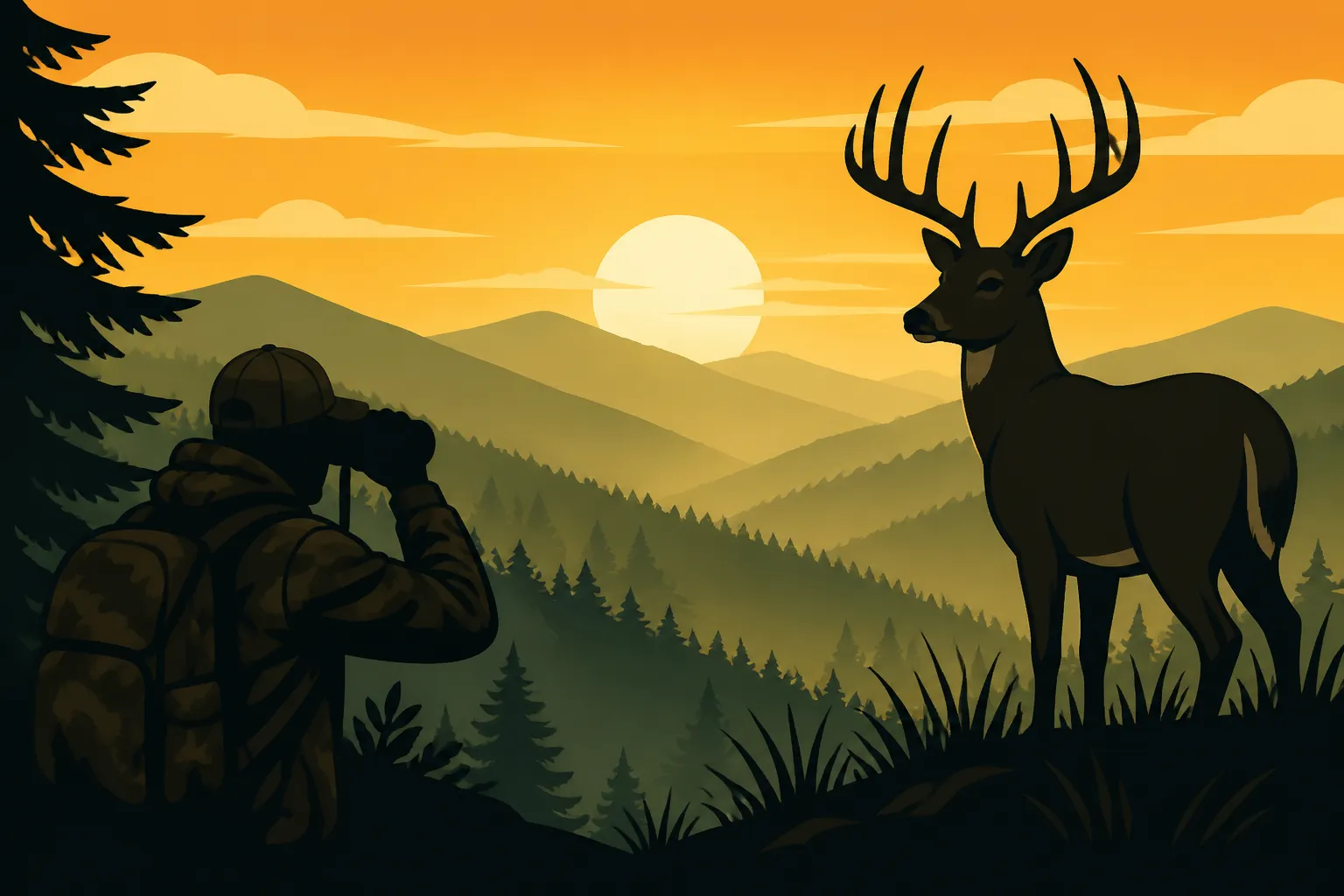
When you picture deer hunting in Maryland, a lot of folks immediately think of the Eastern Shore’s agricultural fields or the suburban woodlots. But Western Maryland, particularly counties like Garrett and Allegany, offers a completely different experience. We're talking about serious mountain country, with steep ridges, deep hollows, and vast tracts of state forest land. This unique landscape, while incredibly beautiful, presents a whole different set of challenges that can make a guided hunt a really appealing option.
Navigating the Challenges of Mountain Hunting
Unlike flatter, more open terrain, mountain hunting is a full-body workout. The deer here are often accustomed to much less human pressure than their counterparts in more populated areas, but finding them can feel like searching for a needle in a haystack. You’re dealing with significant elevation changes, which impact everything from thermals and wind currents to where deer will bed and feed. It's not uncommon to spend hours still-hunting through thick timber, only to realize you've missed a key saddle or bench that deer are using.
The sheer scale of public lands like Savage River State Forest or Green Ridge State Forest can be daunting. You might drive for miles and see nothing but unbroken forest, and without local knowledge, it’s tough to pinpoint those crucial areas where deer are concentrated. A guide, however, lives and breathes this territory. They know the seasonal patterns, the preferred bedding areas, and the subtle funnels that might only be visible to someone who has spent countless hours scouting boots on the ground. They can help you understand Reading Sign in Maryland Mountain Timber in a way you never could on your own.
The Value of Local Expertise and Scouting
Think of a guide as your shortcut to years of hard-won knowledge. These folks have scouted extensively, likely since before you even thought about hunting these mountains. They know where the acorn crops were good last year, which south-facing slopes melt out first in winter, and which remote hollows hold mature bucks. This isn't just about showing you where to park; it's about understanding the nuances of the terrain and the deer that call it home.
A guide can save you weeks, if not months, of pre-season scouting. They'll have a game plan based on current conditions, whether that's targeting a specific ridgetop bench or slipping into a remote creek bottom. They often have access to private land parcels mixed in with public ground, giving them even more options and potentially less pressured deer. This kind of intimate local knowledge is invaluable, especially if you're traveling from out of state or have limited time to hunt.
What to Expect on a Guided Western Maryland Deer Hunt
A guided hunt in Western Maryland isn't just about pointing you to a tree stand. It's an immersive experience designed to maximize your chances of success and ensure you have a safe, memorable trip in some of Maryland's most wild country. The specifics can vary from one outfitter to another, but there are some common elements you can generally count on.
Typical Hunting Tactics and Terrain
Expect to be hunting challenging, often steep terrain. Your guide will likely employ a mix of tactics tailored to the conditions and the time of year. Still-hunting, where you move very slowly and deliberately through the woods, stopping frequently to glass and listen, is a common method. This allows you to cover ground and capitalize on the guide's ability to spot subtle deer sign or movement that you might otherwise miss. You might be Still-Hunting a Savage River Oak Flat or working a thick laurel patch.
Another common tactic is stand hunting, where you'll be placed in a pre-scouted location, often an elevated treestand or a ground blind, overlooking a travel corridor, a food source, or a bedding area. These stands are typically placed in key areas like saddles between ridges, pinch points along creek bottoms, or near a preferred food source like acorns. Your guide will often set you up before daylight and pick you up after dark, explaining the plan for the day and what to expect. This is where their intimate knowledge of Wind and Thermals in Western Maryland Terrain really shines, ensuring your scent is carried away from where deer are expected to travel.
You might also engage in some strategic "pushes" or small drives, especially if hunting as part of a group. This isn't the chaotic drive you might imagine, but a controlled movement of hunters to slowly push deer towards other waiting hunters in strategic escape routes. Always discuss the specific hunting methods with your guide beforehand so you know what to prepare for.
Logistics and Support Provided by the Guide
The beauty of a guided hunt is that much of the logistical headache is taken off your plate. Your guide will often provide transportation to and from the hunting areas, especially those remote spots that require 4×4 vehicles or a good hike. They'll have a keen understanding of public land permits and specific hunting zones, ensuring you're always hunting legally.
Beyond getting you to the stand, a good guide will assist with tracking and recovery if you make a successful shot – which, let's be honest, can be an immense challenge in dense mountain cover. They'll also typically help with field dressing your deer and getting it out of the woods, sometimes using ATVs or even pack animals in really tough spots. This is a huge benefit when you’re miles back in a hollow. They can also advise on local deer processors and taxidermists, streamlining the post-harvest process. For out-of-state hunters, this support is invaluable in navigating Maryland's specific regulations and processing options.
You'll usually meet your guide each morning before daylight, receive a briefing on the day's plan, and then head out. Meals and lodging might be included in a multi-day package, or they might be separate, requiring you to arrange your own stay in towns like Cumberland, Grantsville, or Deep Creek Lake. Always clarify what's included in your package.
Choosing the Right Guide for Your Western Maryland Adventure
Finding the right guide is paramount to a successful and enjoyable experience. Just like any service, quality can vary, so doing your homework is essential. You want someone knowledgeable, ethical, and who aligns with your hunting style and expectations. Websites like BookYourHunt are a great place to start looking for reputable outfits, as they often include reviews and detailed package information.
Key Questions to Ask Potential Outfitters
Before you commit to a booking, have a comprehensive conversation with any potential guide or outfitter. Don't be shy; this is your investment in a memorable hunting experience. Here are some critical questions to ask:
- What is your experience specifically in Western Maryland? Look for guides with deep roots and extensive experience in the region, not just general hunting experience.
- What type of terrain will we be hunting? Be specific. Ask about elevation changes, typical cover, and how much walking you can expect. This helps you gauge physical fitness requirements.
- What hunting methods do you primarily use? Do they focus on still-hunting, stand hunting, or a mix? Does this align with your preferences?
- What is your success rate, and what does that mean? Be wary of guarantees. A reputable guide will discuss opportunities and realistic expectations, not just trophy photos. Ask for references, if possible.
- What's included in the package price? Clarify everything: lodging, meals, transportation, field dressing, caping, game retrieval. What about licenses and stamps? (Remember, you'll still need your Maryland Resident License Options or non-resident equivalent).
- What is the typical group size and hunter-to-guide ratio? One-on-one guiding offers more personalized attention, but small groups can also be effective.
- What are your policies on cancellations and deposits? Understand the financial commitments upfront.
- What gear do I need to bring? They should provide a detailed list.
- How do you handle wounded game? A responsible guide will have a clear plan for tracking and recovery, even if it takes days.
Red Flags and What to Look For
While most outfitters are legitimate, it’s good to be aware of potential red flags. Be cautious of anyone who offers guaranteed kills or uses overly aggressive sales tactics. A truly great guide will manage expectations realistically. Be sure to check their licensing; reputable guides will be properly licensed by the state of Maryland. You can often verify this through the Maryland Department of Natural Resources.
Look for transparency in their communication. Are they willing to answer all your questions thoroughly, or do they seem evasive? Are their rates clearly laid out? Does their website or social media reflect positive client experiences? Word-of-mouth is still incredibly powerful, so if you know anyone who has used a guide in Western Maryland, ask for their honest opinion. Tools like GoHunt can also offer insights into reputable outfitters and even help you research the area independently before reaching out to guides.
Another good sign is an outfitter who emphasizes safety. Mountain hunting comes with inherent risks, from falls to getting disoriented. A guide who stresses safety protocols, carries first aid, and has communication plans in remote areas is someone you can trust.
Preparing for Your Guided Hunt in the Mountains
Even with a top-notch guide, your personal preparation plays a huge role in the success of your hunt. Western Maryland’s mountains demand a certain level of physical fitness and the right gear. Don't underestimate either!
Physical Fitness and Gear Essentials
You absolutely cannot skip the physical preparation for a mountain hunt. Expect to walk long distances, often uphill, through uneven and sometimes treacherous terrain. Start a walking or hiking regimen well in advance, incorporating hills or stairs if possible. The better shape you’re in, the more enjoyable your hunt will be, and the better you’ll be able to capitalize on opportunities when they arise. You don't want to be winded when that trophy buck steps out.
When it comes to gear, layers are your best friend. Mountain weather can change quickly. What starts as a crisp, cool morning can turn into a warm midday, only to have temperatures plummet again by evening. Think wicking base layers, insulating mid-layers, and a waterproof/windproof outer shell. Sturdy, broken-in hiking boots with good ankle support are non-negotiable. Don't show up with brand new boots and expect to avoid blisters.
Here’s a quick overview of some essential gear:
| Category | Essential Items | Why It's Important |
|---|---|---|
| Clothing | Layered System (base, mid, outer) | Adapts to changing mountain weather, wicks moisture, provides warmth. |
| Waterproof/Windproof Outer Shell | Protection from rain, snow, and biting winds. | |
| Durable Hunting Pants & Jacket | Withstands brush and briars, provides camouflage. | |
| Warm Hat, Gloves, Neck Gaiter | Critical for retaining body heat, especially at dawn/dusk. | |
| Blaze Orange (as required) | How Much Blaze Orange Maryland Requires for safety. | |
| Footwear | Sturdy, Waterproof Hiking Boots (broken-in!) | Essential for traction, ankle support, and comfort on uneven terrain. |
| Wool or Synthetic Socks | Wicks moisture, prevents blisters, provides insulation. | |
| Optics | Binoculars (10×42 or similar) | Crucial for spotting deer at a distance in dense cover and open timber. |
| Rangefinder | Accurate shot placement in varying terrain. | |
| Navigation | GPS device or reliable mapping app (GoHunt, onX) | Although guided, backup navigation is always wise, especially in large forests. |
| Compass & Paper Map (backup) | Non-electronic navigation in case of battery failure. | |
| Safety/Comfort | Headlamp with extra batteries | For pre-dawn walks and after-dark tracking. |
| Small First Aid Kit | For minor cuts, scrapes, and blisters. | |
| Water Bottle/Hydration Pack | Staying hydrated on strenuous climbs is vital. | |
| High-Energy Snacks | Sustains energy throughout long hunting days. | |
| Knife (sharp) & Field Dressing Gloves | For processing game. | |
| Weapon | Your chosen firearm/bow & ammunition | Familiarize yourself with Maryland's Maryland's Legal Weapons by County rules. |
Don't forget to practice with your weapon under conditions similar to what you'll encounter. Practice shooting from various positions, including uphill and downhill, as these shots can be tricky in mountain terrain.
Licensing and Permitting Requirements
Before you even step foot in the woods, you need to ensure all your Maryland hunting licenses and permits are in order. This is one area where a guide can offer advice, but ultimately, it's your responsibility. You'll need a base hunting license, which varies in cost for residents and non-residents. On top of that, you'll need a Maryland Bow and Arrow Stamp or a Maryland Firearms Stamp, depending on your chosen weapon. Make sure you understand Maryland's Deer Bag Limits and Antler Rule for Region A, which covers Western Maryland.
If you're hunting black bear (which is an entirely different season and lottery, but they inhabit the same mountains), that requires special permits. It's always best to purchase your licenses and stamps well in advance through the Maryland Department of Natural Resources' COMPASS system. Don't wait until the last minute! Your guide will appreciate you being prepared.
A guided Western Maryland mountain deer hunt can truly be the experience of a lifetime. It combines the thrill of pursuing deer in a challenging, wild landscape with the invaluable support of local expertise. By understanding what to expect, choosing your guide wisely, and preparing thoroughly, you’re setting yourself up for an unforgettable adventure.
Disclaimer
This article is for general informational purposes only and does not constitute professional advice. Laws, prices and regulations vary by location and change over time. Consult a qualified professional for guidance on your specific situation.