Group Size and Hunter to Guide Ratio
It's easy to get caught up in the excitement of planning a Maryland hunting trip, imagining the moment you call a gobbler into range or watch a flock of geese cup their wings. But often, hunters overlook one critical detail that can make or break their experience: the group size and the hunter-to-guide ratio. This often-underestimated factor directly impacts everything from personalized attention and shot opportunities to the overall camaraderie and safety of your adventure. This guide will walk you through what these ratios mean, what to expect in Maryland, and how to choose the best setup for your ideal guided hunt.
Understanding Standard Group Sizes in Maryland Guided Hunts
When you're looking into a guided hunt in Maryland, the size of your group can vary widely depending on the species you're targeting, the type of hunt, and the outfitter's specific operation. It's not a one-size-fits-all situation, and understanding these nuances will help you set realistic expectations and choose the right trip.
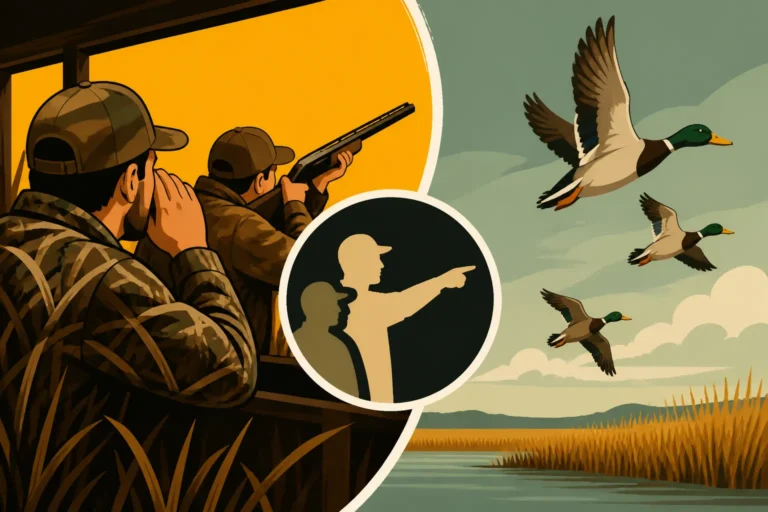
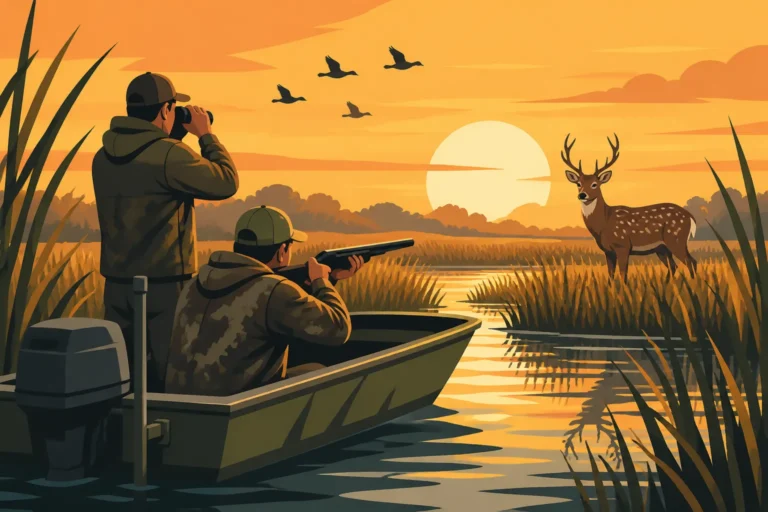
For instance, if you're chasing waterfowl on the Eastern Shore, especially in a traditional pit blind or a permanent field blind, you'll often find yourself as part of a larger group. These setups are designed to accommodate multiple hunters, sometimes four to six or even more, comfortably sharing a blind while calling in Canada geese or ducks over a large decoy spread. The social aspect is a big draw here; it's a shared experience, often with a lot of banter and collective excitement when birds commit. However, it also means less individual attention from the guide, who is managing the whole spread, calling the birds, and ensuring everyone's safety. For a thrilling duck hunt, you might be in a layout boat with a smaller group, but still sharing a guide.
Deer hunts, particularly for Maryland's abundant whitetails or the elusive sika deer, tend to involve smaller groups. If you're hunting from tree stands or ground blinds, an outfitter might place several hunters in different locations on a large property, with one or two guides checking in periodically, helping with recovery, and providing general guidance. A typical deer hunting group might be two to four hunters, often friends or family who booked together. For a specialized experience, like Bowhunting Maryland's Long Archery Season or Sika Deer Hunting in Maryland's Tidal Marshes, you might even find opportunities for individual setups, where you're truly alone with your thoughts and the environment, with the guide focused on your specific location and strategy.
Turkey hunting in Maryland, especially spring gobblers, often leans towards even more intimate groups. You'll typically be hunting with a 1:1 or 2:1 hunter-to-guide ratio, as calling in a wary tom requires intense focus, precise setup, and quick decisions that are best made with minimal distraction. Imagine trying to sneak through the woods, set up against a tree, and call a gobbler with a crowd of people; it's just not practical or effective. This smaller group allows the guide to really concentrate on your hunt, from scouting to calling to shot placement.
The pros of a larger group often center on cost-sharing and the social experience. It's usually less expensive per person, and you get to share stories and laughs in the field. The downside can be less one-on-one interaction with your guide, potentially fewer shooting opportunities if the action isn't widespread, and sometimes a compromise on personal preferences. Conversely, a smaller group or solo hunt offers intense focus, personalized guidance, and a more intimate connection with the hunt itself, but generally comes at a higher price point. If you're a solo hunter, you might be paired with other solo hunters to form a small group, which can be a great way to meet new hunting partners. Platforms like BookYourHunt often allow you to specify your group size when searching for guided trips.
Deciphering the Hunter-to-Guide Ratio and What It Means for You
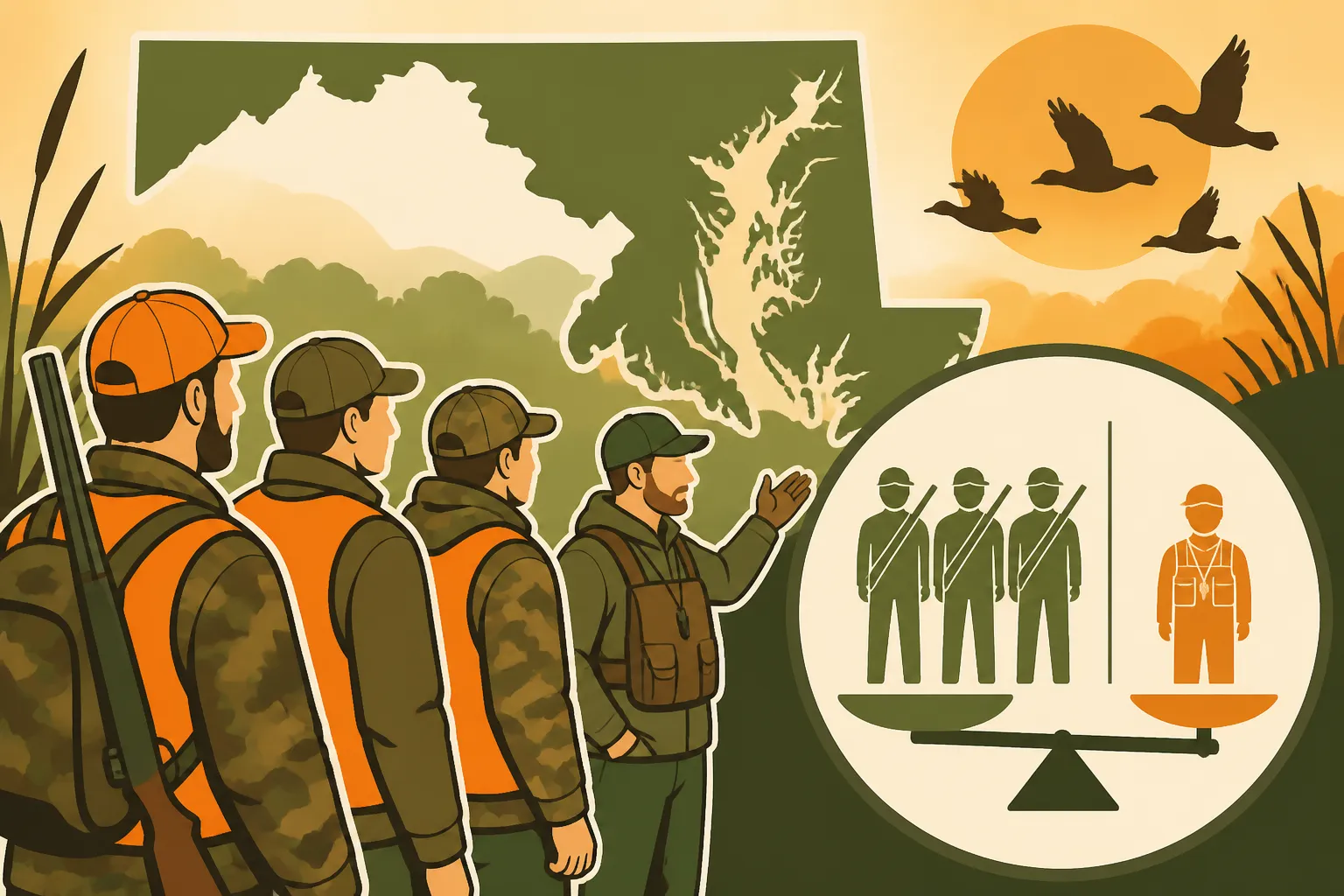
The hunter-to-guide ratio is precisely what it sounds like: the number of hunters assigned to a single guide. This ratio is a huge indicator of the level of personal service and direct instruction you can expect during your guided hunt in Maryland. It's crucial to understand these ratios before booking, as they directly influence your experience, safety, and potential success.
1:1 Ratio (One Hunter, One Guide): This is the pinnacle of personalized attention. When you have a dedicated guide, every aspect of the hunt is tailored to you. The guide can focus entirely on your physical abilities, your hunting experience, your preferred method (like still-hunting or sitting a stand), and your specific goals—whether it's harvesting a trophy, learning new skills, or simply enjoying the outdoors. This ratio is often sought after by first-time hunters who need extensive instruction, seasoned hunters pursuing a specific animal with unique challenges, or those with mobility issues requiring constant support. Naturally, this level of individualized service typically comes with the highest price tag, but for many, the quality of the experience makes it worth every penny. For example, a specialized Sika Deer Hunting in Maryland's Tidal Marshes trip might be 1:1 due to the challenging terrain and the need for constant guidance.
2:1 Ratio (Two Hunters, One Guide): This is a very common and popular ratio, particularly for deer and turkey hunts. It strikes a good balance between personalized attention and cost-effectiveness. Often, this setup is perfect for two hunting buddies, a parent and child, or a couple. The guide can still provide significant attention, positioning both hunters for shots, assisting with game recovery, and sharing local knowledge. While not as intensely personal as 1:1, it allows for good communication and coordination, ensuring both hunters have a quality experience. For instance, if you're looking for Hunting the Rut in Early to Mid November for whitetails, a 2:1 ratio can work wonderfully with a guide positioning you both effectively.
Higher Ratios (3:1, 4:1, or more – Multiple Hunters, One Guide): These ratios are most frequently encountered in waterfowl hunting scenarios, such as Goose Hunting Maryland's Eastern Shore Grain Fields or Decoying Divers on Maryland's Open Bay. In a fixed blind situation, one guide can effectively manage a spread of decoys, call birds, and oversee the safety of several hunters. The trade-off here is less individual instruction and more of a group dynamic. Shots are called by the guide, and hunters take turns or shoot as a group when the birds are in range. This setup is generally the most budget-friendly per person. While it might not be ideal for a hunter seeking intensive coaching, it's perfect for a social hunt with friends or for experienced waterfowlers who are comfortable with the rhythm of a group hunt.
The ratio significantly impacts safety. A lower hunter-to-guide ratio generally means more direct supervision and quicker responses to any safety concerns. Shot opportunities can also be affected; with a 1:1 ratio, the guide is focused solely on getting you a shot. In a 4:1 scenario, the guide is trying to ensure everyone gets a fair chance, which might mean waiting for the perfect group of birds or directing different hunters at different targets. When you're contacting an outfitter, always ask directly about their typical hunter-to-guide ratio for the specific hunt you're interested in. It's a key question, and a reputable outfitter will be transparent about it.
Choosing the Right Group Size and Ratio for Your Maryland Adventure
Selecting the appropriate group size and hunter-to-guide ratio is more than just a logistical detail; it's about aligning the hunt with your personal expectations and what you hope to gain from the experience. It's the difference between a trip that exceeds your hopes and one that leaves you feeling underwhelmed.
First, consider your hunting experience level. Are you a complete novice looking to learn the ropes, or are you a seasoned veteran seeking a specific challenge? For beginners, a 1:1 or 2:1 ratio is often invaluable. A dedicated guide can teach you everything from tracking and reading sign to proper shot placement and field dressing, transforming the hunt into an incredible learning experience. Think about Maryland Hunter Education Requirements – a guided trip with a good ratio can reinforce those lessons in a practical setting. For an experienced hunter, a higher ratio might be perfectly fine if you're comfortable and just want to be put in a good spot with competent management.
Your budget will inevitably play a role. Generally, the more personalized the experience (i.e., a lower hunter-to-guide ratio), the higher the cost per person. If you're looking to save money, joining a larger group for a waterfowl hunt or a deer drive will usually be more affordable. It's worth researching What a Maryland Guided Hunt Costs and comparing different outfitter offerings. Platforms like GoHunt often allow you to filter by the type of hunt and even sometimes by typical group size or ratio.
The type of game you're after is another major determinant. As discussed, turkey hunting often benefits from a 1:1 or 2:1 ratio due to the intimate nature of the pursuit. Waterfowl hunts, especially in blinds, are commonly 3:1 or 4:1 because the logistics of decoying and calling often lend themselves to a group effort. Deer hunting can fall anywhere in between, depending on whether it's a stand hunt, still-hunt, or a driven hunt.
Finally, think about your personal preference. Do you relish the camaraderie of a group hunt, sharing stories and snacks in a blind? Or do you prefer solitude, quiet contemplation, and a deep, personal connection with the wild? Some hunters view a guided trip as a chance to bond with friends or family, making a slightly larger group appealing. Others see it as an opportunity for intense focus and a singular pursuit, which a 1:1 ratio facilitates. It’s important to communicate these preferences clearly when you are inquiring about a hunt. Don't be shy about asking if an outfitter can accommodate a specific group size or if they offer different ratio options.
Here's a quick comparison of what different ratios might offer:
| Ratio | Typical Cost (Relative) | Hunter Attention | Social Aspect | Ideal For | Common Hunt Types |
|---|---|---|---|---|---|
| 1:1 | Highest | Maximum | Minimal / Private | Beginners, Trophy Hunters, Specific Goals | Turkey, Stalking Sika, Bear |
| 2:1 | Medium-High | High | Moderate | Friends/Family, Learning, Good Value | Deer, Turkey, Smaller Waterfowl |
| 3:1 – 4:1+ | Medium-Low | Moderate-Low | High | Social Hunts, Experienced Group Hunters | Waterfowl (Blinds), Deer Drives |
When you're ready to book, don't just assume. Ask the outfitter directly: "What's your typical hunter-to-guide ratio for this specific hunt?" and "What's the maximum group size in the field?" If you have a specific group of friends or family, confirm that they can accommodate your entire party together. Reputable outfitters, many of whom you can find on platforms like BookYourHunt, will be happy to discuss these details and ensure your expectations align with what they provide. Also, consider any specific needs, such as if you are booking for Maryland Youth and First-Timer Guided Hunts or Maryland Guided Hunts for Disabled Hunters, as these often require more dedicated guide attention.
Practical Considerations for Guided Group Hunts
Once you’ve settled on a group size and hunter-to-guide ratio for your Maryland hunting adventure, there are still a few practical considerations that will help ensure a smooth and enjoyable experience for everyone involved. Good preparation and clear communication are key, especially when you're sharing the field with others and relying on a guide.
Communication within the Group and with the Guide: Before the hunt even begins, establish clear communication channels. If you're part of a pre-formed group (like friends or family), discuss your individual expectations and preferences. Does someone want to focus on taking a big buck, while another is happy to just fill an antlerless tag? Knowing these things beforehand can prevent misunderstandings in the field. Once with your guide, listen attentively to their instructions. They know the property, the game movements, and the safety protocols best. Don't hesitate to ask questions, but do so respectfully and at appropriate times. A guide might lay out rules about who shoots first or how to communicate silently in a blind; adhere to these for the best experience. Understanding Blind Etiquette on a Guided Waterfowl Hunt or Shooting Order and Who Calls the Shot is crucial.
Hunter Etiquette and Safety: This is paramount, especially in group settings. Always keep your firearm pointed in a safe direction, be aware of your muzzle, and know your shooting lanes and what's beyond your target. In a waterfowl blind, never get up or move around without the guide's explicit instruction. For deer hunting from stands, always use a safety harness. A good guide will emphasize safety, but it's ultimately every hunter's responsibility. Be respectful of your fellow hunters; this includes noise levels, scent control, and personal space. Remember, you're a team with a shared goal.
Splitting Game and Tags: For deer or bear hunts, if multiple hunters in a group harvest game, clarify with the outfitter how tags will be used and how game might be divided or processed. Maryland has specific Maryland's Deer Bag Limits and Antler Rule and Maryland's Black Bear Lottery rules that a guide will help you navigate. Sometimes, a group will pool their tags for antlerless deer, or if a specific hunt allows for multiple animals, discuss who gets which animal if, for example, two sika stags are taken at once. Most outfitters will help facilitate game processing and taxidermy, but it’s good to understand who covers which costs and how the logistics work. Knowing Registering a Maryland Deer by Phone or App is something your guide will assist with.
Varied Skill Levels: It's common for a group to have hunters of different skill levels. If you're a more experienced hunter, offer quiet encouragement and support to less experienced members. If you're new, don't be afraid to ask for help or clarification from your guide. A good guide will try to cater to everyone's needs, perhaps providing extra pointers to a novice while letting a veteran handle their own shot setup. This flexibility is often easier to achieve with smaller hunter-to-guide ratios.
Gear and Logistics: Different group sizes can impact what gear you need to bring and how logistics are handled. For larger waterfowl groups, the outfitter often provides all the decoys, blinds, and even transportation to the blind. For smaller, more mobile deer or turkey hunts, you might need to bring more of your own personal hunting gear, though the guide will handle the primary setup. Always clarify What Guides Supply Versus What You Bring well in advance. Consider travel logistics to the hunting area, especially if you're coming from out of state. Some outfitters offer lodging, or can recommend places to stay, like Maryland Hunting Lodges on the Eastern Shore or Lodging Near Maryland's Western Mountains. Plan for any specific gear needs, like extra warm layers for cold Muzzleloader Deer Hunting in Maryland in winter, or hip boots for Wading Into a Dorchester Marsh Before Daylight.
By thinking through these practical aspects, you can ensure that your guided Maryland hunting trip, regardless of group size or ratio, is a safe, productive, and memorable experience for everyone involved.
Disclaimer
This article is for general informational purposes only and does not constitute professional advice. Laws, prices and regulations vary by location and change over time. Consult a qualified professional for guidance on your specific situation.