Blind Etiquette on a Guided Waterfowl Hunt
Ever felt like you’re walking into someone else’s carefully choreographed dance when you step into a guided waterfowl blind? It can be a little intimidating, right? You want to be a good sport, make sure everyone has a great time, and most importantly, actually get some birds. This guide is all about helping you understand the unwritten rules of blind etiquette on a guided Maryland waterfowl hunt, ensuring your experience is smooth, successful, and respectful for everyone involved.
Understanding the Dynamics of a Guided Waterfowl Hunt
Stepping into a guided waterfowl hunt, especially for the first time, can feel a bit like being the new kid in school. There are unspoken rules, established routines, and a whole lot of trust placed in your guide. It's not just about showing up with a shotgun and shells; it's about becoming part of a temporary team with a common goal: a successful hunt. The guide has spent countless hours scouting, setting up, and preparing, and your understanding of blind etiquette directly contributes to the hunt's outcome for everyone present.
Why Etiquette Matters in the Blind
A waterfowl blind, whether it's a permanent pit blind on a grain field, a layout blind in cut corn, or a shore blind overlooking the Chesapeake Bay, is a confined space. It's a shared environment where every hunter's actions impact the chances of success. Good etiquette isn't just about being polite; it's fundamental to hunting effectively. A bird's vision and hearing are incredibly keen, and any lapse in concealment or quiet can instantly flare a flock of ducks or geese, sending them winging to another county.
Think of it like this: if one person is fidgeting, looking over the top of the blind, or chatting loudly, they're not just ruining their own chances. They're jeopardizing the hunt for the entire group, including the guide who relies on successful hunts for their livelihood and reputation. The collaborative nature of decoy spreads, calling, and shooting requires discipline and adherence to a common plan. When everyone is on the same page, the magic happens – those flocks commit, cupped wings descend, and shots are fired.
The Guide's Role and Authority
Your guide is essentially the captain of the ship. They've invested the time, money, and expertise to put you in the best possible position to harvest birds. Their knowledge of local patterns, bird behavior, weather conditions, and safe hunting practices is invaluable. This means their word is law in the blind. They're the ones who scouted the birds, set the decoys, and will make the crucial decisions on when to call, when to hide, and most importantly, when to shoot.
Respecting the guide's authority isn't about being subservient; it's about trusting their experience. They know the optimal shooting zones, the safe angles, and when a flock is truly committed enough for a shot. Trying to take matters into your own hands by calling without permission, standing up prematurely, or shooting too early can undo all their hard work in an instant. Remember, you're paying for their expertise, so leverage it by listening intently and following instructions. Many reputable guides can be found through services like BookYourHunt, and their listings often emphasize their experience and local knowledge.
Before the Hunt: Preparing for Success
The success of your guided waterfowl hunt begins long before you ever set foot in the blind. Proper preparation and clear communication with your guide can prevent misunderstandings and set a positive tone for the entire experience. It's not just about packing your gear; it's about mentally preparing to be a good hunting partner.
Communication is Key from the Start
Before your hunt, make sure you've had a thorough conversation with your guide. Don't be shy about asking questions! Clarify what you need to bring, what's provided, and any specific expectations they might have. Do they require specific camouflage patterns? Is there a particular shot size they prefer for geese versus ducks? What are the typical weather conditions for that time of year in Maryland, and how should you dress for them? Many guides will provide a packing list, but if they don't, ask for one.
If you have any physical limitations or health concerns, communicate them upfront. It's far better for a guide to know you might struggle with a long walk to a Marsh Hunting Sika Deer by Boat or have difficulty getting in and out of a layout blind before the hunt starts. This allows them to make accommodations or adjust plans rather than being surprised in the field. Websites like GoHunt often feature detailed profiles of guides, which can be a great starting point for understanding their operation and typical hunt styles, but a direct conversation is always best.
Gear and Personal Space Considerations
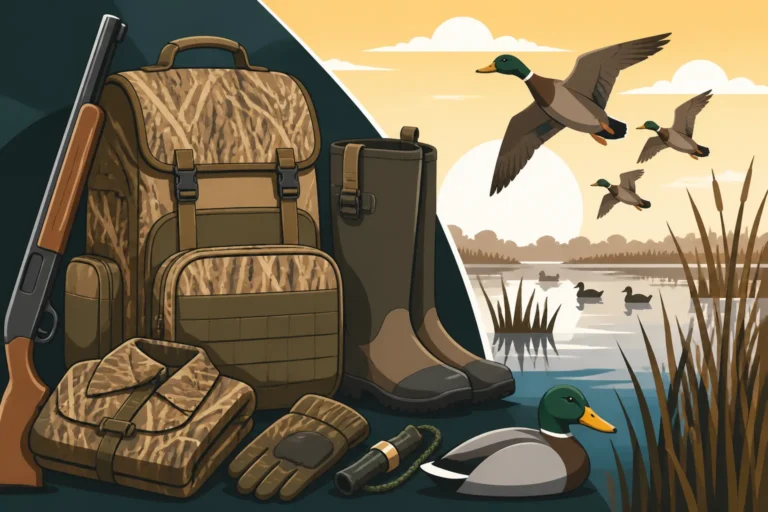
When packing your gear, less is often more, especially in the confined space of a blind. Bring essential items like your shotgun, ammunition, appropriate clothing, waders, food, water, and perhaps a small bag for personal items. Leave unnecessary bulk in your vehicle. A large, clunky backpack can quickly become an obstacle for everyone else. Think compact and efficient.
Once you’re in the blind, respect everyone’s personal space. Each hunter typically has a designated area. Keep your gear stowed neatly and within your own zone. Avoid spreading out, leaving items where others might trip, or obstructing the guide’s view or movement. If you're hunting in a pit blind, for example, your blind bag should be under the bench or against the wall, not sprawled across the floor. This also includes your firearm – always keep it pointed in a safe direction and within your immediate control.
During the Hunt: In the Blind and In Action
This is where the rubber meets the road. Once the birds are flying and the action starts, your adherence to blind etiquette becomes critical. These actions directly influence whether ducks and geese commit to the decoys or flair off at the last second.
Staying Concealed and Silent
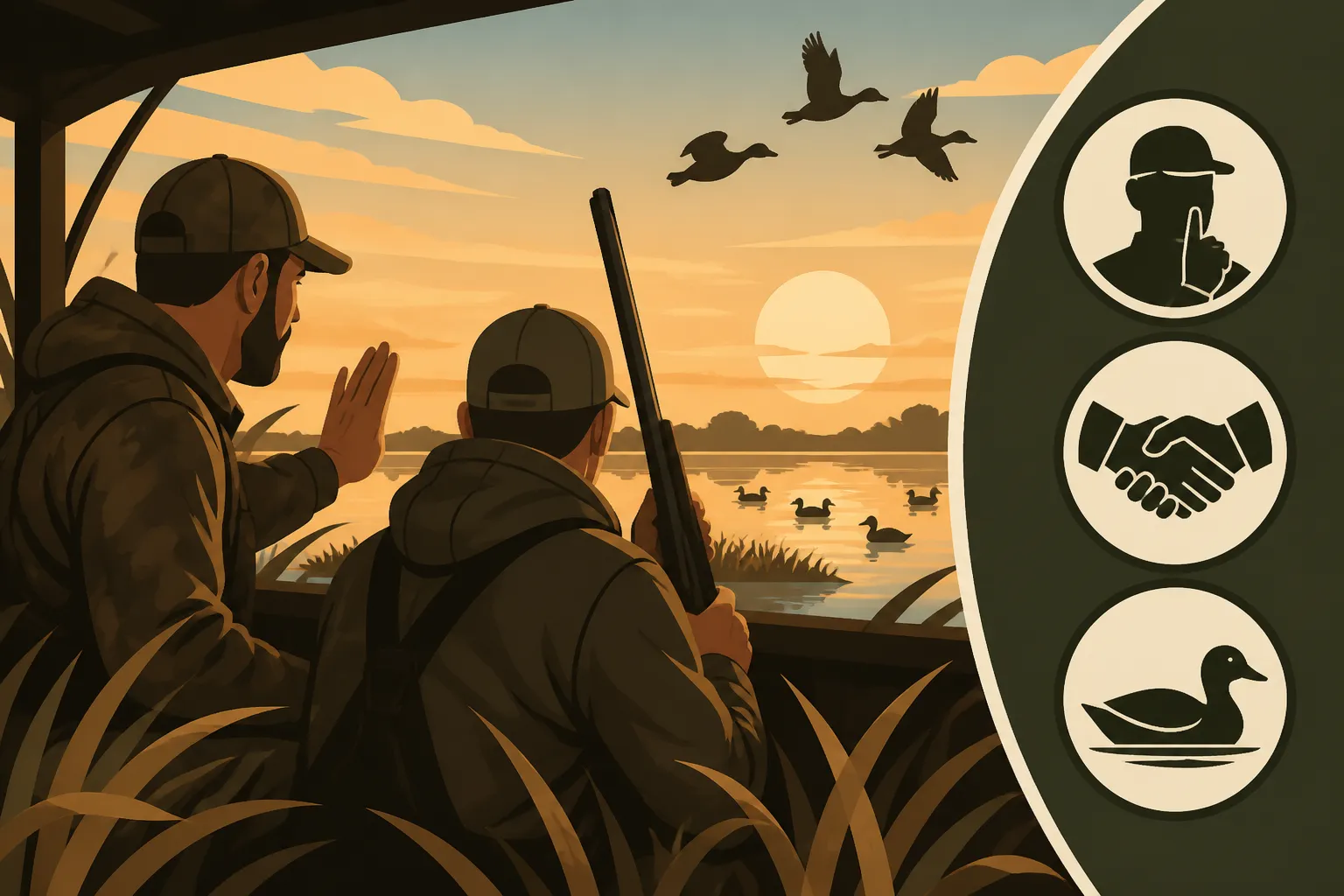
This is paramount. Waterfowl have incredible eyesight, often seeing in the ultraviolet spectrum, and they can pick out unnatural shapes or movements from a surprising distance. Even a slight fidget or a glance over the top of the blind can spook them. Once you’re in the blind, commit to becoming one with the concealment. Don’t stand up, peek over the edge, or try to take photos when birds are working. Stay low, stay still, and keep your face hidden. Many hunters wear face masks or paint their faces to break up their outline.
Silence is equally important. Keep conversations to an absolute minimum and at a whisper, if necessary, when birds are working or even when they're simply in the air in the distance. Leave your phone in your bag or on silent. A ringing phone or a loud voice can be just as effective at flaring birds as a hunter standing up. The guide will do the calling; your job is to remain a hidden, silent statue until instructed otherwise. This applies whether you're Hunting a Chesapeake Bay Blind at First Light or hunkered down in a field for Layout Hunting Canada Geese on the Upper Shore.
Shooting Zones and Calling the Shot
Perhaps the most critical piece of blind etiquette is understanding shooting zones and waiting for the guide’s "take 'em" command. Guides often position hunters in specific spots within the blind to cover particular shooting lanes, ensuring safety and maximizing the chances of hitting birds. Do not swing your gun across another hunter's shooting lane. Always be aware of your muzzle and where it's pointed.
The guide will make the call on when to shoot. This is not arbitrary; it's based on their assessment of the birds' commitment, distance, and safety. They want those birds right in the decoys, with feet down and wings set, giving everyone the best possible opportunity. Shooting too early, often called "sky-busting," pushes birds higher, making them harder to hit and educating them for future hunts. Wait for the explicit command, whether it's "take 'em," "kill 'em," or a sharp whistle. When the command comes, rise quickly, mount your gun, and shoot effectively.
Retrievers and Dog Etiquette
Many waterfowl guides bring their own well-trained retrievers, and these dogs are often the unsung heroes of the hunt. They are highly tuned to the guide’s commands and the dynamics of the hunt. It is absolutely crucial that you do not interfere with the dog. Do not pet the dog, talk to it, make eye contact, or give it commands unless specifically instructed by the guide. This can distract the dog, break its focus, and make it less effective at retrieving birds.
If a bird is down, let the guide’s dog do its job. It's a testament to countless hours of training. If you have your own dog, you must clear this with the guide well in advance. Some guides welcome guest dogs if they are well-behaved and experienced; others have strict policies against it due to space or potential conflicts with their own dogs. Always defer to the guide’s wishes regarding canine companions.
After the Hunt: Showing Appreciation and Respect
The hunt doesn't end when the shooting stops. How you conduct yourself after the birds are bagged is just as important as your behavior during the action. This is where you solidify your reputation as a respectful and considerate hunter.
Helping With Breakdown and Clean-Up
A guided hunt is a team effort, and that extends to the post-hunt chores. Don't just pack your gear and wait for the guide to do all the work. Offer to help with picking up decoys, retrieving any downed birds, breaking down the blind, and loading gear back onto the boat or truck. This simple gesture goes a long way in showing your appreciation for their hard work.
Many guides will have a system for packing up, so ask where you can lend a hand. Even carrying a single bag of decoys or your own empty shell box can make a difference. A clean blind is also part of the deal. Make sure you pick up all your spent shotgun shells, any wrappers from snacks, or other trash. Leave the area cleaner than you found it.
Tipping Your Guide
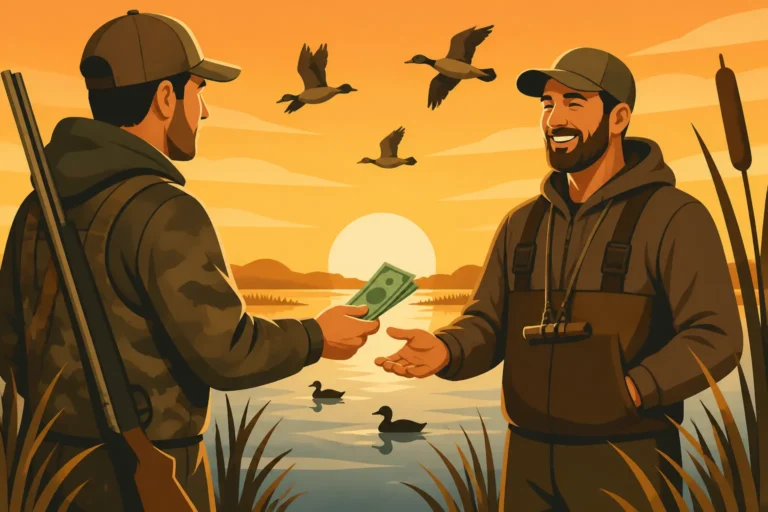
Tipping is a customary and expected part of a guided hunt, especially in the outdoor industry. These guides work incredibly hard, often putting in long, cold, and early hours to ensure your success. A tip is a direct way to acknowledge their effort, expertise, and the quality of the experience they provided. Think of it as compensation for their service, similar to tipping a waiter or a fishing charter captain.
While there's no hard and fast rule, a common guideline for tipping a waterfowl guide is usually a percentage of the hunt's cost or a set amount per hunter per day. This amount can vary based on the intensity of the hunt, the number of birds bagged, and the overall service. For more details, you might want to look into articles discussing How Much to Tip a Waterfowl Guide. Always have cash on hand for this purpose, as it's often preferred and easier for the guide. What a guided hunt costs and What a Guide Fee Usually Covers should be clear before booking, but the tip is always separate and at your discretion, based on service.
Handling Birds and Logistics
Once the hunt is over and the birds are retrieved, your guide will typically take care of tallying them, often breasting them out or preparing them for transport. If you're a nonresident, you'll want to be familiar with rules regarding Maryland Migratory Bird Stamp Requirements and Federal Duck Stamp Rules for Bird Hunters. The guide will often have a system for preparing your birds; simply follow their lead.
Make sure you know the rules for transporting your birds, especially if you're traveling out of state. It's crucial to leave one fully feathered wing on migratory birds until they reach your home for species identification purposes, or follow any specific state regulations. Ask your guide about local processing facilities if you're looking to have your birds professionally cleaned or even taxidermied. Good communication about these logistics ensures a smooth departure and compliance with all regulations. If you're wondering about Booking a Maryland Goose Hunt, guides will often walk you through these post-hunt processes.
Waterfowl Blind Etiquette: Do's and Don'ts
Here's a quick summary to help you remember the essentials of being a great hunting partner in the blind.
| Do's | Don'ts |
|---|---|
| Communicate openly with your guide | Shoot before the guide says "take 'em" |
| Stay concealed and still | Fidget, stand up, or peek over the blind |
| Remain silent when birds are working | Talk loudly or use your phone |
| Keep your firearm pointed in a safe direction | Swing your gun across another hunter's zone |
| Follow the guide's instructions precisely | Argue with the guide or question their judgment |
| Help with setup and breakdown | Leave trash or spent shells behind |
| Respect the guide's dog (no petting/commands) | Interfere with the retriever's work |
| Tip your guide appropriately | Expect the guide to do all the work |
| Ask questions proactively | Assume you know best |
Whether you're after Ducks of Maryland's Chesapeake Bay or Canada Geese on the Upper Eastern Shore, a respectful and prepared hunter makes all the difference. Understanding Maryland Waterfowl Zones and Season Dates and the nuances of the hunt itself helps, but etiquette is key. A good guide, like those found through GoHunt or BookYourHunt, will appreciate your effort to be a considerate client, and it will undoubtedly lead to a more enjoyable and successful experience for everyone in the blind.
Disclaimer
This article is for general informational purposes only and does not constitute professional advice. Laws, prices and regulations vary by location and change over time. Consult a qualified professional for guidance on your specific situation.