Guided Hunts With a Retriever Provided
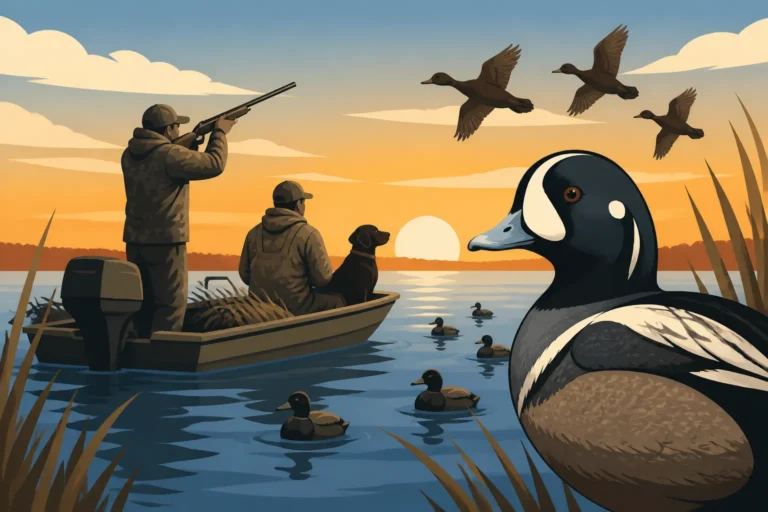
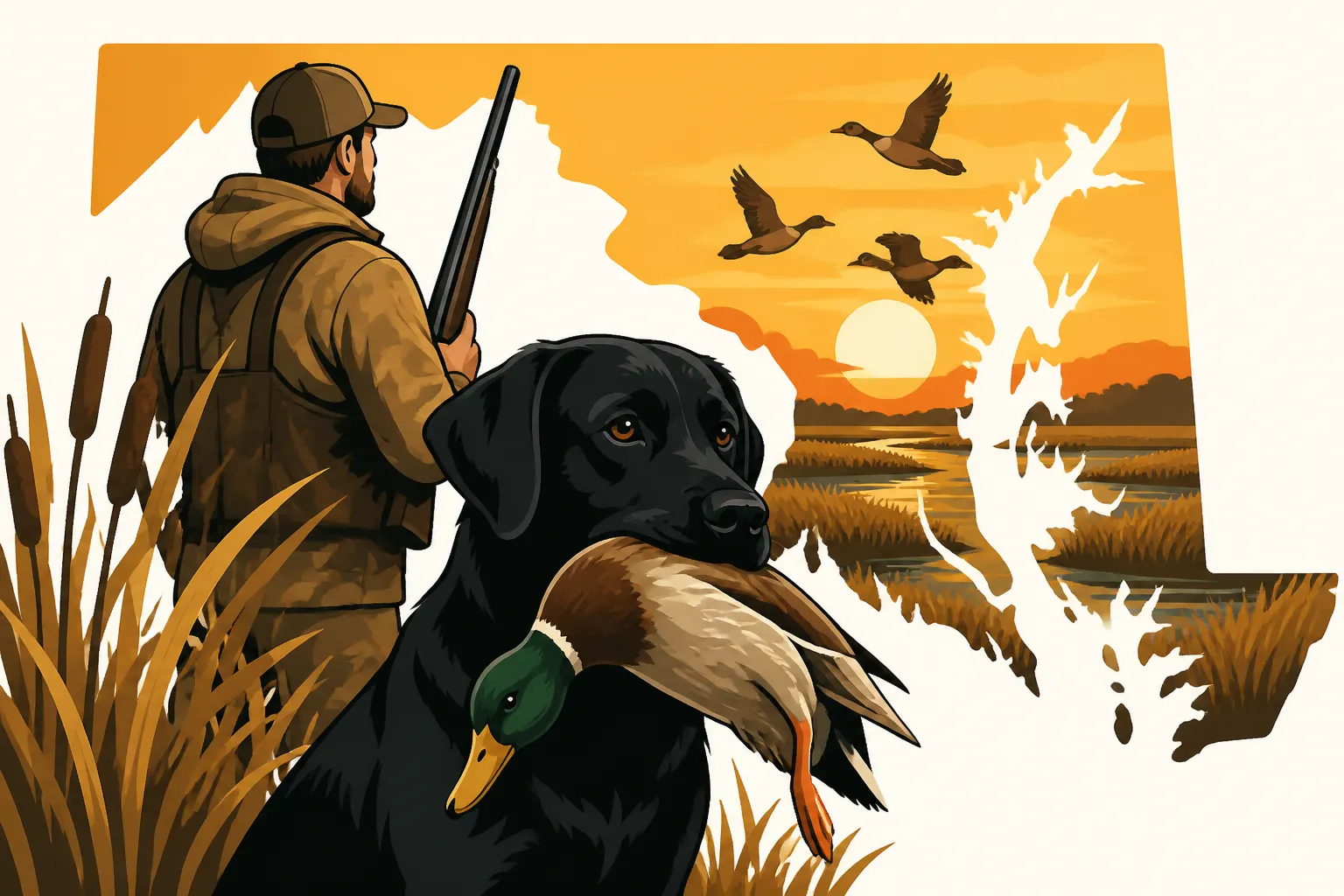
There's nothing quite as frustrating as making a perfect shot on a duck or goose, only to watch it fall into thick marsh grass or open water and then struggle to find it. The thought of a bird going unrecovered is something every ethical hunter dreads. That's where the invaluable asset of a well-trained retriever on a guided hunt comes into play, transforming a potentially heartbreaking search into a swift, efficient recovery, ensuring every effort counts and every bird is brought to hand. This guide will walk you through what to expect when you book a guided hunt that provides a retriever, helping you understand the immense value these canine companions bring to your experience on Maryland's rich hunting grounds.
The Unmatched Value of a Retriever-Provided Guided Hunt
Let's face it, not every hunter owns or trains a top-tier retriever, and even fewer have a dog specifically acclimated to the unique challenges of Maryland's diverse hunting landscapes, from the icy chop of the Chesapeake Bay to the tangled phragmites of a Dorchester marsh. When you book a guided hunt that includes a professional retriever, you're not just getting a dog; you're gaining an expert partner whose skills are finely tuned to maximize your success and minimize loss.
The Frustration of Lost Birds and Unrecovered Game
Picture this: you've set up a perfect decoy spread on a tidal gut, the wind is just right, and a flock of fat mallards commits. You make a clean shot, and the bird splashes down right in the middle of a dense patch of spartina grass. Without a dog, you'd likely spend precious minutes, possibly even longer, wading through the cold water and thick vegetation, hoping to stumble upon it. The longer you search, the higher the chance that the bird might drift away or simply disappear in the cover. This isn't just about losing a bird; it's about the emotional toll of knowing your shot went to waste and the ethical responsibility of recovering what you harvest. Hunters often recount tales of nearly giving up on a bird, only to have a guide's dog make an almost miraculous retrieve. This frustration is a common thread among hunters who primarily hunt without a canine partner.
The Skill and Training of a Professional Retriever
A guide's retriever isn't just a pet that fetches a stick. These dogs are highly specialized athletes, often of breeds like Labrador Retrievers, Chesapeake Bay Retrievers, or Golden Retrievers, bred and rigorously trained for generations to excel in retrieving game. They understand complex commands, can mark multiple falls, and possess an incredible sense of smell and an unwavering drive to find birds. In Maryland's challenging environments, whether it's navigating swift currents, breaking through ice, or pushing through nearly impenetrable marsh cover, a well-trained dog can access places a human simply cannot. Their keen senses often pick up scent trails or visual cues that are completely invisible to us. Their ability to work silently and efficiently, often waiting patiently in a blind for the "fetch" command, is a testament to countless hours of training and innate instinct. This level of professionalism is something you simply can't replicate with an untrained dog or by relying solely on human effort.
Focusing on the Hunt, Not the Search
One of the biggest advantages of a retriever-provided hunt is that it allows you, the hunter, to focus entirely on the experience of the hunt itself. Instead of constantly worrying about where a bird might fall and how you'll get to it, you can concentrate on calling, gunning, and enjoying the camaraderie. When a bird drops, you know that a capable four-legged partner is ready to spring into action at the guide's command. This frees up your mental energy, reduces stress, and allows you to truly immerse yourself in the moment. It means less time spent searching and more time spent anticipating the next flock, which ultimately makes for a much more enjoyable and productive outing. When you're out on the Chesapeake Bay Sea Duck Charters in Maryland or decoying geese on a farm field, having a reliable retriever ensures your focus stays on the sky and not on the long retrieve ahead.
What to Expect from a Retriever-Provided Hunt
Knowing what to expect from a hunt where a guide provides a retriever will help you prepare and ensure a smooth, enjoyable experience for everyone involved – especially the dog! It’s about understanding roles and respecting the professionalism of the guide and their animal.
Understanding the Dog's Role in the Blind or Boat
On a guided hunt, the retriever is an integral part of the guide's team, a professional asset, not just a friendly face. Typically, the dog will have a designated spot in the blind or boat, often on a platform or specific mat, where it is expected to remain calm and quiet until given a command. The guide will manage the dog directly, giving all the commands for marking falls, sending for retrieves, and returning the bird. Your job, as the hunter, is to focus on shooting and then staying out of the dog's way once it's sent. Avoid calling to the dog, pointing it out, or giving it any commands unless specifically instructed by the guide. This can confuse the dog and interfere with its training and the guide's control. Think of the dog as a highly skilled colleague whose work flow shouldn't be interrupted. For example, during Decoying Divers on Maryland's Open Bay, a dog's ability to remain calm in a rocking boat is crucial.
Interaction Guidelines with the Guide's Dog
While it's natural to want to pet and interact with a friendly dog, especially one that's just delivered a beautiful retrieve, remember that on a guided hunt, the dog is working. Always defer to the guide regarding interaction. Many guides prefer minimal interaction from clients to maintain the dog's focus and ensure it remains responsive to their commands. Before the hunt, or during a lull, you can always ask the guide if it's okay to briefly pet the dog or acknowledge its work. When the dog returns with a bird, let the guide take the bird directly. Congratulate the dog with a quiet "good dog" rather than a loud cheer or attempt to grab the bird yourself. It’s a matter of Blind Etiquette on a Guided Waterfowl Hunt that ensures safety and efficiency.
| Aspect of Interaction | Recommended Hunter Behavior | Why it Matters |
|---|---|---|
| During Shooting | Stay quiet, allow dog to mark | Prevents distraction, allows dog to focus on fall |
| After the Fall | Wait for guide's command for dog | Ensures dog is sent at optimal time/direction |
| Dog Working | Do not call, whistle, or point | Confuses the dog, interferes with guide's commands |
| Dog Returns | Let guide take the bird; quiet praise | Reinforces guide's control, ensures proper bird handling |
| Between Flushes | Ask guide before petting/feeding | Maintains dog's working mindset, avoids unintended issues |
| General Demeanor | Respect the dog as a working animal | Promotes a smooth, professional hunting experience |
Ensuring the Dog's Well-being
A professional retriever works incredibly hard, often in challenging conditions. The guide is primarily responsible for the dog's care, but as a client, you can contribute to its well-being. Don't offer the dog food or treats without the guide's explicit permission, as many working dogs are on specific diets or have allergies. Be mindful of not stepping on the dog or its designated space. If you notice the dog seems to be struggling in the cold or is visibly exhausted, you can discreetly mention it to the guide, though professional guides are usually highly attuned to their dogs' conditions. Remember, a healthy, happy dog is a more effective retriever. The dog’s comfort, just like your own, contributes to the overall success and enjoyment of the trip, especially during a chilly Hunting a Chesapeake Bay Blind at First Light.
Choosing the Right Outfitter with a Retriever Service
Finding an outfitter who not only offers a guided hunt but also provides a skilled retriever can significantly enhance your experience. It's about doing your homework and asking the right questions to ensure you're getting a quality service. Many hunters use platforms like BookYourHunt or GoHunt to research and compare options, often looking for specific services like this.
Asking About the Dog's Experience and Training
When you're vetting potential outfitters, don't be shy about asking about their dogs. Inquire about the breed, age, and level of training the retriever has. Are they experienced in marsh hunts, open water retrieves, or upland game? Do they work alone or in pairs if needed? A reputable guide will be proud to tell you about their canine partners, their lineage, and their accomplishments. This also gives you insight into the guide's dedication to their craft. For instance, a guide who primarily hunts Sika Deer Hunting in Maryland's Tidal Marshes should ideally have a retriever accustomed to that thick, challenging environment. You want to hear that the dog is well-socialized, obedient, and has a strong retrieve drive.
Clarifying Costs and Inclusions
Always clarify whether the retriever service is included in the base price of the hunt or if it's an additional fee. Most reputable waterfowl guides will include their dog as part of the service, understanding it's essential for success and ethical hunting. However, it never hurts to confirm this upfront to avoid any surprises. Ask What a Maryland Guided Hunt Costs typically includes beyond just the guide and their dog. Does it cover decoys, blinds, transportation to the hunting site, or even bird processing? Transparency on these details is key to a positive experience. You can often find these details on outfitter profiles on sites like GoHunt, but a direct conversation is always best.
Considering Different Hunt Types
While retriever-provided hunts are most common and critical for waterfowl, some guides might offer them for upland birds or even for blood-trailing big game, though the latter is less common as a "provided" service and often falls under separate tracking services. If you're booking a duck or goose hunt, a retriever is almost a non-negotiable asset. If you're looking for an upland hunt for pheasants or quail, a flushing or pointing dog might be more appropriate, and some guides specialize in those as well. Make sure the type of dog and its training aligns with the species you intend to pursue. For example, a dog accustomed to Hunting Sika Deer in Maryland's Loblolly Pine Edges might have different skills than one specialized for decoying canvasbacks on the Susquehanna Flats. Always confirm the specific game species the retriever is trained for.
Making the Most of Your Guided Hunt with a Dog
You've booked the hunt, you know the dog will be there, now it's about maximizing the experience. Being a good client and understanding your role alongside the guide and their retriever will ensure a memorable and successful day afield.
Listening to Your Guide and Their Dog
This cannot be stressed enough: listen to your guide. They are the expert on the ground, familiar with the terrain, the birds, and, most importantly, their dog. If the guide tells you to hold fire on a bird or to wait before retrieving, there's a good reason for it. They might be waiting for the dog to mark a multiple fall, or ensuring the dog doesn't interfere with incoming birds. Trust their judgment. A good guide will communicate clearly how they expect you to act around their dog. Sometimes, the dog itself will offer cues; if it's looking intently in a certain direction, it might be marking a fall you haven't seen. Paying attention to these subtle interactions can be fascinating and highly educational. It's a team effort, and you're an important part of that team.
Packing Appropriately for the Dog's Comfort
While the guide will provide everything for their dog, a thoughtful hunter might consider how their own gear impacts the dog. For instance, if you're hunting from a layout blind or a boat, ensure your gear is stowed neatly, leaving ample space for the dog to work and rest without obstruction. Wet, muddy boots near the dog's resting area aren't ideal. While you won't be feeding the dog, ensuring you bring a thermos of warm water or coffee for yourself might also be something the guide appreciates, indirectly contributing to a comfortable atmosphere for everyone. Essentially, practice good What to Pack for a Maryland Marsh Hunt etiquette, considering all members of the party.
Tipping for Excellent Dog Work
Just like you would Tipping a Maryland Guide for their hard work and expertise, the performance of a guide's retriever is a direct reflection of the guide's dedication, training, and care. Exceptional dog work—especially difficult retrieves, multiple retrieves, or finding a bird you thought was lost—deserves recognition. While you tip the guide directly, understand that a portion of that tip acknowledges the invaluable contribution of their canine partner. If the dog saves a bird that would have been lost, or makes a retrieve in truly challenging conditions, consider that a significant enhancement to your hunting experience and reflect it in your tip. A strong retrieve can easily turn a frustrating situation into a triumph, and that's worth rewarding. Booking through a service like BookYourHunt allows you to rate the guide, and positive comments about their dog are always appreciated.
Disclaimer
This article is for general informational purposes only and does not constitute professional advice. Laws, prices and regulations vary by location and change over time. Consult a qualified professional for guidance on your specific situation.