What a Guided Sea Duck Trip Involves
Dreaming of harvesting a big scoter or a colorful long-tailed duck on the open waters of the Chesapeake or just off the Maryland coast? It’s a truly unique hunting experience, a world away from a field edge or a marsh blind, but it comes with specific challenges that often make a guided trip the best approach. This guide will walk you through exactly what to expect when you book a guided sea duck trip in Maryland, from the crucial preparation steps to the actual on-the-water adventure, ensuring you're ready for whatever the bay throws your way.
Preparing for the Offshore Adventure
Heading out onto the open water for sea ducks isn't like a typical deer hunt. The environment is demanding, the gear is specialized, and the conditions can change in a heartbeat. Proper preparation is paramount to ensure not just a successful hunt, but a safe and enjoyable one. You're putting your trust in a captain and their vessel, and they're trusting you to come prepared for the elements.
Essential Gear for Rough Waters
When you're out on the Chesapeake Bay or in the ocean zone, comfort and safety hinge on your gear. It's not just about staying warm; it's about staying dry and being prepared for potential rough seas. The cold spray coming off the bow can soak you to the bone faster than you'd think, even on a seemingly calm day.
Think in layers. Start with a good moisture-wicking base layer against your skin to pull sweat away. On top of that, a warm fleece or wool mid-layer will provide insulation. The outermost layer is critical: a heavy-duty, waterproof and windproof outer shell. This isn't the day for your favorite canvas hunting coat unless it's genuinely marine-grade waterproof. You'll want bibs and a jacket that can withstand constant exposure to wind and spray, especially if you're riding in a layout boat or an offshore stake blind. Don't forget a warm, waterproof hat that covers your ears and a good pair of waterproof gloves or mittens. Cold hands on a shotgun can be a real problem.
Beyond clothing, consider footwear. Waterproof boots are a must, ideally tall ones. If you're prone to motion sickness, take preventative measures before you even get on the boat. It's a lot harder to enjoy the stunning sunrise over the water when your stomach is doing flip-flops. Many experienced sea duck hunters swear by certain medications or patches, and your guide will appreciate you being upfront about any concerns. You might also bring a small waterproof bag for your personal items like your phone, camera, and any extra snacks. You'll want to review the guide's specific packing list, as they often have valuable insights on what works best for their particular vessel and hunting style.
Navigating Licenses and Stamps
Just like any other hunting endeavor in Maryland, you'll need the proper paperwork to legally pursue sea ducks. This isn't a situation where you can just show up with a shotgun and hope for the best. The rules for migratory birds, especially sea ducks, can feel a little more complex than deer or turkey hunting due to federal requirements.
First and foremost, you'll need a valid Maryland hunting license. If you're a nonresident, make sure you've acquired the correct Maryland Nonresident Hunting License Cost. On top of that, every migratory bird hunter aged 16 and older needs a Federal Duck Stamp. This stamp is vital; it directly funds wetland conservation efforts across the country. You'll also need a Maryland Migratory Game Bird Stamp and must complete the federal Harvest Information Program (HIP) registration. This is generally a quick process when you buy your state license, but it's often overlooked. Your guide isn't responsible for ensuring you have all your licenses in order, so make sure to check off everything well in advance of your trip. These can usually be purchased online through the state’s COMPASS system. For a full breakdown, check out Maryland Migratory Bird Stamp Requirements.
When you book your trip, many reputable guide services, especially those found on platforms like BookYourHunt, will clearly list the required licenses and stamps. It's always a good idea to double-check their recommendations against the official Maryland Department of Natural Resources (DNR) regulations. Failing to have the correct licenses can result in hefty fines and ruin your hunt before it even starts.
Communication with Your Guide
The relationship you have with your guide is crucial for a successful and safe sea duck hunt. These professionals spend countless hours on the water, understanding the nuances of tides, weather, and bird behavior. Don't be shy about asking questions beforehand. This is where you iron out all the logistics and set clear expectations.
When you first make contact, ask about their typical trip structure: what time do you meet? Where do you launch? What kind of boat do they use? Will you be hunting from a layout boat, a larger offshore boat with a blind, or a shore-based stake blind? Each method has its own pros and cons, and understanding what you're getting into will help you mentally prepare. Discuss the species you're hoping to target – scoters, long-tailed ducks, or eiders are common in Maryland's offshore zone, but availability can vary. Your guide will know the best times and locations for specific birds.
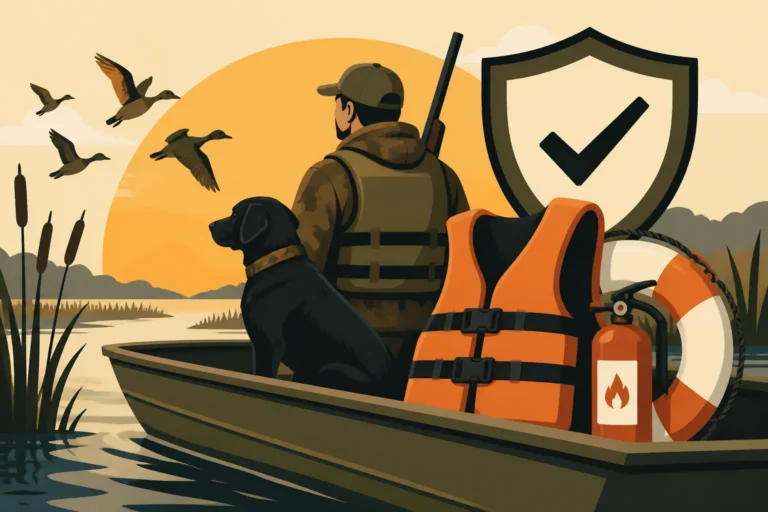
Safety should always be a top priority. Inquire about their safety protocols, emergency equipment on board, and if they hold a current captain's license (which is a legal requirement for guiding waterfowl charters on federal waters). A good guide will readily provide this information. Ask about their cancellation policy for bad weather; sea duck hunting often means dealing with wind and waves, but there’s a limit to what’s safe and comfortable. Many guides will discuss the optimal When Maryland Sea Duck Charters Run and explain how they make weather-related decisions. Tools like GoHunt can provide useful weather forecasts, but your guide's local expertise is irreplaceable when it comes to predicting how those conditions will affect the hunt.
The Guided Experience: What Happens on the Water
Once you’ve got your gear sorted and you've talked through the plans with your guide, the real adventure begins. Sea duck hunting is a test of patience, endurance, and often, your ability to handle dynamic conditions. It's a completely immersive experience, far from the quiet solitude of a deer stand, but equally rewarding.
Meeting Up and the Journey Out
The alarm clock for a sea duck hunt often goes off long before dawn. You'll typically meet your guide at a predetermined marina or boat ramp, often in places like Ocean City or various points along the Chesapeake Bay. This early start is crucial to get to the hunting grounds before shooting light, allowing time to set up decoys and blinds.
The journey out to the hunting location can be an experience in itself. Depending on where you launch and where the birds are, you might be in for a significant boat ride. On the Chesapeake, this could mean navigating large open waters, passing historic lighthouses, and seeing commercial fishing boats heading out for their day. If you're launching from the coast to hunt the ocean, it means heading out through an inlet and into the vast expanse of the Atlantic. The boat ride can be bumpy, cold, and wet, especially if the seas are choppy. This is why those waterproof outer layers are so vital! Pay attention to your guide’s instructions, especially regarding seating and holding on securely. Boat Safety on the Chesapeake in December is no joke, and a skilled captain knows how to handle their vessel in various conditions.
As you near the hunting spot, your guide will typically slow down and begin looking for areas where birds are working, or where they've had success in the past. This often involves careful observation of water currents, wind direction, and existing bird patterns.
The Setup: Layout Boats, Stake Blinds, Decoy Spreads
Once you arrive at the chosen spot, the real work begins. Sea duck hunting setups are often elaborate and require teamwork. The specific setup will largely depend on the guide's preferred method and the location.
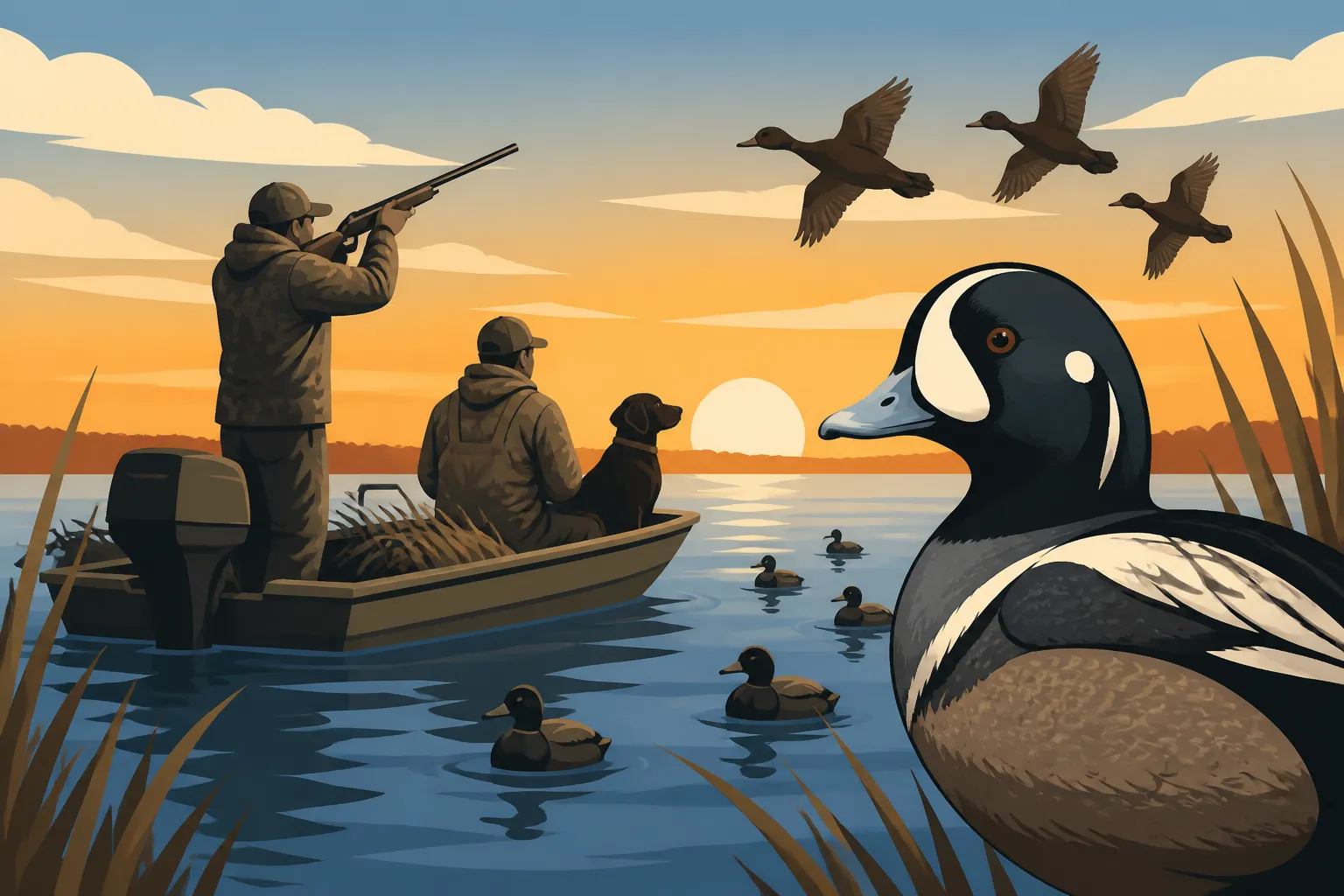
Many guides utilize layout boats. These are small, low-profile boats designed to be anchored far offshore, sometimes a mile or more from land. They are camouflaged to blend into the waves and are incredibly effective for hiding hunters. You'll typically transfer from the larger "tender" boat into the layout boat, often one or two hunters at a time. The tender boat will then motor a distance away, acting as a retrieve vessel and a safe staging area. Other guides might use larger, more stable offshore boats equipped with custom blinds, allowing hunters to stay somewhat drier and more comfortable. For specific bay areas, a permanent Hunting From a Maryland Offshore Stake Blind might be licensed, offering a solid structure to hunt from, though these are less common for true "sea duck" hunting far from shore.
The decoy spread for sea ducks is often massive, consisting of dozens, sometimes hundreds, of large, durable decoys designed to ride the waves naturally. These decoys mimic rafts of scoters, long-tailed ducks (often called Oldsquaw), or eiders, depending on the target species. The guide will carefully position this spread, taking into account current, wind, and bird flight paths. This process can take a significant amount of time and effort, but it's crucial for attracting birds into shooting range. You might also encounter guides who use motion decoys or flags to add realism to the spread, especially for species like scoters.
The Hunt Itself: Shooting Opportunities, Species, Retrieve
With the setup complete, the waiting begins. You'll be hunkered down in your layout boat or blind, exposed to the elements, scanning the horizon for approaching birds. Sea ducks often fly low over the waves, appearing and disappearing with the swells. They are fast, strong flyers, and can be challenging targets.
When birds commit to the decoys, your guide will typically call the shot. This is where communication and trust come in. They'll instruct you on when to sit up and shoot, ensuring everyone is safe and has a fair opportunity. You'll generally be shooting steel shot, often in larger sizes like BB or #1, due to the tough feathering and large body size of sea ducks. It’s imperative to have a shotgun you are comfortable with and that can handle these heavier loads. For more on what to pack, you can consider resources like What to Pack for a Maryland Marsh Hunt, keeping in mind that offshore has even greater demands.
You'll likely encounter several species. Common targets include Surf Scoters, Black Scoters, and White-winged Scoters, known for their distinct calls and often bold flight. Long-tailed ducks, with their striking plumage and constant vocalizations, are another popular target. While less common, Common Eiders can also be found in Maryland's offshore waters, offering a truly magnificent trophy. Each species presents its own unique challenge and aesthetic reward.
Once a bird is down, the tender boat (if you're in a layout boat) or the main vessel will move in to retrieve the bird. This is often where a good retriever dog comes into play, making quick work of collecting birds from the choppy waters. Respecting the daily bag limits for each species is paramount, as different sea duck species have varying regulations. Your guide will keep track of the harvest to ensure you stay legal.
Post-Hunt Considerations: After the Shots Are Fired
The hunt might be over, but the experience isn't truly complete until you've taken care of your harvest and reflected on the adventure. Sea duck hunting leaves you with unique memories and birds that require specific handling.
Bird Care and Processing
Once you're back at the dock, it's time to take care of your hard-earned birds. Sea ducks, particularly scoters, are known for having a stronger flavor than puddle ducks, largely due to their diet of shellfish. Many hunters opt to breast out their birds, removing only the breast meat, and some even skin the breasts to reduce any gamey flavor.
Your guide might offer basic field dressing services, but be prepared to handle most of the cleaning yourself, or arrange for professional processing. If you plan to travel with your birds, ensure they are properly cleaned and packaged according to federal and state regulations. Often, wing identification must remain attached to migratory birds during transport. For tips on field dressing, even though it's focused on deer, Field Dressing a Deer in Warm September Weather might give you some transferable ideas about quick cooling and hygiene in the field.
Regarding the meat, don't let anyone tell you sea duck isn't delicious! It just needs to be prepared differently. Brining, marinating, or slow-cooking are popular methods that can transform these dark-meated birds into a culinary delight. Don't be afraid to experiment with recipes designed specifically for strong-flavored wild game.
Recording Your Success
You just endured a cold, wet, challenging hunt on the open water and came away with some magnificent birds – you'll want to remember it! Take plenty of photos. Capturing the rugged beauty of the birds, the vastness of the water, and the camaraderie with your guide and fellow hunters will be cherished memories.
If you harvested a particularly striking bird, such as a beautiful drak long-tailed duck in full winter plumage or a large white-winged scoter, you might consider taxidermy. These birds make incredible mounts that showcase the unique characteristics of sea ducks. Discuss with your guide how to properly care for a bird destined for the taxidermist, as it requires special handling in the field to preserve feathers and form. Things like keeping the bird dry, clean, and quickly cooling it without damaging the feathers are crucial. You can often get recommendations for reputable Taxidermists and What a Shoulder Mount Costs from your guide or local hunting shops.
Even if you don't go for a full mount, keeping a feather or two as a souvenir can be a nice way to commemorate the adventure. It's a tangible reminder of a truly wild and memorable hunt.
Reflecting on the Unique Challenge
A guided sea duck trip in Maryland is more than just a hunt; it's an expedition. It challenges you with the elements, tests your shooting skills on fast-moving targets, and immerses you in a truly wild environment. It's a world apart from waiting for a deer to walk by a food plot.
The success of your trip often hinges on the guide's knowledge of Maryland Sea Duck and Offshore Zone Rules, their boat handling skills, and their ability to read the water and the birds. You'll likely learn a tremendous amount about marine wildlife, tides, and weather patterns during your time on the water. It’s a hunt that builds character and provides an unparalleled sense of accomplishment. Whether it's the thrill of seeing a flock of scoters cup their wings and dive into your decoys, or the satisfaction of hitting a long-tailed duck rocketing by, a guided sea duck trip offers a deep connection to Maryland's rugged coastal hunting heritage.
| Aspect of Trip | What to Expect | Key Considerations |
|---|---|---|
| Preparation | Gear check, license acquisition, guide communication. | Layered, waterproof clothing; all federal/state stamps; clear expectations on logistics. |
| Journey Out | Early morning launch, potentially long, choppy boat ride to hunting grounds. | Motion sickness prevention; secure seating; appreciation for the captain's skills. |
| The Setup | Deployment of layout boats or positioning in offshore blinds; large decoy spreads. | Patience; teamwork with guide; understanding of wind/current effects on decoys. |
| The Hunt | Fast-flying birds appearing over swells; multiple species (scoters, long-tails). | Quick, accurate shooting with appropriate steel shot; strict adherence to bag limits. |
| Retrieval | Tender boat or main vessel retrieves downed birds, often with a dog. | Safety during boat movements; respect for dog's work. |
| Post-Hunt | Field dressing, transport, potential taxidermy, reflecting on the experience. | Proper bird care for consumption or mounting; celebrating the unique challenge. |
Disclaimer
This article is for general informational purposes only and does not constitute professional advice. Laws, prices and regulations vary by location and change over time. Consult a qualified professional for guidance on your specific situation.