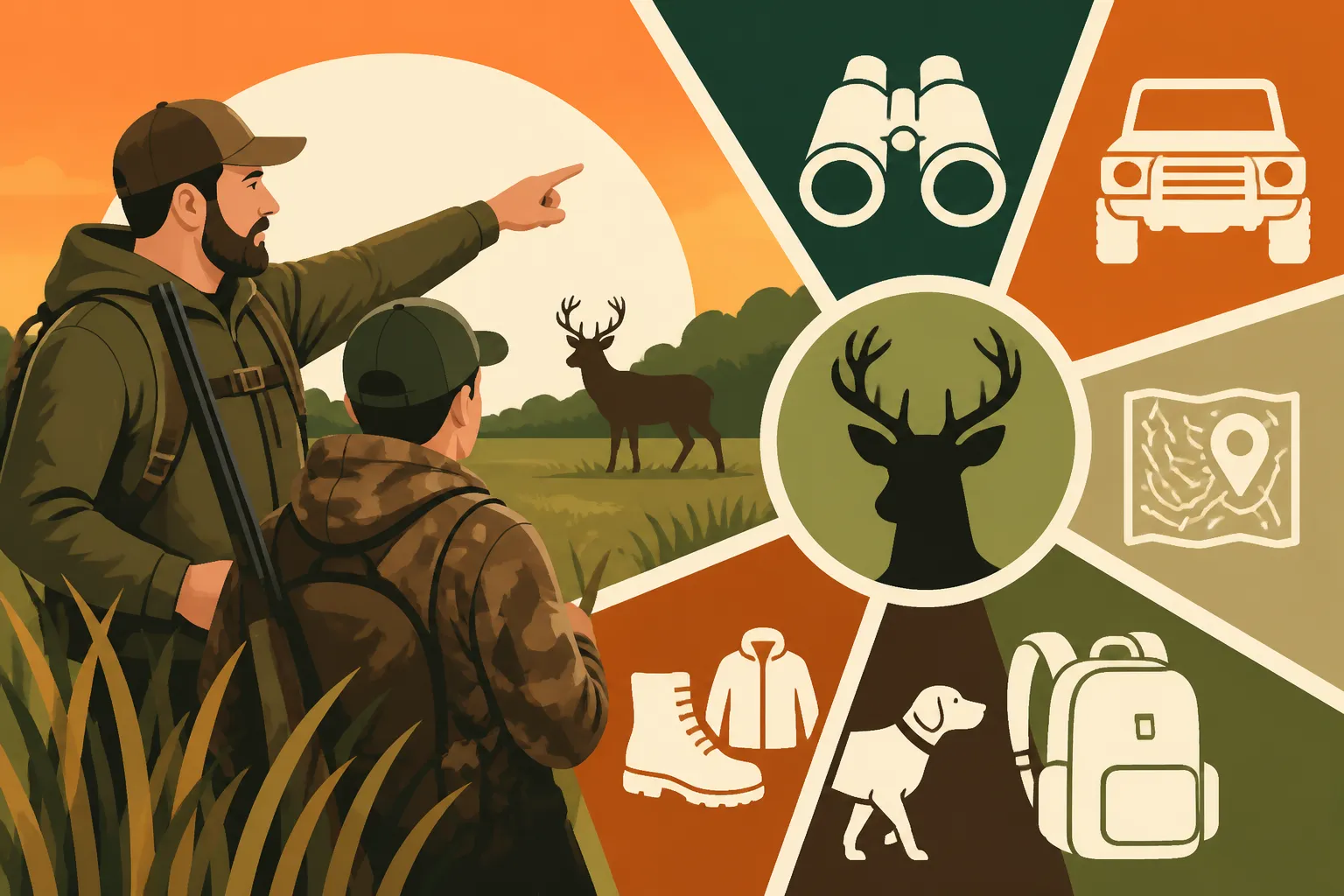
What a Guide Fee Usually Covers
One of the most common questions I hear from folks considering a guided hunt in Maryland is, "What exactly am I paying for?" It's a fair question, and frankly, a crucial one. Nobody wants surprises, especially when you're investing in an experience you've been dreaming about. The truth is, guide fees aren't always a one-size-fits-all package, and understanding what’s typically included – and more importantly, what isn’t – can save you a lot of headaches and help you set realistic expectations for your adventure here in Maryland. This guide aims to pull back the curtain on those fees, so you can book your next hunt with confidence.
The Basics of a Maryland Guide Fee – What's Often Included
When you book a guided hunt in Maryland, you're not just paying for a person to walk with you into the woods or marsh. You're tapping into a wealth of experience, access, and resources that would be incredibly difficult, if not impossible, for most hunters to acquire on their own. The core of a guide fee covers the essential elements needed to facilitate a successful and enjoyable hunt.
Pre-Hunt Preparation and Scouting
This is arguably one of the most valuable, yet often unseen, aspects of a guide's service. Long before you ever set foot in the field, a reputable Maryland guide is out there doing the legwork. They're spending countless hours scouting, analyzing game movement patterns, identifying feeding and bedding areas, and checking trail cameras. For instance, a Sika deer guide in Dorchester County might be spending early mornings Reading a Marsh Trail for Sika Sign or pinpointing Where Sika Deer Bed in Phragmites, knowing exactly how those elusive animals use the cover. For waterfowl, a guide on the Eastern Shore will be watching flight patterns, monitoring tides, and checking fields to know where the geese are working.
This preparation also includes securing access to prime hunting grounds, whether it's through private land leases or extensive knowledge of public land opportunities that often require special permits or intimate local understanding. They're making sure the blinds are brushed, the decoys are ready, and the boats are running smoothly. This isn't just a few hours; it’s a year-round commitment to understanding the habitat and habits of the game you’re pursuing, ensuring that when you arrive, the groundwork for success has already been laid. Without this extensive pre-hunt work, your chances of a truly productive hunt would drop dramatically.
Equipment and Decoys
Another significant portion of your guide fee goes towards the specialized equipment necessary for the hunt. Imagine trying to set up a full spread of Canada goose decoys in a vast cut cornfield, or hauling a layout boat onto the open waters of the Chesapeake Bay for sea ducks. A guide provides all of this, and often more. For waterfowl hunts, this means a meticulously maintained decoy spread, often numbering in the dozens or even hundreds, specifically chosen for the local species and conditions. It also includes the use of comfortable, well-placed blinds – whether they're permanent pit blinds, mobile layout blinds for fields, or sturdy marsh blinds built to withstand the elements.
If you're hunting Sika deer in the marshes, a guide will likely have specialized boats designed for navigating shallow tidal guts, essential for Boating Into a Sika Marsh at Low Tide and safely transporting hunters. For deer hunts, it might include the use of their pre-set treestands or ground blinds in strategic locations. This equipment represents a substantial investment for any guide, and its availability and readiness are critical to your experience. You don't have to worry about buying, storing, maintaining, or deploying thousands of dollars worth of gear; it’s all part of the package.
Transportation During the Hunt
Getting to and from the hunting grounds, and sometimes around the grounds themselves, is another key service covered by the guide fee. This isn't just about driving you to a parking lot; it's often about accessing remote, difficult-to-reach areas. For instance, if you’re hunting waterfowl, your guide will typically provide boat transportation to offshore blinds on the Chesapeake Bay or drive you in a specialized off-road vehicle across muddy farm fields to a layout blind.
When hunting deer or bear in Western Maryland's rugged mountain timber, guides often use ATVs or UTVs to get you deep into the woods, far from easy access points, conserving your energy for the hunt itself. For marsh hunts, particularly for Sika deer, transportation might involve navigating intricate waterways in a shallow-draft boat, taking you right to Hunting a Marsh Ditch Bank at Sunrise or a remote island in the marsh. This logistical support ensures you spend less time worrying about how to get there and more time focused on the hunting experience. It's about efficiency and access, which are paramount in maximizing your time in the field.
Beyond the Basics – Services That Add Value
While the core services are essential, many guide fees also incorporate additional elements that greatly enhance the overall hunting experience, transforming a simple outing into a truly memorable adventure. These value-added services often set apart a truly exceptional guide from a merely competent one.
Expert Knowledge and Local Insight
One of the most intangible, yet invaluable, aspects a guide brings to the table is their profound expert knowledge and local insight. They've spent years, often decades, observing game, understanding their patterns, and learning the nuances of the local habitat. This isn't just theoretical knowledge; it's hard-won wisdom gained from countless hours in the field. A good guide knows When the Sika Rut Peaks in the local marsh, or When Maryland Gobblers Start Strutting in the spring woods. They can read weather patterns and their impact on game movement, predicting how a cold front might affect deer activity or how tide changes influence duck movements.
They understand the history of the area, the specific land features, and even the subtle calls and behaviors of the animals. They can teach you how to Calling Sika Stags During the September Whistle or identify different duck species by their flight patterns long before they're in range. This mentorship aspect is particularly beneficial for new hunters or those visiting Maryland for the first time, offering a shortcut to understanding complex environments like Sika Deer Hunting in Maryland's Tidal Marshes or Waterfowl Hunting Maryland's Chesapeake Bay. This local wisdom is something you simply can't buy at a sporting goods store or learn from a book; it's earned through dedication and time spent in Maryland’s diverse hunting landscapes.
Game Retrieval and Field Dressing
After the shot, the work truly begins, and a guide's services often extend well into this critical phase. Successfully taking an animal is only half the battle; retrieving it, especially a large deer or bear from rugged terrain or a Sika from a thick marsh, can be a monumental task. Your guide typically takes on the responsibility of tracking, retrieving, and often field dressing your harvested animal. This is particularly vital in challenging environments where Recovering a Deer From a Tidal Marsh might involve specialized equipment or deep knowledge of watercraft and marsh terrain.
Imagine downing a big buck in a remote Western Maryland hollow, or a Sika stag deep within the phragmites. A guide’s experience with Blood Trailing in Marsh Grass After Dark or navigating dense cover is crucial to ensure a quick and respectful recovery. They'll assist with or handle the field dressing process, ensuring the meat is properly cared for, especially important in warmer early seasons like Hunting Maryland's September Archery Opener. Some guides will even help transport the animal back to your vehicle or a local processor, saving you significant effort and making sure your harvest is handled efficiently and hygienically.
Lodging and Meals: A Mixed Bag
This is where guide fees can vary significantly. Some premium outfitters offer all-inclusive packages that bundle comfortable lodging and hearty meals into the overall fee. This means you wake up, eat a good breakfast, head out to hunt, come back for lunch, perhaps relax, and then enjoy a great dinner, all without having to worry about booking hotels or finding restaurants. These types of packages are common for multi-day hunts, especially for Goose Hunting Maryland's Eastern Shore Grain Fields or longer deer hunts in remote areas.
However, many guides, especially for day hunts or single-species trips, operate on a "hunt-only" basis. In these cases, lodging and meals would be your responsibility and an additional expense. It's crucial to clarify this upfront. Websites like BookYourHunt or GoHunt often list what is included in their package descriptions, but a direct conversation with the outfitter is always best to confirm. Don't assume anything. If lodging and meals aren't included, your guide might be able to recommend local accommodations, from cozy motels to cabins or even local B&Bs, depending on the region you're hunting.
What's Typically Not Covered – Understanding Your Out-of-Pocket Expenses
While a guide fee covers a great deal, it's equally important to understand what it almost never includes. These out-of-pocket expenses are your responsibility and can add up, so budgeting for them beforehand is essential to avoid any unwelcome surprises.
Licenses, Stamps, and Permits
This is perhaps the most universal exclusion from any guide fee. Every hunter, resident or nonresident, is legally required to purchase their own Maryland Hunting Licenses and What They Cost, along with any necessary stamps and permits for the species they intend to hunt. For deer, you'll need a basic hunting license and an archery or firearms stamp, depending on your weapon. If you're chasing Sika, you'll also need a Maryland's Sika Deer Stamp and Bag Limits. Waterfowlers need federal and state migratory bird stamps and often a Maryland Migratory Bird Stamp Requirements as well as HIP registration.
Your guide can certainly advise you on exactly what you'll need and direct you to the Maryland Department of Natural Resources (DNR) COMPASS portal to purchase them, but the cost and responsibility of obtaining these are entirely yours. Make sure you purchase these well in advance of your hunt, as you cannot legally hunt without them, and it’s a terrible way to start a trip if you’re scrambling at the last minute. This also applies to any special public land permits or specific hunt area allocations, which you would typically have to apply for and secure yourself.
Ammunition and Personal Gear
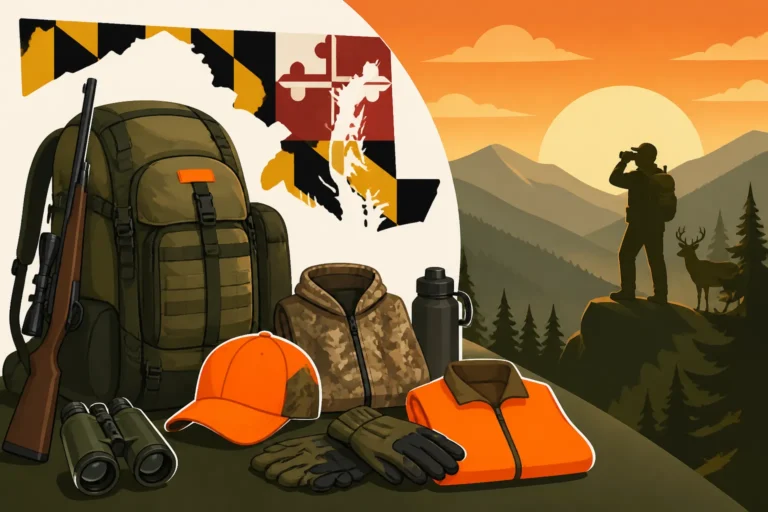
While a guide provides the big equipment like blinds and decoys, your personal hunting gear and ammunition are always your responsibility. This includes your firearm or bow, optics, hunting clothing (appropriate for Maryland's often variable weather), calls, and any other personal items you rely on in the field. For waterfowl, this means bringing your own shotgun and plenty of non-toxic shot. For deer or bear, it means your rifle, shotgun, or bow, and the appropriate ammunition or arrows.
Don't forget essentials like orange clothing if required for the season, good quality boots, rain gear, and a hunting pack. Some guides might have a spare shotgun or rifle for emergencies, but you should never rely on this. It's crucial to arrive with your own gear in good working order and a clear understanding of the local regulations regarding Maryland's Legal Weapons by County. Pack wisely for Maryland's diverse environments, from the damp marshes to the chilly mountain forests.
Processing, Taxidermy, and Gratuity
These are post-hunt expenses that are almost universally separate from your guide fee. After your successful hunt, you'll need to decide what to do with your game. If you plan to process the meat, the cost of a local butcher or deer processor will be your responsibility. Your guide can usually recommend reputable local Maryland Deer Processors and Butchers in the area of your hunt.
Similarly, if you're hoping for a trophy mount, the cost of a taxidermist to preserve your animal's antlers or an entire shoulder mount is an additional expense. It’s always a good idea to research Taxidermists and What a Shoulder Mount Costs beforehand and discuss caping requirements with your guide. Finally, and very importantly, gratuity for your guide is almost never included in the upfront fee. Tipping is customary in the guiding industry and is a direct reflection of the service you received. While there isn't a hard and fast rule, a good rule of thumb is often 15-20% of the total hunt cost, given to the guide directly. This is their livelihood, and a well-deserved tip acknowledges their hard work, expertise, and dedication.
Making the Most of Your Investment – Questions to Ask Before Booking
To ensure a smooth experience and fully understand what your guide fee covers, open and thorough communication with your outfitter is paramount. Don't be afraid to ask detailed questions. A reputable guide will appreciate your diligence.
Clarifying Inclusions and Exclusions
Before you put down a deposit, get a clear, itemized understanding of what your guide fee includes and what it explicitly does not. This is the time to ask about everything. Does the fee cover transportation from the local airport if you're flying in? Are there any hidden fees or surcharges? Will there be snacks and drinks provided in the blind, or should you bring your own? If it's a multi-day hunt, is daily cleaning of your harvested game included, or just field dressing? Websites like BookYourHunt and GoHunt are great for initial research, but always follow up with a direct conversation.
Here's a quick table outlining common inclusions and exclusions:
| Feature/Service | Typically Included in Guide Fee | Typically Not Included in Guide Fee |
|---|---|---|
| Pre-hunt scouting | Yes | No |
| Equipment (Blinds, Decoys) | Yes | No |
| Transportation on hunt | Yes (to/from hunt area) | Travel to Maryland / Airport pickup (often extra) |
| Expert knowledge/calls | Yes | No |
| Game retrieval | Yes | No |
| Field dressing | Yes | No |
| Licenses/Stamps | No | Yes |
| Ammunition | No | Yes |
| Personal gear | No | Yes |
| Meals | Sometimes (check package details) | Often not, for day hunts |
| Lodging | Sometimes (check package details) | Often not, for day hunts |
| Game processing | No | Yes |
| Taxidermy | No | Yes |
| Gratuity for guide | No | Yes (customary) |
Always double-check these specifics, especially for those "sometimes" items. Confirming these details upfront will prevent any misunderstandings later and ensure you have a complete picture of your total investment.
Understanding Group Sizes and Hunter-to-Guide Ratios
It's important to know how many other hunters you'll be sharing the experience with, as this can significantly impact the dynamic of your hunt. Ask about the typical group size for your chosen hunt. Are you booking a private one-on-one experience, or will you be part of a larger party? Understanding the Group Size and Hunter to Guide Ratio is critical. For instance, a small group might mean more personalized attention, more shooting opportunities, or a more intimate marsh experience when Hunting Sika Stags During Their Fall Whistle.
For waterfowl, a larger group might be standard for a spacious pit blind on a grain field, but you'll want to know how many shooters will be present to manage expectations for shooting opportunities. Clarify if the quoted fee changes based on the number of hunters. Some outfitters offer discounts for larger groups, while others price their hunts per hunter, regardless of group size. Knowing this helps ensure your expectations align with the reality of the hunt.
Cancellation Policies and Rescheduling Options
Life happens, and sometimes even the best-laid hunting plans get disrupted. Before you commit, thoroughly review the outfitter's cancellation and rescheduling policies. Ask about When Deposits Are Due and Whether They Refund. What happens if you need to cancel due to an emergency? What if the guide has to cancel due to extreme weather, like unsafe conditions for Boat Safety on the Chesapeake in December or an unexpected personal issue?
Clarify whether your deposit is refundable, transferable, or if it can be applied to a rescheduled hunt in the future. Understanding What Happens If the Weather Cancels is particularly important for waterfowl or offshore hunts, which are highly dependent on favorable conditions. A clear understanding of these terms protects both you and the outfitter and helps manage expectations if unforeseen circumstances arise. Don't just skim this section; ask specific hypothetical questions to ensure you're fully informed.
Disclaimer
This article is for general informational purposes only and does not constitute professional advice. Laws, prices and regulations vary by location and change over time. Consult a qualified professional for guidance on your specific situation.