Reading a Marsh Trail for Sika Sign
Hunting Sika deer in Maryland's vast, complex tidal marshes can feel like searching for a needle in a haystack, especially if you're new to this unique challenge. These diminutive, elusive deer leave subtle clues, and understanding how to "read a marsh trail for Sika sign" is absolutely critical to finding success. This comprehensive guide will walk you through the nuances of deciphering Sika deer behavior and movement patterns within their marshy domain, helping you unlock the secrets to a more productive hunt.
The Unique Challenges of Marsh Hunting Sika Deer
Hunting Sika deer in the labyrinthine tidal marshes of Maryland, particularly on the Eastern Shore, presents a completely different set of challenges compared to pursuing whitetails in a hardwood forest or open agricultural fields. The terrain itself is a formidable opponent, with shifting tides, thick vegetation, and often soft, uneven ground. But beyond the physical demands, understanding how Sika interact with this dynamic environment is paramount to identifying their sign effectively.
Sika's Elusive Nature and Habitat Preference
Sika deer are inherently shy and incredibly adept at vanishing into the dense cover that the marshes provide. Unlike larger whitetails that might frequent visible field edges, Sika often stick to the thickest Phragmites australis (common reed), cattails, and marsh elder, making visual sightings rare and tracking difficult. Their preference for these dense, often water-logged areas means their trails and sign might be less obvious or more quickly obscured by water or new growth. You might be surprised at just how quickly these small deer can disappear, even when you know they're nearby.
They use the marsh's topography, however subtle, to their advantage, often moving along slightly elevated ridges or ditch banks that offer drier footing. These are the natural corridors you need to learn to identify, as they concentrate deer movement. For a deeper understanding of their habitat use, consider how they utilize areas like Hunting Sika Deer in Maryland's Loblolly Pine Edges, even when those edges meet the marsh, offering transition zones they prefer.
The Tidal Influence on Sika Movement
One of the most significant factors influencing Sika movement in the marshes is the tide. High tides can inundate vast areas, forcing deer to higher ground, while low tides open up new feeding areas and expose drier travel routes. Ignoring the tide charts is like hunting blindfolded in the marsh. Sika become incredibly predictable once you understand how they adapt to the ebb and flow of the water.
During high tide, Sika will often congregate on small islands, hummocks, or the slightly elevated "guts" within the marsh. These become temporary refuges, and understanding where these high spots are can be crucial for identifying concentrations of fresh sign. Conversely, at low tide, deer will disperse to feed on exposed vegetation and utilize the drier mud flats or ditch bottoms for travel. This dynamic interaction between land and water is key, and it shapes every aspect of their behavior, including where you'll find their tracks and droppings. Learning to anticipate these movements is a skill that only comes from careful observation and often, getting out there and Wading Into a Dorchester Marsh Before Daylight to see it firsthand.
Deciphering Sika Sign on Marsh Trails
Once you're out in the marsh, your eyes need to be trained to pick out the subtle indicators of Sika presence. It's not always about finding a superhighway of tracks; sometimes it's a series of broken reeds or a particular kind of browse. Knowing what to look for, and where, makes all the difference.
Tracks, Droppings, and Beds
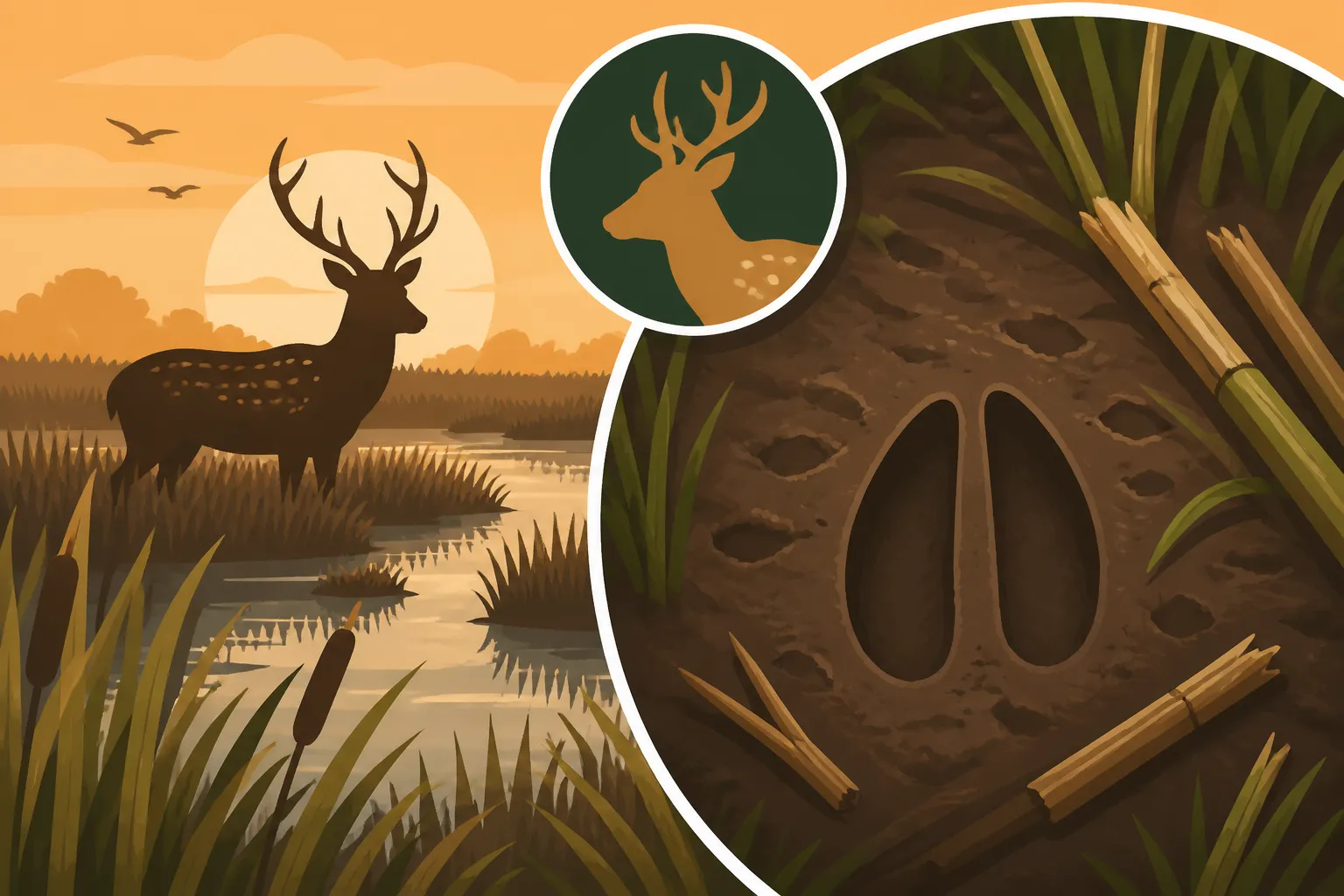
Sika tracks are noticeably smaller and daintier than those of a whitetail. They are often pointed and narrow, reflecting the deer's generally smaller stature. In the soft mud of the marsh, these tracks can be well-defined, but they can also be smeared or filled with water. Look for clusters of tracks, or a consistent path, rather than just isolated prints. Often, Sika will walk in their own tracks, creating a narrower, deeper impression that can sometimes be mistaken for an older, larger print if you're not careful.
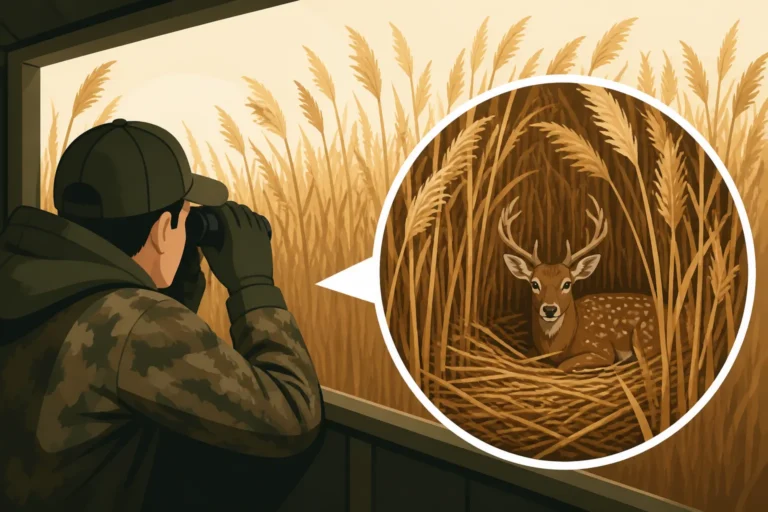
Their droppings are also smaller, typically pellet-like, and often found in clusters, similar to deer sign you'd find anywhere else. However, because Sika often consume marsh vegetation, their droppings might sometimes appear slightly softer or more fibrous than those of a deer feeding on acorns or agricultural crops. Finding fresh, moist droppings along a trail is a strong indicator of recent activity. Sika beds, often just depressions in the thick marsh grass or phragmites, are harder to spot but indicate where deer are resting during the day. These are often found in the thickest, most secluded cover, offering concealment and a good vantage point to detect predators. For more on this, check out Where Sika Deer Bed in Phragmites.
Rubs, Scrapes, and Whistle Posts
While Sika deer don't create elaborate ground scrapes like whitetails, they do make rubs and unique "whistle posts" during the rut. Sika rubs are typically small, thin saplings or reeds that have been thrashed or rubbed by a stag's antlers. Because Sika are smaller, their rubs are usually lower to the ground and less destructive than a whitetail buck's rub. These can be found along travel corridors or on the edges of bedding areas.
Whistle posts are a fascinating and distinct sign of Sika stag activity. During the rut, stags will create shallow depressions or wallows in muddy areas, often surrounded by broken vegetation, where they deposit urine and scent. These are "whistle posts" because stags will frequently visit them while whistling to attract hinds (does) or challenge other stags. Finding a fresh whistle post, especially during the fall rut, is an undeniable sign of a mature stag in the area and a prime location for setting up a stand or blind. For more insight into their vocalizations, read about Why Sika Deer Whistle Instead of Grunting.
Strategies for Locating Sika Trails and Funnels
Finding Sika trails isn't always about stumbling upon them; it often requires a strategic approach, combining modern technology with good old-fashioned legwork. The marsh is vast, and knowing where to focus your efforts is key to efficient scouting.
Utilizing Aerial Imagery and Topographic Maps
Before you even step foot in the marsh, spend significant time studying aerial imagery. Tools like GoHunt's mapping features or other satellite mapping applications are invaluable for identifying potential Sika hotspots. Look for subtle elevation changes, small islands, or strips of higher ground that create natural travel corridors above the water line. These are often the same places Sika will frequent to avoid deeper water. Identify fingers of timber, loblolly pine islands, or dense thickets of marsh elder that provide cover and bedding areas.
Also, pay close attention to the confluence of different cover types – where phragmites meets cattails, or where marsh transitions to slightly higher, wooded ground. These "edges" are natural funnels for deer movement. Look for lines of ditches or creeks that cut through the marsh; Sika will often use the banks of these waterways as highways. This pre-scouting reconnaissance will help you pinpoint specific areas to investigate on the ground, saving you countless hours of aimless wandering through the muck and mire. GoHunt's topographical layers can reveal those minute elevation shifts that are invisible from the ground but critical to deer movement.
Boots on the Ground and Patience
Once you've identified promising areas on your maps, it's time for boots on the ground. There's no substitute for physically walking the marsh, even if it's slow-going and challenging. Wear appropriate gear, such as chest waders or sturdy hip boots, as you'll inevitably encounter mud and water. You can explore the pros and cons of different gear in Hip Boots Versus Chest Waders in Sika Country. As you traverse the marsh, move slowly and deliberately, scanning for the subtle signs discussed earlier.
Pay attention to what the Sika are eating. Look for browsed vegetation – chewed-off tips of phragmites, marsh elder, or other woody browse. Their small size means they can get into dense areas that whitetails often avoid, so don't overlook pockets of cover that seem too thick. Follow any discernible trails you find, noting where they lead – do they connect bedding to feeding areas? Do they lead to higher ground during high tide? Patience is your most important tool; marsh scouting is not a race, it's a careful investigation. Remember, the goal is to find those consistent travel routes or "funnels" where Sika are most likely to pass. Sometimes, you might even stumble upon great spots that other hunters overlooked, as discussed in Finding Maryland Ground Others Walk Past.
Integrating GoHunt and Other Tools for Enhanced Scouting
Modern technology, especially robust hunting apps and trail cameras, can significantly enhance your ability to read Sika sign and understand their patterns in the marsh. These tools complement your physical scouting efforts, providing insights that are difficult, if not impossible, to gain through observation alone.
Mapping Software for Patterning Movement
Beyond initial aerial reconnaissance, advanced mapping software like GoHunt offers features that allow you to mark specific Sika sign, create waypoints for potential stand locations, and track your own movements. As you scout, you can precisely mark every fresh track, rub, whistle post, or bed you find. Over time, plotting these points will reveal patterns of movement and show you where Sika are concentrating their activity. You might discover that certain trails are only used during specific tidal conditions, or that a particular island serves as a primary bedding area.
GoHunt also allows you to analyze wind direction relative to your potential stand sites and known Sika travel routes, which is absolutely critical for scent control in the marsh. Remembering that an east wind one day might shift to the south the next, and how that affects your approach to a likely crossing or feeding area, is invaluable. This level of detailed tracking and analysis transforms your scouting from a random search into a data-driven strategy, enabling you to make more informed decisions when it's time to hunt.
Trail Cameras and Real-Time Intelligence
Trail cameras are invaluable for gathering real-time intelligence on Sika deer, especially in remote marsh locations. Setting up cameras on confirmed Sika trails, funnel points, or near whistle posts can provide crucial insights into when deer are moving and which specific animals are frequenting an area. Since marsh terrain can be challenging, choose cameras with long battery life and robust, waterproof casings. Wireless capabilities, if available and if you have signal, can save you trips into difficult areas.
Placing cameras where game trails intersect with marsh ditches or along the edges of small island hummocks can yield excellent results. While checking cameras in the marsh can be a chore, the data they provide is priceless. You might discover that a particular stag is only moving through a certain area at night, or that a group of hinds is consistently using a trail an hour after high tide. This information, combined with your mapping data from GoHunt, allows you to fine-tune your hunting strategy, whether you're considering Setting a Stand on a Marsh Ditch Bank or planning a stalk.
Reading a marsh trail for Sika sign is an art perfected with practice, patience, and a keen eye for detail. By understanding the unique challenges of the marsh, learning to interpret the subtle clues Sika leave behind, and leveraging modern scouting tools, you'll dramatically increase your chances of success. The reward of deciphering these puzzles and eventually encountering a marsh stag is truly unparalleled.
Disclaimer
The information provided in this guide is for general educational purposes only and is not a substitute for professional advice. Hunting regulations, seasons, and licensing requirements can change frequently. Always consult the Maryland Department of Natural Resources (DNR) official publications and local ordinances before engaging in any hunting activities. Adhere to all safety guidelines and ethical hunting practices.