Still-Hunting a Savage River Oak Flat
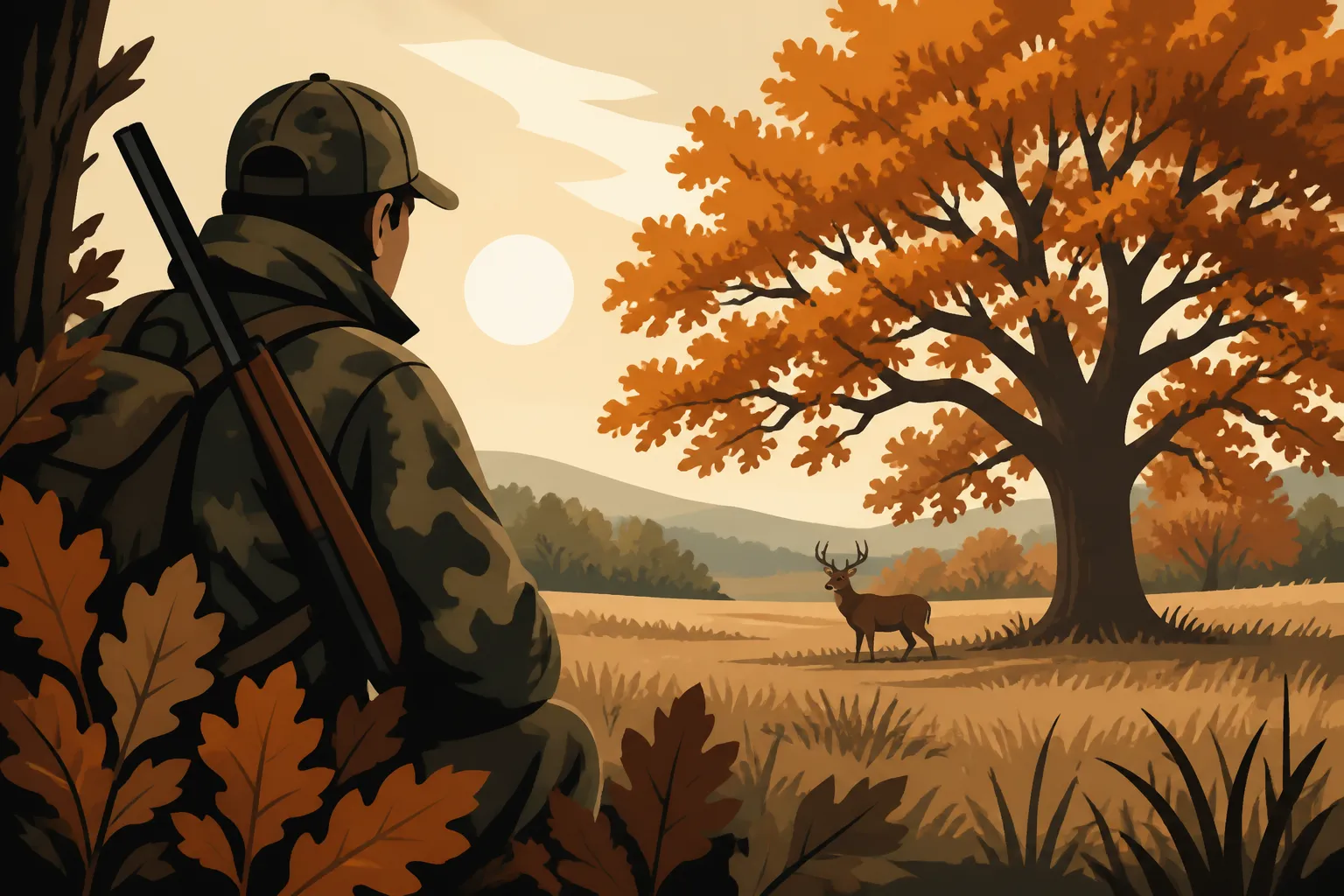
Hunting mature deer in the rugged, expansive forests of Western Maryland can feel like trying to find a needle in a colossal haystack, especially when they're tucked away in their preferred haunts. The dense timber and rolling topography of places like Savage River State Forest present unique challenges, making traditional stand hunting less effective in certain situations. This guide aims to break down the art of still-hunting a Savage River oak flat, offering practical strategies to move through the woods like a ghost, locate wary deer, and increase your odds of success in this challenging yet rewarding environment.
Understanding Savage River's Oak Flats: A Deer Magnet
Savage River State Forest is a sprawling, wild expanse in Garrett County, known for its steep ridges, deep hollows, and extensive hardwood forests. Among these, the oak flats stand out as critical habitats for white-tailed deer, especially during the fall hunting seasons. These areas, typically found on benches, gentler slopes, or plateaus within the otherwise rugged terrain, are essentially nature's buffet line, drawing deer in with their reliable food source.
Types of Oak and Acorn Production
Maryland's Western Mountains are home to a variety of oak species, each with its own timing and characteristics for acorn production. Understanding these differences is absolutely crucial for a successful still-hunt. White oaks, for instance, drop their acorns early in the fall, often starting in late September or early October. These acorns are lower in tannins, making them sweeter and highly palatable to deer. When you find a good white oak crop, you're almost guaranteed to find deer activity. However, once those are gone, deer will shift their focus.
Red oaks, on the other hand, produce acorns that are higher in tannins, giving them a more bitter taste. These typically drop later in the season, from late October through November, and often persist on the ground well into winter, sometimes even after snowfall. While not as preferred as white oak acorns initially, red oak acorns become a primary food source once the white oaks are depleted. This succession means that a productive still-hunt often involves knowing which oaks are dropping when, and scouting for fresh activity around them. Looking at a map of Savage River's extensive forests, you can identify broader areas with dominant oak species, which can inform your scouting.
Understanding the specific characteristics of different oak acorns can make all the difference in locating deer during your still-hunt:
| Oak Species | Acorn Drop Period | Palatability to Deer | Persistence on Ground | Key Characteristics |
|---|---|---|---|---|
| White Oak | Early Fall | High (Sweet) | Low (Consumed Quickly) | Rounded leaves, acorns mature in one year, often preferred first. Look for areas with heavy fresh feeding sign. |
| Chestnut Oak | Mid-Fall | High (Sweet) | Moderate | Large, often deeply lobed leaves, large acorns. Favored due to size and palatability, good mid-season choice. |
| Red Oak | Late Fall/Winter | Moderate (Bitter) | High | Pointed, bristly leaves, acorns mature in two years. Become critical late-season food when other sources are gone. |
| Black Oak | Late Fall/Winter | Moderate (Bitter) | High | Similar to red oak, but often found on drier sites. Acorns provide sustained nutrition through cold months. |
Deer Movement and Bedding in Oak Flats
Deer don't just feed in oak flats; they live there. The combination of food, cover, and topography makes these areas prime for bedding, especially for mature bucks who seek security. During daylight hours, deer will often browse and feed for a while, then move to a thicket or a slight rise within the oak flat to bed down, often on the leeward side of a ridge where they can detect approaching danger from downwind. This allows them to smell danger coming from behind them while watching for anything approaching from the front.
Still-hunting these areas means you're moving through their bedroom, kitchen, and living room all at once. Deer will often follow subtle terrain features, like small benches, old logging roads, or the edges of dense cover (like mountain laurel or rhododendron thickets) that intersect with the oak flats. These are natural travel corridors, and learning to identify them, even on a detailed map like those found on GoHunt, can guide your still-hunting path. Look for fresh tracks, droppings, and rubs along these subtle pathways. Understanding "Reading Sign in Maryland Mountain Timber" is a critical skill here.
Mastering the Still-Hunting Technique in Mountain Timber
Still-hunting is less about covering ground and more about uncovering deer. It’s an incredibly patient and sensory-driven method, especially effective in the broken topography and dense timber of Savage River. You're trying to integrate yourself into the environment, moving at a deer's pace, constantly observing, and trying to see deer before they see you.
The Art of Slow Movement and Observation
The cardinal rule of still-hunting is slow. We're talking about taking five to ten minutes to cover ten yards, sometimes even less. Think of it as a constant stop-and-scan technique. Take a few steps, then freeze. Scan every tree, every brush pile, every shadow. Look through the forest, not just at it. Pay attention to horizontal lines that don't belong (like a deer's back), contrasting colors, or the flick of an ear. Your binoculars should be glued to your eyes more than they are around your neck. The goal is to detect movement or a piece of a deer before they ever register your presence.
Engage all your senses. Your ears are constantly listening for crunching leaves, the snap of a twig, or the soft rustle of movement. Even the subtlest sounds can betray a deer's position. Your nose might even pick up the musky scent of a bedded deer or the sharp odor of a buck rub. This methodical, deliberate pace allows you to dissect the landscape, process information, and respond to the slightest hint of a deer before it spooks. It’s a completely different mindset than walking to a stand, and it’s why still-hunting can be so rewarding when it pays off.
Gear and Preparation for Mountain Still-Hunting
Your gear for still-hunting in Western Maryland's mountains needs to support your stealthy approach and endurance. First and foremost, footwear. You need comfortable, quiet boots with good ankle support for the uneven terrain. Leather or soft-soled boots are generally quieter than heavy rubber boots. Clothing should be layered, scent-controlled, and quiet. Avoid noisy fabrics that rustle with every step. I often recommend wool or fleece for their warmth-to-weight ratio and quietness.
Optics are non-negotiable. A good pair of 8x or 10x binoculars will save you countless steps and help you pick apart dense cover. A rangefinder is also essential, especially in the varied topography of Savage River where distances can be deceiving. Don't forget a compass or GPS device; the terrain can quickly disorient you, and knowing "Scouting Maryland Public Land With Aerial Photos" can really help navigate. Digital mapping tools like GoHunt are invaluable for understanding terrain features, property boundaries, and potential travel corridors before you ever step foot in the woods. You can mark areas of interest, potential bedding sites, and escape routes, allowing you to plan your still-hunt path intelligently.
Finally, your weapon choice. For still-hunting in these conditions, a lightweight, maneuverable rifle or shotgun (where legal) is best. A compact bow is also excellent for still-hunting, as it allows for quicker target acquisition in tight windows. Regardless of the weapon, ensure you can carry it comfortably and silently, ready for a quick shot opportunity.
Reading Sign While You Move
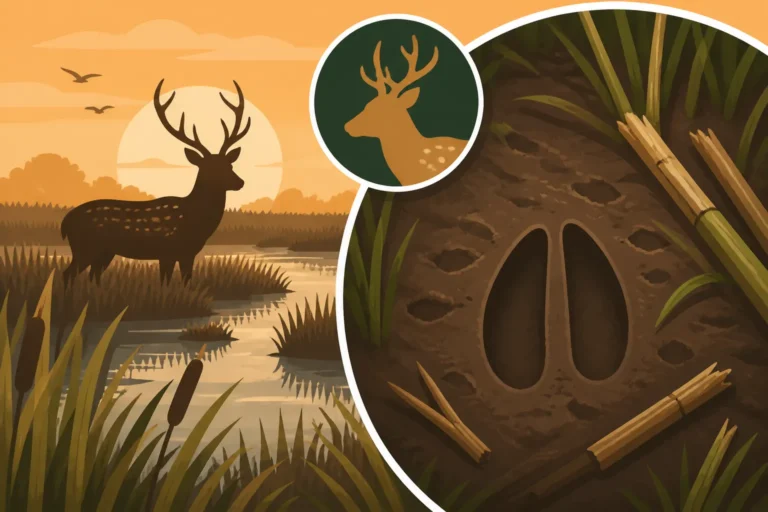
One of the most exciting aspects of still-hunting is that you’re constantly scouting as you move. Every step is an opportunity to find fresh sign that might lead you to a deer. Look for fresh tracks in soft soil or leaf litter – paying attention to their direction and freshness. A track with sharp edges and a clear imprint is recent, especially if leaves haven't blown into it.
Rubs and scrapes are also critical indicators. Fresh rubs, with sap still visible and wood exposed, mean a buck has been there very recently. Look for them on small saplings along travel corridors or on the edges of heavier cover. Scrapes, particularly primary scrapes with an overhanging branch, are communication hubs for deer. If the ground is pawed up and the overhanging branch is broken or chewed, a buck has likely visited within the last 24 hours. The presence of these signs guides your hunt, confirming you’re in active deer territory. It's often said that still-hunting is just "Hunting Maryland Whitetails on the Same Ground as Sika," but for whitetails, understanding these signposts is paramount.
Navigating Challenges and Maximizing Opportunities
Still-hunting in the mountainous oak flats of Savage River is rarely easy. The environment itself presents obstacles, but with careful planning and adaptation, you can turn these challenges into opportunities.
Dealing with Wind, Thermals, and Weather
Wind and thermals are your constant companions and biggest concerns in mountain hunting. In the Western Maryland mountains, thermals typically rise during the morning as the air warms and fall in the evening as it cools. This means your scent will generally be carried uphill in the morning and downhill in the afternoon. Combining this with prevailing winds can make things complicated. Always try to hunt into the wind or crosswind. Never hunt with the wind at your back unless you enjoy spooking every deer in front of you.
Pay close attention to subtle changes in air currents. A slight puff of breath, a feather tied to your backpack, or a small bottle of scent indicator powder can help you monitor wind direction. On cooler days or after a rain, the woods can be quieter, making your movement less noticeable. Conversely, a strong wind can mask your movement noise but also make it harder to hear deer. Adapting your pace and direction based on these atmospheric conditions is a core component of successful still-hunting. Consider how "Wind and Thermals in Western Maryland Terrain" specifically impact your hunt.
Shot Opportunities and Tracking in Dense Cover
Still-hunting often presents quick, fleeting shot opportunities. Deer might be partially obscured by brush, or only a small window might open for a shot. This demands quick target acquisition and confident shooting. Practice shooting from various positions – kneeling, sitting, or quickly leaning against a tree – as you might not always have the luxury of a perfect standing shot. Ensure you know your weapon's capabilities and your own limitations. Ethical shots are paramount.
If you make a shot, meticulously mark the location. Drop a hat, tie a ribbon, or use your GPS to mark the exact spot where the deer was standing and where you were when you shot. This cannot be overstated in dense timber. Then, track the deer slowly and methodically. Look for blood, broken branches, or disturbed leaves. Even a small drop of blood can lead you to your prize. If blood sign is minimal, give the deer time (at least an hour, or longer if it's a gut shot) before pursuing, especially in rugged country where a wounded animal can travel far. Having a plan for "Recovering a Deer From a Tidal Marsh" is one thing, but tracking one through thick mountain laurel is a whole different ballgame. Always be prepared for a difficult recovery in the challenging terrain of Savage River.
Disclaimer
Hunting is an inherently dangerous activity. Always prioritize safety, understand and adhere to all Maryland hunting regulations, and respect wildlife and the natural environment. The information provided here is for educational purposes and should not replace proper hunter education or professional guidance. Consult the Maryland Department of Natural Resources (DNR) for the most current regulations and licensing requirements.