Hunting Released Pheasants on Maryland Public Land
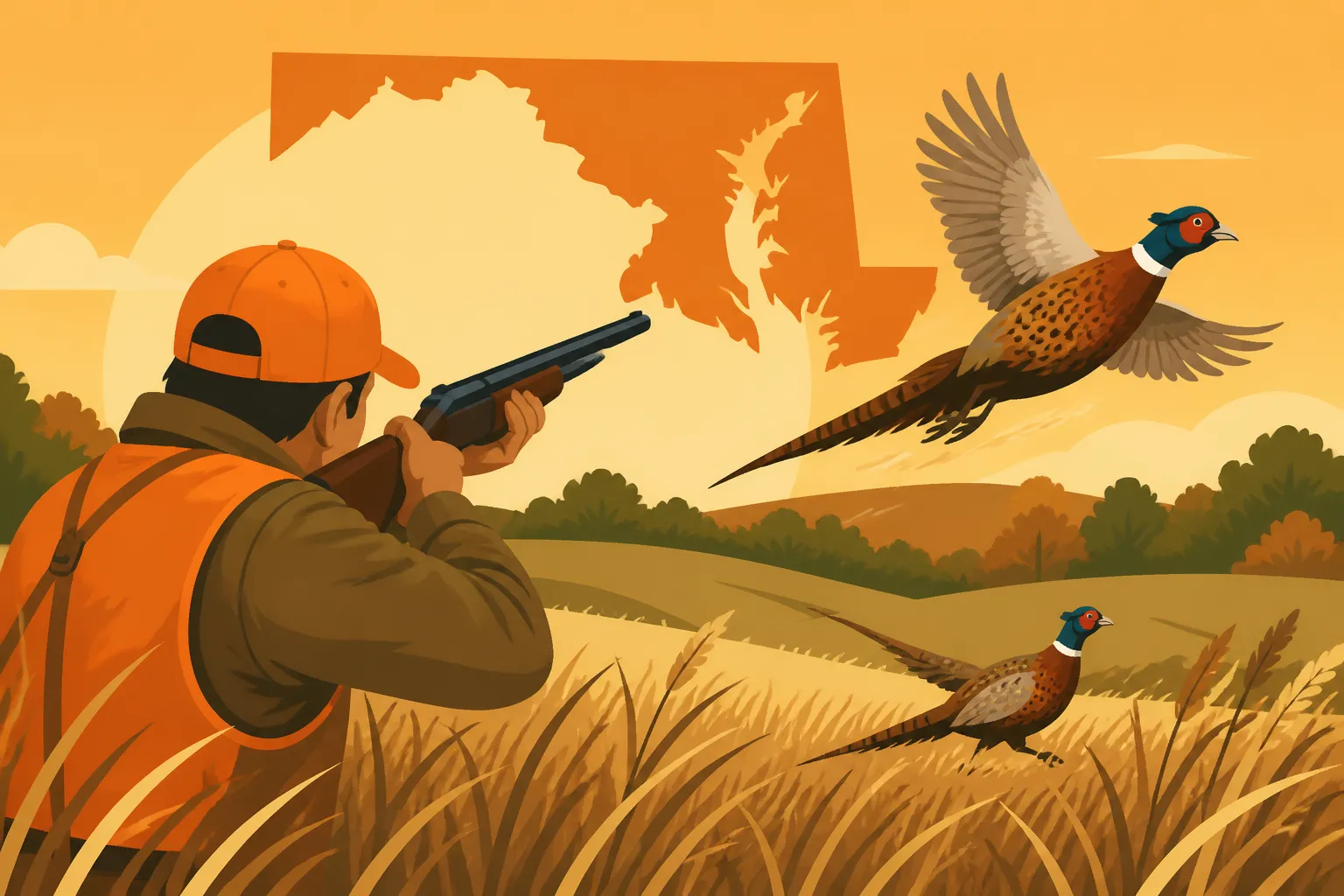
The idea of hunting pheasants on Maryland's public lands evokes a classic image: flushing colorful birds from tall grass, the whir of wings, and the keen nose of a pointing dog. For many hunters, it's a nostalgic dream. However, the reality on the ground in Maryland for finding released pheasants on public land for regular hunting has changed significantly over the years, leaving many feeling frustrated or unsure where to even start. This guide aims to clear up the confusion, explaining the current situation, where genuine pheasant hunting opportunities exist in the state, and how to make the most of them.
The Fading Tradition: Maryland's Public Land Pheasant Releases
For decades, many states, including Maryland, managed robust pheasant stocking programs on public hunting grounds. These initiatives were designed to provide upland bird hunting opportunities in areas where wild pheasant populations struggled to thrive due to habitat loss or other environmental factors. Hunters would look forward to specific "release days" when fresh birds were put out, offering an exciting, if sometimes challenging, experience.
A Look Back at DNR's Stocking Programs
Historically, the Maryland Department of Natural Resources (DNR) did indeed operate a pheasant release program. This meant that hunters could consult a schedule and visit designated Wildlife Management Areas (WMAs) or other public lands where pheasants had been released specifically for hunting. It was a well-loved tradition, especially for those who didn't have access to private land or preferred the challenge of hunting on publicly accessible tracts. These programs provided a consistent opportunity for hunters to enjoy the thrill of pursuing these beautiful game birds without the need for extensive travel to states with robust wild pheasant populations. The birds, often raised on game farms, would be released into suitable habitat, providing a temporary boost to hunting prospects.
However, over time, a combination of factors led to a shift in this approach. Funding priorities changed, the logistics of raising and releasing birds became more complex and expensive, and the focus of wildlife management often leaned towards sustaining native species or addressing larger ecological concerns. As a result, the widespread public land pheasant release program that many older hunters remember has largely been phased out in its traditional form. The notion of simply showing up to a WMA on a scheduled day and finding a fresh batch of pheasants ready for the hunt is, unfortunately, more a memory than a current reality for most of Maryland's public lands.
The Current Landscape for Wild Pheasants
When it comes to truly wild pheasants in Maryland, opportunities are exceedingly rare. Unlike states in the Midwest that boast strong self-sustaining populations, Maryland's landscape generally lacks the expansive grasslands and specific agricultural practices that wild pheasants need to thrive year-round. While you might hear anecdotal reports of a lone pheasant here or there, these are isolated incidents and do not indicate a huntable population. Trying to pursue wild pheasants in Maryland would be akin to searching for a needle in a haystack – an incredibly frustrating and likely fruitless endeavor.
This reality can be tough to swallow for hunters eager for an upland challenge. Without the necessary habitat and consistent breeding success, wild pheasants simply can't establish a foothold sufficient to support a hunting season. So, if your goal is to chase wild pheasants, Maryland is unfortunately not the state for it. The focus here must shift to managed opportunities if you want to put pheasants in your game vest.
Where to Find Pheasant Opportunities Today: Private Preserves and Special Events
Given the decline of public land pheasant releases, the modern Maryland pheasant hunter needs to adjust their expectations and look towards specific, managed avenues. The good news is that opportunities still exist, they just come with a different set of parameters.
Private Shooting Preserves: Your Best Bet for Pheasants
For anyone serious about pheasant hunting in Maryland, private shooting preserves are, without a doubt, your primary option. These licensed operations specifically raise and release pheasants (along with other upland birds like chukar and quail) for hunting purposes. They create and maintain ideal habitat, ensuring that there's always a good supply of birds for their clients. It's a completely different experience from traditional public land hunting, but it offers a guaranteed chance to pursue pheasants.
Maryland has several reputable shooting preserves across the state. Places like Piney Run Pheasant Preserve in Garrett County or Lohr's Pheasant Preserve in Smithsburg are well-known for providing excellent upland hunting experiences. These preserves typically offer various packages, from half-day hunts to full-day excursions, sometimes even including lodging and meals. When you book a hunt, you're paying for the birds, the habitat, and often the services of a guide and trained bird dogs. It’s a fantastic way to introduce new hunters to the sport or to get your own dog some valuable work in the field. Using mapping tools like GoHunt can help you locate these preserves and assess their surrounding areas, though specific preserve details are best found on their direct websites.
Understanding Preserve Rules and Seasons
One of the significant advantages of hunting on a licensed shooting preserve is that they often operate outside the conventional statewide hunting season dates. While general Small Game Season Dates and Daily Limits apply to wild game, preserves typically have extended seasons, sometimes running from September or October all the way through March. This flexibility allows hunters to schedule trips even when other hunting seasons are closed, providing ample opportunity to enjoy the sport.
However, this also means you'll need to be aware of the specific rules of the preserve you choose. Each operation will have its own daily limits, shooting hours, and potentially restrictions on what kind of firearm or ammunition you can use. Always call ahead and confirm these details when booking. You'll still need a valid Maryland hunting license, and preserves will often check this upon arrival. Don't forget to ask about dog requirements – some preserves provide dogs and handlers, while others welcome you to bring your own trained bird dog. This is an excellent way to apply what you've learned from Dog Training on Maryland Public Land in a real hunting scenario.
Essential Tactics and Gear for Maryland Pheasant Hunting
Whether you manage to find a rare public land opportunity or, more likely, head to a private preserve, successful pheasant hunting relies on a combination of effective tactics and appropriate gear. Pheasants are notoriously tough birds, capable of running far and flushing explosively, so being prepared is key.
The Role of a Good Bird Dog
Let's be blunt: attempting to hunt pheasants without a well-trained bird dog is going to be incredibly challenging, and often, quite frustrating. Pheasants are masters of camouflage and can hold incredibly tight in cover, making them nearly impossible for a human hunter to spot and flush consistently. Furthermore, their tendency to run rather than fly means a dog is crucial for pinning them down. A good pointing dog will "lock up" on a pheasant, indicating its location to the hunter, allowing you to walk in and flush the bird. Retrievers are also invaluable for finding downed birds in thick cover, preventing lost game and ensuring a clean harvest.
Many private preserves offer guides with experienced dogs, which is a fantastic option if you don't own one. If you do have a dog, make sure it's accustomed to loud noises, has a strong retrieve, and can handle various types of cover, from briars to tall switchgrass. Preparing your dog for a day in the field, especially with the energy and excitement that pheasants bring, is paramount for a safe and successful hunt. Even if you've honed your dog's skills for other types of upland game, a dedicated session on pheasant scent or in similar cover can make a big difference.
Shotguns, Loads, and Upland Apparel
When it comes to firearms, a 12-gauge or 20-gauge shotgun is the standard choice for pheasants. Many hunters prefer a 20-gauge for its lighter weight and quicker handling, especially during long walks in the field. However, a 12-gauge offers a bit more punch for those longer shots. As for choke, a modified or improved cylinder choke is generally a good all-around choice. For ammunition, standard upland loads with shot sizes ranging from 4 to 6 are effective. Be aware that some preserves might have specific restrictions on shot type or size, so always verify beforehand.
Upland apparel is also critical for comfort and safety. You'll be walking through thorny cover, dense brush, and potentially wet fields, so durable, briar-resistant pants or chaps are a must. A good hunting vest with plenty of pockets for shells, water, and harvested birds is essential. Waterproof boots are highly recommended, as are gloves to protect your hands. Most importantly, remember Maryland's Maryland Blaze Orange Requirements. While not always strictly enforced on private preserves, it’s a non-negotiable safety measure, especially when hunting with others. A blaze orange hat and vest or jacket ensure you are highly visible to fellow hunters, significantly reducing the risk of accidents.
Scouting and Approaching Cover
While traditional scouting for wild pheasants on public land might be a lost art in Maryland, you can still apply similar principles to preserves or any special pheasant events. Familiarize yourself with the terrain. Pheasants love thick, dense cover – think tall grasses, multiflora rose thickets, edges of cornfields, and brushy fence rows. They'll often be found near food sources and water, especially during colder weather.
When hunting, move slowly and deliberately. Pheasants are much more likely to run than flush, so a steady, systematic approach is crucial. Work the edges of cover, pushing birds towards more open areas where they might be inclined to flush. When a dog goes on point, approach cautiously, staying ready for an explosive flush. Remember that pheasants can flush in any direction, so keep your gun shouldered and be prepared for a quick shot. Hunting with a partner, staggering your positions, can help cover more ground and prevent birds from simply running out the back of a thicket.
Navigating Regulations, Licenses, and Safety for Pheasant Hunters
Even when hunting on private preserves, understanding the overarching regulations, ensuring you have the correct licenses, and prioritizing safety are non-negotiable aspects of a responsible hunting trip in Maryland.
Licensing, Permits, and Blaze Orange Requirements
To hunt pheasants anywhere in Maryland, including on private preserves, you'll need a valid Maryland hunting license. For residents, the cost is relatively low, while non-resident licenses are higher. You can find detailed information on Maryland Hunting Licenses and What They Cost through the Maryland DNR COMPASS portal. Typically, a basic hunting license is all that's required for preserve hunting, as specific stamps often apply to particular game species or methods (like archery or muzzleloader hunting), not generally to birds on a preserve.
As mentioned, blaze orange is paramount. During many hunting seasons, including small game, Maryland law dictates specific Maryland Blaze Orange Requirements. While preserves might have slightly more relaxed internal rules, wearing a minimum of 250 square inches of blaze orange above the waist and on the head is always the safest practice, particularly when hunting with multiple people or dogs. Furthermore, ensure you've completed your Maryland Hunter Education Requirements, which is mandatory for most hunters in the state, regardless of whether you're hunting public land or a private preserve.
Ethical Considerations and Fair Chase
While preserve hunting offers a fantastic opportunity, it's different from pursuing wild game in a "fair chase" scenario. The birds are raised and released, making the hunt less about tracking truly wild populations and more about enjoying the interaction with a game bird in a controlled setting. It's still an active hunt, as pheasants are challenging, but it's important to approach it with the right mindset. Always be respectful of the birds, the preserve's property, and your fellow hunters. Take clean shots, ensure ethical retrieves, and adhere to all rules set forth by the preserve owner.
Additionally, remember that even on private land, you need to be aware of your surroundings regarding property lines. Understanding Maryland Trespass and Permission Law is critical. Never stray off the preserve's designated hunting areas without explicit permission, as property boundaries can be subtle. This is where tools like GoHunt, with its detailed property lines layer, can still be incredibly useful for private land hunters to confirm where they are. Finally, always be mindful of Maryland Shooting Hours and Legal Light. While preserve rules might vary slightly, respecting daylight hours for safety and ethical shooting is always the standard.
Public vs. Private Pheasant Hunting in Maryland
To help clarify the differences and realities of pheasant hunting in Maryland today, here's a quick comparison:
| Feature | Public Land (Traditional Releases) | Private Shooting Preserves |
|---|---|---|
| Availability | Largely phased out; very rare to non-existent. | Readily available, many options statewide. |
| Season Dates | Subject to general small game season (very limited). | Extended seasons, often Sept/Oct through March. |
| Bird Population | Virtually no wild birds; released birds are historical. | High density of released, farm-raised pheasants. |
| Cost | License & stamps only. | Daily fees, package rates; includes birds, maybe guide/dog. |
| Hunting Pressure | Historically high on release days. | Managed by bookings; can be busy but controlled. |
| Dogs Required | Highly recommended, almost essential. | Most provide dogs/guides; bring your own if trained. |
| Required Licenses | Maryland Hunting License. | Maryland Hunting License. |
| Experience Level | Can be frustrating without birds. | High success rates for flushes and shots. |
In summary, while the dream of freely hunting released pheasants on Maryland's public land is largely a thing of the past, the good news is that opportunities for fantastic pheasant hunting experiences still abound on the state's private preserves. With the right mindset, preparation, and understanding of the rules, you can still enjoy the thrill of pursuing these beautiful birds in Maryland.
Disclaimer
Please remember that hunting regulations and season dates can change. Always consult the most current Maryland Department of Natural Resources (DNR) hunting guide and official website before planning any hunting trip. This guide provides general information and should not be considered a substitute for official regulations.