Maryland Apprentice and Mentored Hunting
Learning to hunt can feel like trying to navigate a dense thicket without a compass. The rules, the gear, the safety protocols – it’s a lot to take in, and for many aspiring hunters, the sheer volume of information and the requirement for hunter education can feel like an insurmountable barrier, making it tough to even get started. This comprehensive guide will illuminate Maryland’s Apprentice and Mentored Hunting programs, providing a clear path for newcomers to gain valuable, hands-on experience under the watchful eye of seasoned hunters.
Understanding Maryland's Apprentice Hunter Program
Entering the world of hunting can be an intimidating prospect for anyone, especially without prior experience or a family tradition to lean on. Maryland understands this challenge, which is why the state developed the Apprentice Hunter Program. It’s designed to be a welcoming bridge, allowing individuals to dip their toes into hunting without immediately committing to the full hunter education course. This program recognizes that the best way to learn is often by doing, but doing so safely and ethically.
What is an Apprentice Hunter License?
At its core, an apprentice hunter license in Maryland is a special permit that allows a person to hunt under the direct supervision of an experienced, licensed mentor. Think of it as a learner's permit for the woods. Its primary goal is to strip away some of the initial barriers to participation, making it easier for new enthusiasts to discover if hunting is truly for them before they invest the time and effort into a full hunter education course. This license isn't a permanent bypass; it's a temporary pathway, a chance to "try before you buy" into the lifelong commitment of hunting. It acknowledges that sometimes, the best classroom is the actual field, marsh, or timber stand, with a knowledgeable guide right there beside you to answer questions and demonstrate proper techniques in real-time. It’s a fantastic way to experience the thrill and challenge of the hunt without feeling overwhelmed by the initial learning curve, making the journey into hunting feel less like a hurdle race and more like a guided expedition.
The license itself is typically valid for one hunting season, providing ample opportunity to experience various types of hunting, from deer to small game, depending on the mentor's expertise and the apprentice's interests. This hands-on experience is invaluable, far surpassing what can be learned from books or online modules alone. It's about seeing tracks, understanding wind direction, making ethical shot decisions, and participating in the entire process from scouting to field dressing, all with the immediate feedback and guidance of an expert.
The Philosophy Behind Mentored Hunting
The philosophy underpinning Maryland’s mentored hunting program is deeply rooted in experiential learning, safety, and the preservation of hunting heritage. It’s about more than just pulling a trigger; it’s about understanding the entire ecosystem, the animal, and the hunter’s place within it. When you’re learning from a mentor, you're not just absorbing facts; you’re internalizing behaviors and attitudes.
Safety is, of course, paramount. In a mentored setting, direct supervision ensures that safe practices with firearms or archery equipment are not just discussed but demonstrated and enforced from the very first moment. This hands-on, real-time instruction drastically reduces the risk of accidents and builds a foundation of responsible gun handling that might take longer to develop in a purely classroom setting. Beyond immediate safety, mentors instill a deep respect for ethical hunting practices and conservation principles. They teach apprentices about fair chase, proper game identification, understanding bag limits, and the critical importance of respecting wildlife and the natural environment. This isn't just about following rules; it's about fostering a profound connection to nature and a sense of stewardship.
Furthermore, mentored hunting is a vital mechanism for passing on the rich tradition and knowledge of hunting from one generation to the next, or from seasoned hunters to eager newcomers. Hunting isn't just a sport; for many, it's a cherished cultural practice, a way to connect with the land and provide for their families. Without mentors to share their wisdom, stories, and practical skills, this heritage could slowly fade away. The program ensures that the art and science of hunting, from tracking deer sign to reading the wind on a duck blind, continue to thrive, enriching both individuals and the wider conservation community.
The Role of the Mentor in Maryland Hunting
For the apprentice program to succeed, the mentor is absolutely crucial. They aren't just a warm body standing nearby; they are the living, breathing embodiment of responsible hunting, a walking textbook, and a patient teacher. Their commitment and knowledge directly influence the quality of the apprentice's experience and, ultimately, whether that newcomer chooses to embrace hunting long-term.
Who Qualifies as a Mentor?
In Maryland, the legal requirements for a mentor are straightforward but essential: they must be at least 18 years old and possess a valid, current Maryland hunting license for the species being hunted. While there's no official "mentor certification," the unwritten qualifications are far more important. A good mentor is an individual who is not only experienced in the field but also possesses patience, excellent communication skills, and a deeply ingrained ethical compass. They should be someone who genuinely enjoys sharing their knowledge and seeing new hunters succeed, rather than just fulfilling a legal obligation.
It's crucial that the mentor isn't just someone who can legally accompany an apprentice, but someone who embraces the responsibility of being a role model. This means having a solid understanding of hunting regulations, local nuances, and the behavior of game animals. A mentor should be prepared to answer countless questions, demonstrate proper techniques repeatedly, and, perhaps most importantly, set an unimpeachable example of ethical conduct in the field. They are the first impression of hunting for many apprentices, and that impression can make or break a new hunter's journey.
Mentor Responsibilities and Expectations
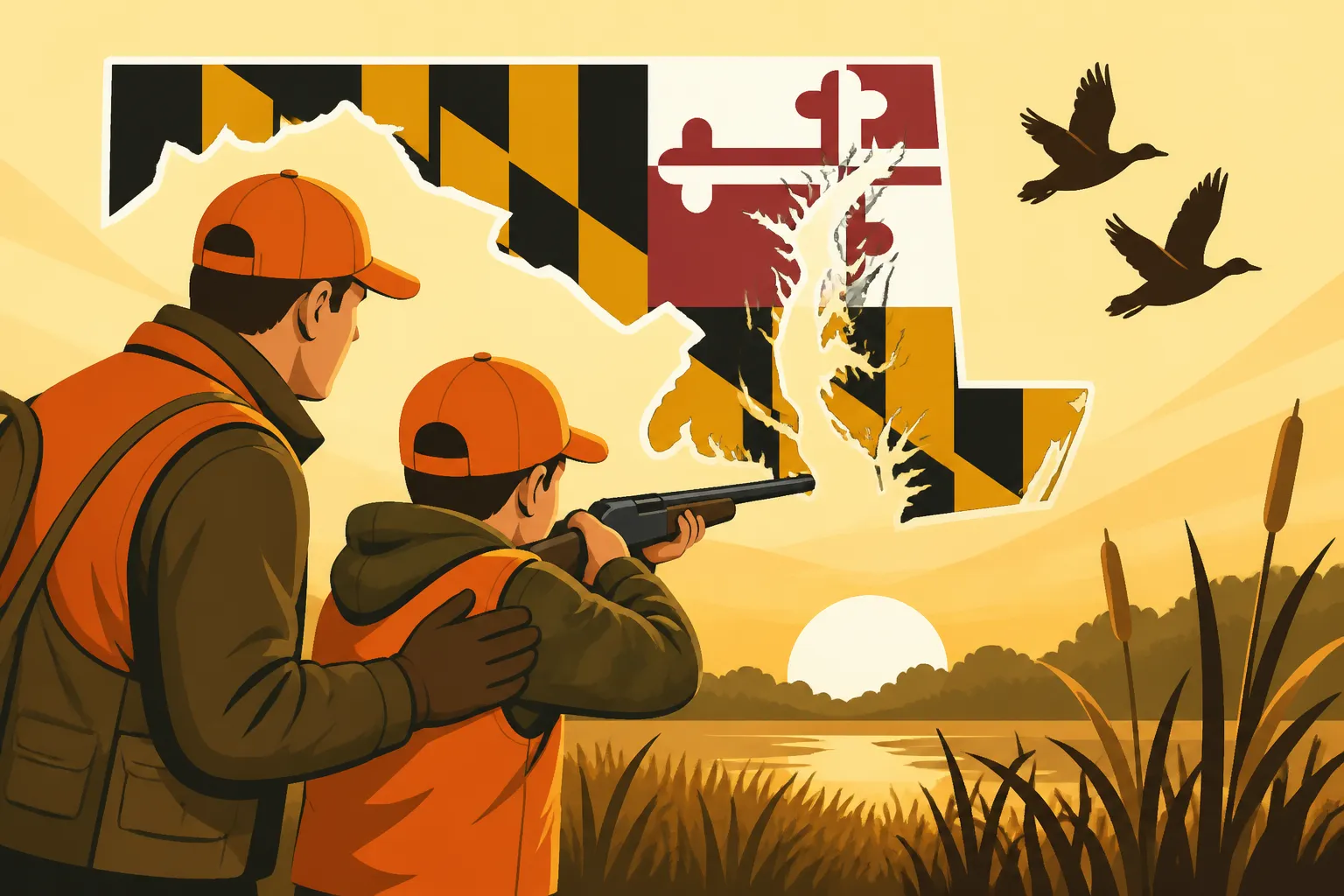
The responsibilities of a mentor in Maryland's Apprentice Hunter Program extend far beyond merely supervising. It's a comprehensive role that demands constant vigilance, active teaching, and unwavering adherence to safety and ethics. The core of this responsibility revolves around "direct supervision," a legal term with very specific meanings depending on the weapon being used. For firearms, the mentor must be within arm's reach of the apprentice at all times, ready to intervene instantly if necessary. When it comes to archery equipment or crossbows, the mentor must be within normal voice contact and maintaining visual contact, allowing for a bit more space but still ensuring immediate oversight.
Safety is the absolute priority. This means constantly reinforcing muzzle control, teaching proper trigger discipline, helping the apprentice clearly identify their target and what lies beyond it, and establishing safe shooting lanes. Beyond immediate safety, mentors are expected to provide unwavering ethical guidance. They must teach the principles of fair chase, ensure proper game recovery even if it's challenging, and instill respect for private property and public land rules. This might involve walking an apprentice through the steps of Getting Private Land Permission in Maryland or explaining the nuances of hunting Maryland's public land before season. The mentor is also the primary source of knowledge transfer. This includes everything from how to read game sign, understand animal behavior, perform field dressing, and correctly identify species to accurately comply with legal bag limits. They are essentially a walking encyclopedia of hunting wisdom. Finally, mentors bear the responsibility for ensuring the apprentice fully understands and adheres to all state hunting laws, including harvest reporting and any specific regulations like the Maryland's Three-Point Antler Restriction. The pressure on a mentor to be both a perfect example and an exhaustive resource is significant, but it's a pressure that dedicated hunters gladly shoulder to bring new blood into the fold.
Eligibility and Requirements for Apprentice and Mentor
Navigating the specifics of who can participate and what licenses are needed can feel a bit like decoding an ancient map. However, understanding the eligibility for both the apprentice and the mentor is fundamental to a successful and legal hunting experience in Maryland. The state has set clear guidelines to ensure safety and proper introduction to the sport.
Apprentice Hunter Eligibility
For someone looking to get into hunting through the apprentice program, the eligibility requirements are designed to be as accessible as possible. First and foremost, there are generally no minimum age requirements to purchase an apprentice license in Maryland, meaning that youth hunters can participate, often as young as 8 years old, provided they are accompanied by a qualified mentor. This makes the program particularly beneficial for families wanting to introduce their children to the outdoors and hunting early, instilling those values from a young age.
Crucially, one of the biggest benefits and defining features of the apprentice license is that prior hunter education is not required. This removes a significant hurdle for newcomers who might be hesitant to commit to a multi-day course before even knowing if hunting is something they truly enjoy. However, it's vital to remember that this exemption is temporary. To eventually obtain a full, unrestricted hunting license and hunt independently in Maryland, the apprentice will need to complete a certified hunter education course. Purchasing the apprentice license is a straightforward process, typically done through the Maryland Department of Natural Resources (DNR) COMPASS online portal or at authorized license agents. It's similar to purchasing any other hunting license, but specifically designated as an "Apprentice" option. While holding an apprentice license, there are a few key restrictions: an apprentice cannot hunt alone, nor can they act as a mentor for another apprentice. Their license is contingent upon the direct, active supervision of their mentor.
Mentor Licensing and Legal Necessities
For the mentor, the legal requirements are equally specific, emphasizing experience and responsibility. A mentor must possess a valid, current Maryland hunting license. This isn't just any license; it must be the appropriate license for the type of hunting being undertaken (e.g., if you're mentoring a deer hunter, you need a deer hunting license and relevant stamps). The mentor must also be at least 18 years of age, reflecting the mature judgment required to oversee another hunter, especially with firearms. While not always a legal mandate, it's strongly encouraged that mentors have significant hunting experience to draw upon. This ensures they can effectively teach, problem-solve, and respond appropriately to various situations that might arise in the field.
Beyond licenses and age, there's an implicit expectation that a mentor operates with the highest ethical standards. While the law doesn't explicitly bar individuals with minor past violations from being mentors, a truly responsible mentor should ideally have a clean record, reflecting a consistent adherence to hunting laws and ethical conduct. This sets the best example for the apprentice. Perhaps the most critical legal necessity for a mentor is a comprehensive understanding of the specific rules governing apprentice hunting, particularly the "How Close a Maryland Mentor Must Stay" regulation. This isn't a suggestion; it's a legal requirement designed to ensure the apprentice's safety and proper instruction. Familiarity with all the nuances of Maryland Apprentice Hunting License Rules is paramount for any aspiring mentor. Remember, the mentor is ultimately responsible for ensuring all aspects of the hunt, including the apprentice's actions, comply with Maryland law.
Benefits and Limitations of Mentored Hunting
Maryland’s apprentice and mentored hunting program offers a unique blend of advantages for new hunters, allowing them to gain practical skills in a supportive environment. However, like any program, it also comes with certain challenges and limitations that prospective participants should consider. Understanding both sides of the coin helps set realistic expectations.
Advantages for New Hunters
The benefits for new hunters embarking on a mentored journey are numerous and impactful. First and foremost is the invaluable hands-on experience. There's simply no substitute for learning practical skills directly in the field—like how to identify a good shot opportunity, how to track an animal, or the best way to field dress game—from someone who has done it countless times. This immediate participation removes the often-daunting hurdle of classroom-only learning, allowing individuals to get into the woods sooner.
This direct, personalized instruction leads to significant confidence building. Instead of feeling overwhelmed, apprentices can ask questions in real-time, receive immediate feedback, and overcome challenges with guidance. This one-on-one attention ensures that learning is tailored to the individual's pace and specific needs, something impossible to replicate in a group setting. It also provides unparalleled access to accumulated knowledge; tapping into years of a mentor's wisdom about specific hunting areas, animal behavior, and seasonal patterns. This isn't just about general facts; it's about the nuanced understanding that only comes from deep experience. For many, the "try-it-before-you-buy-it" aspect is a huge advantage, as it allows them to truly commit to the sport only after experiencing its rewards firsthand. Moreover, it naturally introduces them to the wider hunting community and helps them understand the financial commitments associated with Maryland Hunting Licenses and What They Cost, gear, and travel. A new hunter can effectively use resources like GoHunt to explore different hunting opportunities and prepare for their mentored outings.
Potential Challenges and Considerations
While the advantages are clear, it’s also important to acknowledge the potential challenges and limitations of the mentored hunting model. Perhaps the biggest hurdle for many aspiring hunters is simply finding a suitable mentor. Not everyone is fortunate enough to have an experienced hunter in their immediate family or friend circle who is willing and able to dedicate the time and effort required. This can leave some eager newcomers without a direct path into the program.
Furthermore, the quality of the mentored experience heavily depends on the mentor themselves. A mentor who lacks patience, doesn't adhere strictly to safety protocols, or has questionable ethical standards can inadvertently create a negative or even unsafe experience for the apprentice. The experience is only as good as the teacher. Another key limitation is the inherent dependence of the apprentice. While gaining valuable experience, they cannot legally hunt independently until they complete the full Maryland Hunter Education Requirements course and obtain a regular hunting license. This means the apprentice’s hunting opportunities are constrained by the mentor’s availability and willingness to go afield.
The scope of learning can also be limited. An apprentice might primarily learn about deer hunting if that's the mentor's specialty, but gain little exposure to other pursuits like Waterfowl Hunting Maryland's Chesapeake Bay or Spring Turkey Hunting in Maryland. And, while designed for safety, inherent risks are always present when handling firearms or other hunting equipment, especially if the mentor-to-apprentice ratio isn’t strictly adhered to. It’s also worth noting that some public land regulations or specific managed hunts might have different rules or require additional permits for apprentice hunters, adding another layer of complexity.
Navigating the Mentored Hunt: Practical Steps and Best Practices
Once you’ve got your apprentice license and a mentor lined up, the real adventure begins. But just like any successful hunt, a mentored outing requires careful planning, constant communication, and an unwavering commitment to safety and ethical practices. This isn't a haphazard walk in the woods; it's a structured learning experience.
Pre-Hunt Planning and Preparation
The success of any mentored hunt often hinges on thorough pre-hunt planning. This crucial phase involves a series of discussions and preparations between the apprentice and mentor to ensure a safe, legal, and productive experience. The first step is to collaboratively discuss the target species, relevant seasons, and potential hunting locations. This might involve consulting the Maryland DNR hunting regulations booklet, utilizing online resources, or exploring mapping applications like GoHunt to scout areas, identify public lands (considering Maryland Public Land Hunting Permits), or determine access points on private property. The mentor should outline the specific regulations for the chosen species, including bag limits, legal weapons (Maryland's Legal Weapons by County), and shooting hours.
Next, a detailed discussion about gear and equipment is essential. What will the apprentice need to bring, and what will the mentor provide? This could range from appropriate clothing for the weather conditions, proper footwear, and hunting vests to firearms or archery equipment, ammunition, and binoculars. The mentor should ensure all equipment is in good working order and that the apprentice understands its basic operation and safety features. Most importantly, continuous and open communication between mentor and apprentice is vital. This means setting clear expectations for the hunt, reviewing all safety rules, discussing contingency plans, and outlining the roles and responsibilities of each person. Ensuring both individuals possess the correct and current licenses and stamps is non-negotiable, so double-check the details on their respective Maryland Hunting Licenses and What They Cost. Proper planning eliminates last-minute confusion and significantly enhances the overall experience.
During the Hunt: Safety, Ethics, and Learning
The "during the hunt" phase is where all the planning comes to fruition, and it’s a dynamic environment demanding constant vigilance and active teaching from the mentor. Above all, safety must be the unwavering priority. The mentor must continuously emphasize muzzle control, trigger discipline, and the absolute importance of positive target identification, ensuring the apprentice can clearly identify their quarry and is aware of everything beyond it. This is not a moment for distractions; the mentor's attention should be solely focused on the apprentice's actions and the surrounding environment.
Beyond immediate safety, the hunt is a living classroom. The mentor should be in continuous teaching mode, pointing out game sign, explaining animal behavior patterns, discussing wind direction, and breaking down hunting strategies in real-time. This includes demonstrating how to properly approach a stand, how to sit still and patiently, and how to effectively use calls if applicable. Ethical decision-making is another critical component. The mentor should guide the apprentice through scenarios such as when to take a shot, passing on young animals that don't meet ethical or legal criteria (a great time to discuss Passing a Young Buck Under Maryland's Antler Rule), and respecting boundaries, whether they're private property lines or ethical limits. The apprentice should be actively involved in all aspects, from spotting game to tracking a shot animal, and learning the practical skills of field dressing. This comprehensive involvement fosters a deeper understanding and appreciation for the entire hunting process. And of course, strict adherence to all regulations, including Maryland Blaze Orange Requirements during applicable seasons, is non-negotiable for both mentor and apprentice.
Beyond the Apprentice: Transitioning to Independent Hunting
The apprentice hunting program is a fantastic springboard, but it’s not the final destination. The ultimate goal for most participants is to gain the knowledge and confidence to hunt independently and responsibly. This transition involves a few key steps that solidify their foundation as a capable hunter.
Completing Hunter Education
The most critical step in moving beyond the apprentice phase is completing a formal, certified hunter education course. While the apprentice license cleverly bypasses this initial requirement, it's absolutely essential for any hunter wishing to obtain a full, unrestricted license in Maryland. These courses are designed to provide a comprehensive understanding of hunting ethics, firearm safety, wildlife conservation principles, and detailed state and federal hunting regulations.
Maryland offers various formats for hunter education, including traditional in-person classes, online courses followed by a field day, and hybrid options. Each method is structured to ensure participants grasp the fundamental knowledge and practical skills necessary for safe hunting. The curriculum typically covers everything from safe gun handling, understanding different types of firearms and ammunition, and proper shot placement, to wilderness first aid, survival techniques, and detailed information on game laws and species identification. It's a robust educational experience that builds upon the hands-on learning gained during the mentored hunts. Successfully completing this course is the final academic hurdle, proving a commitment to responsible hunting and equipping the individual with the theoretical knowledge needed to complement their practical experience. Think of it as earning your PhD in hunting.
Earning Your Full Hunting License
Once the hunter education course is successfully completed, the path to earning a full, unrestricted hunting license becomes clear. The next step involves presenting your hunter education certificate to the Maryland Department of Natural Resources (DNR) or an authorized license agent. This certificate serves as proof of your qualification and unlocks the ability to purchase a standard Maryland Resident Hunting License Options (or nonresident, as applicable) along with any necessary stamps for specific game or weapon types. This marks a significant milestone; you are now recognized as a fully qualified hunter by the state.
With a full license, the hunter gains a newfound sense of independence and autonomy in the field. They are no longer required to be under the direct supervision of a mentor, opening up opportunities to explore new areas, hunt at their own pace, and make their own decisions. However, this independence also comes with increased responsibility. The hunter is now solely accountable for their actions, their adherence to all regulations, and their ethical conduct. This includes understanding Minimum Age to Hunt Alone in Maryland if a young hunter is transitioning. The transition isn't just about gaining a piece of paper; it’s about embracing a new level of personal accountability and becoming a self-reliant participant in the hunting community.
Continuing Education and Skill Development
The journey of a hunter never truly ends with a full license; it's a lifelong pursuit of learning and skill development. The most effective hunters are those who are constantly refining their abilities, expanding their knowledge, and adapting to new challenges. One excellent way to continue this growth is by joining hunting organizations like the Maryland Bowhunters Society or Ducks Unlimited. These groups often offer workshops, seminars, and networking opportunities that provide valuable insights and foster a sense of community.
Advanced training, perhaps in specific areas like calling techniques for turkeys or waterfowl, tracking skills, or even basic taxidermy, can further enhance a hunter's capabilities. Utilizing modern technology, such as mapping applications like GoHunt, becomes increasingly important for independent hunters. These tools allow for detailed scouting of new areas, understanding terrain features, identifying property boundaries, and navigating public lands effectively. Understanding how to find Finding Maryland Ground Others Walk Past or how to best utilize Scouting Maryland Public Land With Aerial Photos can be game-changers. The hunting landscape is constantly evolving, with new regulations, changing animal populations, and advancing technologies. Therefore, a commitment to lifelong learning, staying informed, and remaining adaptable is crucial for any hunter wishing to remain successful, ethical, and safe in the field.
Comparative Look: Apprentice vs. Standard Hunter Education
To give you a clearer picture of Maryland’s Apprentice Hunter Program, here's a quick comparison with the traditional path to becoming a licensed hunter. This table highlights the key differences and helps you understand which route might be best for you or a newcomer you're mentoring.
| Feature | Apprentice Hunter Program | Standard Hunter Education Path |
|---|---|---|
| Hunter Education Req. | Not required initially (must complete for full license later) | Required to purchase any hunting license |
| Supervision Req. | Mandatory direct supervision by a licensed mentor | No supervision required once licensed (except for youth age limits) |
| License Type | Specific "Apprentice" license | Standard Resident/Nonresident hunting license |
| Primary Purpose | "Try before you buy," experiential learning, remove initial barrier | Comprehensive education in safety, ethics, and regulations |
| Duration | Typically one season (can be renewed, but hunter ed is encouraged) | One-time course completion |
| Hunting Alone | Not permitted | Permitted (once age limits are met) |
| Cost | Varies (similar to standard license fees for the apprentice tag) | Course may be free or have minimal fee; then standard license fees apply |
| Target Audience | Newcomers, youth, those unsure about committing to hunting | Anyone seeking to become a fully licensed, independent hunter |
This table clearly illustrates that the apprentice program is a stepping stone, a hands-on introduction, rather than a permanent alternative to hunter education. It provides flexibility and a real-world learning environment, but the ultimate goal for becoming a fully independent hunter remains the completion of a certified hunter education course.
Disclaimer
Always consult the Maryland Department of Natural Resources (DNR) official regulations for the most current and accurate information regarding hunting licenses, seasons, and rules. Hunting regulations can change annually, and it is the hunter's responsibility to stay informed and compliant with all applicable laws.