Sika Deer Stamp Cost for Residents
Navigating the specific requirements for hunting different game species in Maryland can sometimes feel like trying to untangle a particularly stubborn fishing line. You’re excited about the hunt, but the bureaucracy of licenses and stamps can put a real damper on your preparation. For many of us eyeing Maryland’s unique Sika deer, understanding exactly what permits are needed and how much they cost, especially the elusive Sika Deer Stamp, is often the first hurdle. This guide will meticulously break down the Sika Deer Stamp cost for Maryland residents, detail how to acquire it, and offer tips to ensure you’re fully compliant and ready for your next Sika adventure.
Understanding Maryland's Sika Deer Hunting Opportunities
Maryland offers a truly distinctive hunting experience with its wild Sika deer population, an introduced species that has thrived in the dense marshes and pine forests of the Eastern Shore. Unlike the ubiquitous whitetail, Sika deer bring a different challenge and a unique trophy, making them a highly sought-after game animal. But with this special opportunity comes a specific licensing requirement that often catches new Sika hunters by surprise.
Why the Sika Stamp Exists
The Sika deer stamp isn't just another piece of paper; it's a vital component of Maryland's wildlife management strategy. When Sika deer were first introduced to Maryland, specifically on James Island, their population was small and localized. Over the decades, they've expanded significantly, primarily across the lower Eastern Shore, making areas like Dorchester and Somerset counties synonymous with Sika hunting. This expansion, while exciting for hunters, requires ongoing monitoring, research, and habitat management to ensure a healthy and sustainable herd, both for the Sika themselves and for the native whitetail deer they share habitat with.
The revenue generated from the sale of Sika Deer Stamps goes directly towards these efforts. It funds surveys to track population numbers, research into their behavior and impact on the ecosystem, and habitat improvement projects that benefit all wildlife in these delicate marsh environments. Think of it as your direct contribution to keeping Maryland's Sika herd thriving for generations to come. It’s not just about paying a fee; it’s about investing in the future of an incredible hunting resource.
Who Needs the Sika Deer Stamp
This is a common point of confusion, and it’s crucial to get it right. Simply put, any hunter, resident or nonresident, who intends to harvest a Sika deer in Maryland must possess a valid Sika Deer Stamp. This stamp is required in addition to your regular Maryland hunting license and any other necessary stamps (like an archery or muzzleloader stamp, depending on your chosen weapon).
There are no age exemptions for the Sika Deer Stamp. Whether you're a seasoned veteran or a junior hunter participating in a mentored hunt, if you plan to tag a Sika, you need the stamp. This ensures that every Sika harvest contributes to the conservation fund and that all hunters are aware of the regulations specific to this species. It’s always best to check the current Maryland hunting regulations, as rules and requirements can occasionally change, but the Sika Deer Stamp has been a consistent requirement for many years.
The Importance of Supporting Conservation
Beyond the direct cost, understanding why these stamps are required can make the purchasing process feel less like a burden and more like a contribution. Maryland's diverse ecosystems, from the Appalachian Mountains to the Chesapeake Bay marshes, support a wide array of wildlife, and hunting fees play a critical role in their preservation. The Maryland Department of Natural Resources (DNR) relies heavily on these funds to manage game species, protect critical habitats, and conduct scientific research.
When you purchase a Sika Deer Stamp, you're not just buying permission to hunt; you're actively participating in the conservation model that has made hunting a sustainable practice in North America. These funds help the DNR manage public hunting lands like Fishing Bay Wildlife Management Area or Deal Island Wildlife Management Area, acquire new habitat, and educate future generations of hunters. Your small investment has a ripple effect, contributing to healthy wildlife populations and accessible hunting opportunities across the state.
Breaking Down the Sika Deer Stamp Cost for Maryland Residents
Let’s get down to the brass tacks: what will this stamp actually set you back? For Maryland residents, the cost of the Sika Deer Stamp is quite reasonable, especially when you consider the unique hunting experience it unlocks.
Current Resident Sika Deer Stamp Price
As of the current hunting season, the Maryland Resident Sika Deer Stamp costs $10.00. This is a flat fee, regardless of your age or the specific season you plan to hunt Sika deer. It's a small price to pay for the opportunity to pursue an animal often referred to as "Japanese elk" in Maryland's distinctive marsh and timber landscapes. This $10 fee directly supports the specific management of Maryland's Sika deer herd, a critical component of their continued success in the state. Remember, this is in addition to your base hunting license and any other weapon-specific stamps you may need. For example, if you plan on Bowhunting Maryland's Long Archery Season for Sika, you’ll need both your base license, an archery stamp, and the Sika stamp.
Where to Purchase Your Sika Deer Stamp
Maryland makes purchasing hunting licenses and stamps relatively straightforward, offering a few convenient options. The primary method, and often the easiest, is through the Maryland DNR's online licensing system, known as COMPASS.
- Online via COMPASS: The Maryland DNR's COMPASS portal is your one-stop shop for all hunting and fishing licenses and permits. You can access it from any computer or mobile device with internet access. This system allows you to purchase your base hunting license, your Sika Deer Stamp, and any other necessary stamps or permits from the comfort of your home. It’s intuitive, secure, and provides instant access to your licenses, which you can print or display on your mobile device. For detailed guidance on the online process, check out our guide on Buying a Maryland License Through COMPASS.
- At Authorized License Agents: If you prefer a face-to-face transaction, you can visit one of the many authorized license agents located across the state. These agents typically include sporting goods stores, bait and tackle shops, and some department stores. They have the same COMPASS system access and can print your licenses and stamps on the spot. It's a great option if you have questions or prefer to handle everything in person, especially if you’re picking up some last-minute gear before your hunt.
- DNR Service Centers: Maryland DNR Service Centers also process license and stamp purchases. While less numerous than authorized agents, they offer direct assistance from DNR staff who can help answer complex questions about regulations or specific stamp requirements.
No matter which method you choose, make sure you receive a physical copy or have access to a digital version of your Sika Deer Stamp, as you must possess it while hunting.
Additional Licenses and Stamps You Might Need
While the Sika Deer Stamp is specific to Sika, it's part of a larger picture of Maryland hunting requirements. To legally hunt Sika deer, or any other game animal, you'll need a foundational set of licenses and stamps.
- Maryland Resident Hunting License: This is your primary permit. Without it, none of the other stamps are valid. The cost for a resident hunting license varies depending on your age and any special considerations (e.g., senior licenses, youth licenses).
- Archery, Muzzleloader, or Firearms Stamp: Depending on the weapon you plan to use, you'll need the appropriate stamp. For instance, if you're planning to hunt Sika with a bow during the archery season, you'll need a Maryland Archery Stamp. If you're going during the late muzzleloader season, a Maryland Muzzleloader Stamp will be necessary. These stamps correspond to the legal weapon types for Maryland's various deer seasons.
- Furbearer or Migratory Game Bird Stamps (if applicable): If your hunting plans extend beyond deer, you might need additional stamps. For example, if you were to combine a Sika hunt with an afternoon of waterfowl hunting in the marshes, you would also need a Maryland Migratory Game Bird Stamp and a Federal Duck Stamp. However, for Sika deer specifically, these are not required.
It’s crucial to verify all required licenses and stamps before heading afield. A good rule of thumb is to consider your target species, your chosen weapon, and the specific season you're hunting. The Maryland DNR website is the authoritative source for all current regulations and requirements.
Here's a quick reference table for common resident deer hunting costs, though prices can change and specific conditions apply:
| License/Stamp Type | Resident Cost (Approx.) | Purpose |
|---|---|---|
| Annual Resident Hunting License | $24.50 | Base license required for all hunting |
| Maryland Resident Sika Deer Stamp | $10.00 | Required to harvest Sika deer |
| Maryland Resident Archery Stamp | $6.00 | Required to hunt deer with a bow or crossbow |
| Maryland Resident Muzzleloader Stamp | $6.00 | Required to hunt deer with a muzzleloader |
| Maryland Resident Bonus Antlered Deer Stamp | $10.00 | Allows harvest of an additional antlered deer in Region B |
Note: Prices are approximate and subject to change. Always verify current costs on the Maryland DNR COMPASS website.
Navigating the Maryland COMPASS System and GoHunt Features
Once you know what you need, the next step is actually acquiring it. The Maryland COMPASS system streamlines this process significantly, and tools like GoHunt can enhance your overall planning.
Step-by-Step Purchase Through COMPASS
The COMPASS system is designed to be user-friendly, allowing you to manage all your Maryland DNR-related purchases in one place. Here’s a typical walkthrough:
- Access the COMPASS Website: Start by navigating to the official Maryland DNR COMPASS portal. You can usually find a direct link on the main Maryland DNR hunting page.
- Log In or Create an Account: If you’re a returning user, log in with your existing credentials. First-time users will need to create an account, which typically involves providing your personal information (name, address, date of birth, etc.) and a valid form of identification. This establishes your hunter profile within the system.
- Select "Purchase Licenses and Permits": Once logged in, look for an option to purchase licenses or permits. The interface is usually straightforward, with clear buttons or menu items.
- Choose Your Desired Items: You’ll be presented with a list of available licenses and stamps. Select your annual Resident Hunting License, the Maryland Resident Sika Deer Stamp, and any other relevant stamps (like archery or muzzleloader). The system will automatically calculate the total cost.
- Review and Pay: Double-check your selections to ensure you haven't missed anything. The system will prompt you for payment information. Maryland accepts major credit cards for online transactions.
- Print or Save Your Licenses: After successful payment, you'll receive a confirmation. You'll typically have the option to print your licenses and stamps immediately or save them as a PDF to your mobile device. It’s a good practice to do both – have a printed copy in your hunting pack and a digital backup on your phone.
The COMPASS system is pretty robust, but if you run into any issues, there are contact options for technical support or you can visit an authorized agent for assistance.
Utilizing GoHunt for Planning and Regulations
While COMPASS is essential for purchasing your licenses, platforms like GoHunt can be incredibly helpful for the planning and scouting phases of your Sika deer hunt. GoHunt offers advanced mapping tools, satellite imagery, and overlays that can help you visualize terrain, identify potential Sika habitat, and understand land ownership.
After you've secured your Sika Deer Stamp, you might use GoHunt's mapping features to scout potential hunting areas, whether on public lands like Hunting Fishing Bay's Marsh Guts by Boat or private parcels you've gained access to. You can look for key features like marsh edges, loblolly pine islands, or dense phragmites beds where Sika are known to feed and bed. GoHunt can also help you understand access points, topography, and even identify areas of high hunting pressure. Integrating this kind of detailed mapping with official DNR regulations, which you can quickly reference after getting your stamp, ensures you're both licensed and strategically prepared. This kind of advanced scouting can be a game-changer when you're targeting a notoriously elusive animal like the Sika.
What to Do After Acquiring Your Stamp
Once you've got your Sika Deer Stamp and other necessary licenses in hand, don't just tuck them away. There are a few crucial steps and considerations to ensure your hunt goes smoothly and legally.
- Carry Your Licenses: Always have your physical or digital licenses with you while hunting. DNR officers frequently conduct checks, and being unprepared can lead to fines or citations. A waterproof license holder is a good investment.
- Understand Bag Limits: The Sika Deer Stamp grants you permission to hunt, but you must also adhere to specific bag limits. Maryland has different bag limits for antlered and antlerless Sika deer, and these can vary slightly by region or season. Familiarize yourself with Maryland's Sika Deer Stamp and Bag Limits to avoid any missteps.
- Proper Registration: If you're fortunate enough to harvest a Sika deer, you must register it with the Maryland DNR within 24 hours of harvest. This is typically done through the COMPASS portal online or by phone. Accurate registration is vital for DNR's population management data. Make sure you understand The Maryland Deer Registration Deadline After a Kill and the process.
- Know the Rules of the Hunt: Beyond the stamp, be aware of specific hunting hours, blaze orange requirements (when applicable), and legal weapon restrictions for the area you're hunting. Sika deer often occupy dense cover, and knowing how to navigate it, perhaps by Reading a Marsh Trail for Sika Sign, is part of being prepared.
Maximizing Your Sika Deer Hunting Experience in Maryland
With your Sika Deer Stamp in hand, you're now ready to focus on the hunt itself. Sika deer offer a truly unique challenge, and preparing effectively can greatly increase your chances of success and enjoyment.
Best Times and Places for Sika Hunting
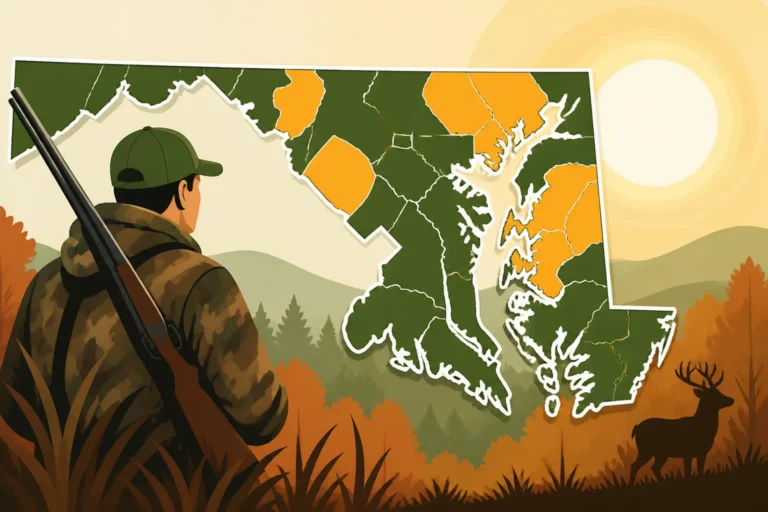
Sika deer hunting in Maryland is heavily concentrated on the lower Eastern Shore, particularly in counties like Dorchester and Somerset. These areas boast the expansive tidal marshes and loblolly pine forests that Sika adore. Public lands like Fishing Bay WMA, Deal Island WMA, and parts of the Chesapeake Forest Lands offer excellent opportunities, though they can experience significant pressure. Private land access, if you can secure it, often provides less crowded hunting.
Timing is also critical. While Sika deer can be hunted throughout Maryland's long archery, muzzleloader, and firearms seasons, many hunters target the period of their rut, often referred to as the "whistle." The Sika rut typically peaks in late September and October, when stags become vocal with their distinctive "whistle" or "bugle," making them more active and potentially more callable. You can learn more about this by reading our piece on Hunting Sika Stags During Their Fall Whistle or When the Sika Rut Peaks. Hunting these areas during the late firearms season can also be productive, especially as Sika concentrate on remaining food sources.
Gear Considerations for Sika Deer
Hunting Sika often means navigating some tough, wet, and dense terrain. Your gear choices can make or break your hunt.
- Footwear: Chest waders or good hip boots are almost essential for marsh hunting. Sika deer spend a lot of time in knee-deep or deeper water, and you will too if you plan on following them. Make sure they are durable and comfortable for walking long distances. Consider the pros and cons of Hip Boots Versus Chest Waders in Sika Country.
- Clothing: Layering is key, as conditions can change rapidly in the marshes. Waterproof and windproof outer layers are a must. Camouflage patterns that blend into marsh grasses or pine trees will serve you well.
- Optics: Good binoculars are invaluable for spotting Sika in dense cover or across open marsh flats. A rangefinder is also highly recommended, especially given the compact size of Sika deer, which can make judging distance tricky.
- Weapon: While Sika are smaller than whitetails, they are incredibly tough animals. A well-placed shot with an adequate caliber is essential. Bowhunters often favor heavier arrows, and rifle hunters typically use cartridges like .243 Win, 6.5 Creedmoor, or .30-30 Win. Knowing What a Maryland Sika Stag Weighs can help you determine appropriate projectile choice.
- Navigation: A GPS device or a robust mapping app on your phone (like GoHunt) is non-negotiable in the vast, often featureless marshes. It’s incredibly easy to get turned around, especially when focused on tracking an animal. Always carry a compass and map as a backup.
Responsible Hunting and Ethical Practices
Holding a Sika Deer Stamp and pursuing these incredible animals comes with the responsibility of ethical and legal hunting. Maryland DNR officers are diligent in enforcing regulations, and ignorance of the law is never an excuse.
- Respect Private Land: Always obtain explicit permission before hunting on private land. Maryland has strict trespass laws, and retrieving a downed animal from private property without permission can still be considered trespassing.
- Identify Your Target: Sika deer share habitat with whitetails. While different in size and antler configuration, in thick cover or low light, misidentification can happen. Always be 100% certain of your target before you shoot. Remember, Sika deer are distinct, and comparing Sika Deer Versus Whitetail Differences can help.
- Shot Placement: Sika deer are resilient. Aim for humane, ethical shots to ensure a quick kill and minimize tracking. Marsh conditions can make blood trailing incredibly difficult, so good shot placement is paramount.
- Minimize Impact: Practice Leave No Trace principles. Pack out everything you pack in, and dispose of field dressing waste responsibly.
By being fully prepared, understanding the regulations, and adhering to ethical hunting practices, your Sika deer hunting experience in Maryland will be both rewarding and compliant.
Disclaimer
The information provided in this guide is intended for general informational purposes only and does not constitute legal advice. Hunting regulations, license costs, and season dates are subject to change. Always consult the official Maryland Department of Natural Resources (DNR) website and current hunting guide for the most accurate and up-to-date information before planning any hunting activity.