Maryland Disabled Hunter Permit Options
For hunters living with disabilities, the call of the wild in Maryland can sometimes feel like an inaccessible dream, riddled with complicated rules, physical barriers, and the frustration of navigating regulations that don't always consider their unique needs. This guide is here to untangle those complexities, offering a clear, empathetic, and comprehensive look at Maryland's disabled hunter permit options, ensuring every passionate hunter has the information they need to get back in the field.
Maryland's Commitment to Accessible Hunting
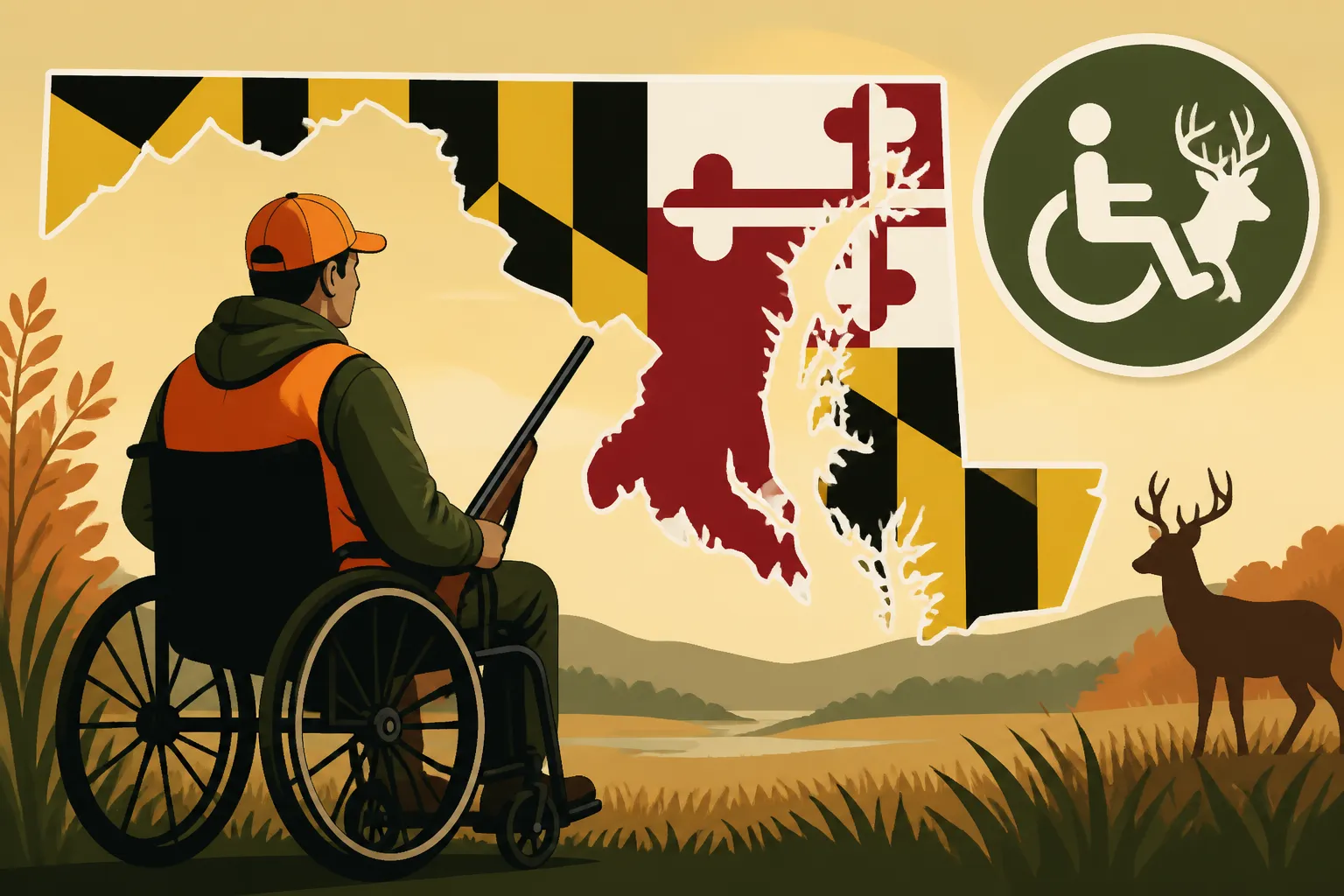
Maryland has made significant strides in acknowledging the diverse needs of its hunting community, including those with disabilities. The state recognizes that a passion for hunting shouldn't be limited by physical challenges, and through specific permits and programs, aims to create a more inclusive environment. This isn't just about handing out a special piece of paper; it's about fostering opportunities and removing as many barriers as possible, allowing individuals to continue a cherished tradition or even discover hunting for the first time.
Why Accessibility Matters in the Hunting Community
Hunting is more than just a sport for many; it's a deep connection to nature, a way to put food on the table, and a vital part of cultural heritage. For individuals who acquire a disability later in life, the thought of losing this connection can be devastating. For those born with disabilities, the struggle to participate in outdoor activities can be a constant battle. Maryland's commitment to accessibility helps bridge this gap, recognizing the profound mental and physical benefits that hunting and outdoor recreation provide. It's about preserving dignity, promoting independence, and ensuring that the wild spaces of Maryland remain open to all who respect them. This inclusive approach strengthens the entire hunting community by bringing diverse perspectives and experiences into the fold, reminding us that the spirit of the hunt transcends physical ability.
Legal Frameworks Supporting Disabled Hunters
The Maryland Department of Natural Resources (DNR) works within state and federal guidelines to offer specific accommodations for disabled hunters. These provisions are not merely suggestions but are often enshrined in law, providing a solid foundation for the permit options available. These laws are designed to address various types of disabilities, from mobility impairments to visual or neurological conditions, acknowledging that "disability" is a broad term requiring a nuanced approach. The DNR continually reviews and updates these regulations, striving to balance accessibility with the principles of wildlife conservation and fair chase. It's important for hunters and their companions to be familiar with these rules, as they dictate everything from allowable equipment modifications to assistance from companions. Understanding this legal backbone helps clarify why certain permits exist and what specific benefits they confer in the field.
Exploring Maryland's Disabled Hunter Permit Options
Maryland offers several distinct permit options tailored to different needs and circumstances of disabled hunters. Navigating these options can feel like a maze, especially when trying to figure out which one applies to your specific situation. The key is to understand the purpose and eligibility requirements for each permit. These aren't just bureaucratic hurdles; they're designed to provide specific, practical accommodations that can make all the difference between staying home and enjoying a successful day in the woods or marsh.
The Universal Disability Pass
One of the most foundational permits for disabled hunters in Maryland is the Universal Disability Pass. This pass is incredibly valuable because it covers a broad spectrum of needs, offering privileges that might otherwise be restricted. It's essentially a comprehensive permit that grants specific accommodations. For instance, holders of a Universal Disability Pass might be allowed to hunt from a vehicle on designated roads or areas, or use certain adaptive equipment not typically permitted for general hunting. This can be a game-changer for those with severe mobility limitations who simply cannot traverse rough terrain on foot. The application process typically involves certification from a medical professional, verifying the nature and extent of the disability. This isn't just about making things easier; it's about making participation possible for many who would otherwise be excluded. Hunters can find detailed information on the Maryland DNR website, often within the section for Maryland Hunting Licenses and What They Cost.
Permit for Persons with Disabilities to Hunt From a Vehicle
Beyond the general Universal Disability Pass, Maryland also offers specific permits, such as the Permit for Persons with Disabilities to Hunt From a Vehicle. This permit is crucial for hunters whose mobility impairment prevents them from walking long distances or accessing remote hunting areas. It allows eligible individuals to shoot from a standing vehicle on certain roads or in designated areas, provided safety regulations are strictly followed. This is a privilege that comes with significant responsibility, as road hunting carries its own set of safety concerns that must be meticulously observed. The permit often specifies the types of roads or areas where this is allowed, usually excluding primary public roads where traffic density poses too high a risk.
Imagine an older hunter, perhaps with a knee replacement or severe arthritis, who can no longer hike miles into a public land timber block. With this permit, they could access specific gated roads on Maryland's Wildlife Management Areas or state forests, allowing them to participate in deer or turkey season from a stationary vehicle, a much safer and more comfortable option than trying to navigate challenging terrain. This kind of accommodation ensures that experience and passion aren't sidelined by physical limitations.
Companion Permits for Disabled Hunters
Another incredibly important provision for disabled hunters in Maryland is the availability of companion permits. These permits allow a designated companion to assist the disabled hunter in various ways, effectively acting as an extension of the hunter. This can include tracking game, retrieving harvested animals, or even physically assisting the hunter in movement or setup. For example, if a disabled hunter harvests a deer deep in a marsh, a companion with the proper permit can legally retrieve that animal, which the disabled hunter might otherwise be unable to do. This support is invaluable, not only for the practical aspects of hunting but also for safety and the overall enjoyment of the experience.
The companion must also possess a valid hunting license and adhere to all relevant regulations. The intent is to facilitate the disabled hunter's participation, not to allow the companion to hunt on their behalf. The rules are clear: the disabled hunter must be present and actively participating in the hunt, even if the companion is performing certain tasks. This program acknowledges that sometimes, the biggest barrier isn't just the hunter's direct physical limitation, but the lack of support systems within the regulatory framework. For many, having a trusted friend or family member alongside them makes the entire endeavor possible and infinitely more enjoyable.
Parking Permits for Disabled Hunters
While not strictly a "hunting permit" in the sense of allowing specific hunting actions, Maryland's disabled parking permits are absolutely vital for accessible hunting. These permits, issued by the Motor Vehicle Administration (MVA), ensure that disabled hunters can access parking spaces closer to hunting areas, trailheads, or blinds. On many public lands, designated accessible parking is available, and having a valid MVA-issued disabled parking placard or license plate is the key to utilizing these spots.
This might seem like a small detail, but for someone using a wheelchair, crutches, or with limited stamina, the difference between a parking spot 50 yards from an accessible blind and one 500 yards away is monumental. It can mean the difference between a successful outing and an exhausting, potentially unsafe, and frustrating experience before the hunt even truly begins. It's a foundational element of accessibility that supports all other hunting accommodations. When you're trying to get your gear organized and make it to your spot before Maryland Shooting Hours and Legal Light begin, every saved step counts.
Applying for and Utilizing Your Disabled Hunter Permits
The process of applying for disabled hunter permits in Maryland involves specific steps, and understanding these can save you a lot of time and frustration. It's not always as straightforward as checking a box, but with a bit of preparation and knowing where to look, you can navigate the system effectively.
Eligibility Requirements and Documentation
Before you even fill out an application, it’s crucial to understand the eligibility requirements for each specific permit. Generally, these permits require certification of a permanent physical disability that substantially limits one or more major life activities, specifically those related to hunting mobility or technique. This certification usually needs to come from a licensed physician. Common disabilities that qualify include, but are not limited to, severe orthopedic impairments, paralysis, severe cardiac or respiratory conditions, and certain neurological disorders.
The documentation typically includes:
- A completed application form: These are usually available on the Maryland DNR website.
- Proof of residency: For resident permits, you’ll need to demonstrate you live in Maryland.
- Medical certification: This is the most critical component. Your physician will need to sign a statement verifying your condition and how it affects your ability to hunt. They might need to provide specific details about your limitations.
- Your Maryland hunting license details: You'll need to have obtained your general hunting license first. This is where resources like GoHunt can be invaluable for finding direct links to the Maryland DNR's licensing portal, often streamlining the initial steps of acquiring your primary license before applying for specialized permits.
It's a good idea to gather all necessary medical records and consult with your physician well in advance. They can help ensure the documentation accurately reflects your limitations and meets the DNR's specific requirements. Don't be afraid to ask for clarity if any part of the application seems ambiguous.
The Application Process Step-by-Step
Once you have all your documentation ready, the application process typically follows these steps:
- Obtain the Application Forms: Visit the official Maryland DNR website. Look for sections related to hunting licenses, permits, or accessibility. The forms for disabled hunter permits are usually distinct from standard license applications. Using a platform like GoHunt can often lead you directly to these specific forms and guidelines, saving time searching through general DNR pages.
- Complete the Hunter Portion: Fill out all your personal information accurately.
- Physician Certification: Have your licensed physician complete and sign the medical certification section of the form. Ensure they use clear language and provide all requested details regarding your disability.
- Submit the Application: You'll generally submit the completed form, along with any required supporting documents, directly to the Maryland DNR Licensing and Registration Service. This can often be done via mail, email, or sometimes in person at a regional DNR office. Always double-check the preferred submission method on the application form itself.
- Await Approval: The DNR will review your application. This process can take some time, so it's wise to apply well before the hunting season you intend to participate in. If anything is missing or unclear, they will usually contact you for further information.
- Receive Your Permit: Once approved, your permit will be mailed to you. Make sure to carry this permit with you whenever you are hunting, along with your regular Maryland Hunting Licenses and What They Cost.
Remember that applying through a service like Buying a Maryland License Through COMPASS handles many standard licenses, but specific disabled hunter permits often have a separate, dedicated application process due to the medical documentation required.
Understanding Permit Limitations and Responsibilities
While disabled hunter permits offer incredible opportunities, they also come with specific limitations and responsibilities that hunters must adhere to. These permits are not a blanket exemption from all hunting regulations but rather specific accommodations. For instance, a permit to hunt from a vehicle doesn't mean you can chase deer across a field; it means you can shoot from a stationary vehicle in designated areas.
Key responsibilities include:
- Carrying Your Permit: Always have your disabled hunter permit, along with your hunting license, in your possession while hunting. Law enforcement and DNR officers may ask to see them.
- Adhering to Safety First: The safety rules for hunting are paramount. Accommodations are never meant to compromise safety for yourself, companions, or others in the field. This is especially true for hunting from a vehicle, where visibility and shot placement are critical.
- Respecting Property and Other Hunters: All general hunting ethics and rules apply. This includes respecting private property boundaries, abiding by regulations for Maryland Public Land Hunting Permits, and being considerate of other hunters.
- Understanding Weapon Restrictions: While some permits may allow for the use of crossbows during archery season for certain disabilities (check specific regulations), you must still adhere to Maryland's Legal Weapons by County restrictions and season dates for your chosen game.
- Annual Renewal: Many permits require annual renewal, or at least periodic re-certification of your disability, so keep track of expiration dates.
Failing to adhere to these limitations and responsibilities can result in fines, permit revocation, or other legal consequences. The intent of these permits is to empower disabled hunters, not to create loopholes for unsafe or unethical practices.
Making the Most of Your Accessible Hunting Experience
Once you have your disabled hunter permits in hand, the real fun begins: planning your hunt. Maryland offers a diverse landscape, and with the right approach, disabled hunters can find rewarding experiences across the state. It's about strategic planning, leveraging available resources, and embracing the unique challenges and joys of hunting with accommodations.
Finding Accessible Hunting Locations
Maryland boasts a variety of public lands that offer accessible opportunities, though finding them often requires a bit of research. Many Maryland's Wildlife Management Areas and State Forests have designated accessible trails, blinds, or vehicle access roads. The DNR website is the first place to check, as they often list specific areas with accommodations.
- DNR Online Resources: Look for maps or descriptions that highlight accessible features like paved trails, wheelchair-friendly blinds, or roads open for disabled vehicle access. Some WMAs, particularly those managed for diverse recreational use, will have more robust accessible infrastructure.
- Contacting DNR Directly: Don't hesitate to call your local DNR office or WMA manager. They are often the best source of up-to-date, hyper-local information on current conditions, accessible blind availability, and designated areas.
- Utilizing Mapping Software: Tools like onX Hunt, and resources found via GoHunt, can be invaluable. These platforms often have layers that show public land boundaries, topo maps, and even aerial imagery, helping you scout potential access points and terrain from home. You can identify flat areas, existing trails, or specific roads suitable for vehicle access, combining this with information about Scouting Maryland Public Land Before Season for a comprehensive plan.
- Accessible Blinds: Some WMAs and even private hunt clubs offer specially constructed accessible blinds that can accommodate wheelchairs or provide easier entry and exit. Inquire about these well in advance, as they are often popular and may require reservations or special permits.
Remember that "accessible" can mean different things to different people. What works for one hunter with limited mobility might not work for another. Personal scouting, either physically or digitally, is key to confirming a location meets your specific needs.
Adaptive Equipment and Strategies
Beyond the permits, adaptive equipment can greatly enhance the disabled hunter's experience. The market for adaptive hunting gear has grown considerably, offering innovative solutions for various challenges.
- Wheelchair Accessible Blinds/Stands: These are specially designed ground blinds or elevated platforms that allow for easy entry and maneuverability with a wheelchair. They often feature wider doors and ramps.
- Shooting Rests and Mounts: For hunters with limited arm or hand strength, specialized shooting rests, bipods, or even adaptive firearm mounts (like those that attach to a wheelchair) can provide stability and precision.
- Electric Game Carts: Retrieving game can be one of the biggest challenges. Electric game carts or utility vehicles can be incredibly helpful for getting a deer or turkey out of the woods, especially if you're hunting with a companion who can operate it.
- Communication Devices: For safety, especially if hunting in remote areas, reliable communication devices (satellite messengers, two-way radios) are crucial. This is true for all hunters but especially important if mobility is limited or you're with an Maryland Apprentice and Mentored Hunting partner.
- All-Terrain Wheelchairs/Mobility Scooters: For those who can navigate some terrain, specialized all-terrain wheelchairs or electric mobility scooters can open up vast new areas that would be impossible with a standard wheelchair. Companies like Action TrackChair make highly capable all-terrain wheelchairs designed for outdoor use.
When considering adaptive equipment, always prioritize safety and ensure any modifications comply with Maryland's hunting regulations regarding weapons and methods. Practice with your new equipment before hitting the field to build confidence and proficiency.
Connecting with Support Networks and Resources
One of the most valuable resources for disabled hunters is other disabled hunters and the organizations dedicated to supporting them. These networks provide not only practical advice but also a sense of community and shared experience.
- Disabled Sportsmen Organizations: National and local organizations such as the National Wild Turkey Federation's Wheelin' Sportsmen program, Safari Club International's S.A.F.A.R.I. program, or local chapters of organizations like the Paralyzed Veterans of America, often host accessible hunts or provide resources for disabled hunters. Many of these groups can connect you with experienced mentors or hunting partners.
- Online Forums and Social Media: There are numerous online communities where disabled hunters share tips, ask questions, and offer support. These can be great places to learn about specific accessible spots in Maryland or get advice on adaptive gear.
- DNR Programs and Events: Keep an eye on the Maryland DNR's calendar for special accessible hunting events or workshops. They sometimes offer guided hunts or opportunities tailored specifically for disabled hunters, even for species like Black Bears in Western Maryland, requiring specific permits.
- Maryland Lifetime Hunting License Options: For eligible disabled veterans or certain other conditions, Maryland offers lifetime hunting license options, which can simplify the annual licensing process and provide long-term access to hunting opportunities.
By actively engaging with these networks, disabled hunters can gain invaluable insights, find hunting partners, and discover new opportunities to enjoy the rich hunting heritage Maryland has to offer, from chasing waterfowl on the Chesapeake to pursuing deer in the mountains. Even exploring topics like Sunday Hunting Hours and Exceptions can become more strategic when collaborating with others who share similar needs and experiences.
Disclaimer
The information provided in this guide is for general informational purposes only and does not constitute legal advice. Hunting regulations, permit requirements, and eligibility criteria are subject to change. Always consult the most current Maryland Department of Natural Resources (DNR) official regulations and publications or contact the DNR directly for the most accurate and up-to-date information before planning any hunting activities.