Woodcock and Snipe in Maryland
There's a quiet corner of Maryland hunting that often gets overlooked, nestled between the excitement of deer season and the camaraderie of waterfowl blinds. I'm talking about woodcock and snipe, two truly unique migratory birds that offer an incredible challenge and immense satisfaction, but many hunters feel like they don't even know where to begin looking for them. This comprehensive guide is designed to pull back the curtain on these elusive upland gems, giving you the insights and strategies you need to add them to your Maryland hunting repertoire.
Understanding Woodcock and Snipe: The Elusive Migratory Duo
Maryland is a crossroads for a lot of migratory species, and among the less celebrated but equally fascinating are the American woodcock and the common snipe. These aren't your typical field edge pheasants or soaring ducks; they're birds of specific habitats, with flight patterns that can make even seasoned wingshooters scratch their heads. Learning to differentiate them, and understand their unique lifestyles, is the first step toward successfully pursuing them.
American Woodcock Characteristics and Habitat in Maryland
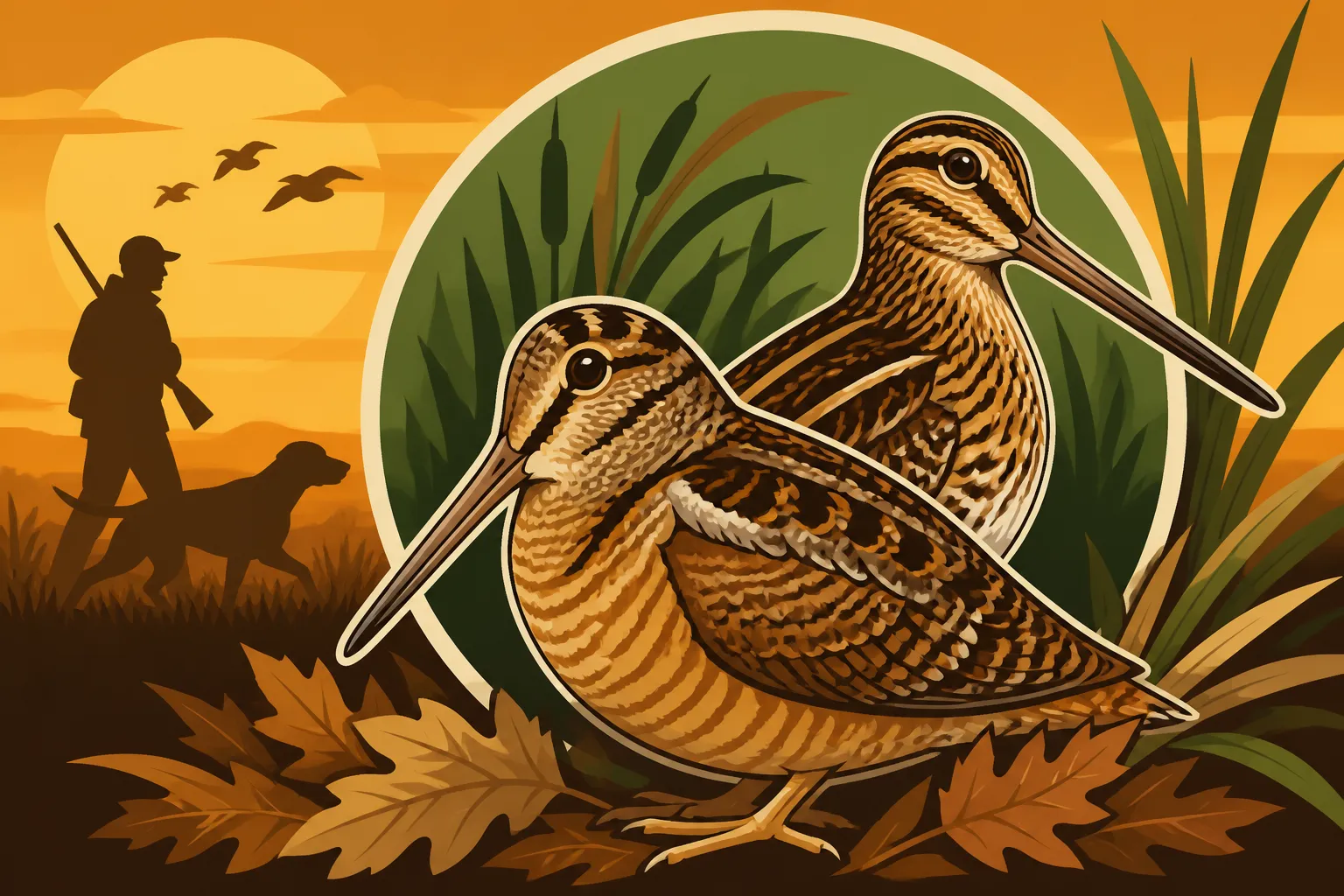
The American woodcock, often affectionately called "timberdoodle" or "bogsucker," is a truly remarkable bird. It's built like a chunky football with disproportionately long legs and an even longer bill, perfectly adapted for probing soft earth for earthworms, its primary food source. Their plumage is a beautiful, mottled blend of browns, grays, and blacks, providing incredible camouflage in the dappled light of the thick cover they inhabit. When flushed, they explode from the undergrowth with a distinctive, twittering whistle from their wings, flying a short, erratic distance before dipping back into cover, making for a challenging shot.
In Maryland, you'll find woodcock preferring young, regenerating forests, alder thickets, and dense shrubby areas, particularly those with moist, soft soil. Think creek bottoms, old logging roads, and even the brushy edges of abandoned fields that are growing back up. They need this soft ground to feed, and the thick overhead cover provides protection from predators. As migratory birds, they pass through Maryland in the fall, heading south, and then again in the spring on their way back north to breed. Knowing when to catch these migratory windows is crucial for success. These are typically the areas you'd expect to find a Hunting Woodcock in Maryland Alder Bottoms opportunity.
Common Snipe Identification and Preferred Maryland Environments
The common snipe, on the other hand, is a bird of open, wet environments. Visually, they share a similar long-billed, well-camouflaged profile with the woodcock, but snipe are more slender, often with distinctive longitudinal stripes on their heads and backs. They are shorebirds, closely related to sandpipers, and their flight is notoriously swift and zig-zagging, often accompanied by a harsh, grating "scaip!" call as they flush. This erratic flight pattern is precisely why they're such a thrill for wingshooters.
Snipe in Maryland are almost exclusively found in wet, open habitats. Think muddy shorelines, flooded agricultural fields, soggy pastures, and marshy edges. They feed by probing the soft mud for invertebrates, much like their woodcock cousins. You'll often find them alongside other shorebirds or even waterfowl, though they prefer the shallower, muddier fringes. While woodcock are often found inland, snipe are more tied to the state's extensive network of wetlands, particularly on the Eastern Shore. They're quick, agile, and if you've never hunted them, be prepared for some humbling misses!
Why These Birds Are Often Overlooked by Hunters
It's a fair question: why don't more people pursue woodcock and snipe in Maryland? I've heard a few common reasons over the years. First, they aren't as numerous as, say, white-tailed deer or Canada geese, so success often means covering a lot of ground for fewer opportunities. Second, their habitat can be challenging – slogging through mucky creek bottoms or dense briar patches isn't everyone's idea of a fun afternoon, especially compared to sitting comfortably in a deer stand. Third, they require specific gear and tactics, particularly if you're working with a dog, which not every hunter has.
Finally, there's often just a lack of awareness. Many new hunters, or even seasoned big game hunters, simply aren't familiar with these birds or how to hunt them. They don't have the same high profile as other game species. But I'll tell you, for those who do put in the effort, the reward is an incredibly unique and engaging wingshooting experience that truly tests your skill and your patience. Plus, a bonus: both woodcock and snipe are absolutely delicious table fare, often described as having a rich, gamey flavor, if you handle them properly after the shot.
Maryland Seasons and Regulations for Woodcock and Snipe
Just like any other game species in Maryland, hunting woodcock and snipe comes with its own set of rules and seasons. These are migratory birds, which means their management falls under federal guidelines as well as state regulations, leading to specific season dates, bag limits, and licensing requirements. It's crucial to be up to date on these before you head out, because nobody wants a conservation officer encounter that puts a damper on a great day afield.
Key Season Dates and Bag Limits
Maryland’s woodcock and snipe seasons are typically split into a few segments, usually running from fall into early winter, and sometimes with a late season for woodcock. This allows hunters to target birds during different phases of their migration. For woodcock, you'll often see an early season in October and a later one extending from November into January. Snipe seasons tend to be a bit longer, often spanning from September or October through January.
It's important to remember that these dates can shift slightly year to year based on federal frameworks and state biological assessments, so always check the most current Maryland Hunting Guide from the Department of Natural Resources (DNR). As for bag limits, they are generally quite conservative, reflecting the migratory nature and population status of these birds. Typically, the daily bag limit for woodcock is three birds, with a possession limit of nine. For snipe, you're usually looking at a daily bag of eight birds and a possession limit of 24. These limits are in place to ensure sustainable hunting opportunities for these fascinating species for years to come. Make sure you know them cold before you head out.
Essential Licensing and Permits for Migratory Birds
Hunting woodcock and snipe in Maryland isn't as simple as just grabbing your basic hunting license. Because they are migratory game birds, there are additional stamps and registrations required. First and foremost, you'll need a valid Maryland hunting license, which you can typically purchase through the state's COMPASS system or at licensed retailers. Beyond that, you'll need a Maryland Migratory Game Bird Stamp, which is a state-level requirement specifically for hunting species like woodcock, snipe, doves, and waterfowl.
On top of the state stamp, every migratory bird hunter in the U.S. is required to register with the Harvest Information Program (HIP). This is a federal program that helps wildlife agencies gather vital harvest data, which is crucial for managing migratory bird populations. You can typically complete your HIP registration when you purchase your Maryland Migratory Bird Stamp or through the COMPASS system. It’s a quick process, but absolutely non-negotiable. Without HIP registration, you're not legally hunting migratory birds. You can learn more about these requirements by checking out the guide on Maryland Migratory Bird Stamp Requirements.
Legal Shooting Hours and Equipment Considerations
When it comes to legal shooting hours for woodcock and snipe, they generally follow the same rules as other migratory game birds in Maryland: half-hour before sunrise to sunset. This gives you ample time to be out in the field during prime morning and evening activity, but it's always smart to double-check the exact sunrise and sunset times for your specific hunting day and location. Early morning often offers fantastic opportunities, especially for woodcock moving to feeding areas.
As for equipment, while these birds might seem small, they are incredibly fast. A 12 or 20-gauge shotgun is standard, often choked more openly than you might use for larger game, like an improved cylinder or skeet choke, to give you a wider pattern for those close, quick shots. Light loads, typically 7 ½ or 8 shot, are perfect for these fragile birds, providing plenty of pattern density without excessive damage to the meat. You won't be taking long-range shots. The real key, however, especially for woodcock, is good quality upland hunting boots and durable brush pants or chaps. You'll be walking through some seriously thick stuff, and you want to be comfortable and protected. A reliable GPS device or a mapping app like GoHunt is also invaluable for navigating dense cover and marking prime flushing locations.
Finding the Right Habitat: Where to Hunt Woodcock and Snipe
Success in woodcock and snipe hunting boils down to one primary factor: finding the right habitat. These birds are incredibly specific about where they live and feed, and if you're not in the right spot, you might as well be looking for them in a parking lot. Understanding their preferred environments is paramount, and it often means going places other hunters ignore.
Woodcock Coverts: Young Forests and Alder Thickets
Woodcock are creatures of the dense understory and soft soil. When I think of prime woodcock habitat in Maryland, my mind immediately goes to young, regenerating timber cuts, particularly those where hardwoods are coming back strong, and alder thickets along creek and river bottoms. They need that thick, almost impenetrable cover that's too dense for most other upland birds, and they need the moist, loamy soil for probing with their long bills.
Look for areas with a mix of young saplings, shrubs like dogwood and viburnum, and maybe a few scattered mature trees for them to "sing" from during their spring courtship flights (though we hunt them in the fall!). Abandoned farmland that has reverted to brush, especially with low-lying wet spots, can also be a gold mine. These birds often prefer spots that get dappled sunlight, not deep shade, to keep the ground soft. Some of the state forests in Western Maryland, like Savage River State Forest or Green Ridge State Forest, might offer some pockets of ideal young timber, especially in regenerating clearcuts or along small stream drainages. On the Eastern Shore, look for similar thickets along creeks and ditches that run through agricultural areas. Don't be afraid to push through briars – that's often where the woodcock are hiding. A good mapping app can help you identify these specific types of coverts, and even help you differentiate public vs. private land, which is critical. Checking out areas highlighted in Maryland's State Forests Open to Hunters could also give you some ideas for promising spots.
Snipe Marshes and Wet Meadow Hotspots
Snipe are a different beast entirely, preferring open, wet, often muddy environments. Think of them as the wetland counterpart to the woodcock's forest domain. Ideal snipe habitat in Maryland includes flooded agricultural fields, particularly after a heavy rain or when irrigation is running, muddy shorelines of tidal creeks and rivers, and low-lying wet meadows or pastures. They love areas where the water is shallow enough to wade but the mud is soft enough for probing.
On the Eastern Shore, Maryland’s extensive marsh systems, particularly in Dorchester, Somerset, and Wicomico counties, offer fantastic snipe opportunities. Deal Island Wildlife Management Area and Fishing Bay Wildlife Management Area are known for their abundant waterfowl, but their fringes and surrounding wet fields can hold impressive numbers of snipe, especially during migration. Look for areas with short vegetation, rushes, or sparse grasses that allow them to see incoming predators but still offer cover. If you see tracks of other shorebirds or mud that's pockmarked with probe holes, you're likely in a good spot. Again, using a mapping tool like GoHunt can help you pinpoint these low-lying, wet areas, especially identifying public access points around marshes.
Scouting for Prime Locations Across Maryland
Scouting is absolutely essential for both woodcock and snipe, perhaps even more so than for other game because their presence is so localized and transient. For woodcock, you're looking for specific vegetative structure and soil conditions. This can often be done with aerial photos from a good mapping app. Look for distinct patches of young, dense growth near water sources or creek bottoms. Don't be afraid to get out and walk these areas before the season, even without a gun. Look for their distinctive "splats" – white, chalky droppings – and probe holes in the soft earth. This sign confirms their presence.
For snipe, scouting often involves checking wetland conditions. Are the fields wet enough? Is the mud soft? After a significant rainfall, many traditionally dry areas can become temporary snipe havens. Drive backroads, observe pond edges, and pay attention to areas where you see other shorebirds. The beauty of these birds is that a spot that holds them one day might be empty the next, or vice-versa, depending on migration patterns and weather. So, consistent scouting, both in person and with digital tools, pays dividends. Always check the regulations for Maryland Public Land Hunting Permits if you plan to access Wildlife Management Areas or State Forests.
Effective Hunting Strategies and Gear
Once you've done your homework and found some promising looking coverts or marshy fields, it's time to put boots on the ground. Hunting woodcock and snipe requires a blend of stealth, quick reflexes, and often, the help of a four-legged friend. These birds are small, fast, and masters of camouflage, so your approach and equipment need to be dialed in.
Walking Up Birds: The Thrill of the Flush
For many hunters, particularly those without dogs, walking up woodcock and snipe is a classic upland pursuit. This involves systematically working through likely habitat, moving slowly and deliberately, pausing frequently. These birds will often hold incredibly tight, especially woodcock, allowing you to walk right past them before they flush. The "pause and go" method is effective: walk for 15-20 yards, then stop for 10-15 seconds. This often makes a woodcock, thinking it's been passed, nervous enough to flush.
When hunting snipe, a similar approach can work in wet fields. Walk into the wind if possible, as it helps carry your scent away and can sometimes influence the direction of their flush. Keep your eyes peeled, not just for the birds themselves, but for any subtle movement or the tell-tale "scaip!" that indicates a flush. Be ready! Their flight is notoriously erratic. It takes quick reflexes and a smooth swing to connect. These hunts are a fantastic way to enjoy a crisp fall day and get a good workout, covering ground that often sees little hunting pressure. You might even stumble upon some unexpected game, perhaps even some rabbits if you're working Rabbit Hunting Maryland Farm Hedgerows along the edges of the marsh or woods.
Dog Work: The Indispensable Partner
If there's one thing that truly elevates woodcock and snipe hunting, it's a good bird dog. Whether it's a pointing breed like a Setter or a Pointer, or a flushing dog like a Springer Spaniel or a Labrador, a trained dog can dramatically increase your success and enjoyment. Their keen noses allow them to locate birds that you would undoubtedly walk past, holding them tight for a point (pointers) or flushing them within gun range (flushers).
For woodcock, a pointing dog is invaluable. They'll lock up on a bird, allowing you to walk in, get set, and be ready for the flush. This takes much of the guesswork out of finding the birds. For snipe, a dog with a good nose and a strong retrieve is also a huge asset, especially in thick, wet cover where a downed bird can be incredibly difficult to find. Just remember, hunting with dogs requires its own etiquette and training, ensuring both your safety and that of your companion. Make sure your dog is up to date on all its shots and consider a bright, visible vest for safety in the field. Using an app like GoHunt to mark where your dog goes on point or where birds flush can help you pattern areas for future hunts.
Shotguns, Loads, and Chokes for Fast-Flying Fliers
Choosing the right firearm and ammunition is critical for these quick, small birds. As mentioned earlier, a 12-gauge or 20-gauge shotgun is the standard. Many hunters prefer a lightweight, fast-handling over-and-under or semi-automatic. The speed of the shots you'll take means you want a gun that comes to your shoulder naturally and swings easily.
For chokes, open patterns are your friend. Improved Cylinder (IC) or Skeet chokes are excellent choices, especially in the dense woodcock coverts where shots are typically close and fast. For snipe in more open areas, an IC might still be preferred, though a Light Modified could be considered if you expect slightly longer shots. As for loads, light target loads or upland loads with shot sizes of 7 ½ or 8 are perfect. They deliver a dense pattern of small pellets ideal for dropping these fragile birds cleanly without excessive meat damage. You won't need heavy waterfowl loads here. It's all about pattern density at close range.
Comparative Analysis: Woodcock versus Snipe Hunting
While both woodcock and snipe offer exhilarating migratory bird hunting in Maryland, the experience of pursuing each is distinct. Understanding these differences and similarities can help you tailor your approach, choose your gear, and ultimately maximize your enjoyment and success in the field. They are often grouped together, but their nuances make for two very different hunts.
Similarities and Differences in Behavior and Pursuit
The most striking similarity between woodcock and snipe is their long, probing bills, an adaptation for feeding on worms and invertebrates in soft soil. Both are migratory, passing through Maryland during defined windows, and both exhibit incredibly erratic flight patterns when flushed, making them challenging targets for wingshooters. They also share a relatively small size and delicate flesh, requiring light loads and careful handling.
However, their preferred habitats dictate vastly different hunting experiences. Woodcock are true forest birds, requiring dense, young cover and moist, well-drained soil. Hunting them means pushing through thickets, often with a pointing dog, focusing on stealth and quick, close-range shots. The flush is often a surprise, a twittering rocket from underfoot. Snipe, on the other hand, are birds of open wetlands, flooded fields, and muddy edges. Hunting them often involves slogging through water and mud, sometimes without a dog, with shots often taken against an open sky, though their zig-zagging flight is even more pronounced than a woodcock's. The snipe's "scaip!" call on the flush is also more distinct. One could easily spend a morning Wading Into a Dorchester Marsh Before Daylight for snipe, and an afternoon still-hunting for woodcock in a nearby woodlot.
Challenges and Rewards Unique to Each Species
Hunting woodcock often presents the physical challenge of navigating extremely dense cover. Briars, tangled branches, and muddy footing are par for the course. The reward, however, is the pure thrill of a close-quarters flush and the satisfaction of connecting with a bird that seemed to appear out of nowhere. There's an intimacy to woodcock hunting, a feeling of being deep within the bird's world, that's hard to replicate. Finding a productive covert and consistently flushing birds is a testament to diligent scouting and perseverance.
Snipe hunting, while perhaps less physically taxing in terms of brush busting, poses its own unique set of challenges. The open, wet environments can mean longer walks through mucky ground, and the snipe's flight can be even more bewildering than the woodcock's. It's truly a test of pure wingshooting skill. The reward for a successful snipe hunt is often a higher bird count than woodcock, and the sheer satisfaction of mastering their unpredictable aerial maneuvers. Plus, the backdrop of a vast marsh or an open field under a big sky offers a different kind of aesthetic appeal.
Combining Hunts for a Diverse Upland Experience
One of the great joys of Maryland's migratory bird seasons is the potential to combine hunts. It’s entirely possible to target woodcock and snipe on the same day, especially if you're hunting in areas where suitable habitat for both species is geographically close. For instance, many agricultural areas on the Eastern Shore have both wet fields and marsh fringes for snipe, as well as adjacent regenerating timber or creek bottoms that hold woodcock.
Imagine a morning hunt working a low-lying marsh for snipe, then moving to a nearby timber patch along a creek bed for woodcock in the afternoon. This multi-species approach not only broadens your hunting experience but also increases your chances of putting birds in the bag. Having a reliable mapping application like GoHunt can be incredibly useful for identifying these varied habitat types and planning efficient routes between them. This approach also helps you make the most of your Maryland Small Game Season Dates and Daily Limits, allowing for a truly diverse and fulfilling day afield. It’s a fantastic way to appreciate the rich tapestry of Maryland’s game birds.
Conservation and Future of Upland Bird Hunting in Maryland
Like all migratory game birds, woodcock and snipe populations are monitored and managed at both state and federal levels. For us hunters, understanding and supporting these conservation efforts isn't just a good idea, it's essential for ensuring these unique upland experiences remain available for generations to come.
Habitat Management for Woodcock and Snipe
The biggest key to ensuring healthy woodcock and snipe populations in Maryland, and indeed across their range, is habitat. For woodcock, this means an emphasis on early successional forest habitat – young forests. Historically, logging and natural disturbances like fires created these environments, but with changes in land use and forestry practices, active management is often needed. Programs that encourage timber harvests, selective cutting, and brush management create the dense, young cover woodcock need. Many state and federal lands, including some Wildlife Management Areas (Hunting Maryland's Wildlife Management Areas), implement these practices.
For snipe, habitat management focuses on wetland preservation and enhancement. This includes maintaining water levels in managed impoundments, restoring degraded wetlands, and encouraging agricultural practices that consider the needs of migratory shorebirds. The conversion of wetlands to other uses and changes in farming methods can significantly impact snipe. Efforts by organizations like Ducks Unlimited and state agencies to restore and maintain shallow water impoundments and wet agricultural fields are vital for snipe.
The Role of Hunter Contributions to Conservation
Hunters play a direct and significant role in the conservation of woodcock, snipe, and other migratory birds. A portion of every hunting license and federal duck stamp purchase goes directly towards habitat acquisition, restoration, and research. Your mandatory HIP registration, as previously mentioned, provides crucial data on harvest numbers, which is used by biologists to set future season dates and bag limits, ensuring sustainable populations.
Beyond financial contributions and data collection, hunters can also be vocal advocates for habitat conservation. Supporting land trusts, participating in local habitat projects, or even just leaving brushy coverts on your own property or leased land can make a difference. We are, after all, the frontline conservationists, and our passion for these birds should translate into a commitment to protecting their future.
Ensuring a Legacy for Future Generations
The future of woodcock and snipe hunting in Maryland, much like all hunting, relies on the health of the species and the continued engagement of hunters. Introducing new hunters to these unique pursuits is incredibly important. Taking a youth out for their first woodcock hunt, teaching them about the bird's ecology, and showing them the thrill of a dog on point or a snipe rocketing skyward creates a lasting impression. You can learn more about getting youngsters involved by exploring Hunting Maryland's Youth Waterfowl Days, though it focuses on waterfowl, the mentorship principles are the same.
Continued research into migration patterns, population dynamics, and habitat needs is also vital. By staying informed, participating in surveys if opportunities arise, and respecting regulations, we contribute to a rich legacy. These birds may be overlooked by many, but for those of us who cherish the snap of a gun and the dance of a timberdoodle or a snipe in the autumn sky, their conservation is a responsibility we gladly embrace.
| Feature | American Woodcock | Common Snipe |
|---|---|---|
| Primary Habitat | Young, dense forests, alder thickets, moist creek bottoms, regenerating clearcuts | Open, shallow wetlands, flooded agricultural fields, muddy shorelines, wet meadows |
| Typical Flight | Explosive, twittering whistle, erratic, short, then dips back into cover | Extremely fast, zig-zagging, often accompanied by a "scaip!" call, longer flights |
| Feeding Method | Probes soft earth for earthworms with long bill | Probes soft mud for invertebrates with long bill |
| Season Dates | Fall & late fall/early winter splits (e.g., Oct, Nov-Jan) | Fall & early winter (e.g., Sep/Oct-Jan) |
| Daily Bag Limit | Typically 3 birds | Typically 8 birds |
| Hunting Style | Pushing dense cover, often with pointing dog; walking up birds | Slogging through open wet areas, walking up birds; some dog work |
| Shotgun Choke | Improved Cylinder, Skeet | Improved Cylinder, Light Modified |
| Ammunition | Light loads, 7 ½ or 8 shot | Light loads, 7 ½ or 8 shot |
| Distinguishing Call | Twittering wings on flush | Harsh "scaip!" on flush |
Disclaimer
Please remember that hunting regulations, seasons, and licensing requirements can change. Always consult the most current Maryland Department of Natural Resources (DNR) hunting guide and relevant federal regulations before planning any hunt. This article is for informational purposes only and does not supersede official government regulations.