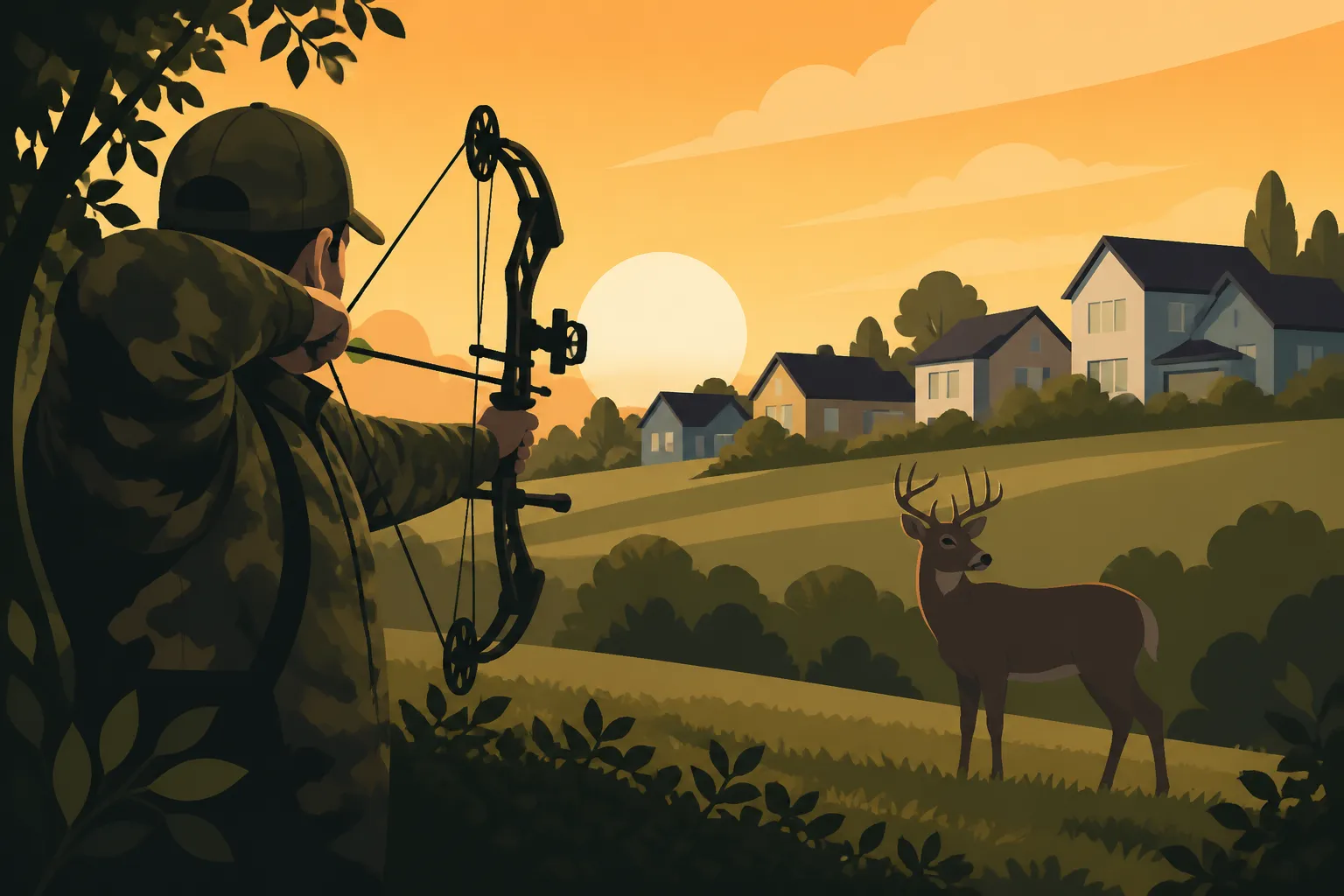
Hunting Maryland’s Suburban Corridor
It’s easy to feel like the concrete jungle is always expanding, pushing wild spaces and hunting opportunities further and further away. Many Maryland hunters lament the growth of towns and suburbs, thinking it means fewer places to pursue their passion. But the truth is, Maryland's suburban corridor, while challenging, actually holds some incredible, often overlooked, deer hunting opportunities for those willing to adapt their approach and truly understand this unique environment. This comprehensive guide will walk you through everything you need to know to successfully and ethically hunt deer in Maryland’s bustling suburban zones.
Understanding the Suburban Hunting Landscape
Hunting in Maryland's suburban areas isn't like heading into the deep woods of Western Maryland or the vast marshes of the Eastern Shore. It's a completely different ballgame, requiring a shift in mindset, strategy, and respect for proximity to human habitation. Forget sprawling public land; here, you're looking at smaller, often fragmented parcels, woodlots, creek bottoms, and green spaces nestled right alongside homes, roads, and businesses.
The Unique Challenges of Close Quarters
The most immediate challenge in suburban hunting is, of course, the proximity to people. This isn't just about ethical considerations, though those are paramount; it's also about practicalities. Noise, human scent, dog walkers, and the general hustle and bustle mean deer are constantly on alert. Your traditional calls might spook them, and your typical access routes might be too visible. You'll need to think about quieter movements, shorter distances, and even the direction of your shot. The days of long shots across open fields are often replaced by careful, close-range engagements in dense cover. It requires patience and a keen eye for subtle signs of deer movement that might be overlooked in a wilder setting. It also demands a deep understanding of local ordinances, as what's legal in one county might be strictly forbidden just across the road.
Deer Behavior in Populated Areas
Deer in suburban areas are masters of adaptation. They learn to navigate human presence, often becoming more nocturnal and using dense cover during daylight hours. They might bed down surprisingly close to homes, taking advantage of overlooked thickets, overgrown fence lines, or undeveloped pockets of land that offer a sense of security. These deer also become accustomed to certain human sounds – barking dogs, traffic, lawnmowers – often reacting less to them than their rural counterparts might. However, unusual human activity, like a hunter moving through at dawn, can still send them scattering. They'll key into changes in patterns and pressure. Understanding their movement corridors, often through backyard easements, drainage ditches, and small woodlots, becomes absolutely critical. You might find them feeding on ornamental plants in someone's landscaping or browsing on apples from an old, forgotten orchard tree within a residential area. These deer live on a different schedule and use different resources than deer living solely in wilderness settings.
Identifying Huntable Pockets of Habitat
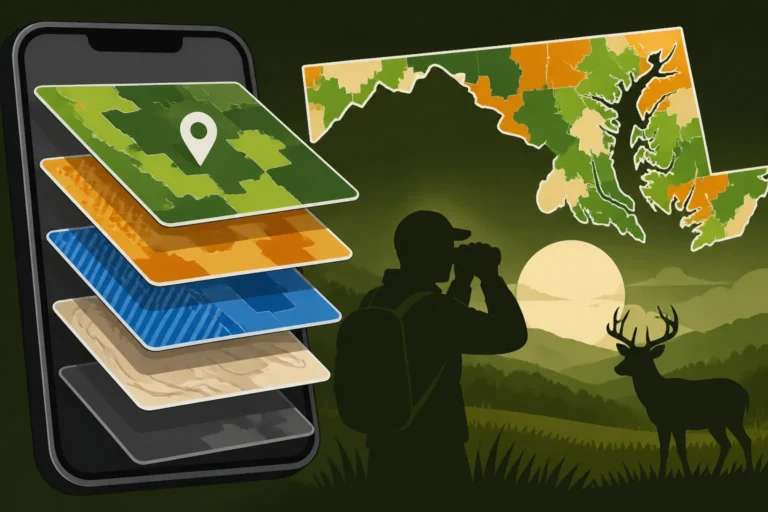
Don't let the houses fool you. Even in the most developed counties, pockets of prime deer habitat persist. Look for creek bottoms, utility line rights-of-way, old farm fields that haven't been fully developed, large undeveloped residential lots, or even dense thickets within larger park systems. Often, these areas are overlooked by other hunters precisely because they seem "too close" to everything. Using mapping tools like onX Hunt is absolutely invaluable here, allowing you to identify property boundaries, green spaces, and potential access points down to the foot. You can spot the little finger of woods running behind a strip of houses, or the brushy island in a subdivision that offers a secure bedding area. These small, isolated patches, often connected by narrow travel corridors, can hold a surprising number of deer, especially if they feel unpressured. Remember, deer don't need hundreds of acres; they need food, water, and cover, and they're incredibly good at finding those things in fragmented landscapes.
Navigating Regulations and Permits
Hunting in Maryland's suburban corridor isn't just about finding deer; it's equally about understanding and meticulously adhering to a complex web of regulations that can vary significantly from one county or even municipality to the next. Ignorance of the law is never an excuse, and in populated areas, mistakes can have serious consequences for both you and the public perception of hunting.
Specific County Rules and Weapon Restrictions
This is where your homework really pays off. While Maryland has statewide hunting regulations, many counties, especially those in the suburban belt like Montgomery, Howard, Anne Arundel, and Baltimore counties, have stricter rules regarding legal weapons, discharge distances, and even specific hunting seasons or permits. For instance, you’ll find that Bowhunting Maryland Suburbs Where Rifles Are Banned is a very real scenario in many areas, meaning archery equipment is often your only option for deer. Some counties may restrict shotgun use to specific types of ammunition (like slugs only, no buckshot), or prohibit firearms entirely in certain zones. Always check the Maryland Department of Natural Resources (DNR) guide and the specific county or municipal ordinances. Don't rely on what you heard from a friend. These local rules are in place to ensure public safety and minimize disturbance, and adhering to them is non-negotiable.
Required Licenses and Management Permits
Beyond your basic Maryland hunting license and the necessary stamps, suburban hunting often requires additional permits, especially for accessing public lands or participating in managed hunts. Many state parks, county parks, and even certain community properties within the suburban corridor have specific deer management programs designed to control deer populations that might otherwise become a nuisance or health hazard. These hunts often require an application, may be lottery-based, and typically have very specific rules regarding hunting days, weapon types, and harvest limits. For example, some areas require a specific "Deer Management Permit" that dictates when and where you can hunt. It’s not uncommon to need a separate permit just to carry a crossbow in certain managed hunt areas, even if you’re already licensed. Ensure you understand Maryland Hunting Licenses and What They Cost and all the associated stamps you'll need. Always keep your physical or digital copies of all licenses and permits with you while afield.
Sunday Hunting and Setback Laws
Sunday hunting in Maryland can be a bit of a maze, especially in suburban areas. While more counties are opening up to Sunday hunting, there are often specific restrictions on which Sundays are open, what weapons can be used, and even particular zones where it's allowed. Maryland's Sunday Hunting Rules by County is a crucial resource to consult. It's not a blanket allowance, so confirm the specifics for your intended hunting location.
Furthermore, setback laws are incredibly important. Maryland law dictates minimum safe distances from occupied dwellings, roads, and other structures for discharging a firearm or even an archery implement. For example, the standard for discharging a firearm is often 150 yards from an occupied dwelling, and for archery equipment, it might be 100 yards. However, these distances can be greater in specific counties or municipalities. Always know your target and what's beyond it, and understand that these setback rules are the bare minimum. Responsible hunters always give more space if possible. Being aware of these rules, and adhering to them rigidly, is not just about avoiding a fine; it's about protecting lives and maintaining the privilege of hunting in these sensitive areas.
Finding Accessible Hunting Opportunities
The biggest hurdle for many looking to hunt in Maryland's suburban corridor is simply finding a place to go. It's not like the expansive state forests where you can just wander in. Here, access is key, and it often requires proactive research, building relationships, and being prepared to participate in specific management programs.
Public Land Managed Hunts
While vast tracts of public land are rare in Maryland's suburban zones, there are often smaller, intensely managed areas that offer excellent hunting. Many state parks, regional parks, and even federal lands like parts of the Patuxent Research Refuge offer Hunting Maryland's Suburban Deer Management Hunts. These are typically highly regulated, permit-only hunts designed to reduce deer populations that can become overabundant and cause ecological damage or public safety concerns. Applying for these hunts usually involves a lottery system, and success often hinges on persistence and a bit of luck. The rules for these areas are typically very strict, covering everything from specific entry and exit times to designated hunting zones and often mandating specific weapon types, like archery-only. You might find yourself Hunting a Suburban Woodlot in Montgomery County that's part of a larger park system, requiring a specific county permit on top of your state license. These opportunities are fantastic because they're often overlooked, and the deer in them are typically less pressured than those in more traditional hunting areas.
Gaining Private Land Access
For many suburban hunters, private land is the holy grail. There are countless small woodlots, agricultural fields on the fringes of development, and large residential properties with enough acreage to safely hunt. The challenge, of course, is getting permission. This isn't just about knocking on doors; it's about building trust and offering solutions. Approach landowners not just as a hunter, but as someone who can help manage their deer problem. Deer often cause significant damage to landscaping, gardens, and even carry diseases. Offering to help mitigate these issues can be a powerful incentive for a landowner to grant access.
Start by identifying properties that look promising using tools like onX Hunt to see property lines and owner information. Then, draft a polite, professional letter introducing yourself, explaining your intentions (e.g., archery-only, during specific hours), and offering references. Follow up with a respectful phone call or in-person visit at a non-intrusive time. Be prepared to discuss liability (many landowners are concerned about this), and offer to share venison or help with other tasks on their property. Showing up clean-cut, sober, and articulate makes a huge difference. A successful encounter could lead to years of exclusive access to prime, low-pressure hunting ground, such as Hunting a Farm Along the Potomac or Hunting a Woodlot Behind a Housing Development.
Hunting in Municipal Parks and Green Spaces
Beyond state and county parks, some municipalities are also recognizing the need for deer management within their own green spaces. These could be nature preserves, large community parks, or even golf courses that have significant deer populations. These programs are often the most restrictive and require the most careful adherence to rules, given the high visibility and public use of these areas. Expect strict archery-only rules, specific stand locations, and often a requirement to harvest antlerless deer to help control the population.
These municipal hunts are usually less about traditional recreational hunting and more about direct population control. Hunters often serve a vital role as volunteer wildlife managers. While they might not offer the same "wilderness experience," they provide incredibly effective and exciting hunting opportunities, often yielding surprisingly large deer that have grown old and wise in the urban environment. Research your local town or city websites for any wildlife management programs they might be running. Some even partner with organizations to facilitate these hunts, making them a well-organized and safe way to participate.
Strategies for Successful Suburban Hunts
Hunting in Maryland's suburban corridor demands a unique set of strategies, far different from what you might employ in expansive wilderness areas. Success here is less about covering ground and more about precise planning, minimal intrusion, and understanding the subtle movements of deer highly attuned to human activity.
Scouting for Undisturbed Sanctuaries
Even in the busiest suburban landscapes, deer will find small, undisturbed sanctuaries where they feel safe. These are often thickets, overgrown creek bottoms, dense stands of cedars, or small islands of cover that seem insignificant to human eyes but offer critical bedding areas. Your scouting needs to focus on finding these overlooked spots and understanding how deer access them without being detected. Use trail cameras discreetly placed in areas with clear deer sign, paying close attention to travel routes that avoid human activity as much as possible, often under the cover of darkness.
Look for subtle signs: faint trails weaving through dense brush, rubs on small saplings along a property line, or small scrapes appearing near a homeowner’s garden. These deer often become almost entirely nocturnal, moving out of their sanctuaries only after dark to feed. Therefore, your best bet might be to intercept them just before they reach their bedding areas in the morning, or as they emerge in the late afternoon. Understanding wind currents and thermals in these confined spaces is also critical; a shifting breeze near houses can carry your scent further and compromise your hunt. Utilize modern mapping tools like onX Hunt to mark potential bedding areas, faint trails, and identify property lines that might offer an edge.
Low-Impact Hunting Methods
In suburban environments, minimizing your impact is paramount. Loud vehicles, excessive calling, or careless movements will quickly spook deer that are already wary. Still-hunting or carefully placed tree stands are often the most effective methods. When still-hunting, move slowly, taking only a few steps at a time, constantly scanning your surroundings. This mimics natural animal movement and reduces your profile.
For tree stand hunting, choose portable, lightweight stands that are easy to carry in and out, reducing disturbance. Set up well before daylight, and plan your exit strategy to avoid spooking deer as you leave. Consider using ground blinds where appropriate, especially if natural cover is sparse, but ensure they blend in perfectly and are placed well in advance to allow deer to get used to them. The goal is to be as invisible and silent as possible, essentially becoming part of the landscape. This approach often means you'll spend more time observing than actively moving, which can be incredibly rewarding in its own right. When hunting a Chesapeake farm woodlot point, for instance, minimizing disturbance is key, just as it would be behind a residential area.
Timing Your Hunts for Minimal Disturbance
The timing of your hunt in suburban settings can make or break your success. Weekends often bring more human activity – dog walkers, joggers, families enjoying green spaces. Consider hunting during weekdays when human traffic is generally lower. Early mornings, just as legal shooting light begins, or late evenings, right up until the end of legal shooting light, are often the most productive times. This is when deer are most likely to be moving between bedding and feeding areas, before human activity peaks or after it has died down.
Also, pay attention to weather patterns. A light rain, fog, or a fresh layer of snow can suppress human activity, giving you a distinct advantage. The extra noise dampening can help mask your movements, and fresh snow can reveal clear travel routes. Cold snaps can also increase deer movement as they seek out calorie-rich food sources. Always check Maryland's Deer Season Dates by Weapon and local regulations for legal shooting hours. Hunting the edges of weather events or during less popular times can provide you with crucial windows of opportunity to encounter less pressured deer in these challenging but rewarding areas.
Safety Considerations in Populated Areas
Hunting anywhere requires an unwavering commitment to safety, but in Maryland's suburban corridor, where homes, roads, and people are always nearby, safety takes on an even more critical dimension. Every decision you make, from choosing your shot to communicating with neighbors, must prioritize the well-being of others and the reputation of hunters as a whole.
Backstop Awareness and Shot Placement
In a suburban setting, knowing your target and what is beyond it is not just a best practice; it's an absolute necessity. Every shot you consider must have a natural, impenetrable backstop. This means hillsides, dense earth banks, or thick, solid woods that can absorb an arrow or bullet. Fences, sheds, or even thin stands of trees are not adequate backstops. You must be absolutely certain that if your shot passes through your target, it will not continue on towards a house, a road, or any area where people might be present.
This often means limiting your shot angles and distances. Broadside shots with a clear, safe background are paramount. For archery, this typically means shots within 20-30 yards. For firearms, while effective range might be longer, ethical and safe suburban hunting often means keeping shots much closer than you would in open country. If there's any doubt about a safe backstop, you simply do not take the shot. This is not the place for risky or marginal opportunities. Always use proper ammunition for the conditions – typically expanding bullets or broadheads that deliver maximum energy to the target for quick, humane kills and minimal over-penetration.
Blaze Orange Requirements and Visibility
Maryland has specific blaze orange requirements, and these are especially important in areas where other outdoor enthusiasts might be present. When using firearms during deer seasons, hunters are typically required to wear a minimum amount of blaze orange above the waist. While archery seasons often have more relaxed rules, during portions of the season when firearms are also allowed, or when hunting in an area frequented by others, wearing blaze orange or even a visible blaze pink hat or vest is a wise choice, even if not strictly mandated.
Beyond legal requirements, consider voluntary use of blaze orange, especially when moving to and from your stand or when retrieving game. This makes you visible to other hunters, hikers, or dog walkers who might be using the same green spaces. It's about being seen, identifying yourself as a hunter, and reducing any potential for alarm or conflict with non-hunters. Remember, promoting safety and a responsible image benefits all hunters. Ensure you understand How Much Blaze Orange Maryland Requires for your specific season and weapon choice.
Communicating with Landowners and Neighbors
One of the most overlooked aspects of suburban hunting safety and success is effective communication. If you have permission to hunt private land, keeping the landowner informed about your presence, planned hunting times, and where you'll be on their property is crucial. It allows them to avoid the area or inform neighbors about your activities, preventing surprises or calls to local authorities.
Furthermore, if your hunting area is near other residences, it can be incredibly helpful to politely introduce yourself to neighboring property owners (with the landowner's permission, of course) and explain your presence. A simple "Hi, I'm [Your Name], I have permission from [Landowner's Name] to hunt deer with archery equipment on their property for deer management. I wanted to let you know so you wouldn't be alarmed if you saw me here. I always prioritize safety and will be very discreet." A few minutes of friendly conversation can go a long way in alleviating concerns and avoiding potential conflicts or misunderstandings, which are unfortunately common in these urban-wildland interfaces. Being a good neighbor is just as important as being a good hunter.
Ethical Hunting and Public Perception
In Maryland's suburban corridor, ethical hunting isn't just about following the law; it's about being an ambassador for the entire hunting community. Every action you take is scrutinized, whether you realize it or not, and can shape the perception of hunting for local residents. A single misstep can damage public trust and potentially lead to the loss of hunting opportunities for everyone.
Minimizing Disturbance and Maintaining a Low Profile
The suburban hunter's mantra should be "leave no trace" and "be invisible." This means meticulous planning for every aspect of your hunt to minimize disturbance to both deer and people. Park your vehicle discreetly, perhaps a little further away, and walk in, avoiding noisy doors or unnecessary engine idling. Avoid bright lights or loud conversations when walking to your stand in the dark. Use quiet, scent-free clothing and equipment. If you need to trim shooting lanes, do so well in advance and discreetly, removing any cut branches.
The goal is for your presence to be practically unnoticeable to anyone but the deer you are pursuing. This applies even to your clothing choices; while blaze orange is vital during certain seasons, choose natural, subdued colors for the rest of your kit. A hunter dressed in full camo, walking through a residential area with a bow or gun slung over their shoulder, can be alarming to non-hunters. Carry your weapon cased until you are on the hunting property and at your stand location. A low profile isn't just about stealth; it's about respect for the community you're hunting within.
Dealing with Non-Hunters and Activists
It's inevitable that, at some point, you might encounter a non-hunter or even an anti-hunter while engaged in suburban deer management. How you handle these interactions is crucial. Always remain calm, polite, and respectful, even if the other person is confrontational or misinformed. Do not engage in arguments or debates. Simply and calmly explain that you are a licensed hunter engaged in a legal and authorized deer management activity, often with landowner permission or as part of a public program.
Focus on education, not confrontation. Explain why deer management is necessary (e.g., controlling overpopulation, reducing deer-vehicle collisions, preventing ecological damage). If they express concern about safety, gently reiterate your commitment to safety, adherence to setback laws, and ethical practices. Avoid showing off harvested game in public areas; transport it discreetly. Remember, you are representing every hunter out there. A calm, professional demeanor can defuse tension, while an aggressive or defensive one can quickly escalate it and reinforce negative stereotypes.
The Importance of Clean Kills and Swift Recovery
In a suburban setting, nothing jeopardizes hunting privileges more than a wounded animal wandering into a residential yard or a prolonged, public recovery effort. Therefore, making a clean, ethical kill is absolutely paramount. This means practicing diligently with your chosen weapon, knowing your effective range, and taking only high-percentage shots at a confident distance. Why Sika Deer Run Smaller Than Whitetails is a good reminder that even smaller deer can be surprisingly tough; shot placement is everything.
Once a deer is hit, swift and efficient recovery is critical. If you have to track a deer, do so as quickly and discreetly as possible. If the deer runs onto neighboring property where you don't have permission, you must gain permission before pursuing it, even if it means losing the animal. Having a plan in place for this scenario, including contact information for adjacent landowners, is a smart move. Blood trailing in suburban environments can be particularly sensitive, so be prepared for discreet lighting (if after dark) and minimal disruption. A quick, humane harvest and an unseen recovery uphold the highest ethical standards and ensure the continued social acceptance of hunting in these unique areas.
Gear and Equipment for Suburban Hunting
Hunting in Maryland's suburban corridor often means rethinking your typical gear setup. While many core items remain the same, the specific demands of limited space, proximity to people, and unique deer behavior necessitate some specialized choices for weapons, stands, and even clothing.
Weapon Choices for Limited Ranges
Given the close quarters and common weapon restrictions, archery equipment—bows and crossbows—are often the ideal, if not only, choice for suburban deer hunting.
- Compound Bows: Offer precision and sufficient kinetic energy for clean kills within typical archery ranges (20-40 yards). They are quiet and allow for flexible shot angles.
- Crossbows: Provide excellent accuracy, especially for those with less upper body strength or limited practice time. They are often legal during the regular archery season but verify local regulations, as some areas may have specific rules regarding Maryland Crossbow Rules and Who Can Use One. Their compact nature can be advantageous in tight cover.
- Shotguns (with slugs): In some suburban counties, shotguns loaded with slugs are permissible, especially during a short firearms season. They provide greater range than archery but still keep the effective distance shorter than a rifle, making them safer in populated areas. Always confirm county-specific rules as Maryland's Legal Weapons by County can vary drastically.
- Airguns: Maryland has even opened up certain larger caliber airguns for deer hunting. These can be incredibly quiet and accurate at shorter ranges, making them another discreet option for specific suburban scenarios. Check Airgun Deer Hunting Rules and Calibers for details on legality and requirements.
The key is selecting a weapon you can shoot accurately and consistently, ensuring a quick, humane kill within the confined and sensitive environment.
Portable Stands and Blinds
In suburban areas, permanent stands are rarely an option, and the need for flexibility and discretion means portable setups are king.
- Climbing Stands: Lightweight and versatile, allowing you to quickly set up in suitable trees, often moving between different properties with ease. They leave no trace when removed.
- Hang-On Stands: When paired with climbing sticks or sections, these offer more stability and can be left in place for a short period, though discretion is vital. They are often preferred for their comfort during longer sits.
- Ground Blinds: Can be very effective in areas with limited tree cover or when hunting in thick brush. They provide excellent concealment and can be set up quickly. However, they need to be well-camouflaged and introduced to the area in advance if possible, so deer can become accustomed to their presence. Choose models that are easy to pack in and out.
- Saddle Hunting: An increasingly popular option, saddle hunting offers extreme mobility, lightweight carry, and 360-degree shooting angles around the tree. This stealthy method is ideal for quickly adapting to deer movement in small, fragmented woodlots.
Whatever you choose, focus on quiet setup and takedown. Noisy chains, clanging metal, or loud Velcro can quickly ruin a hunt in an area where deer are highly sensitive to unusual sounds.
Discreet Clothing and Transportation
Your approach to and from your hunting spot in a suburban area is just as important as the hunt itself.
- Clothing: Beyond camouflage, prioritize quiet fabrics that don't rustle loudly when you move. Layering is always smart for adaptability. But before and after the hunt, especially when walking near homes, consider a subdued outer layer like a plain jacket or poncho that covers your camo, making you appear less conspicuous to non-hunters. For safety during season, remember Maryland Blaze Orange Requirements.
- Scent Control: Suburban deer are highly alert to human scent. Employ a rigorous scent control regimen, showering with scent-free soap, washing clothes in scent-free detergent, and storing them in airtight bags. Use scent-eliminating sprays before heading into the woods.
- Transportation: Ditch the ATV or loud truck. Walking or using a quiet electric bike can be invaluable for accessing property lines or remote woodlots without drawing attention. If you must drive, park your vehicle legally and discreetly, out of sight if possible, and carry your weapon in a case until you reach your hunting location. A quiet, efficient approach and exit are paramount to a positive public image and successful hunting in these sensitive areas.
| Aspect | Traditional Wildland Hunt | Suburban Corridor Hunt |
|---|---|---|
| Primary Challenge | Finding deer in vast areas, navigating difficult terrain. | Navigating human presence, regulations, gaining access. |
| Deer Behavior | Responsive to natural cues, often visible during the day. | Highly nocturnal, accustomed to human noise, uses dense cover. |
| Weapon Choice | Rifles for long shots, diverse options. | Archery (bows, crossbows) often mandatory; shotguns (slugs). |
| Scouting Method | Covering large tracts, finding major trails/food sources. | Pinpointing small, overlooked sanctuaries, subtle travel routes. |
| Stand Placement | Longer distances, higher up in tall trees. | Closer ranges, emphasis on natural backstops, discreet entry/exit. |
| Public Interaction | Minimal, mostly with other hunters. | Frequent, requires diplomacy and respect for non-hunters. |
| Regulation Focus | State game laws, bag limits. | State and hyper-local county/municipal ordinances, setback laws. |
| Harvest Ethics | Clean kill, swift recovery. | Clean kill, swift & discreet recovery, no public display. |
Post-Hunt Logistics and Processing
Harvesting a deer in a suburban setting is often just the beginning of a unique set of challenges. Unlike a rural hunt where you might have easy access to a truck and private processing facilities, managing a harvested deer discreetly and efficiently in a populated area requires careful planning and quick execution.
Field Dressing in Sensitive Areas
Field dressing a deer is a necessary and natural part of hunting, but in a suburban environment, it needs to be handled with extreme sensitivity. You cannot simply lay a deer out in plain view. If possible, move the deer to the densest cover available on the property, away from public view. Work quickly and efficiently to minimize the time the animal is visible. Have your field dressing kit ready, including sharp knives, gloves, and perhaps a small tarp or game bags to contain any mess.
The goal is to get the animal field dressed, cooled, and ready for transport as fast as humanly possible, ideally before curious neighbors or passersby become aware. If you've communicated with the landowner, they might have a preferred discreet location for this. Some hunters even carry large, dark game bags to immediately cover the deer after it's down, reducing visibility while they work. Disposing of the entrails also needs careful consideration; burying them deeply (where legal and practical) or bagging them for proper disposal, never leaving them in plain sight, is crucial for public relations and hygiene.
Transportation and Registration Challenges
Once field dressed, the next challenge is discreetly transporting your deer. You can't just throw it in the back of an open pickup truck and drive through town. Consider using a utility cart or game cart to quietly move the deer from the kill site to your vehicle. If you have a truck, a truck bed extender and a tarp can keep the deer out of sight. For smaller vehicles, large, heavy-duty game bags or a roof-top cargo carrier might be necessary to contain the animal and prevent any visible blood or parts.
The absolute priority is to transport the deer out of the hunting area and through residential zones with minimal visibility. Once you're clear of the immediate area, then you can focus on getting it registered. The Maryland Deer Registration Deadline After a Kill is usually within 24 hours, and you can often register your deer via phone or through the Maryland COMPASS online system, or mobile app. Have your confirmation number handy and be sure to record all the necessary harvest information accurately. Do not delay this step; it's a legal requirement.
Finding Local Deer Processors
Finally, unless you plan to butcher the deer yourself, you'll need to find a reputable deer processor. In more rural areas, this is often straightforward, but in suburban corridors, you might need to drive a bit further. Research local butchers or dedicated game processors in advance of your hunt. Call them to confirm their operating hours, processing fees, and any specific requirements they have for accepting deer (e.g., must be field-dressed, no hide, etc.).
Having this information readily available means you can take your deer directly from the field to the processor, minimizing the time it spends in your vehicle and ensuring it's handled properly for the best quality venison. Some processors are seasonal and might only open during peak deer seasons, so verify this ahead of time. Utilizing services like these ensures that your hard-earned venison is professionally handled and that your efforts in managing suburban deer populations contribute directly to your freezer.
Disclaimer
This article is for general informational purposes only and does not constitute professional advice. Laws, prices and regulations vary by location and change over time. Consult a qualified professional for guidance on your specific situation.