Telling a Red Fox From a Gray Fox
Red and gray foxes in Maryland differ in weight, leg length, and distinctive tail markings like white tips or black stripes.
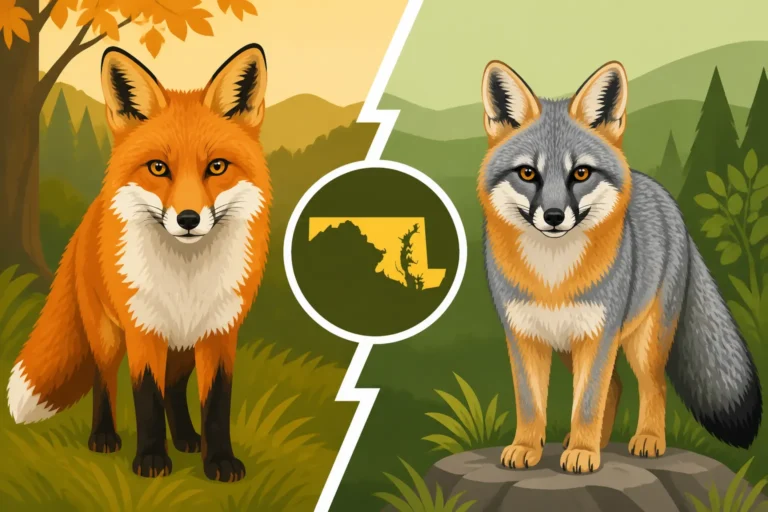
Red and gray foxes in Maryland differ in weight, leg length, and distinctive tail markings like white tips or black stripes.
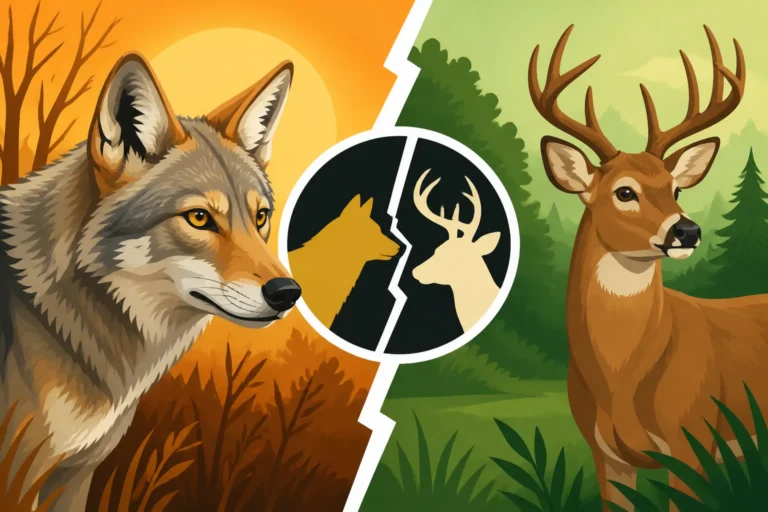
Maryland coyote predation on white-tailed deer focuses primarily on vulnerable newborn fawns during their first few weeks of life.
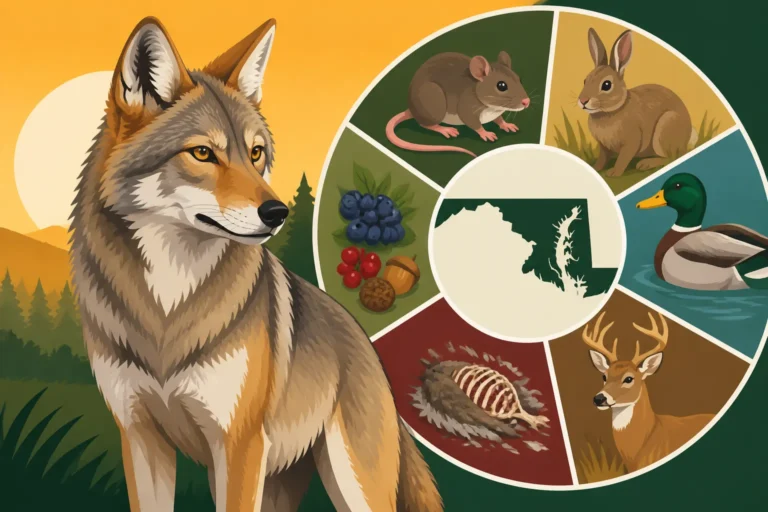
Maryland coyote diets consist primarily of mice, voles, and other small mammals, shifting seasonally based on food availability.
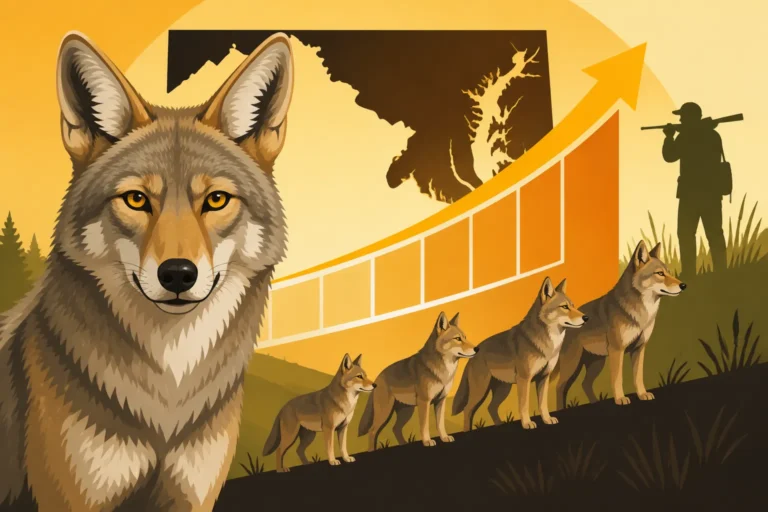
Maryland coyote population growth tracks the eastward expansion of coyotes crossing into western counties during the late 1970s.
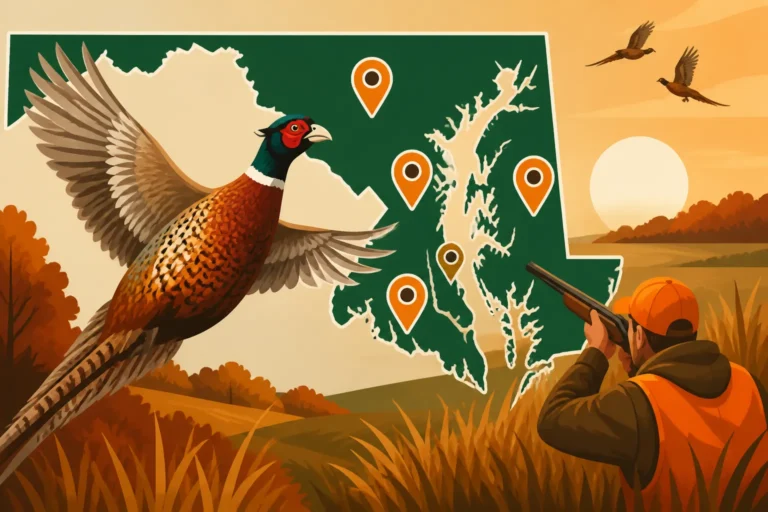
Maryland pheasant release locations on public wildlife management areas and state forests provide fall bird hunting opportunities.
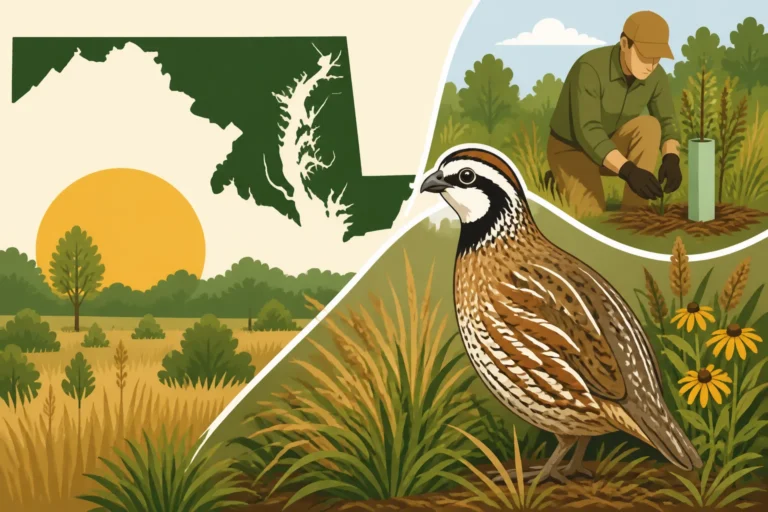
Maryland habitat improvement efforts and conservation strategies attempt to restore northern bobwhite quail populations across local farmlands.
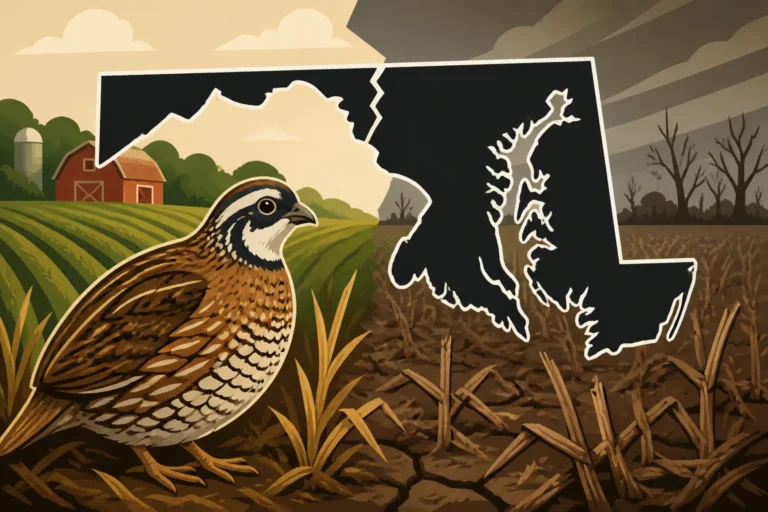
Bobwhite quail population decline in Maryland farms stems from habitat loss caused by modern clean farming and agricultural monoculture.
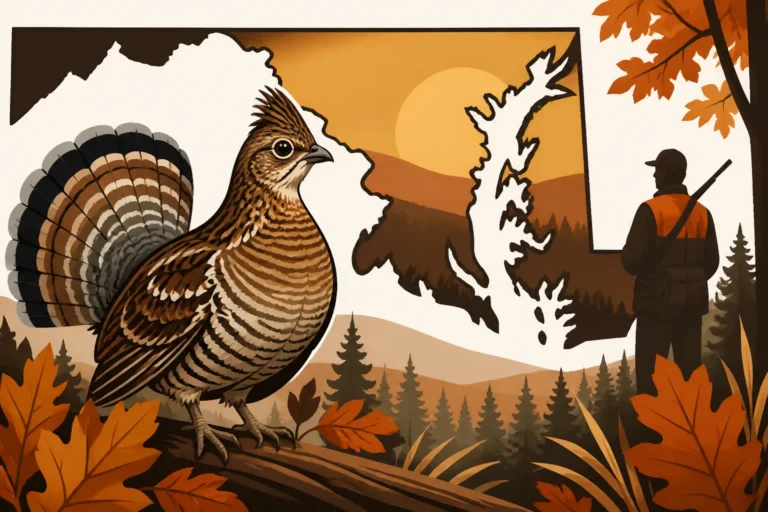
Maryland ruffed grouse populations and remaining coverts explain why declining habitats make finding these elusive game birds difficult.
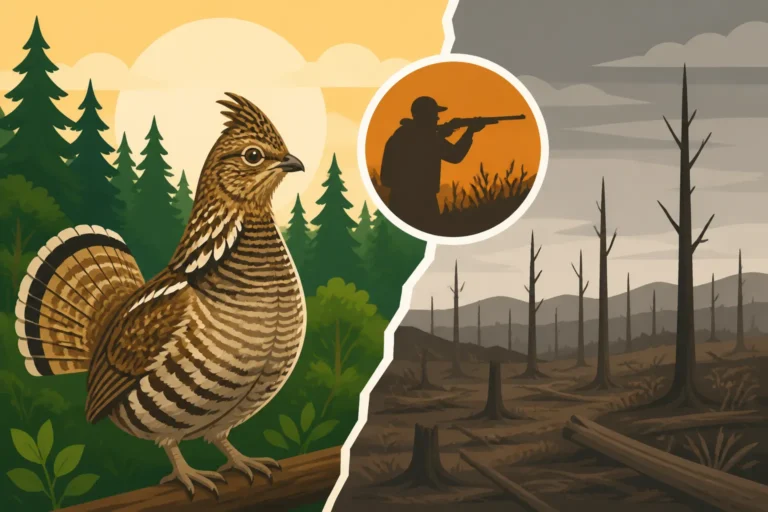
The decline of ruffed grouse in Western Maryland woodlands stems from habitat loss and a severe lack of young regenerating forests.
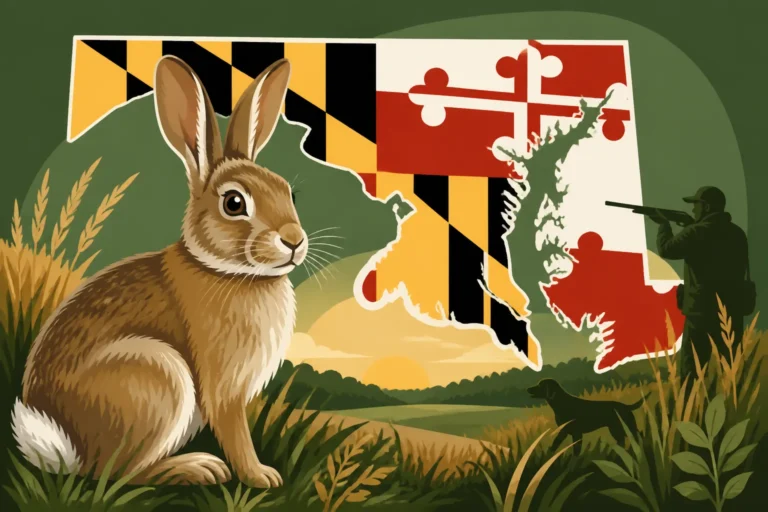
Maryland cottontail populations, regional abundance, and preferred habitats like brush piles and field edges are examined for hunters.