Kent County Public Hunting Access
Finding good public hunting ground in Maryland can feel like trying to find a needle in a haystack sometimes, especially in counties dominated by agriculture and private ownership like Kent County. You see all that prime farmland and dense woods, and you know the game is there, but knowing where you can actually put boots on the ground legally and safely? That’s the real head-scratcher. This guide is here to unravel those frustrations, walking you through the public hunting opportunities in Kent County, helping you understand how to access them, and giving you the best chance to fill your tags.
Navigating Kent County's Public Hunting Landscape
Kent County, situated on Maryland's picturesque Upper Eastern Shore, offers a unique challenge for public land hunters. Unlike the sprawling state forests of Western Maryland or the vast marshes of the Lower Shore, Kent County's public access points are often smaller, more fragmented, and nestled amidst extensive private farmlands. This isn't a place where you can just wander for miles without hitting a property line, which means your strategy needs to be a bit more focused and precise.
Understanding the Unique Challenges of the Upper Eastern Shore
The reality for hunters on the Upper Eastern Shore is that private land reigns supreme. Fields of corn, soybeans, and wheat stretch for miles, providing incredible food sources for deer, turkeys, and waterfowl. However, accessing these prime areas typically requires knocking on doors, securing leases, or joining a hunting club. This can leave public land hunters feeling a bit out in the cold. The public parcels that do exist are often smaller woodlots, riparian corridors, or managed areas specifically set aside by the state for wildlife and recreation. These areas can be absolute gems, but they demand a keen eye for detail, diligent scouting, and an understanding of the specific rules that govern them. You're not just looking for "woods"; you're looking for accessible woods that hold game, and that takes a different mindset than hunting a vast wilderness.
Key Public Access Areas in Kent County
When you're looking for public hunting in Kent County, a few names will rise to the top of your list. These are the workhorses of public access on the Upper Shore, each with its own character and hunting potential.
Millington Wildlife Management Area
Millington WMA is probably the most well-known public hunting area in Kent County, and for good reason. It’s a substantial tract, encompassing over 4,000 acres, which is a significant footprint for this part of the state. You’ll find a mix of habitats here: mature hardwood forests, pine plantations, open fields, and wetlands. This diversity means Millington holds a good variety of game. Deer hunting is popular here, with both archery and firearms seasons seeing activity. You’ll also find opportunities for Small Game Species in Maryland like squirrels and rabbits, especially along the edges of fields and in dense brush. Turkeys can be found, particularly during the Maryland Spring Turkey Season Dates. The open fields are often managed with wildlife in mind, sometimes planted with sunflowers or grain to attract doves and other birds. Access is generally good, with multiple parking areas scattered around the perimeter, though some interior sections can require a decent walk, which can be an advantage if you’re looking to get away from road hunters.
Sassafras Natural Resources Management Area
The Sassafras NRMA, while not as singularly focused on hunting as a WMA, still offers opportunities. This area is more geared towards conservation and multi-use recreation, but hunting is allowed in designated areas. It's often characterized by rolling upland forests and some agricultural fields, providing solid habitat for deer and turkey. Given its diverse use, it’s crucial to pay close attention to the specific maps and regulations for hunting zones within the NRMA, as some areas might be off-limits or have specific seasonal restrictions to accommodate other recreational users. Hunting here might require a bit more legwork in terms of understanding the boundaries and ensuring you’re in an open area, but the reward can be finding less-pressured pockets of game.
Unicorn Lake Wildlife Management Area
Unicorn Lake WMA is primarily known for its excellent fishing, particularly for trout. However, like many WMAs, it often has designated hunting sections. These tend to be smaller, fragmented woodlots or wetland areas. Deer hunting can certainly be an option here, especially with archery, but the focus tends to be on waterfowling in the wetland portions, or small game in the timber patches. Again, always double-check the current year's maps and regulations posted by the Maryland Department of Natural Resources (DNR) to confirm specific hunting boundaries and permitted species, as these smaller WMAs can sometimes have more specialized rules.
Permit Requirements and Registration
While a standard Maryland hunting license is your fundamental requirement, there might be additional steps for public land. First off, make sure your Maryland Resident License Options (or nonresident equivalent) is current and you have all the necessary stamps, like a deer stamp or migratory game bird stamp, depending on what you're pursuing. You can usually purchase these and manage your account through the Maryland COMPASS online portal, which is really convenient.
Beyond that, some public lands in Maryland, especially the more heavily managed WMAs or specific refuge hunts, require a free Public Land Permit. This permit is generally obtained online through the COMPASS system and simply registers you to hunt on those lands. It’s an administrative step, but a crucial one. Always check the DNR website for the specific WMA or NRMA you plan to hunt to see if this permit is required. It's better to be safe than sorry, and getting caught without the proper authorization can certainly put a damper on your hunt and lead to fines. Make sure to have a physical or digital copy of all your licenses and permits on you whenever you're in the field.
Making the Most of Limited Public Ground
Hunting public land in Kent County is less about vast wilderness expeditions and more about strategic, thoughtful hunting. It demands a different kind of preparation and a sharp eye for detail. You’re often looking for those overlooked pockets, the harder-to-reach corners, or the subtle nuances of habitat that concentrate game.
Scouting Smart with Digital Tools
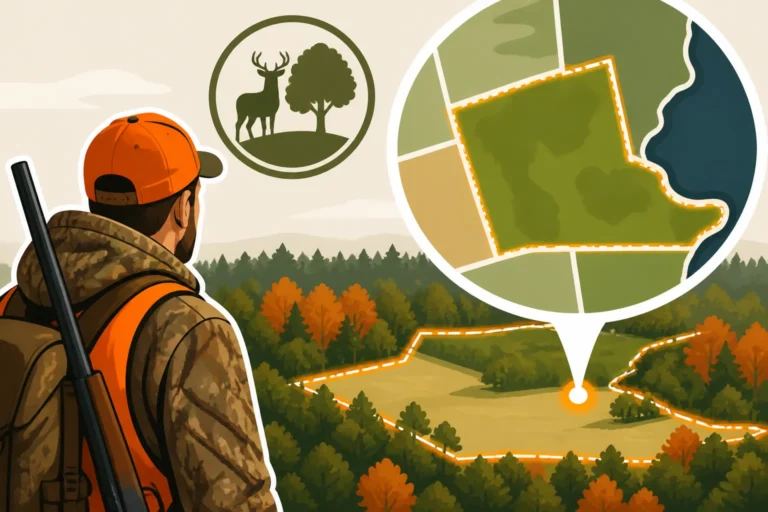
In an area where public land is interspersed with private, digital scouting tools are an absolute game-changer. I can’t tell you how many times apps like onX Hunt or GoHunt have saved me from accidentally trespassing or, even better, revealed a hidden public corner I never would have known about otherwise. These apps provide invaluable satellite imagery, topo maps, and crucially, property lines. You can clearly see public land boundaries, parcel ownership, and even identify walk-in access points or parking areas. Before you even set foot in the woods, you can map out potential entry and exit routes, identify bottlenecks, pinch points, and areas of dense cover that might hold deer. Using tools like Scouting Maryland Public Land Before Season with these apps lets you pinpoint remote sections of a WMA that might see less pressure.
You can also use the various layers in these apps to identify different habitat types, elevations, and even recent timber cuts that might create new opportunities for deer browse. When you’re dealing with smaller tracts, knowing exactly where the public land stops and private land begins is non-negotiable. These tools become your ultimate companion in maximizing your limited public access and ensuring you're always on the right side of the law.
Understanding Habitat and Game Potential
Kent County’s public lands often present a mosaic of habitats, and understanding what each offers is key to success.
- Hardwood Forests: Mature oaks and hickories found in areas like Millington WMA will be prime spots during the fall acorn drop, drawing in deer and turkeys. Look for Hunting Maryland Hardwood Ridges or creek bottoms that act as natural travel corridors.
- Pine Plantations: These dense stands offer excellent thermal cover in winter and security cover year-round. Deer will bed in these thickets, especially during hunting pressure.
- Open Fields and Field Edges: These are food sources, whether they're managed plots, agricultural fields on WMA property, or just fallow ground. Setting Up on a Maryland Grain Field Edge can be incredibly effective, especially in the mornings and evenings.
- Wetlands and Riparian Zones: Creek bottoms, swamps, and small ponds are magnets for ducks and geese, and often provide travel corridors for deer. They also offer crucial water sources.
- Dense Brush and Hedgerows: These linear features provide cover and food for small game like rabbits and pheasants, and deer will often use them to move undetected between larger blocks of cover. Rabbit Hunting Maryland Farm Hedgerows can be surprisingly productive.
By understanding how game uses these different habitats throughout the seasons, you can adapt your approach and increase your odds. For example, in early archery season, deer might be focused on soft mast and agricultural crops, while later in the fall, acorns become king.
Dealing with Hunting Pressure
Let's be realistic: public land often means public pressure. Especially during opening weekends or peak rut, popular parking areas can be full. The trick is to embrace the "walk-further" philosophy. Most hunters won't venture more than a quarter to half-mile from their vehicle. If you're willing to put in the effort and walk a mile or more, you significantly increase your chances of finding less-pressured animals.
Consider hunting during weekdays if your schedule allows, or during less popular seasons like late archery or the January firearms reopening. Also, look for spots that are naturally difficult to access – maybe a creek crossing, a dense swamp, or a particularly thick patch of woods. This is where those digital maps really shine, allowing you to identify these remote areas from your couch.
Another strategy is to think about when you hunt. A lot of hunters are out at first light. Sometimes, waiting until mid-morning or even still-hunting through the middle of the day can pay off, as deer that have been bumped by early morning hunters may be seeking refuge. Be flexible, adapt to the conditions, and don't be afraid to try something different if you're encountering too many other hunters in your chosen spot.
Practical Tips for Hunting Kent County's Public Lands
Success on Kent County’s public lands often boils down to preparation, respect for the land and other users, and a bit of local knowledge. Every acre counts, and knowing how to maximize your time in the field will pay dividends.
Planning Your Access and Entry
Before you leave home, have a clear plan for where you’ll park and how you’ll enter the hunting area. Many WMAs have designated parking lots, but some access points might be less obvious. Always be mindful of adjacent private property. Respect landowners by not blocking gates or driveways, and ensure you know where the public land boundaries lie to avoid accidental trespass. Maryland Trespass and Permission Law is clear on this, and ignorance is no excuse. A quick check of your onX Hunt app before you cross a fence line can save you a lot of trouble.
Consider your entry and exit routes carefully, especially if you're trying to get deep into a WMA. Early morning entries should be quiet and strategic to avoid spooking game. If you're hunting near a road or residential area, be extra vigilant about safe shooting lanes and backstops. The more you plan this out beforehand, the less you'll be scrambling in the dark.
Gear Considerations for Upper Shore Hunting
The type of gear you bring can make a big difference. Given the mix of habitats, versatility is key.
- Layered Clothing: Maryland weather can be unpredictable, especially in fall and winter. Layers allow you to adjust to changing temperatures.
- Waterproof Boots/Waders: Depending on the area, you might encounter marshy sections, creek crossings, or just damp ground. Hip boots or chest waders are essential if you plan to access marshy areas for waterfowl or deer that like to hide in the wet stuff. Hip Boots Versus Chest Waders in Sika Country discusses these options in depth, and the principles apply to any marsh hunting.
- Good Optics: Binoculars are invaluable for scouting fields, spotting game in dense cover, and identifying potential targets from a distance.
- Digital Mapping Device: As mentioned, your phone with onX Hunt or a dedicated GPS unit is a must for navigation, property lines, and marking key sign or stand locations.
- Blaze Orange: Be aware of Maryland's How Much Blaze Orange Maryland Requires during firearms seasons. It's a safety essential, even if you're bowhunting in a firearms area.
- Calls: Whether it's a deer grunt call, a turkey mouth call, or a duck call, having the right calls for your target species can certainly help bring game closer.
Think about the specific challenges of your chosen spot – if you're hunting a marsh, bringing a sturdy game cart isn't going to cut it, and you'll need to think about how you'll get a deer out of the muck.
Best Practices for Success and Safety
Beyond the gear, adopting sound hunting practices is paramount.
- Safety First: Always identify your target clearly and be sure of what’s beyond it. Know your safe zone of fire. With other hunters around on public land, this is even more critical.
- Respect Other Hunters: If you encounter another hunter, give them plenty of space. A friendly wave or nod is fine, but avoid encroaching on someone else's setup. Courtesy goes a long way.
- Leave No Trace: Pack out everything you pack in, and if you can, pick up any trash you find. Keeping public lands clean ensures they remain open and enjoyable for everyone.
- Register Your Harvest: Maryland has strict rules for registering harvested game, usually within 24 hours of the kill. You can do this by phone or through the COMPASS app. Make sure you understand The Maryland Deer Registration Deadline After a Kill and follow it precisely.
- Understand Season Dates and Limits: Always check the current year’s regulations for Maryland Deer Season Dates by Weapon and Maryland's Deer Bag Limits and Antler Rule, as these can change annually. Know What a Maryland Hunting License Year Covers so you're never caught off guard.
Beyond the Obvious: Exploring Other Opportunities
While many hunters focus on deer and turkeys, Kent County offers a broader spectrum of hunting experiences, especially if you're willing to diversify your pursuits. These alternative options can often provide less crowded and equally rewarding days in the field.
Waterfowl Hunting on Licensed Blind Sites
Kent County, being a prime location on the Chesapeake Bay, has a rich tradition of waterfowl hunting. While much of it is on private property or licensed blind sites, there are public opportunities. Maryland has a unique Maryland's Chesapeake Shoreline Hunting Access system where certain shoreline areas are designated for licensed blind sites. These sites are typically available through a lottery system or on a first-come, first-served basis for specific periods. While getting a prime spot can be competitive, it’s worth investigating if you're a waterfowler. You might be able to secure a blind site for a day or two, offering access to geese and various duck species. Remember, waterfowling involves a lot of specialized gear, including decoys, calls, and often a boat, but the rewards can be incredible. Keep an eye on the DNR website for information on application periods and available sites in Kent County.
Small Game and Predator Opportunities
Don't overlook the joy and challenge of small game hunting. The mixed habitats of Kent County's WMAs and NRMAs, with their hedgerows, field edges, and mixed timber, are ideal for species like squirrels, rabbits, and even upland birds if they're released in specific areas.
- Squirrels: Early season squirrel hunting, especially during the Squirrel Hunting Maryland Hardwood Ridges opener in September, offers a fantastic way to introduce new hunters to the sport or just enjoy a peaceful day in the woods. They provide delicious table fare too!
- Rabbits: Running beagles for rabbits in the briar patches and overgrown fields can be an exciting, social hunt. If you don't have dogs, still-hunting or flushing rabbits out of thick cover is also an option. Rabbit Hunting Maryland Farm Hedgerows are prime rabbit habitat.
- Coyotes: Maryland’s coyote population has grown, and they are open to hunting year-round with no bag limit. Calling coyotes, particularly around farm fields, can be a thrilling experience. Coyote Calling in Maryland Farm Country outlines effective strategies for pursuing these adaptable predators. Hunting coyotes can also benefit other game species by helping manage their numbers.
These hunts often require less specialized gear than big game or waterfowl and can be excellent ways to spend time afield when deer or turkey seasons are closed or you're looking for a different challenge.
Thinking Outside the Box: Early and Late Season Advantages
Sometimes the best way to avoid crowds and increase your odds is to hunt outside the peak seasons.
- Early Archery: The When Maryland's Archery Season Opens in September offers a unique opportunity to hunt deer before much of the hunting pressure begins. Deer are often in more predictable patterns, focused on food sources. The challenge is typically warmer weather, which requires immediate field dressing and quick game recovery.
- Late Archery/Muzzleloader: After the firearms season has ended, deer tend to settle back into more predictable routines and might be less skittish. Hunting the late archery or Late Muzzleloader Season Dates and Counties can be very productive, especially if you focus on late-season food sources or dense thermal cover where deer are trying to escape the cold.
- Winter Small Game: Post-Christmas, many hunters have hung up their gear. This is a fantastic time for Rabbit Hunting Maryland Farm Hedgerows or searching for squirrels. The woods are quieter, visibility is often better with leaves off the trees, and the crisp air can make for a wonderful hunting experience.
By being flexible with your target species and timing, you can extend your hunting season and discover new, less-pressured opportunities on Kent County’s public lands.
| Public Hunting Area | Primary Habitat Types | Main Game Species | Typical Access Methods | Special Considerations |
|---|---|---|---|---|
| Millington WMA | Hardwood/Pine Forest, Fields, Wetlands | Deer, Turkey, Squirrel, Rabbit, Dove, Waterfowl (limited) | Multiple Parking Lots, Walk-in | Large, diverse habitat. Check specific field management. |
| Sassafras NRMA | Upland Forest, Agriculture | Deer, Turkey, Squirrel, Rabbit | Designated Parking, Walk-in | Multi-use area, check specific hunting zones. |
| Unicorn Lake WMA | Woodlots, Wetlands, Lake | Deer (archery), Waterfowl, Small Game | Limited Parking, Walk-in | Primarily known for fishing. Hunting areas can be fragmented. |
Disclaimer
This article is for general informational purposes only and does not constitute professional advice. Laws, prices and regulations vary by location and change over time. Consult a qualified professional for guidance on your specific situation.