Chesapeake Bay Sea Duck Charters in Maryland
The biting wind whips off the Chesapeake, carrying the scent of salt and marsh, and you know there's nowhere else you'd rather be. But for many, the dream of a successful sea duck hunt on Maryland's expansive waters often feels out of reach due to the sheer complexity of specialized boats, equipment, and knowing where these incredible birds will be. This guide is here to demystify the process, walking you through everything you need to know about booking and enjoying a Chesapeake Bay sea duck charter in Maryland, connecting you with the expertise needed to turn those dreams into unforgettable experiences.
Understanding Maryland's Sea Duck Hunting Landscape
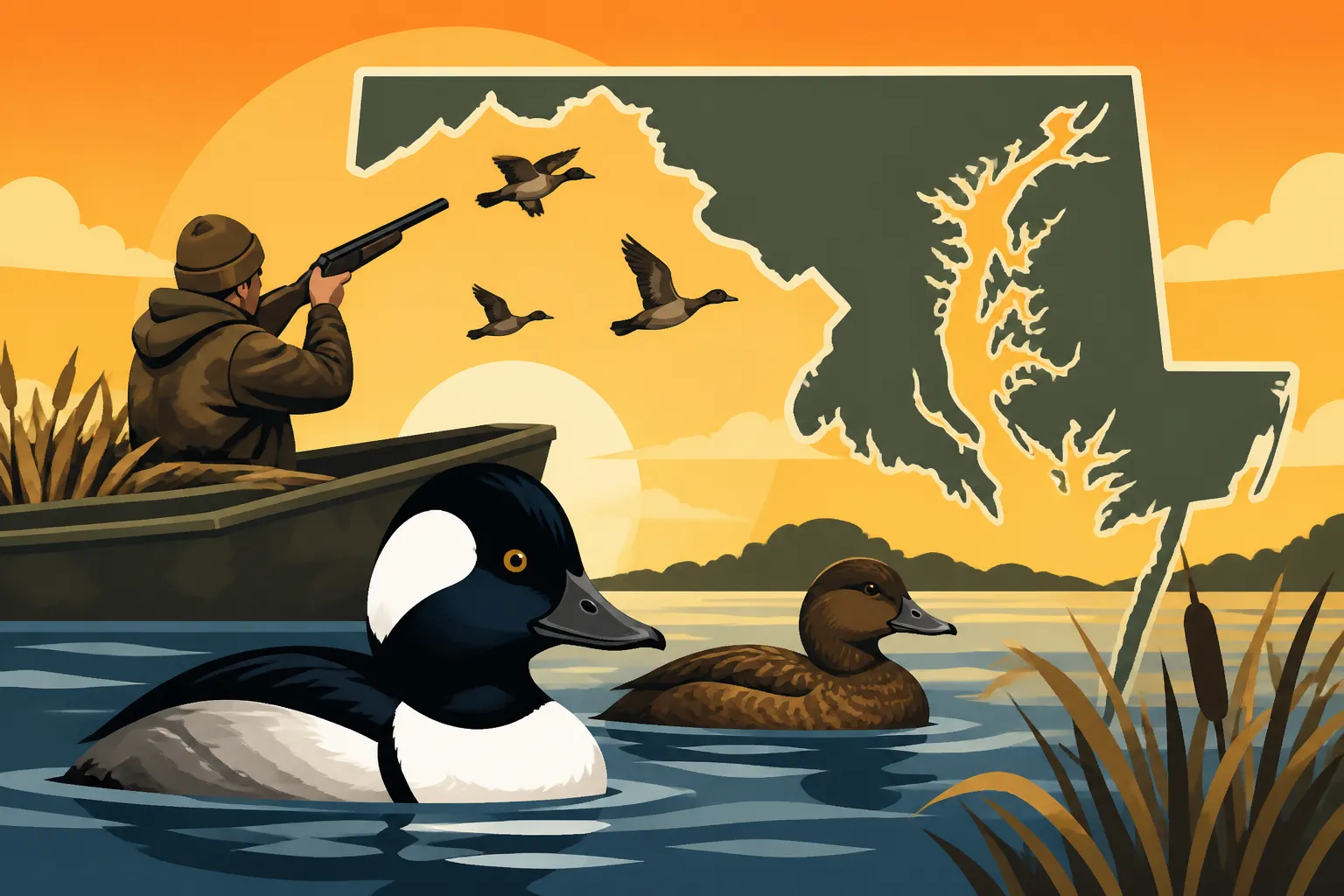
Maryland's stretch of the Chesapeake Bay and its Atlantic coast offer some truly phenomenal opportunities for sea duck hunting. These aren't your typical puddle ducks dabbling in shallow ponds; we're talking about hardy, robust birds that thrive in the rough, open waters. For many hunters, pursuing scoters, long-tailed ducks (formerly oldsquaws), and various diver species is a completely different ballgame, requiring specialized tactics and gear that you just won't find on an inland pond hunt.
The Allure of Sea Ducks in Maryland
There's a rugged charm to sea duck hunting that's hard to describe until you've experienced it. Imagine the vast expanse of the Chesapeake Bay, often choppy and gray, with waves slapping against your boat. Suddenly, a string of black scoters, buffleheads, or perhaps those incredibly vocal long-tailed ducks appears on the horizon, flying low and fast, hugging the wave tops. Their flight is strong and direct, a testament to their life in the marine environment. These birds are built for the open water, diving deep to feed on mollusks, crustaceans, and aquatic insects.
Unlike their freshwater cousins, sea ducks often raft up in large numbers far from shore, making them elusive for land-based hunters. Their habitat preference for open, often rough, water means that a successful hunt invariably involves a boat – and often a very specialized one. The challenge of locating them, setting up in their feeding lanes, and enduring the elements is a significant part of the appeal. It's an experience that tests your resolve and connects you deeply with the raw power of the Bay.
The sheer variety is also a draw. You might encounter black scoters, which are dark and powerfully built, or surf scoters with their striking white patches and unique bill. The white-winged scoter is another species that calls these waters home. Then there are the long-tailed ducks, known for their elaborate plumage and incessant "ow-ow-ow-OLDMAN" calls echoing across the water. While not strictly sea ducks, other divers like canvasbacks and bluebills often mingle in the same general areas, adding to the potential excitement, though they typically require different hunting methods or zones.
Prime Hunting Zones and Timing
The best opportunities for sea duck hunting in Maryland generally lie within the deeper, more open waters of the Chesapeake Bay, particularly from the mid-Bay region south towards the mouth, and along the Atlantic coast. Specific areas known for consistent sea duck presence include the middle and lower Eastern Shore counties bordering the Bay, as well as the coastal bays behind Ocean City. These areas offer the necessary salinity and abundant food sources that sea ducks crave.
Timing is absolutely critical when planning a sea duck hunt. These migratory birds typically arrive in Maryland in the late fall, with hunting seasons usually running from early November through late January or early February. The coldest months, particularly December and January, often offer the best hunting, as more birds have pushed south and settled into their wintering grounds. However, cold weather also means more challenging conditions for hunters, so preparation is key. You'll want to check the specific Sea Duck Season Dates and Zone Limits each year, as they can vary slightly.
Weather conditions play an enormous role. Sea ducks thrive in rough water, and a blustery, overcast day with a stiff chop on the Bay often makes for the best hunting, as it keeps the birds flying lower and closer to shore or specific feeding areas. Conversely, a flat-calm, sunny day can be beautiful but often makes sea ducks shy and difficult to decoy. Guides constantly monitor marine forecasts to time their hunts to coincide with optimal conditions, understanding that safety always comes first, even when the birds are flying.
DIY vs. Guided Hunts for Sea Ducks
When it comes to sea duck hunting on the Chesapeake, the "do-it-yourself" approach is often far more challenging and potentially hazardous than for other types of waterfowl. The reasons are numerous and significant, primarily revolving around safety, specialized equipment, and intimate knowledge of a vast, complex waterway. The Chesapeake Bay is not a friendly place for small, unequipped boats in rough weather, and sea ducks often prefer just such conditions.
A DIY sea duck hunt requires a robust, seaworthy boat capable of handling open bay conditions, often at considerable distances from shore. You'd need a full complement of navigation electronics, marine-specific safety gear, and an understanding of the Bay's currents, tides, and potential hazards like crab pots and shifting shoals. Beyond the boat itself, acquiring the specialized decoys – often large, heavy, and specifically designed to be highly visible on open water – is a substantial investment. These spreads can number in the dozens or even hundreds of decoys, requiring considerable effort to deploy and retrieve.
This is precisely where a guided charter truly shines. Guides possess the specialized boats, extensive decoy spreads, and, most importantly, the hard-earned knowledge of where the birds are, how they behave, and how to safely navigate the Bay. They can take you to productive hunting areas that would be impossible or dangerous for most recreational hunters to access. For a truly authentic and safe sea duck experience, especially if you're new to this type of hunting or don't own the specialized gear, a guided charter is almost always the superior and safer choice.
What a Chesapeake Bay Sea Duck Charter Offers
Booking a Chesapeake Bay sea duck charter isn't just about finding someone with a boat; it's about gaining access to a complete, highly specialized hunting operation. These charters provide the critical infrastructure, knowledge, and safety protocols necessary to pursue sea ducks effectively and responsibly in a challenging environment. It's a significant investment, but one that opens up unique hunting opportunities.
Specialized Equipment and Expertise
The equipment involved in a successful sea duck charter is far beyond what most hunters own. At the heart of it is the tender boat, usually a substantial vessel ranging from 20 to 30 feet or more, designed for stability and safety in open water. This tender carries hunters, guides, and all the gear to the hunting grounds, often serving as a warm, safe hub for breaks and travel. From this tender, hunters will typically deploy layout boats. These small, low-profile boats are designed to hide hunters just inches above the water's surface, making them almost invisible to incoming ducks. They are towed to the desired location, often hundreds of yards from the tender, nestled within a large spread of decoys.
Beyond the boats, the decoy spreads themselves are a marvel. Sea duck decoys are much larger and heavier than typical duck decoys, built to ride the waves naturally and remain visible from a distance. A guide might run hundreds of these specialized decoys, mimicking a large raft of feeding or resting birds. Sophisticated electronics are also standard on a guide's tender, including radar for navigating fog or darkness, GPS for precise positioning, and sonar for identifying underwater structure where ducks might feed. All of this gear is expensive, requires constant maintenance, and demands a deep understanding of its operation – expertise that guides acquire over years on the water.
This expertise extends beyond just the gear. A good sea duck guide possesses an encyclopedic knowledge of the Chesapeake Bay's intricate geography, its ever-shifting currents, its diverse bottom structures, and, most importantly, the migratory patterns and feeding habits of sea ducks. They know where the birds will be given certain wind directions, tide stages, and time of year. This kind of nuanced understanding cannot be gained from a map or a book; it's forged through countless hours spent observing and hunting on the Bay, making their insights invaluable.
Navigating the Chesapeake's Unique Conditions
The Chesapeake Bay is a dynamic and sometimes unforgiving environment, and safely navigating its waters requires a specific skillset. Tides and currents are powerful forces here, constantly moving water and shaping the bottom. A guide understands how these forces affect duck movement and how to position the layout boats and decoy spread for optimal shooting lanes, ensuring that decoying birds present safe shots over water, not towards the tender or other hunters. Wind is another massive factor; while a stiff breeze can be great for duck movement, it can also whip up dangerous chop and waves, turning a pleasant morning into a perilous journey.
Guides are adept at reading the weather, not just looking at a forecast, but interpreting local conditions – the height of the waves, the direction of the chop, the sudden shifts in wind. They know when to push forward and, more importantly, when to call it a day for safety. Fog, a common occurrence on the Bay, especially in colder months, can create dangerous zero-visibility conditions. A guide with radar and years of experience navigating by instruments is essential in such scenarios. Boat Safety on the Chesapeake in December is a serious concern, and charters are equipped with flares, first aid, radios, and often satellite communication devices, ensuring layers of preparedness for any eventuality.
The bottom composition of the Bay also influences duck activity. Sea ducks are often found over oyster beds or mussel beds, which provide their primary food source. Guides know where these underwater structures are, often keeping them secret, and how to safely anchor the tender and position the layout boats without damaging sensitive habitats or getting fouled on unseen obstructions. This blend of equipment, experience, and local knowledge makes navigating the Chesapeake for sea ducks a highly specialized undertaking, best left to those who do it professionally.
Access to Prime Hunting Grounds
One of the most significant advantages of a guided sea duck charter is the access it provides to prime hunting grounds. The most productive sea duck spots are often far from public boat ramps, require extensive travel across open water, or are located over specific underwater structures that only experienced guides know how to find. These aren't places you can just drive to and walk into; they demand boat access and an understanding of the birds' feeding and resting patterns.
Many successful sea duck guides cultivate relationships with private landowners along the Bay, gaining permission to hunt specific areas that are off-limits to the general public. While sea ducks are often hunted on open water that is generally public, accessing those waters efficiently and safely from strategic launch points can be a challenge. Guides often have private dock access or specific launch sites that allow them to get to the hunting grounds faster and with less hassle, especially on cold, dark mornings. This local knowledge of optimal launch points and safe travel routes is another layer of their value.
Furthermore, guides spend countless hours scouting the Bay during the off-season and leading up to the hunting season. They watch bird movements, monitor water conditions, and identify new patterns. They're constantly adapting to changes in weather, food availability, and bird pressure. This continuous scouting means that when you book a charter, you're not just getting a ride in a boat; you're leveraging a guide's real-time, up-to-the-minute intelligence on where the birds are currently concentrating. This greatly increases your chances of a successful and memorable hunt, making the value proposition of a charter truly compelling.
Choosing the Right Sea Duck Guide or Outfitter
Selecting the right guide for your Chesapeake Bay sea duck adventure is paramount. This isn't just about finding someone to take you out; it's about trusting your safety, your experience, and your financial investment to a professional. Doing your homework beforehand can make all the difference between a frustrating trip and a fantastic one.
Verifying Licenses and Credentials
This is, without a doubt, the most critical step in choosing a sea duck guide: ensure they are properly licensed and credentialed. Any guide operating a boat for hire on navigable waters like the Chesapeake Bay is legally required to hold a U.S. Coast Guard (USCG) Captain's License. This license ensures they have met stringent requirements for marine safety, navigation, first aid, and vessel operation. It's not just a piece of paper; it signifies a baseline level of professional competence and a commitment to passenger safety. Don't hesitate to ask a guide for their USCG license number and verify it if you have any doubts.
Beyond the federal requirement, Maryland also has specific licensing for waterfowl outfitters and guides. The state requires a Maryland Waterfowl Outfitter Permit for anyone offering guided waterfowl hunts. Furthermore, individual guides often need a Maryland Waterfowl Guide License. These state-specific requirements ensure that guides are operating within Maryland's regulatory framework and are accountable to the state wildlife agencies. Understanding Maryland's Sea Duck Guide Requirements helps you discern legitimate operators from those who might cut corners.
Additionally, a reputable guide or outfitter should carry liability insurance. This protects both them and you in the unlikely event of an accident. While it's not a legal requirement for every individual guide, established businesses will almost always have it. Never hesitate to ask about insurance coverage. A professional guide will understand and respect your need to verify these credentials; someone who gets defensive or evasive is a major red flag. Your safety and peace of mind depend on knowing you're in capable, legally compliant hands.
Questions to Ask Before Booking
Once you've verified their credentials, it's time to dig deeper with a series of questions. Don't be shy; a good guide will appreciate your thoroughness. Start with logistics: What is the typical group size? Most sea duck charters aim for small groups (2-4 hunters) to ensure a quality experience and safe shooting in layout boats. Ask about the equipment they use: What kind of tender boat? Are layout boats used? What type and quantity of decoys? Knowing the gear gives you insight into their operation.
Inquire about what's included and what's excluded in the price. Does it cover ammunition, food, drinks, or processing? What are their specific policies regarding deposit requirements and cancellations, especially due to weather? Weather cancellations are a real possibility on the Bay, so understanding rescheduling or refund options upfront is crucial. Many guides use platforms like BookYourHunt or GoHunt to list their services, and these sites often provide structured information on inclusions, exclusions, and cancellation policies, which can be a great starting point for your research.
It's also wise to ask about their average success rates, but be realistic. A reputable guide won't guarantee a limit, as hunting is inherently unpredictable. Instead, look for honesty and a focus on effort and providing a quality experience. Ask about their philosophy on safety, especially regarding cold weather and open water. Finally, ask if they can provide references from previous clients. Talking to someone who has hunted with them can offer invaluable firsthand insight into their professionalism, guiding style, and the overall experience.
Reading Reviews and Seeking Referrals
In today's connected world, reviews and referrals are powerful tools for vetting a guide. Start by checking online platforms like Google Reviews, Facebook, or dedicated hunting forums. Look for consistent themes in positive reviews: mentions of safety, professionalism, hard work, and a good overall experience. Be wary of guides with no online presence or exclusively five-star reviews that lack detail, as they can sometimes be less credible. Similarly, a single bad review amidst many good ones might just be a disgruntled client, but a pattern of negative feedback should give you pause.
Websites like BookYourHunt and GoHunt often feature client reviews directly on guide listings. These platforms can be a good aggregated source for feedback, as hunters who book through them are often prompted to leave reviews, giving you a wider perspective. Pay attention to comments about communication, whether the guide was punctual, how they handled unexpected challenges (like slow hunting or bad weather), and if they were attentive to client needs.
Beyond online reviews, word-of-mouth referrals from trusted hunting buddies or mentors are often the most reliable. If a friend had a fantastic experience with a particular guide, that recommendation carries significant weight. Ask around at local hunting clubs or tackle shops; people who spend a lot of time on the Bay often know who the reputable operators are. Combining these sources of information – official credentials, direct questions, online reviews, and personal referrals – will give you the most comprehensive picture and help you make an informed decision about who to trust with your sea duck adventure.
Preparing for Your Maryland Sea Duck Adventure
A guided sea duck hunt takes much of the logistical burden off your shoulders, but your personal preparation remains crucial for a safe, comfortable, and successful trip. Maryland's Chesapeake Bay, especially in winter, can be a demanding environment, and being properly geared up is essential.
Essential Gear and Clothing
When it comes to sea duck hunting, there's a saying: "There's no such thing as bad weather, only bad gear." This rings especially true on the Chesapeake. Layering is your best friend. Start with a moisture-wicking base layer (synthetic or wool, never cotton) to pull sweat away from your skin. Follow with a warm insulating layer, like a fleece or down vest/jacket, and then a heavy outer layer that is completely waterproof and windproof. This needs to be serious foul-weather gear – think heavy-duty bibs and a parka or a full float coat. Remember, you'll be sitting exposed in a layout boat, potentially getting sprayed by waves.
Your hands and head are critical for retaining body heat. Waterproof, insulated gloves are a must, ideally with a finger that can be exposed for shooting. A warm, windproof hat that covers your ears is equally important. For footwear, knee-high or chest waders are essential, as you'll likely be wading in and out of the tender boat or layout boat in cold water. Make sure they are insulated and fit well enough to allow for warm socks. Non-slip soles are also critical for boat safety. Sunscreen and sunglasses, even on cloudy days, are also recommended due to sun reflection off the water. For more general guidance on staying warm and dry, you might find useful tips in What to Pack for a Maryland Marsh Hunt, adapting for the open-water conditions.
Don't forget safety essentials that you'll bring yourself, even though the guide will have their own. A waterproof bag for your phone and other electronics, a small personal first-aid kit, and any personal medications are vital. A headlamp or small flashlight is also incredibly useful for early morning setups and late evening returns. While guides provide safety equipment like life jackets, having your own high-quality PFD that you are comfortable wearing or can easily access is a good idea, especially if you have a preferred type.
Shotgun and Ammunition Considerations
Choosing the right shotgun and ammunition for sea ducks is crucial. Most sea duck hunters opt for a 12-gauge shotgun, as it offers the versatility to handle larger shot sizes and heavier loads required for these tough birds. A semi-automatic or pump-action shotgun is generally preferred over a double barrel, as the extra capacity can be advantageous when birds come in waves. A non-reflective finish is also a good idea. Make sure your shotgun is well-maintained and tested for reliability in cold, damp conditions; you don't want a jam when the birds are flaring.
Maryland, like all states, requires the use of non-toxic shot for all waterfowl hunting. Steel shot is the most common and affordable option, but many sea duck hunters prefer denser alternatives like bismuth, tungsten-iron, or tungsten matrix. These denser loads retain energy better and offer improved patterns, which can be a significant advantage when shooting at fast-flying sea ducks over open water. For shot size, BB, 1, or 2 are common choices for scoters and long-tailed ducks, providing enough pellet energy for clean kills. Some hunters might even go up to BBB or T for specific situations.
Your choke selection is also important. Modified or improved modified chokes are popular, striking a balance between pattern density and spread, allowing for effective shots at various ranges. Full chokes can be used but require more precise aiming and can sometimes damage steel shot. Always check your shotgun's barrel manufacturer guidelines for using non-toxic shot with specific chokes. Bring plenty of ammunition – at least a box or two per hunter, as follow-up shots and multiple flushes are common, and you don't want to run out prematurely.
Physical Fitness and Mental Preparation
Sea duck hunting isn't typically a strenuous hike, but it demands a certain level of physical and mental fortitude. You'll be exposed to cold, wind, and potentially rough water for extended periods. The rocking motion of a boat can be tiring, and sitting still in a layout boat requires patience and endurance against the elements. Good core strength can help with stability in a rocking boat, and general fitness will make the entire experience more comfortable.
Mental preparation is just as important. Understand that sea duck hunting can involve long periods of waiting, punctuated by intense bursts of action. You might spend hours watching empty sky, only for a flock to appear suddenly and require quick, decisive shooting. Being comfortable with the cold, the motion, and the solitude of open water is key. If you are prone to seasickness, address this beforehand (more on that later). Go into the hunt with realistic expectations; not every day is a limit, and sometimes the best part of the experience is simply being out on the vastness of the Bay.
A positive attitude is contagious and makes the hunt more enjoyable for everyone, including your guide. Be prepared to follow instructions explicitly, especially regarding safety and shooting zones. Your guide is ultimately responsible for everyone's well-being. Embrace the challenge, enjoy the unique environment, and appreciate the opportunity to witness these incredible birds in their natural habitat.
What to Expect on a Guided Sea Duck Hunt
Stepping onto a sea duck charter is entering a well-oiled machine, honed by years of experience on the Bay. Understanding the typical flow of the day can help you maximize your enjoyment and be a more effective member of the hunting party.
The Morning Routine
Your sea duck adventure will begin well before dawn. You'll typically meet your guide at a designated boat ramp or dock, often hours before legal shooting light. Punctuality is crucial here; guides have tides, currents, and light to contend with, and delays can impact the entire hunt. After a brief safety talk and ensuring everyone has their PFDs and gear, you'll board the tender boat for what can be a significant ride out to the hunting grounds. This ride can be bumpy and cold, so your layering is critical.
As you approach the chosen area, the guide will begin deploying the vast decoy spread. This is a labor-intensive process, often involving dozens or even hundreds of large, heavy decoys. You might be asked to help with this, which is a great way to be part of the setup. Once the decoys are in place, the layout boats are towed into position, carefully nestled within the spread. One or two hunters will climb into each layout boat, lying down almost flat, with only their head and shoulders exposed. The guide, or a designated tender operator, will then move the tender boat a safe distance away, serving as a lookout, retrieve vessel, and warm sanctuary.
From the layout boat, you'll have an incredible, immersive perspective, truly becoming part of the decoy spread. The low profile means birds often commit closer, offering thrilling close-range opportunities. The waiting game begins as the first rays of light paint the horizon. It's a time of anticipation, scanning the skies and water for the first approaching strings of birds.
Decoy Spreads and Hunting Techniques
Sea duck hunting relies heavily on large, realistic decoy spreads designed to attract birds from a distance. A typical spread might include several hundred decoys, mimicking a large raft of feeding scoters or long-tailed ducks. These decoys are often anchored with heavy weights to keep them in place against strong currents and waves. Guides might also use "jigs" or motion decoys to add life to the spread, creating the illusion of active feeding birds. The layout boats are placed strategically within or at the edge of this spread, often facing into the wind to give incoming birds the most natural landing approach.
The primary hunting technique is pass-shooting or decoying. When birds approach, the guide in the tender will often call out their direction and species. Hunters in the layout boats will remain still and hidden until the guide gives the command to sit up and shoot, or until the birds are within effective range and committed to the decoys. Safety is paramount: always be aware of your muzzle direction, other hunters, and the tender boat. Shots should always be taken over the water and away from any vessels or personnel. The low angle from a layout boat can be deceptive, so practice your swing beforehand.
Unlike jump-shooting or marsh hunting, sea duck hunting is often about patience and timing. Birds might circle multiple times before committing. Understanding when to call the shot, when to hold fire, and when to let a group pass if they're not fully committed, is part of the guide's expertise. They'll instruct you on how to safely sit up, shoulder your gun, and engage the birds effectively.
Retrieval and Handling Your Birds
Once a bird is shot, the retrieval process begins. In many cases, the guide or tender operator will immediately move the tender boat towards the fallen bird to retrieve it. This is important because sea ducks, especially if not cleanly hit, can dive deep and disappear, or be carried away quickly by currents and waves. This is also where a well-trained retriever can be an invaluable asset. Some guides have their own dogs, while others might allow you to bring yours if it's well-behaved and accustomed to boat retrieves and rough water. Always clear bringing a dog with your guide beforehand.
When a bird is brought into the boat, proper handling is essential. Sea ducks have a stronger, more distinct flavor than puddle ducks, largely due to their marine diet. To mitigate any "gamey" taste, it's crucial to bleed the birds immediately and get them on ice as quickly as possible. Many guides will have a cooler with ice on board for this purpose. Plucking or skinning and breasting out the birds promptly will also contribute to better meat quality.
Take a moment to admire your harvest. Sea ducks like scoters and long-tailed ducks are strikingly beautiful birds, and a successful sea duck hunt often yields a unique trophy. If you're interested in taxidermy, discuss this with your guide at the beginning of the day. They can help ensure the bird is handled in a way that preserves its plumage for the taxidermist. Regardless of whether you plan to mount it, caring for your Sea Ducks Off Maryland's Coast ensures the meat is respected and enjoyed.
Licensing, Regulations, and Safety on the Water
Hunting responsibly and legally is every hunter's duty, and this is especially true on the complex waters of the Chesapeake Bay. Understanding the rules, regulations, and safety protocols is paramount for a successful and trouble-free sea duck charter.
Federal and State Stamp Requirements
Before you even step foot on a boat, you need to ensure all your licensing is in order. First and foremost, you must have a valid Maryland hunting license. Whether you're a resident or non-resident, this is the foundational requirement. On top of that, for any migratory bird hunting, including sea ducks, you are required to purchase a Federal Duck Stamp. This stamp, purchased annually, contributes significantly to wetland conservation efforts across the country. Make sure it's signed across the face, as this validates it. More details can be found by researching Federal Duck Stamp Rules for Bird Hunters.
In addition to the federal stamp, Maryland requires its own state-specific Maryland Migratory Game Bird Stamp. This, too, must be purchased annually. Finally, you must also be Harvest Information Program (HIP) registered. This is a federal requirement where you answer a few simple questions about your previous year's migratory bird hunting activity. It's usually done when you purchase your license and stamps and is crucial for wildlife agencies to gather data for population management. Always carry proof of your license, both stamps, and HIP registration with you while hunting, as enforcement officers can and do check.
It's a good practice to purchase all your licenses and stamps well in advance of your hunt. This avoids any last-minute scramble or potential issues with online systems. Many guides will remind you of these requirements, but it is ultimately the hunter's responsibility to be compliant. Penalties for hunting migratory birds without the proper licenses and stamps can be substantial, including fines and revocation of hunting privileges.
Maryland Waterfowl Hunting Regulations
Beyond the licenses, you must adhere to all Maryland waterfowl hunting regulations. These cover aspects like daily bag limits, possession limits, shooting hours, and legal methods of take. For sea ducks, specific bag limits apply to species like scoters, long-tailed ducks, and eiders. These limits are often species-specific and may vary, so always consult the most current Maryland hunting guide for precise numbers. Your guide will certainly be up-to-date on these, but as a hunter, you should also be aware. You can generally find updated information on Maryland Duck Season Dates, though sea ducks often have their own specific dates within the broader waterfowl season.
Shooting hours for waterfowl in Maryland typically begin one-half hour before sunrise and extend until sunset. It's absolutely critical to adhere to these times. Your guide will ensure you are set up and ready to go exactly at legal shooting light, but never fire before or after the designated times. There are also strict regulations regarding the use of lead shot (prohibited for waterfowl), gun capacity (limited to three shells in the magazine and chamber combined), and electronic calls (also prohibited).
Understanding these rules isn't just about avoiding fines; it's about ethical hunting and ensuring the sustainability of the resource. Your guide is there to facilitate a legal and ethical hunt, and it's important to listen to their instructions implicitly. If you have any questions about a specific regulation during the hunt, always ask your guide before acting.
Safety Protocols on a Sea Duck Charter
Safety is paramount on any Chesapeake Bay sea duck charter. The open water, cold temperatures, and potential for rough conditions demand strict adherence to safety protocols. First and foremost, personal flotation devices (PFDs) are non-negotiable. While the guide will have enough USCG-approved PFDs for everyone on board, it's often wise to wear one, especially during transit or if you're in a layout boat. Cold water immersion is a serious risk in the Bay, and a PFD greatly increases your survival chances in the event of an accidental fall overboard.
Your guide will be a licensed USCG Captain, meaning they are trained in marine first aid, CPR, and emergency procedures. They will have emergency equipment on board, including flares, a marine radio, and often a satellite communication device for areas without cell service. Before the hunt, pay close attention to any safety briefing your guide provides, including the location of safety equipment and emergency exits. Understand the hand signals or verbal commands your guide uses, especially those related to "birds coming" or "clear to shoot."
Beyond the boat itself, gun safety is always critical. Treat every firearm as if it's loaded. Keep your muzzle pointed in a safe direction at all times, especially in the confined space of a boat or layout blind. Your guide will establish clear shooting zones and ensure that no shots are taken in the direction of the tender boat, other layout boats, or personnel. Only load your shotgun when instructed, and unload it when moving or when the guide requests it. A responsible guide will prioritize safety above all else, even if it means sacrificing a shot opportunity. Never hesitate to voice a safety concern; it's always better to be overly cautious than to regret an accident.
Making the Most of Your Sea Duck Harvest
Harvesting sea ducks is a unique experience, and properly caring for your birds ensures that the adventure extends to the dinner table or even a display in your home. These birds offer distinct flavors and beautiful plumage worth preserving.
Field Dressing and Care for Sea Ducks
Unlike many puddle ducks that graze on vegetation, sea ducks consume a diet rich in fish, shellfish, and other marine invertebrates. This diet can impart a stronger, sometimes "fishy" or "gamey" flavor to their meat, which some hunters find off-putting if not handled correctly. The most critical step in mitigating this is prompt and thorough field dressing. As soon as a bird is retrieved, bleed it by cutting the jugular vein in its neck or severing the head. This helps remove blood that can contribute to off-flavors.
Next, gut the bird immediately. Remove all internal organs, especially the digestive tract. This eliminates sources of bacteria and strong flavors. If you can, rinse the body cavity with clean saltwater or freshwater. Once gutted, get the bird on ice as quickly as possible. Many guides carry coolers with ice for this purpose. The colder you can keep the bird, the slower any spoilage or flavor degradation will occur. Don't simply throw them in a pile; arrange them on ice to maximize cooling.
Upon returning home, the decision is usually to pluck or skin. Plucking retains the natural fat layer, which can help with moisture during cooking, but it's a labor-intensive process for sea ducks, which have very dense feathers. Skinning and breasting out the bird is a quicker alternative, though it removes the fat and requires more attention to keeping the meat moist. If you're planning on taxidermy, discuss this with your guide as they may advise against immediate field dressing methods that could damage the skin.
Culinary Preparation Tips
With their unique flavor profile, sea ducks often benefit from different culinary approaches than mallards or teal. Many recipes recommend brining sea duck breasts to help tenderize the meat and draw out some of the stronger flavors. A simple brine of saltwater, brown sugar, and herbs can work wonders. Soaking the breasts in milk or buttermilk for a few hours can also help. After brining, pat the meat thoroughly dry.
Cooking methods that involve quick searing or slow braising often work best. For searing, a hot cast iron skillet with some oil, cooking the breasts to medium-rare, can be delicious. Overcooking sea duck breasts will almost always result in dry, tough, and overly "gamey" meat. Consider serving seared breasts with a rich sauce that complements the flavor, perhaps a fruit-based sauce (like cherry or blackberry) or a mushroom reduction.
For tougher birds or those you want to cook longer, slow braising or stewing can be excellent. This method breaks down connective tissue and allows flavors to meld, creating tender and savory results. Incorporating aromatic vegetables, herbs, and even some wine or broth can transform sea duck into a hearty meal. Experiment with marinades that feature strong, complementary flavors like soy sauce, ginger, garlic, citrus, or balsamic vinegar. Ultimately, embracing the distinct flavor rather than trying to hide it is often the key to delicious sea duck. You might find more thoughts on this topic in Why Sea Ducks Taste Different.
Taxidermy and Trophy Considerations
For many hunters, a sea duck, particularly a mature drake scoter or long-tailed duck in full winter plumage, makes for a truly spectacular trophy. Their unique coloring, striking patterns, and the memories of the challenging hunt make them prime candidates for taxidermy. If you plan to have your bird mounted, proper field care is even more critical.
Immediately after the harvest, handle the bird gently to avoid ruffling or damaging the feathers. Avoid dragging it or piling other birds on top. If possible, avoid gutting the bird if it's destined for a full mount, as the taxidermist will prefer to do this themselves. Instead, simply place the entire bird in a plastic bag (head first to protect the tail feathers) and then put it on ice, ensuring it doesn't get wet. A wet bird can be salvaged, but it makes the taxidermist's job much harder. Some hunters will wrap the head and neck in paper towels to absorb any blood.
The goal is to freeze the bird as soon as possible after the hunt. If you can't get it to a taxidermist immediately, place the bagged bird flat in a freezer. When you're ready to take it to a taxidermist, allow it to thaw slightly for easier transport, but keep it cold. Choosing a reputable taxidermist with experience in waterfowl is crucial, as their artistry will bring your trophy to life. Discuss the pose you envision – flying, standing, or sitting – and any specific details you want to highlight. A well-preserved sea duck mount is a constant reminder of a challenging and rewarding hunt on the wild waters of the Chesapeake.
Common Challenges and How to Overcome Them
Even with a top-notch guide, sea duck hunting on the Chesapeake Bay presents unique challenges. Being prepared for these can help you maintain a positive attitude and get the most out of your experience, regardless of what the Bay throws at you.
Dealing with Inclement Weather
The very conditions that often make for excellent sea duck hunting – strong winds, cold temperatures, and choppy water – can also be incredibly challenging. Inclement weather can range from persistent drizzle and fog to full-blown storms. It's crucial to understand that your guide's primary responsibility is safety. If the weather forecast calls for truly dangerous conditions, a reputable guide will not hesitate to cancel or postpone the hunt. This can be disappointing, especially if you've traveled a long distance, but it's always the right decision.
Before booking, discuss the guide's cancellation policy for weather. Do they offer a full refund, a rescheduled date, or a credit for a future hunt? Having this clarified upfront prevents frustration later. If the hunt proceeds in less-than-ideal but safe conditions, your preparation is key. As discussed, proper layering with waterproof and windproof outerwear is non-negotiable. Bring extra gloves, hats, and socks in a dry bag. Hot beverages and snacks can also make a huge difference in keeping warm and comfortable.
Mentally, accept that the weather is part of the experience. The raw, wild beauty of the Bay in a storm can be breathtaking, even if the hunting is slow. Focus on the adventure, the camaraderie, and the unique environment. Sometimes, simply enduring the elements and being out there is a victory in itself.
Seasickness and Motion Sickness
For many, the biggest potential challenge on a sea duck charter is seasickness. The constant motion of a boat in choppy water can trigger nausea, dizziness, and general misery. If you are prone to motion sickness, or even if you've never been on open water before, take preventative measures. Don't wait until you feel sick; start preparations the night before or several hours before boarding the boat.
Over-the-counter medications like Dramamine or Bonine are popular choices. Follow the dosage instructions carefully, as some can cause drowsiness. Prescription patches, such as Scopolamine, are also highly effective for many, but require a doctor's visit. Natural remedies like ginger (chewing raw ginger, ginger candies, or ginger ale) can help some individuals. Eating a light, non-greasy meal before the hunt and staying hydrated can also make a difference. Avoid alcohol and heavy, acidic foods.
During the hunt, try to stay on deck in the fresh air if possible (on the tender boat, not the layout boat!), and focus on the horizon. Avoid looking down at your phone or reading. If you start to feel unwell, communicate this immediately to your guide. They can offer advice, suggest remedies, or even, in severe cases, adjust the hunt if it becomes necessary. Don't suffer in silence; your guide wants you to have a good experience, and addressing seasickness promptly can often save the day.
Managing Expectations for a Successful Hunt
It's easy to get caught up in images of limits and trophy birds, but successful hunting, especially for wild migratory birds, is never guaranteed. Managing your expectations is crucial for enjoying the experience, regardless of the harvest. A "successful" hunt isn't solely defined by the number of birds in the bag. It's about the adventure, the challenge, the beauty of the Bay, the camaraderie with your guide and fellow hunters, and the memories made.
Some days the birds just aren't flying, or the weather shifts, or they choose a different feeding ground. This is the unpredictable nature of hunting. A good guide will work incredibly hard to put you on birds, but they can't control every variable. Focus on learning about sea duck behavior, appreciating the specialized equipment, observing the vastness of the Chesapeake, and honing your shooting skills. Enjoy the thrill of seeing birds commit to the decoys, even if they don't always end up in your strap.
Discuss with your guide beforehand what "success" looks like for you. Are you hoping for a specific species, a trophy for the wall, or just the experience of a sea duck hunt? Being clear about your goals can help the guide tailor the experience where possible and manage any potential disappointments. Ultimately, go with an open mind and a spirit of adventure, and you'll find that a Chesapeake Bay sea duck charter offers a truly unique and deeply rewarding experience, far beyond just the birds harvested.
Useful Comparison Table: Sea Duck Species & Characteristics
Here's a quick look at some common sea duck species you might encounter on the Chesapeake Bay, highlighting key characteristics that set them apart.
| Species | Common Name | Key Identification (Drake) | Diet Preference | Typical Habitat on Bay |
|---|---|---|---|---|
| Melanitta perspicillata | Surf Scoter | Large bill with white, orange, black patches; white patches on nape & forehead | Shellfish (mussels, clams) | Nearshore coastal waters, open Bay with shellfish beds |
| Melanitta fusca | White-winged Scoter | Bulky black body; white speculum on wing; orange knob on bill | Shellfish, crustaceans | Open Bay, coastal waters, often deeper than surf scoters |
| Clangula hyemalis | Long-tailed Duck | Distinctive long, pointed tail feathers; complex black, white, gray plumage | Small crustaceans, fish, mollusks | Open Bay, often in very deep water, coastal areas |
| Bucephala albeola | Bufflehead | Small size; large white patch on head; black and white body | Aquatic insects, crustaceans, mollusks | Protected tidal creeks, shallower Bay waters, near shore |
Disclaimer
This article is for general informational purposes only and does not constitute professional advice. Laws, prices and regulations vary by location and change over time. Consult a qualified professional for guidance on your specific situation.