Bringing Your Own Dog on a Guided Hunt
For many of us, our hunting dogs aren't just pets; they're family, indispensable partners in the field, and sharing a hunt with them is a deeply cherished experience. It’s completely understandable to want to bring your trusty companion along, especially when you’re investing in a guided trip. But the reality is, guided hunts are professional operations with specific dynamics, and bringing your own dog often involves far more than just showing up with Fido. This guide will walk you through the nuanced considerations, potential pitfalls, and essential conversations you need to have before you even think about booking a guided hunt with your canine partner in tow here in Maryland.
Why Guided Hunt Operators Often Hesitate with Client Dogs
Let's be honest, guides are in the business of providing successful, safe, and enjoyable experiences for their clients. Adding an unknown variable, like a client's dog, can introduce a whole host of complications that could jeopardize not only the hunt's success but also their reputation and the safety of everyone involved. It's not personal; it's business.
Ensuring Safety for All Participants
First and foremost, a guide is responsible for the safety of everyone in their party, and that includes other hunters, any of their own working dogs, and even themselves. An unfamiliar dog, no matter how well-behaved you believe it to be at home, can react unpredictably in a new environment, especially one filled with high-stakes excitement, loud noises, and the scent of game. Imagine a situation in a waterfowl blind where your dog, excited by the incoming ducks, breaks before the shot and charges into the spread, potentially getting in the line of fire or creating chaos that spooks the birds. Or, in an upland hunt, if your dog gets into a scuffle with another client's dog or the guide's own prized pointers. These aren't just minor inconveniences; they're serious safety hazards. Guides simply cannot afford that risk.
Maintaining Hunt Quality and Success
A guided hunt isn't just a day in the woods; it's an investment for you and a carefully orchestrated event for the guide. Their goal is to put you on game and ensure a high-quality experience. A client's dog that isn't perfectly trained and completely accustomed to the specific hunting scenario can easily disrupt the hunt. A retriever that won't stay quiet in the blind, a flusher that breaks too early, or a deer dog that barks incessantly can ruin a setup in moments. Guides often rely on their own experienced dogs, especially for waterfowl or upland game, which are trained to work in specific ways with specific commands. Introducing another dog into that dynamic can throw off the entire flow, leading to missed opportunities and frustrated clients – which directly impacts the guide's livelihood and future bookings. When you're paying for a professional service, the guide expects to be in control of all elements that contribute to that service's success. This is why many simply have a blanket "no client dogs" policy to avoid any potential issues before they even arise.
Liability and Insurance Concerns
Beyond the practicalities of the hunt itself, guides face significant liability concerns. If your dog causes injury to another person, another dog, or damages property during the hunt, the guide could potentially be held responsible. Insurance policies for guide services often have specific clauses regarding animals, and an unvetted, unfamiliar dog might fall outside those protections. This is a business decision that protects their assets and ensures they can continue to operate. Understanding these underlying reasons helps frame the conversation when you approach a guide about bringing your dog. It's not about them not liking dogs; it's about managing risk and maintaining a professional standard.
Assessing Your Dog's Readiness for a Guided Hunt
Before you even pick up the phone to call a guide, you need to conduct a brutally honest assessment of your dog's training, temperament, and health. This isn't just about your bond; it's about objective performance under pressure and in unfamiliar circumstances.
Training and Temperament Requirements
This is where the rubber meets the road. A "well-behaved" dog at home in your backyard is vastly different from a "well-behaved" dog in a busy duck blind on the Chesapeake Bay with decoys flying, guns firing, and strangers talking.
Your dog must be:
- Obedient under Duress: Can your dog execute commands like "sit," "stay," "heel," "whoa," or "kennel" perfectly, even when highly excited or distracted by game, gunshots, or other dogs? A dog that creeps or whines in a blind or field edge can ruin a hunt.
- Socialized: Is your dog completely comfortable and non-reactive around strangers, other dogs, and loud noises? A guided hunt means new people, potentially other hunters with their own dogs (if allowed), and the guide's dogs. Any aggression, anxiety, or excessive barking will be a non-starter.
- Steady to Shot: For waterfowl and upland hunting especially, your dog absolutely must be rock-solid steady to shot. They cannot break before being sent, no matter how intense the action. This is crucial for safety and successful retrieval.
- Quiet and Calm: In a blind or stand, noise carries. A dog that whines, fidgets, or barks ruins any chance of stealth. Can your dog lie quietly for hours, even when game is present?
If your dog doesn't meet these standards with absolute consistency, a guided hunt is not the place for them. It’s an unfair expectation to place on the guide and on your dog.
Health and Fitness Considerations
A guided hunt can be physically demanding, not just for you but for your dog. Your dog needs to be in prime physical condition.
- Endurance: Can your dog handle long walks through diverse terrain, multiple retrieves, or extended periods in cold water? Some hunts, like Marsh Hunting Sika Deer by Boat or hunting snow geese on the Eastern Shore, can be physically taxing.
- Veterinary Clearance: Ensure your dog is up to date on all vaccinations, especially rabies, and has a clean bill of health. Carry a copy of their vaccination records. Many guides may even require proof of health.
- First Aid: Always pack a comprehensive dog first-aid kit. Accidents happen, and being prepared for cuts, scrapes, or other emergencies is paramount. Think about paw protection for rough terrain or icy conditions, too.
- Climate Acclimation: Is your dog accustomed to the weather conditions expected during the hunt? Hunting in deep winter on the open bay is very different from a mild fall upland hunt.
Honesty here is vital. Don't put your dog in a situation it isn't physically or mentally prepared for. It's not fair to them, or to the guide and other hunters.
Logistical Considerations and Pre-Hunt Communication
Bringing your dog on a guided hunt isn't just about the hunt itself; it's a comprehensive logistical challenge that starts long before you ever step foot in the field. Open, honest, and early communication with your potential guide is non-negotiable.
Finding a Dog-Friendly Outfitter
This is your first, and arguably most important, step. Don't assume. Many guides have strict "no client dogs" policies for all the reasons mentioned above. You'll need to actively seek out outfitters who explicitly state or are open to discussing bringing your own dog. Websites like BookYourHunt or GoHunt can sometimes filter for dog-friendly options, but even then, a direct conversation is always necessary to confirm the details. You might find that guides specializing in certain types of hunts, such as Maryland's Licensed Waterfowl Guides for duck and goose hunting, or those offering specific deer tracking services, are more amenable, but even then, it's not a guarantee. Start your search early, as these spots can be limited.
Essential Questions to Ask Your Guide
Once you've identified a potential guide, don't just ask "Can I bring my dog?" Dig deep.
Here’s a checklist of questions:
- Is my dog truly welcome, or just tolerated? You want a guide who genuinely understands the partnership, not one who's just giving in.
- What are the specific rules and expectations for my dog during the hunt? (e.g., must remain on a leash at all times unless sent, must stay in a designated area, must be quiet).
- Will there be other clients or their dogs present? If so, how will interactions be managed?
- Will the guide be using their own dogs? If so, how will our dogs interact and work together? Who has priority on retrieves?
- Where will my dog stay during non-hunting hours? Is the lodge or accommodation pet-friendly? Are crates required?
- What happens if my dog disrupts the hunt? Be prepared for a frank answer. Some guides may require the dog to be kenneled or even taken out of the field.
- What are the safety protocols if my dog gets injured?
- Is there an additional fee for bringing a dog? Some guides may charge for the extra wear and tear, or for the added logistical burden.
Get these answers in writing if possible, or at least confirmed via email, to avoid misunderstandings down the road. This conversation should happen before you put down any deposit or commit to the hunt. You should also be prepared to provide details about your dog's training, experience, and temperament. The more transparent you are, the better the guide can assess the situation.
Travel, Accommodation, and Logistics
Bringing your dog adds several layers of logistical planning.
- Travel: How will your dog travel? Securely in a crate? Will the guide's transportation accommodate your dog? Always have a water bowl, food, and any necessary medications on hand.
- Lodging: If the hunt involves overnight stays, you must confirm that the accommodation is genuinely pet-friendly. Don't just assume "dog-friendly" means "hunting dog-friendly." Some places might welcome a small lap dog but balk at a muddy retriever. Verify specific rules: Are dogs allowed in common areas? Do they need to be crated when unattended?
- Food and Supplies: Pack enough of your dog's regular food for the entire trip, plus any treats, toys, or bedding to keep them comfortable. Don't forget poop bags!
- Emergency Plan: Know the location of the nearest veterinary emergency clinic in the hunting area. This is a critical piece of information that many hunters overlook.
A well-organized hunter with a well-trained dog who has thoroughly discussed all aspects with the guide stands the best chance of a successful and stress-free experience. However, if the guide expresses any reservations, or if you feel you have to push them to agree, it’s probably best to leave your companion at home or seek another outfitter. Remember, a bad experience can sour both your relationship with the guide and your dog's future hunting enthusiasm.
Specific Scenarios: Waterfowl, Upland, and Tracking
The type of hunting you're doing dramatically influences whether bringing your own dog is feasible or even advisable. Each discipline has its own unique demands on both dog and handler.
Waterfowl Hunting
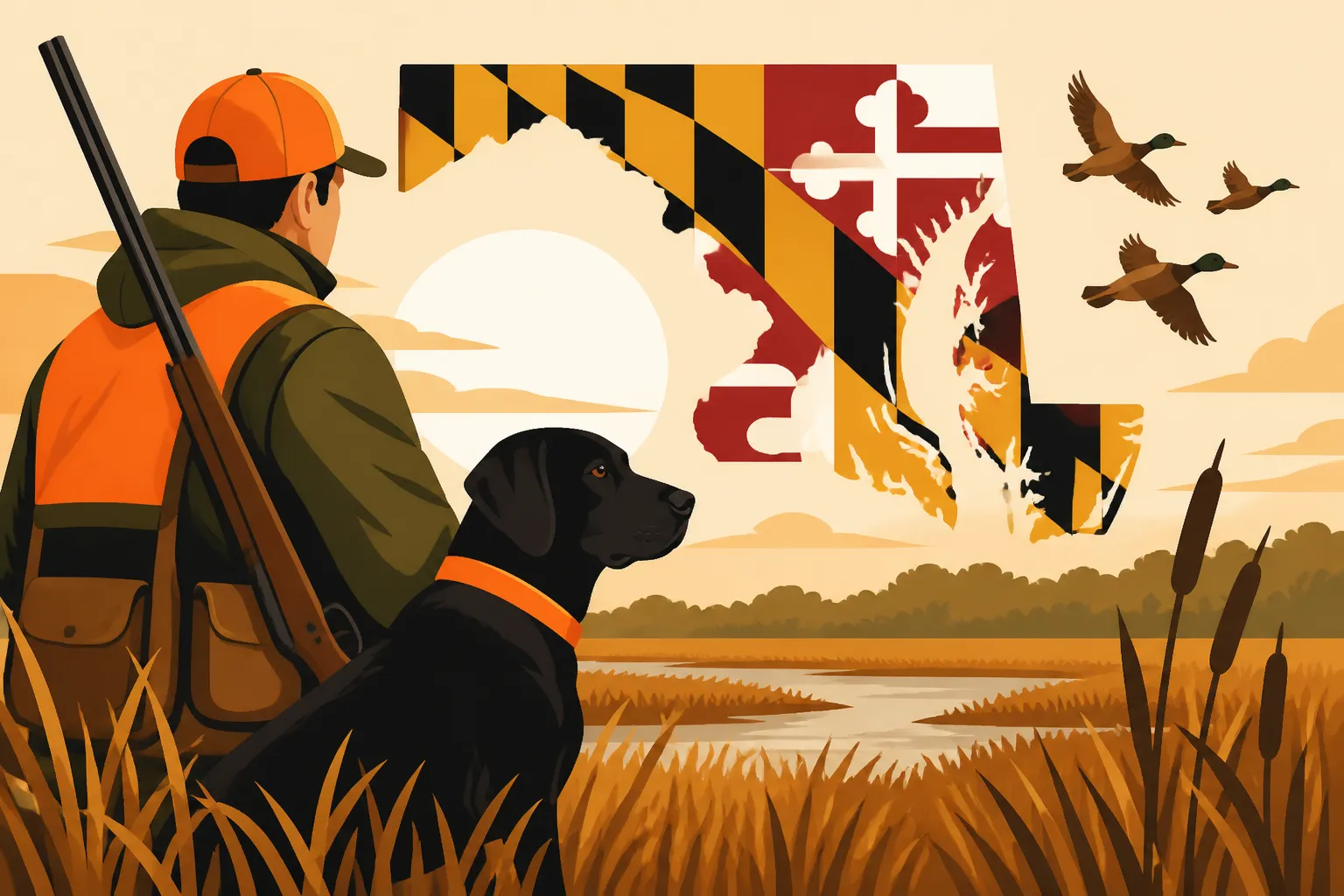
Waterfowl hunting, especially in Maryland's iconic Waterfowl Hunting Maryland's Chesapeake Bay, is perhaps the most common scenario where hunters want to bring their own retriever. And for good reason – a well-trained retriever is an invaluable asset.
The Ideal Scenario:
Your dog is a perfectly trained retriever: steady to shot, quiet in the blind, retrieves on command, and handles cold water like a pro. They sit calmly at your feet in a pit blind on the Eastern Shore, ignoring the constant parade of decoys and calling, until a flock of Canada geese commit. You make your shots, and the guide gives the command, sending your dog like a rocket for the retrieve. This is the dream, and it's absolutely achievable with dedicated training. A guide might even appreciate the extra "gun dog" if their own dogs are resting or busy. This can be especially true on large-scale operations or for private land leases where the guide manages the blind but relies on hunters for their own retrieves.
Common Challenges and Realities:
- Blind Manners: This is huge. A dog that whines, barks, or constantly shifts around in a small blind will ruin the hunt for everyone. There’s no hiding it in a waterfowl setting.
- Steadiness: Breaking early, chasing cripples without command, or spooking incoming birds is unacceptable. Waterfowl hunting requires immense discipline.
- Working with Guide's Dogs: If the guide uses their own dogs, yours must integrate seamlessly. Who gets the retrieve? Who stays quiet? This needs to be crystal clear. Often, the guide's dogs take precedence.
- Logistics: Getting dogs in and out of boats, layout blinds, or marsh blinds can be tricky, especially in the dark or cold. What to Pack for a Maryland Marsh Hunt should include appropriate gear for your dog, like a life vest or protective vest.
For many Maryland's Licensed Waterfowl Guides, their own dogs are part of their professional setup. They've spent years training them to work together with their specific calls and signals. Inserting an unfamiliar dog, no matter how good, can disrupt that flow. Some guides might allow it if you book a private hunt where you're the only client, or if you can prove your dog is truly exceptional.
Upland Bird Hunting
Bringing your dog on an upland hunt for pheasants, quail, or grouse in Maryland's pheasant release sites or western mountain coverts offers a different set of considerations.
The Ideal Scenario:
You have a well-trained flushing dog (like a Springer Spaniel) or a steady pointing dog (like a German Shorthaired Pointer) that works within gun range, holds points, or flushes birds on command. The dog quarters efficiently, finds game, and brings it to hand without fuss. This enhances the hunt, providing thrilling flushes and reliable retrieves. On some private preserve hunts, your dog might be a welcome addition, especially if the guide doesn't provide their own.
Common Challenges and Realities:
- Range and Control: Upland dogs need to work at an appropriate range, not too far out and not too close. They must be responsive to whistle and voice commands, especially in heavy cover.
- Respecting Other Hunters: If there are multiple guns, your dog must be accustomed to working with several people shooting. A dog that chases non-target birds or gets too far ahead can create safety issues.
- Working with Guide's Dogs: Many upland guides operate with their own strings of pointers or flushers. If your dog is introduced, there’s a pecking order, and potential for conflict if not managed correctly.
- Terrain and Cover: Maryland's upland areas can be brushy, thorny, or steep. Your dog needs to navigate this effectively without getting lost or injured. Consider paw protection.
Unlike waterfowl hunting where the dog often waits, upland dogs are actively working alongside you for much of the hunt. This means even more direct interaction with the guide and other hunters, making temperament and obedience paramount.
Deer Tracking and Recovery
While less common for the main hunt itself, bringing your own dog for deer tracking and recovery is a service that some guides or independent dog handlers offer, especially after a difficult shot or in challenging terrain like a tidal marsh.
The Ideal Scenario:
You've made a shot, but visibility is poor, or the deer ran into thick cover. Your well-trained tracking dog, often a bloodhound or a smaller terrier type, is brought in to follow the sparse blood trail or scent line. The dog confidently leads the way, allowing for a swift and humane recovery of the animal. This can turn a lost deer into a recovered trophy and venison. Some guides might not have their own tracking dogs and would welcome your capable partner for this specific, post-shot scenario.
Common Challenges and Realities:
- Specialized Training: Tracking dogs require highly specialized training to follow cold trails, ignore distractions, and indicate the location of the downed animal. This is not for every hunting dog.
- Permission: Even if your dog is allowed, using it for tracking often requires separate permission from the landowner or guide, especially if it involves going onto property adjacent to the hunting ground.
- Time Sensitivity: Tracking often happens hours after the shot, sometimes after dark. Your dog needs to be capable of working under these conditions. Blood Trailing in Marsh Grass After Dark presents unique challenges.
- Guide's Role: In this scenario, the guide's role shifts from leading the hunt to assisting in recovery. Your dog is the primary tool. The guide will likely oversee the safety of the recovery team.
It's important to differentiate bringing a dog to hunt with, versus bringing a dog specifically for tracking assistance after a shot. Many guides who say "no client dogs" for the actual hunt might be more open to a well-trained tracking dog for recovery, especially if you discuss it in advance. This is a very specific service, and your dog would need to be vetted for this role.
In all these scenarios, the underlying theme is the same: impeccable training, proven reliability, and clear communication with the guide are the cornerstones of a successful experience when bringing your own dog on a guided hunt. Don't let your desire to share the field with your best friend overshadow the practical realities and the guide's professional obligations.
Comparing Guide Perspectives on Client Dogs
| Aspect | Waterfowl Guide Perspective | Upland Guide Perspective | Deer Guide (General Hunt) Perspective | Deer Tracker (Recovery) Perspective |
|---|---|---|---|---|
| Primary Concern | Steadiness, blind manners, potential conflict with guide's dogs. | Control, range, working safely with multiple guns, potential for dog fights. | Noise, scent contamination, spooking deer, safety if dog is off-leash in deer country. | Effectiveness of tracking, safety of team, property access. |
| Likelihood of Acceptance | Low to Moderate (depends heavily on dog's training & guide's policy) | Low to Moderate (especially if guide uses own dogs or for safety reasons with multiple hunters) | Very Low (most deer hunting benefits from stealth, not active dog work) | Moderate to High (if dog is specialized and needed for recovery, not the main hunt) |
| Key Requirements for Dog | Rock-solid steady, quiet, excellent retrieves, handles cold, socialized with other dogs. | Hunts to whistle, works in range, steady on point/flush, socialized, physically fit for terrain. | Absolute silence, stays perfectly still, scent-neutral, on-leash unless specifically allowed for tracking. | Specialized training for blood trailing, focused, ignores distractions, high drive. |
| What a Guide Might Expect | Proof of training, video of dog working, prior conversation about working with guide's dogs. | Demonstration of control, discussion of dog's range, proof of socialization. | Assurance of dog's absolute quietness and containment, if any exception is made. | Verification of dog's tracking experience and success rate. |
| Hunter's Responsibility | Managing dog's behavior constantly, ensuring no disruption or safety hazard. | Keeping dog within control, aware of other hunters and terrain, managing interactions. | Ensuring dog is completely out of sight/sound if present, or leaving it behind. | Communicating trail details, guiding dog to start, managing dog during recovery. |
Disclaimer
This article is for general informational purposes only and does not constitute professional advice. Laws, prices and regulations vary by location and change over time. Consult a qualified professional for guidance on your specific situation.