Meals and What Camp Food Looks Like
One of the questions I often hear from folks new to guided hunts, especially those coming from out of state, is about the food. You might be envisioning some rustic, gourmet camp kitchen, or maybe you're worried about surviving on granola bars for days. The truth is, what you eat on a guided Maryland hunting trip can vary wildly depending on the outfitter and the type of hunt, and knowing what to expect ahead of time can really help you prepare and avoid any hunger-related disappointments. This guide will walk you through the typical camp food experiences, from those pre-dawn breakfasts to hearty post-hunt dinners, helping you understand the practicalities and how to best fuel your adventure.
The Reality of Camp Food on a Guided Maryland Hunt
Let's get one thing straight right away: a guided hunt isn't usually a culinary tour, and that's by design. The focus, first and foremost, is on the hunt itself, putting you in the best position to find game. Every meal, every snack, every drop of coffee plays a role in supporting that primary goal.
Dispelling the Myths: What Not to Expect
When you see those glossy photos of hunting lodges in magazines or online, it's easy to imagine lavish spreads, roaring fires, and chefs whipping up five-star meals. While some high-end operations might lean closer to that ideal, for the majority of Maryland outfitters, especially those running more traditional waterfowl or deer hunts, you need to temper those expectations.
You're probably not going to find a dedicated chef preparing made-to-order meals three times a day. You won't typically see a bottomless buffet with endless choices. Forget about white tablecloths or intricate desserts after a long day in the marsh. The reality is far more practical, often emphasizing efficiency, portability, and sustenance over culinary flair. This isn't a knock on outfitters; it's simply a reflection of the intense logistical challenges of running a successful hunting operation, where the timing of tides, the movement of game, and the unpredictable nature of the weather dictate the daily rhythm. Your guide's priority is getting you to the blind or stand safely, and then getting you back, often leaving little time for elaborate meal prep.
The 'Why' Behind the 'What': Logistics and Priorities
The type of food you receive, or are expected to bring, is heavily influenced by the hunt's logistics. Think about it: if you're Hunting a Chesapeake Bay Blind at First Light or wading into a Dorchester Marsh Before Daylight for Sika deer, your guide isn't going to have time to whip up pancakes and bacon. Early starts are the norm, often requiring hunters to be up and ready well before the sun even hints at rising. This means meals need to be quick to prepare, easy to eat, and, crucially, not interfere with the hunt schedule.
Remote locations also play a huge role. Many prime hunting spots in Maryland, especially for waterfowl on the Eastern Shore or Sika deer deep in the marshes, are far from grocery stores or even paved roads. Food needs to be stored, transported, and prepared with these limitations in mind. Simplicity helps ensure hygiene and reduces the risk of spoilage, especially if you're staying in a more rustic camp or a basic lodge. The emphasis is always on providing enough fuel to keep you alert, warm, and focused throughout your hunt. It’s about practicality, not indulgence, because a cold, tired, and hungry hunter is rarely a successful one.
Typical Breakfasts: Fueling Up Before Daylight
The morning meal is perhaps the most important on a hunting trip, setting the tone and providing the energy needed for a demanding day in the field. But don't expect a leisurely brunch.
Quick and Hearty: Common Morning Staples
Because most hunts demand a pre-dawn start, breakfast is usually a quick affair, designed to get you fed and out the door with minimal fuss. Think efficiency and calorie density. Coffee is almost always a given – usually plenty of it, strong and ready to go. You'll often find things like instant oatmeal, which just needs hot water, or pre-made breakfast sandwiches that can be quickly heated in a microwave or toaster oven. Pastries, muffins, bagels, or toast are also common, offering quick carbs. Some outfitters might have a crockpot running overnight with a breakfast casserole or sausage gravy, which can be dished out fast.
The goal is to get a solid base in your stomach that will stick with you through the cold morning hours, especially if you're sitting in a freezing duck blind or trying to stay still in a tree stand during the Hunting the Rut in Early to Mid November. It's about getting vital calories and warmth into you without adding minutes to an already tight schedule. If you're sensitive to certain foods, it's wise to pack a backup of your own, just in case.
On-the-Go Options: When Time is of the Essence
Sometimes, even the quickest sit-down breakfast is too much for the schedule. For those really early pushes, or if the hunting grounds are a long drive, you might find grab-and-go options are the primary offering. This could be a collection of granola bars, fruit (like bananas or apples), yogurt cups, or even pre-wrapped breakfast burritos or sandwiches that you can eat in the truck on the way to the launch or the property.
These meals are all about maximizing your time in the field. Your guide wants to ensure you're in position when the game starts moving, not waiting for toast to pop. If you're booking through platforms like BookYourHunt or GoHunt, you can often find details about meal plans listed in the outfitter's description, which can give you a heads-up on what to pack yourself if "on-the-go" isn't your preference. Always have a few protein bars or a bag of trail mix stashed in your pack as a personal emergency backup for those extra-early mornings or unexpected delays.
Lunch in the Field: Sustenance for the Long Haul
Lunch often presents the biggest logistical challenge for outfitters, as hunters are typically still out in the field. This means flexibility is key.
Pack-Your-Own or Provided Lunches
How lunch is handled can vary significantly. Some outfitters will provide a cooler stocked with lunch items that you take to your blind or stand, or that they drop off to you. Others will expect you to pack your own lunch, knowing you have specific preferences or dietary needs. It’s crucial to clarify this when booking your hunt. If you're responsible for your own lunch, factor in what travels well, doesn't require heating, and will provide sustained energy.
Having a clear understanding of the lunch situation allows you to plan accordingly. If you're hunting deer in the mountains and need to stay in your stand from dawn to dusk, a well-packed lunch is non-negotiable. If you’re waterfowl hunting from a pit blind, your guide might bring sandwiches right to you. Always ask your outfitter about lunch arrangements before you arrive so there are no surprises when you’re out in the woods or marsh.
Field-Friendly Fare: Sandwiches, Snacks, and Thermos Meals
For those long hours spent Still-Hunting Western Maryland Mountain Timber or Marsh Hunting Sika Deer by Boat, your lunch needs to be robust, easy to manage with cold hands, and not prone to spoilage. Sandwiches are the perennial favorite: peanut butter and jelly, deli meats, or even a hearty cheese and cracker spread. Trail mix, jerky, nuts, and fruit are excellent, nutrient-dense options that provide sustained energy without a sugar crash.
For colder weather, a thermos filled with hot soup, chili, or even a stew can be an absolute game-changer. There's nothing quite like a warm meal to re-energize you when the wind is whipping and the temperatures are dropping. Don't forget a couple of candy bars or small packets of cookies for a quick morale boost—sometimes, a little sweetness is exactly what you need to push through that last hour before dark. Remember, even if your outfitter provides lunch, having a small personal stash of your favorite snacks is always a smart move.
Dinner: The Post-Hunt Reward
After a long, cold, and hopefully successful day in the field, dinner is usually the most relaxed meal, offering a chance to warm up, share stories, and refuel.
Simple and Satisfying: Classic Camp Dinners
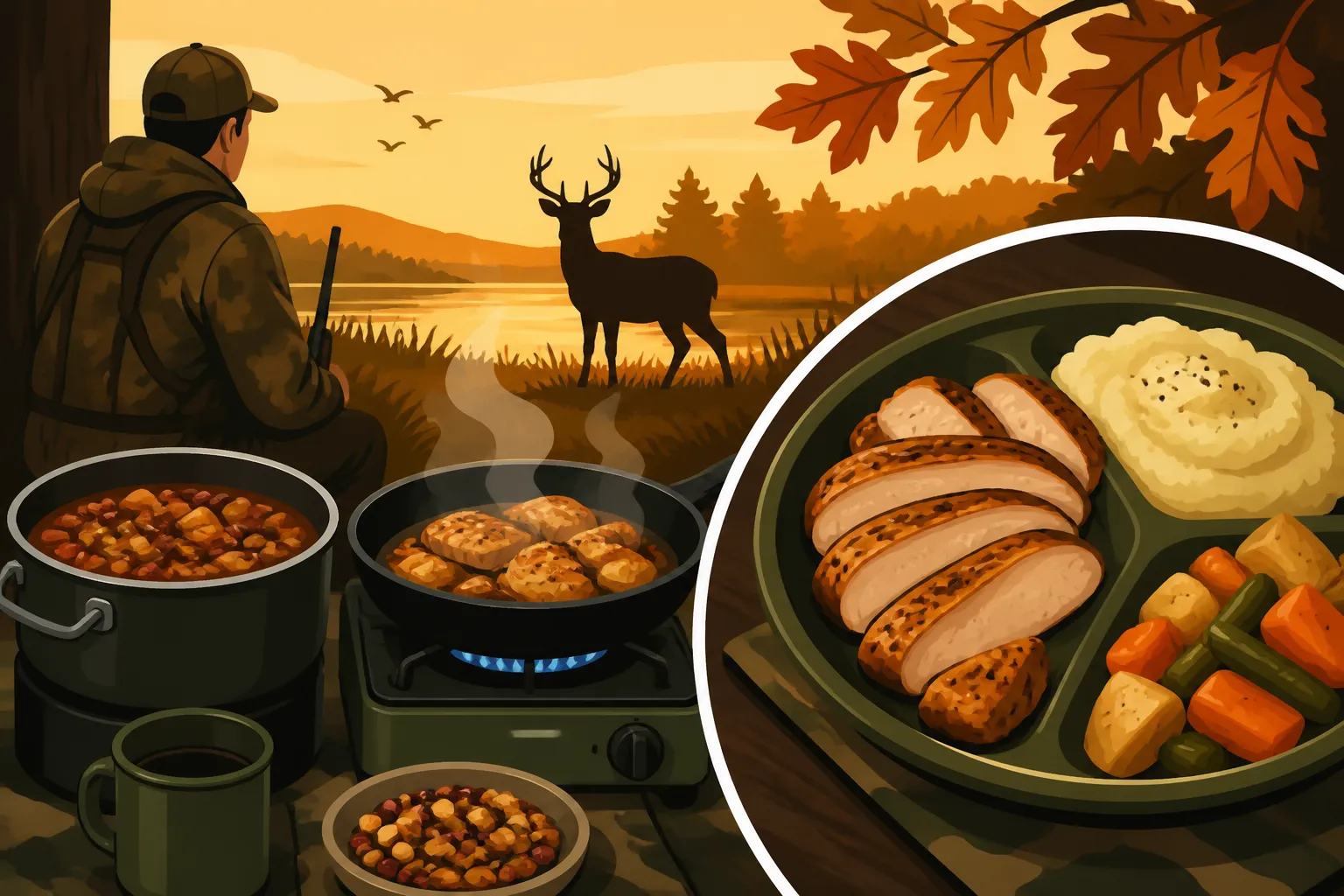
Dinner meals are typically designed to be hearty and comforting. Think classic, home-style cooking that can feed a hungry crew efficiently. Chili, spaghetti with meat sauce, stew, grilled chicken or burgers, or perhaps a roasted pork loin are common mainstays. Sides might include potatoes (mashed, baked, or roasted), vegetables, and bread. These meals are straightforward to prepare in larger batches, minimizing the time your guide or their staff spends in the kitchen and maximizing their ability to prepare for the next day's hunt.
Many outfitters will base their dinner menu on ease of preparation for a group, using ingredients that are readily available. While it might not be gourmet, it's usually warm, filling, and exactly what you need after battling the elements all day. It’s also a fantastic opportunity to unwind and listen to the day's tales of near misses and triumphant harvests. This communal aspect of dinner is often as important as the food itself, fostering camaraderie among hunters.
Special Occasions: When Outfitters Go the Extra Mile
Occasionally, you might encounter an outfitter who elevates the dinner experience. This is more common with higher-priced, more luxurious lodges or those specializing in multi-day, all-inclusive packages. You might find a guide who takes pride in cooking wild game harvested by previous clients, or perhaps a local specialty. I've heard tales of outfitters on the Eastern Shore serving up fresh crabs or local rockfish, or a Western Maryland guide cooking venison stew from a past season.
While these experiences are certainly a treat, they are generally the exception, not the rule. If you're hoping for something beyond the standard hearty fare, it's important to ask specific questions before booking. Otherwise, assume simple, filling, and satisfying, which honestly, is often the best kind of food after a long day chasing deer in the hardwoods or calling geese in a cut cornfield. You can sometimes find reviews detailing meal experiences on hunting booking sites like BookYourHunt or even forums that discuss outfitters, giving you a better idea of what to expect from specific operations.
Hydration and Snacks: Don't Forget the Essentials
Beyond the three main meals, proper hydration and strategic snacking are critical for maintaining energy and focus throughout your hunt.
Water is King: Staying Hydrated in the Field
It's easy to forget to drink enough water when you're focused on hunting, especially in cold weather where thirst cues might be less obvious. However, dehydration can lead to fatigue, headaches, and impaired judgment—all things you definitely don't want when handling firearms or trying to make a critical shot. Always carry plenty of water. A good insulated water bottle or a hydration bladder in your pack is essential. In extremely cold conditions, an insulated thermos of hot tea, coffee, or even just hot water can not only help you hydrate but also warm you from the inside out.
Some outfitters will provide bottled water, but it's always a good idea to bring your own refillable bottle. If you're heading deep into public lands like Hunting Maryland's Savage River State Forest or Hunting Green Ridge State Forest, consider a portable water filter or purification tablets as a backup. Staying hydrated is paramount, regardless of the weather or the type of game you're pursuing.
Energy Boosts: Snacks for Those Mid-Day Dips
Even with a good breakfast and lunch, you'll likely experience energy dips, especially during the long hours of a late season hunt or during an intense morning of calling sika stags. This is where personal snacks come in handy. Think about what gives you sustained energy: trail mix, nuts, dried fruit, protein bars, or even a small bag of your favorite beef jerky. Avoid sugary snacks that provide a quick spike followed by a crash.
These small, easy-to-pack items can be slipped into a jacket pocket or a small pouch in your daypack. They're quick to consume discreetly in a blind or stand and can make a big difference in maintaining your focus and comfort. I always pack more snacks than I think I'll need, because a little extra fuel can make all the difference on a long, tough day when Hunting After a Maryland Cold Front.
| Meal Type | Common Offerings (Examples) | Key Characteristics |
|---|---|---|
| Breakfast | Coffee, oatmeal, muffins, breakfast sandwiches, bagels, cereal, fruit | Quick, hearty, easy to prepare, pre-dawn friendly, often grab-and-go. |
| Lunch | Sandwiches (deli, PB&J), trail mix, jerky, nuts, fruit, soup/chili in thermos | Portable, requires no heating (or minimal), energy-sustaining, often eaten in the field. |
| Dinner | Chili, spaghetti, grilled meats (chicken/burgers), stew, roasted pork/beef, potatoes, vegetables | Hearty, comforting, home-style, typically served communal post-hunt, often batch-cooked. |
| Snacks | Protein bars, granola bars, nuts, dried fruit, jerky, chocolate, candy | Quick energy, portable, personal preference, essential for mid-day boosts and emergencies. |
| Hydration | Water, coffee, tea, sports drinks | Essential for focus and preventing fatigue, always carry more than you think you need. |
Communicating Your Dietary Needs and Expectations
Being proactive about your dietary needs and having realistic expectations are key to a smooth and enjoyable hunting trip.
Allergies and Restrictions: Speak Up Early
If you have any food allergies, dietary restrictions (like vegetarian, gluten-free, or specific intolerances), or even strong dislikes, it is absolutely vital that you communicate these to your outfitter well in advance—ideally when you book your hunt. Do not assume they will magically know, or that you can just "make do." A severe allergy, like to peanuts or shellfish, needs careful planning on their part to avoid cross-contamination.
Most reputable outfitters want to ensure their clients are safe and comfortable, and they will do their best to accommodate reasonable requests. However, last-minute demands can be incredibly difficult, if not impossible, to meet, especially in remote locations. Be clear, specific, and offer to bring some of your own supplemental items if needed. Platforms like GoHunt and BookYourHunt often have sections where you can note dietary restrictions when inquiring about a hunt, making it easier for outfitters to prepare.
Realistic Expectations and Flexibility
Even after communicating your needs, remember that camp food is still camp food. It's often prepared by guides who might be excellent hunters but not necessarily trained chefs, or by lodge staff operating with limited resources. While they will aim to keep you fed and healthy, it might not be exactly what you're used to at home.
Approach the dining experience with an open mind and a spirit of flexibility. Be grateful for the warm meal and the effort put into it. Having a small personal stash of your favorite snacks or an emergency meal can be a lifesaver if, for whatever reason, the provided food isn't quite what you hoped for or doesn't fully satisfy your specific needs. The most successful hunters are often the most adaptable, and that goes for their approach to food as well. After all, you're there for the hunting adventure, and the food is just one part of the overall experience.
Disclaimer
This article is for general informational purposes only and does not constitute professional advice. Laws, prices and regulations vary by location and change over time. Consult a qualified professional for guidance on your specific situation.